BRAT Diet: Complete Guide For Effective Symptom Relief
Discover the BRAT diet's role in managing diarrhea, its benefits, risks, and why experts now recommend broader options for recovery.
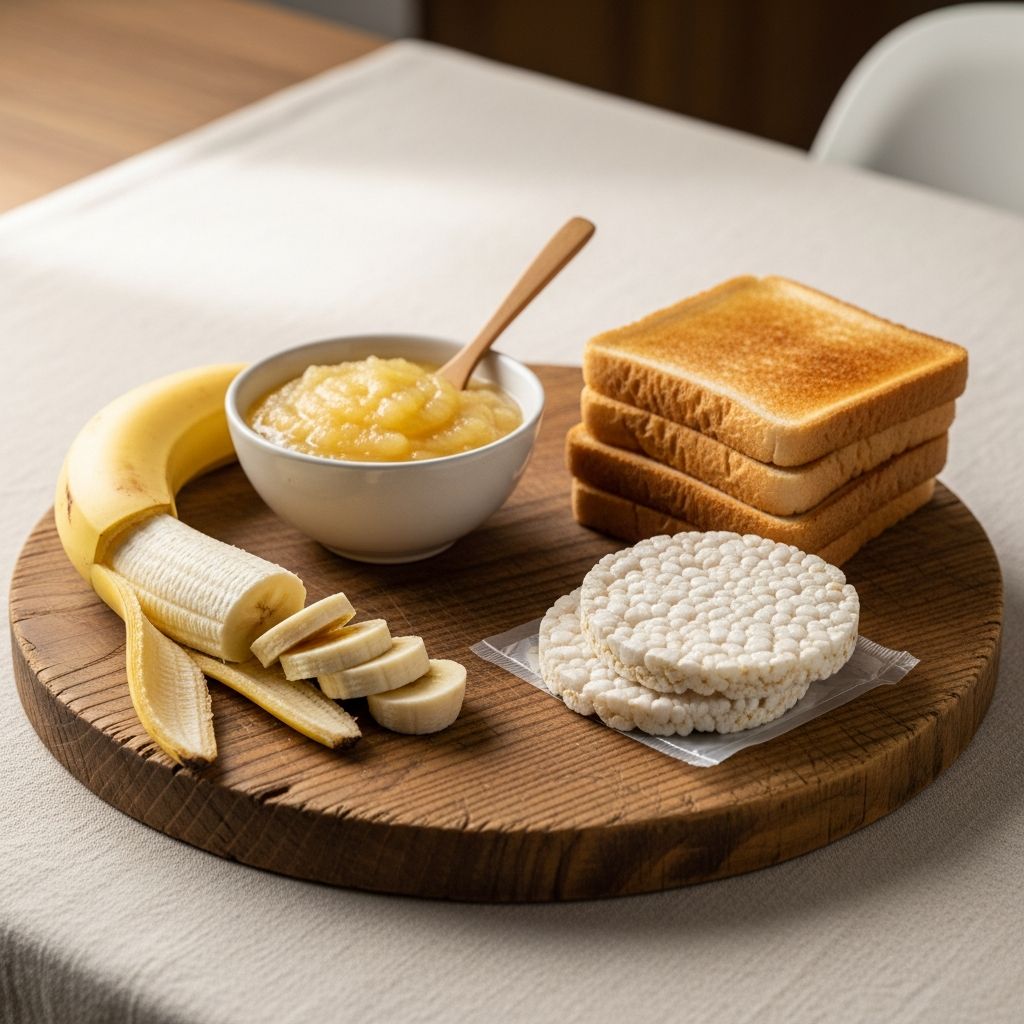
The BRAT diet, consisting of
bananas
,rice
,applesauce
, andtoast
, is a bland, low-fiber eating plan traditionally used to manage symptoms of diarrhea, nausea, and stomach upset. While it offers short-term digestive relief by providing easily digestible foods, current medical guidelines caution against prolonged use due to risks of malnutrition and inadequate nutrition.What Is the BRAT Diet?
The acronym
BRAT
stands for bananas, rice, applesauce, and toast—a simple, starchy diet designed to be gentle on the stomach during acute gastrointestinal issues like gastroenteritis, food poisoning, or viral stomach bugs. These foods are low in fat, protein, and fiber, making them easier to digest when the gut is inflamed or irritated.Historically recommended for children and adults with diarrhea, the diet aims to rest the digestive system by minimizing bowel movements and irritation. Bananas provide natural pectin to firm stools, rice absorbs excess water in the intestines, applesauce offers soluble fiber without excess bulk, and plain toast supplies simple carbohydrates without overwhelming the system.
What Does BRAT Stand For?
- Bananas: Rich in potassium to replace electrolytes lost in diarrhea; their pectin content helps solidify stool.
- Rice: Plain white rice is binding and low-residue, reducing stool frequency and volume.
- Applesauce: Cooked apples provide pectin, a soluble fiber that aids in stool formation without adding insoluble fiber that could worsen diarrhea.
- Toast: Plain white bread toast (no butter) delivers easily digestible carbs to maintain energy without taxing digestion.
These components share bland flavors, minimal odor, and low acidity, theoretically reducing nausea and vomiting.
Benefits of the BRAT Diet
The BRAT diet can provide symptomatic relief during the acute phase of digestive upset, typically lasting 24-48 hours. Key potential benefits include:
- Firmer stools: Low-fiber starches like rice and toast help bind loose stools by absorbing water in the colon.
- Gentle on the stomach: Low fat and protein content minimizes digestive workload, allowing the gut lining to heal.
- Reduced nausea: Bland taste and lack of strong smells or spices make these foods less likely to trigger vomiting.
- Electrolyte support: Bananas supply potassium, countering losses from diarrhea.
- Antidiarrheal properties: Bananas and rice have documented effects in reducing diarrhea duration, especially in rice-based oral rehydration solutions for children.
Short-term use (1-2 days) alongside hydration is unlikely to harm healthy adults or children.
Does the BRAT Diet Work?
While individual BRAT foods may ease symptoms, evidence for the restrictive diet as a whole is limited. The International Foundation for Gastrointestinal Disorders (IFFGD) notes its narrow nutritional profile makes it unsuitable beyond brief periods. Studies, including pediatric reviews, show early feeding with balanced foods shortens illness and improves recovery over restrictive diets like BRAT.
The American Academy of Pediatrics and CDC deem BRAT “unnecessarily restrictive,” providing suboptimal nutrition for gut recovery. Instead, continued normal feeding with hydration prevents prolonged permeability changes in the intestines.
Related Stories



Risks and Downsides of the BRAT Diet
Prolonged BRAT adherence (beyond 48 hours) poses significant risks due to its deficiencies:
- Malnutrition: Extremely low in protein, fat, fiber, vitamins (A, B12), and minerals (calcium, iron), leading to energy deficits—about 300 fewer calories daily than a toddler’s balanced diet.
- Worsened diarrhea: High carbs can draw water into the gut (osmotic effect), paradoxically increasing loose stools.
- Gut health impairment: Lack of fiber harms microbiome diversity; no probiotics for recovery.
- Electrolyte imbalance: Inadequate sodium, despite potassium from bananas; better addressed by oral rehydration solutions.
21st-century clinicians no longer advocate BRAT, favoring nutrient-rich recovery diets.
How Long Should You Follow the BRAT Diet?
Limit to 24-48 hours maximum, transitioning to a broader bland diet as symptoms improve. Monitor for dehydration (dry mouth, reduced urine) and consult a doctor if diarrhea persists beyond 2 days, especially in children, elderly, or those with chronic conditions.
Children should not have food withheld; early feeding aids recovery per CDC guidelines.
Foods to Eat on the BRAT Diet
Stick to core BRAT items, prepared plainly:
- Bananas (ripe, mashed if needed)
- White rice (boiled, no oil)
- Applesauce (unsweetened)
- Plain white toast or saltine crackers
Hydrate with oral rehydration solutions (Pedialyte, diluted Gatorade) over plain water.
Foods to Avoid on the BRAT Diet
Avoid irritants for the first 72 hours:
- Dairy (milk, cheese)—hard to digest, may worsen diarrhea.
- Fatty/greasy/fried foods (burgers, pizza).
- Spicy or heavily seasoned items.
- Raw/cruciferous veggies (broccoli, salad).
- Acidic fruits (citrus, berries, pineapple).
- Caffeine, alcohol, sodas.
- Heavy proteins (red meat, fatty fish).
BRAT Diet Sample Menu
| Meal | Options |
|---|---|
| Breakfast | Applesauce + toast; mashed banana |
| Mid-morning | Rice porridge + oral rehydration drink |
| Lunch | Plain rice + half banana |
| Afternoon | Saltine crackers + applesauce |
| Dinner | Toast + rice; small banana |
| Throughout day | Frequent sips of electrolyte solution |
Total ~800-1200 calories; increase portions as tolerated.
BRAT Diet Alternatives
Health experts recommend expanded bland diets over strict BRAT:
- BRATY: Add yogurt for probiotics (Lactobacillus) to restore gut flora.
- Bland diet: Includes oatmeal, boiled potatoes, clear broths, steamed chicken, sweet potatoes, watermelon.
- Probiotic-rich: Kefir, miso soup.
Bland diets offer variety, preventing undernourishment while remaining gentle.
BRAT Diet vs. Bland Diet
| Aspect | BRAT Diet | Bland Diet |
|---|---|---|
| Foods | Only 4 items | Rice, bananas, yogurt, potatoes, lean meat, noodles |
| Nutrition | Low protein/fat/vitamins | More balanced, varied nutrients |
| Use | Very short-term | Short-term recovery |
| Expert View | Not recommended long-term | Preferred for diarrhea |
Frequently Asked Questions (FAQs)
Is the BRAT diet safe for children?
Short-term yes, but avoid restriction; CDC advises early balanced feeding to shorten illness.
Can adults use the BRAT diet?
Yes, briefly for symptom relief, but transition quickly to avoid deficiencies.
What drinks pair with BRAT?
Oral rehydration solutions like Pedialyte; avoid sugary/caffeinated drinks.
Does BRAT cure diarrhea?
No, it manages symptoms; hydration and rest are key. See doctor if >2 days.
Can I add yogurt to BRAT?
Yes, as BRATY—probiotics aid recovery.
References
- What is the BRAT Diet? — News-Medical.net. 2023. https://www.news-medical.net/health/What-is-the-BRAT-Diet.aspx
- BRAT diet: Benefits, risks, and treating diarrhea — Medical News Today. 2023-06-29. https://www.medicalnewstoday.com/articles/318255
- BRAT Diet: Food List, Efficacy, and More — Healthline. 2023. https://www.healthline.com/health/brat-diet
- The BRAT Diet for Acute Diarrhea in Children: Should It Be Used? — University of Virginia (med.virginia.edu). 2007-06. https://med.virginia.edu/ginutrition/wp-content/uploads/sites/199/2015/11/DuroArticle-June-07.pdf
- BRAT Diet for Diarrhea, Nausea and Vomiting — Healthgrades. 2023. https://resources.healthgrades.com/right-care/digestive-health/brat-diet-for-diarrhea-nausea-and-vomiting
Similar Articles








Read full bio of Sneha Tete