Brazil Nuts Recalled Nationwide Due to High Levels of Mold and Yeast
NOW Foods recalls 7,854 units of raw Brazil nuts nationwide and in Singapore over mold, yeast contamination risks.
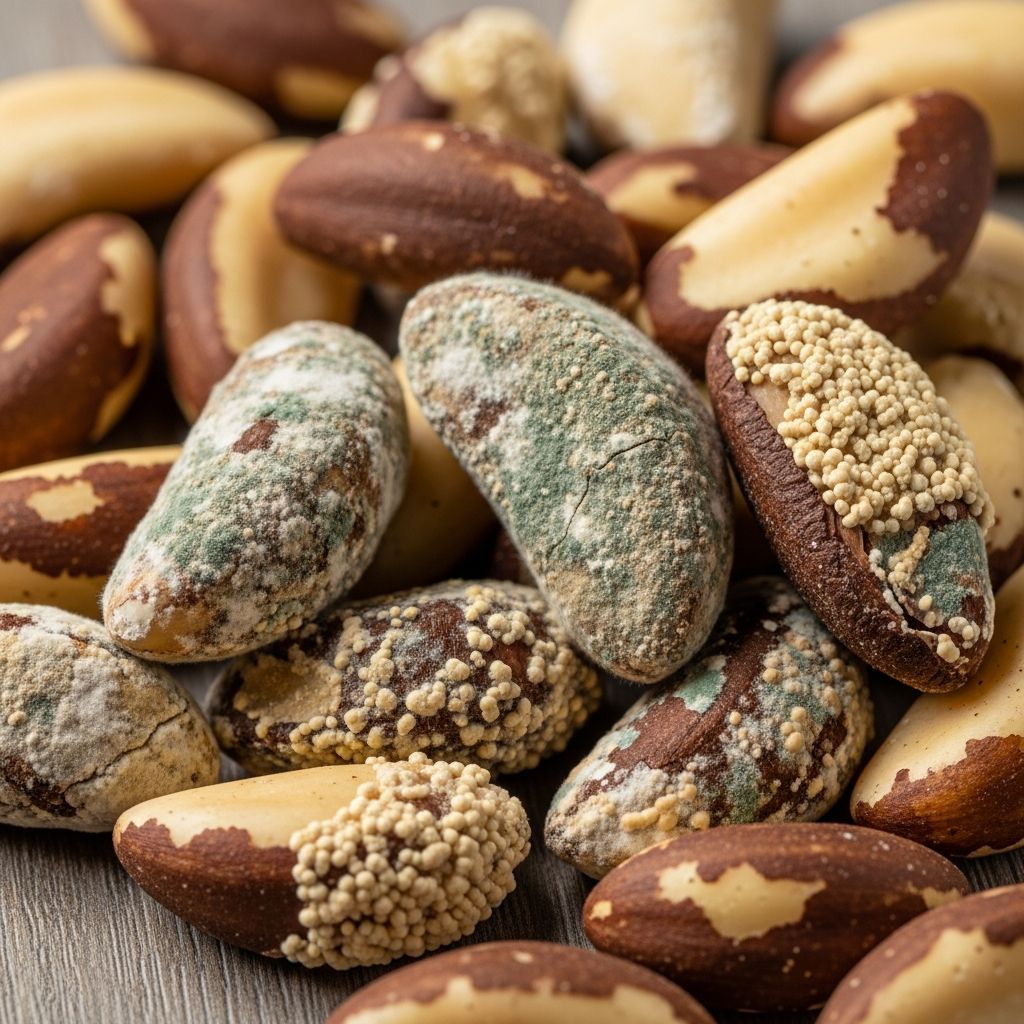
NOW Foods has initiated a voluntary recall of its NOW Real Foods Whole & Unsalted Raw Brazil Nuts due to contamination with high levels of mold, yeast, and elevated total viable count. This recall, classified by the FDA as a Class III recall, affects approximately 7,854 units distributed nationwide in the United States and in Singapore. No illnesses have been reported to date, but consumers are urged not to consume the product.
What You Need to Know About the Brazil Nuts Recall
The recall was announced on August 14, 2024, by Now Foods, based in Bloomingdale, Illinois. Testing revealed the product exceeded acceptable limits for mold, yeast, and total viable count, prompting immediate action to protect public health. The affected product is packaged in 12-ounce bags with specific identifiers, making it easy for consumers to check their purchases.
- Product Name: NOW Real Foods Whole & Unsalted Raw Brazil Nuts
- Package Size: 12 oz. bag
- UPC Code: 733739070128
- Lot Number: 3343549
- Best Before Date: September 2025
- Quantity Recalled: 7,854 units
- Distribution: Nationwide in the U.S. and Singapore
These nuts were sold at retail stores and online, targeting health-conscious consumers seeking nutrient-rich snacks. Brazil nuts are prized for their high selenium content, supporting thyroid function and antioxidant defense, but contamination undermines these benefits.
Health Risks Associated with Mold and Yeast in Nuts
Mold and yeast contamination in food like nuts can pose significant health risks, particularly for vulnerable populations. While not all exposures lead to severe illness, the potential for mycotoxins—toxic compounds produced by certain molds—makes caution essential.
According to the United States Department of Agriculture (USDA), molds can cause allergic reactions, respiratory problems, and in some cases, produce mycotoxins that lead to acute or chronic illness. Mycotoxins like aflatoxins are known carcinogens and can affect liver function. Yeast overgrowth may cause gastrointestinal distress such as vomiting and diarrhea, especially in immunocompromised individuals.
| Risk Factor | Symptoms | Vulnerable Groups |
|---|---|---|
| Mold Allergies | Sneezing, itching, asthma exacerbation | Allergic individuals |
| Mycotoxins | Nausea, liver damage, cancer risk | Children, elderly, immunocompromised |
| Yeast Infection | Diarrhea, vomiting, bloating | Those with weak immune systems |
The Centers for Disease Control and Prevention (CDC) advises against consuming any food with visible mold and warns against sniffing suspect items, as spores can trigger respiratory issues. In nuts, mold roots (hyphae) penetrate deeply, making it impossible to safely remove contaminated parts.
Why Do Nuts Get Contaminated with Mold and Yeast?
Nuts like Brazil nuts are susceptible to microbial growth due to their high oil content and moisture retention post-harvest. Improper storage, high humidity during transport, or delays in processing can foster mold and yeast proliferation. Brazil nuts, harvested from the Amazon rainforest, face unique challenges in the supply chain, including exposure to tropical climates conducive to fungal growth.
Related Stories



Total viable count refers to the overall bacterial load, indicating poor sanitation or post-processing contamination. Regulatory limits exist to ensure food safety; exceeding them triggers recalls like this one. The FDA monitors such issues through enforcement reports, emphasizing prevention through Good Manufacturing Practices (GMP).
What Should Consumers Do?
If you have the recalled Brazil nuts at home, do not eat them. The FDA and recalling firm recommend the following actions:
- Discard the product in a secure trash can with a tight-fitting lid to prevent accidental consumption by humans or pets.
- Return it to the place of purchase for a full refund.
- Report any adverse health effects to the FDA’s MedWatch program online, by mail, or fax.
- Check lot numbers and UPC carefully—only the specified lot is affected.
Retailers should pull the product from shelves and contact suppliers for further instructions. No other NOW Foods products are included in this recall.
Understanding FDA Recall Classifications
This is a Class III recall, the lowest severity level, indicating low risk of adverse health consequences from use. Class I recalls involve high-risk products with potential for serious injury or death, while Class II poses temporary or reversible health issues. Despite the classification, prompt disposal is advised due to potential mycotoxins.
The FDA posts enforcement reports for such actions, differing from standard recall notices, which may explain the lack of illness reports. Ongoing monitoring ensures compliance.
Benefits of Brazil Nuts and Safer Alternatives
Brazil nuts remain a superfood, providing up to 10 times the daily selenium requirement in one nut, aiding immune health, thyroid support, and reducing inflammation. However, moderation is key—overconsumption can lead to selenium toxicity.
For safe options:
- Choose roasted or pasteurized nuts to reduce microbial risks.
- Opt for brands with third-party testing (e.g., ConsumerLab verified).
- Store nuts in cool, dry places or refrigerate to inhibit mold.
- Inspect for off odors, discoloration, or sliminess before eating.
Alternatives include sunflower seeds, almonds, or selenium-rich foods like tuna and eggs.
Preventing Mold in Your Pantry
Proactive steps can safeguard your nuts and dry goods:
- Storage: Use airtight containers in cool (<70°F), low-humidity areas.
- Inspection: Check expiration dates and appearance regularly.
- Freezing: Extend shelf life by freezing nuts for up to a year.
- Purchase: Buy in small quantities to ensure freshness.
The USDA emphasizes discarding moldy high-moisture foods entirely, as contamination spreads invisibly.
Frequently Asked Questions (FAQs)
Are all NOW Foods Brazil nuts recalled?
No, only the specific lot (3343549) with Best Before September 2025 and UPC 733739070128 is affected. Other products are safe.
Has anyone gotten sick from these nuts?
No illnesses have been reported as of the latest updates, but risks exist, especially for sensitive groups.
Can I cut off moldy parts of the nuts?
No. Mold penetrates deeply into nuts; discard the entire package per USDA and CDC guidelines.
What if I already ate them?
Monitor for symptoms like nausea or allergic reactions. Seek medical help if concerned and report to FDA MedWatch.
Where were these sold?
Nationwide U.S. retailers and Singapore; check your local health food stores.
Broader Implications for Nut Safety
This recall underscores vulnerabilities in the nut industry. Past incidents include E. coli in walnuts and Listeria in other tree nuts, highlighting the need for rigorous testing. Consumers benefit from transparency and quick recalls, minimizing exposure. NOW Foods’ prompt action demonstrates commitment to safety, but it reminds us to stay vigilant.
Regulatory bodies like the FDA continue to enforce standards, with recalls serving as critical safeguards. For updates, monitor FDA enforcement reports and trusted food safety sites.
References
- NOW Real Foods Brazil Nuts Recalled For Mold and Yeast — Food Poisoning Bulletin. 2024-08. https://foodpoisoningbulletin.com/2024/now-real-foods-brazil-nuts-recalled-for-mold-and-yeast/
- USA – Brazil nuts recalled over mold/mould and yeast — KSW Food Microbiology. 2024-09-02. https://kswfoodmicro.com/2024/09/02/usa-brazil-nuts-recalled-over-mold-mould-and-yeast/
- Brazil nuts recalled over mold and yeast — Food Safety News. 2024-08. https://www.foodsafetynews.com/2024/08/brazil-nuts-recalled-over-mold-and-yeast/
- Brazil nuts recalled due to mold and yeast — IGMPI. 2024. https://igmpi.ac.in/news/food-gmp/brazil-nuts-recalled-due-to-mold-and-yeast
- Now Foods Recalls Raw Brazil Nuts Due to Mold and Yeast — ConsumerLab.com. 2024-08-28. https://www.consumerlab.com/recalls/14857/now-foods-recalls-raw-brazil-nuts-due-to-mold-and-yeast/
Similar Articles








Read full bio of medha deb