Breads As Healthy As Sourdough: 5 Best Whole-Grain Options
Discover nutrient-rich breads that match sourdough's health perks, from better digestion to stable blood sugar.
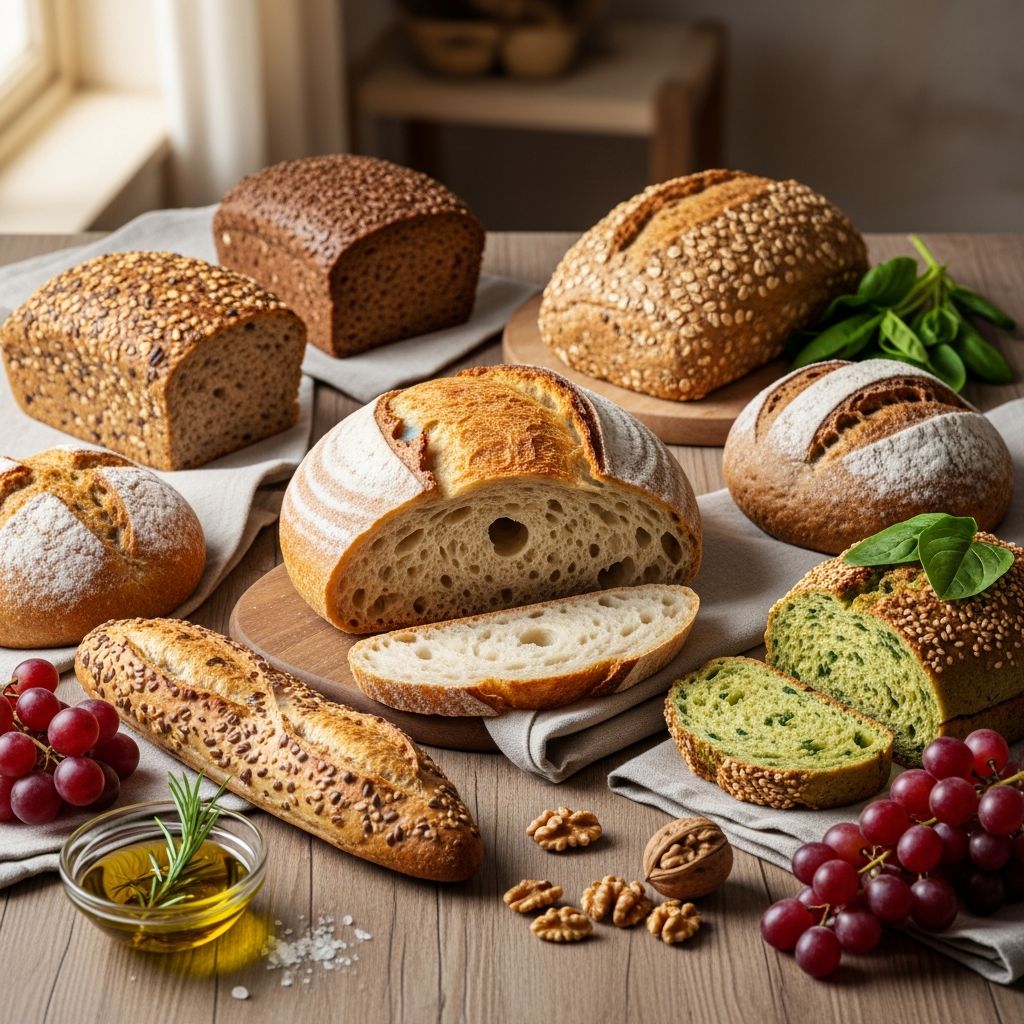
Sourdough bread earns praise for its fermentation process, which enhances digestibility, lowers the glycemic index, boosts nutrient absorption, and supports gut health. However, several other breads offer comparable benefits through whole grains, natural fermentation, or sprouted grains, making them excellent alternatives for health-conscious eaters.
Why Sourdough Bread Is So Healthy
Sourdough’s unique appeal stems from its natural fermentation using wild yeast and bacteria. This process breaks down gluten and phytic acid, making it easier to digest than conventional yeast-leavened bread. Fermentation also reduces the glycemic index (GI), preventing sharp blood sugar spikes, which benefits those managing diabetes or energy levels.
Nutrient-wise, sourdough increases bioavailability of minerals like iron, zinc, and magnesium while producing prebiotics and probiotics that foster a healthy gut microbiome. Studies confirm these effects, showing lower glucose responses and improved mineral access compared to regular bread.
People with mild gluten sensitivity often tolerate sourdough better due to partial gluten breakdown, though it’s unsuitable for celiac disease. Its minimal additives further position it as a cleaner choice.
1. Sprouted Grain Bread
Sprouted grain bread rivals sourdough by sprouting grains before milling, which activates enzymes that break down starches and proteins. This mirrors sourdough’s fermentation, yielding a low GI and high nutrient profile.
Benefits include superior digestibility, as sprouting reduces anti-nutrients like phytic acid, enhancing mineral absorption similar to sourdough. A slice provides protein, fiber, and vitamins, supporting steady blood sugar and gut health. Opt for 100% sprouted varieties like Ezekiel bread, free from flour or added sugars.
- Lower GI: Sprouting converts complex carbs to simpler forms, slowing digestion like sourdough fermentation.
- Nutrient boost: Increases vitamins B, C, and antioxidants; studies show better iron and zinc uptake.
- Gut-friendly: Fiber and enzymes promote microbiome diversity.
Downside: Shorter shelf life; store in freezer. Ideal for toast or sandwiches.
2. Whole Grain Rye Bread
Rye bread, especially fermented varieties, matches sourdough’s profile with dense fiber and natural lactic acid fermentation. Whole grain rye has a low GI due to its viscous fiber, which slows glucose absorption.
Rich in prebiotics, rye supports gut bacteria akin to sourdough probiotics. Research on rye sourdough shows reduced hunger and improved satiety versus white bread. It also lowers cholesterol and aids IBS symptoms by reducing FODMAPs in fermented forms.
- High fiber: Up to 4g per slice, promoting fullness and digestion.
- Mineral-rich: Fermentation unlocks manganese, phosphorus, and B vitamins.
- Blood sugar control: Lower glycemic response in metabolic disease studies.
Choose dense, minimally processed loaves; pair with toppings for balanced meals.
3. 100% Whole Wheat Bread
True 100% whole wheat bread uses the entire grain kernel, retaining bran, germ, and endosperm for maximum nutrients. Its fiber content rivals sourdough’s digestibility benefits, with a moderate GI when stone-ground.
Related Stories



Fermented whole wheat versions enhance mineral bioaccessibility by degrading phytic acid, much like sourdough. Mayo Clinic notes whole wheat sourdough amplifies gut fiber for prebiotics. Studies link it to lower cholesterol and stable blood sugar.
- Fiber powerhouse: Supports microbiome and regularity.
- Antioxidants: From germ, fighting inflammation.
- Versatile: Better than refined wheat for daily use.
Avoid ‘wheat bread’ imposters; check for ‘100% whole wheat’ first ingredient.
4. Spelt Bread
Spelt, an ancient grain, offers a nutty flavor and complete protein profile. Its lower gluten content and natural fermentation tolerance make it as digestible as sourdough for sensitive stomachs.
High in fiber and minerals, spelt’s soluble fiber lowers GI and cholesterol. Research on einkorn (similar ancient grain) shows superior satiety versus white bread.
- Nutrient-dense: Iron, magnesium, and zinc with high absorption.
- Low allergen potential: Easier on mild sensitivities.
- Prebiotic fiber: Feeds beneficial gut bacteria.
Source organic, whole spelt loaves for purity.
5. Oat Bread
Oat bread leverages beta-glucan fiber for exceptional blood sugar control and heart health, outperforming many breads in GI tests. Fermented oat sourdoughs further enhance digestibility.
Beta-glucans act as prebiotics, mirroring sourdough’s gut support. Studies confirm lower glucose AUC with fermented grains.
- Cholesterol-lowering: FDA-approved claim for oats.
- Sustained energy: Slow-release carbs.
- Gluten-free options: Pure oats suit more diets.
Verify minimal additives.
How Dietitians Choose the Healthiest Breads
Experts prioritize these criteria, akin to sourdough evaluation:
| Criteria | Why It Matters | Sourdough Match |
|---|---|---|
| Whole grains first | Retains fiber, nutrients | Fermentation unlocks them |
| Low added sugar (<2g/slice) | Prevents spikes | Naturally low |
| No artificial preservatives | Cleaner eating | Uses natural acids |
| High fiber (>3g/slice) | Gut/blood sugar health | Prebiotic boost |
| Short ingredient list | Minimizes processing | Simple fermented base |
Check labels rigorously; frozen is often fresher.
FAQs
Is sprouted bread better than sourdough?
Both excel in digestibility and low GI; sprouted wins for allergen-free potential, sourdough for probiotics.
Can rye bread help with IBS like sourdough?
Yes, fermented rye reduces FODMAPs, easing symptoms per studies.
What’s the best bread for blood sugar control?
Sourdough, sprouted, or oat breads have the lowest GI.
Are ancient grains like spelt gluten-free?
No, but lower gluten and easier digestion for some.
How much bread is healthy daily?
1-2 slices of whole grain types, paired with proteins/fats.
References
- The Surprising Health Benefits of Sourdough Bread — Aylo Health. 2025-09-26. https://aylohealth.com/blog/health-benefits-of-sourdough-bread/
- Sourdough bread: Get familiar with this fermented food — Mayo Clinic Community Health. 2024-10-21. https://communityhealth.mayoclinic.org/featured-stories/sourdough-bread-benefits
- Nutritional benefits of sourdoughs: A systematic review — PMC / NIH. 2023-04-12. https://pmc.ncbi.nlm.nih.gov/articles/PMC10103004/
Similar Articles








Read full bio of Sneha Tete