Breakfast Foods To Help You Poop: 12 Evidence-Based Solutions
Discover 12 nutrient-packed breakfast foods that promote regularity and support healthy digestion every morning.
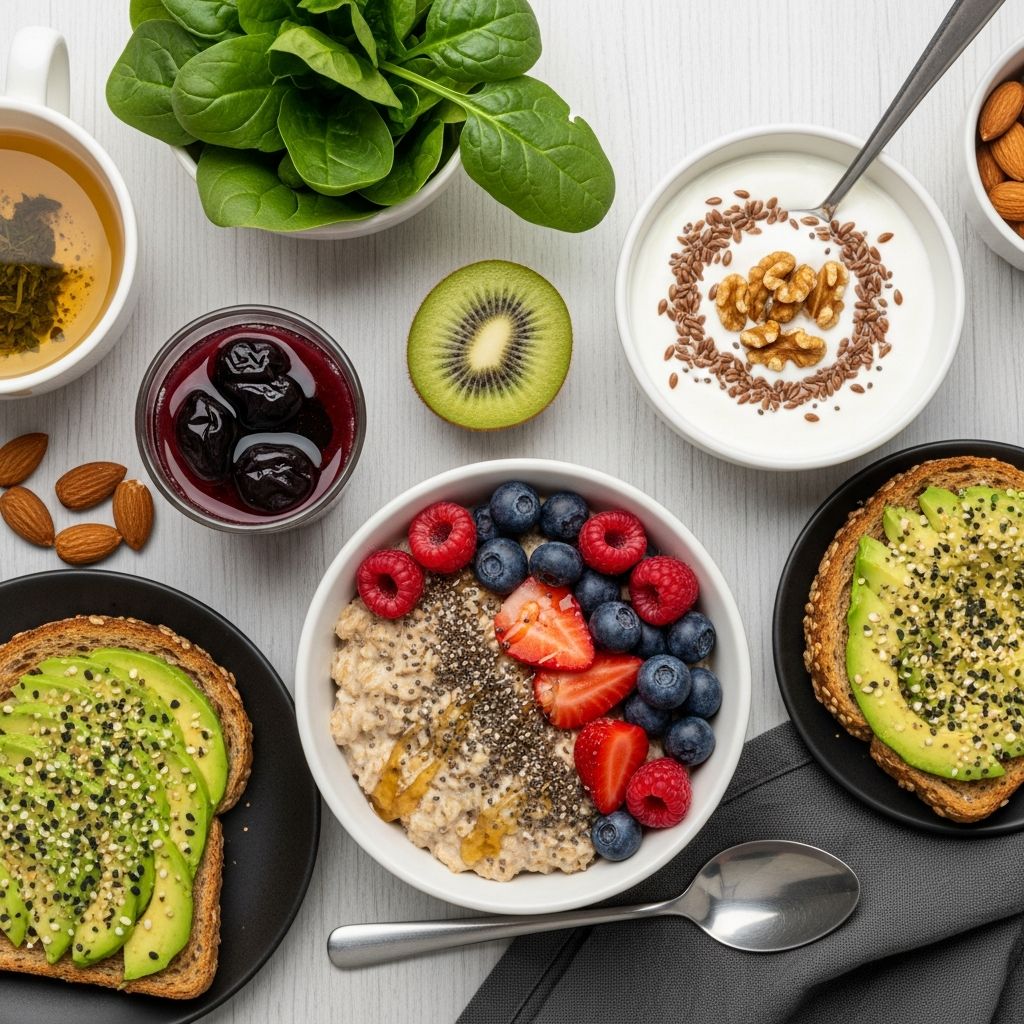
Constipation affects millions of adults annually, with surveys indicating that 16% of U.S. adults experience chronic constipation. Regular bowel movements are essential for overall health, helping eliminate waste, toxins, and excess cholesterol from the body. While lifestyle factors like hydration, exercise, and stress management play key roles, what you eat for breakfast can significantly influence your digestive rhythm.
High-fiber foods, probiotic-rich options, and hydrating fruits create the perfect recipe for smooth digestion. Dietitians emphasize that breakfast sets the tone for your gut health all day. ‘Starting your morning with fiber-rich, hydrating foods stimulates the bowels and promotes peristalsis,’ explains registered dietitian Toby Amidor, MS, RD, CDN.
This article explores 12 evidence-based breakfast foods that help you poop regularly, complete with preparation tips, nutritional benefits, and expert insights. Incorporating these into your routine may provide natural constipation relief without relying on laxatives.
Why Breakfast Matters for Digestion
Your digestive system follows a circadian rhythm, with bowel movements most active in the morning. After 8-12 hours of fasting overnight, your gut craves stimulation. A fiber-packed breakfast kickstarts colonic contractions (peristalsis) and softens stool through water retention.
The recommended daily fiber intake is 25-38 grams for adults, yet most Americans consume only 15 grams. Breakfast offers a prime opportunity to close this gap. Studies from the American Journal of Clinical Nutrition show that higher breakfast fiber intake correlates with fewer constipation episodes and better gut motility.
- Fiber types: Soluble fiber (oats, apples) absorbs water to bulk stool; insoluble fiber (bran, veggies) adds bulk and speeds transit.
- Water content: High-water fruits prevent hard stools.
- Probiotics: Beneficial bacteria improve gut microbiome diversity.
1. Oatmeal
Oatmeal tops the list of constipation-fighting breakfasts thanks to its beta-glucan soluble fiber content. One cup of cooked oats delivers 4 grams of fiber plus prebiotic compounds that feed beneficial gut bacteria.
How it helps: Beta-glucan forms a gel-like substance in the intestines that softens stool and promotes regularity. A study in the Journal of Nutrition found that 40 grams of oats daily increased bowel movement frequency by 30% in constipated adults.
Best preparation: Choose steel-cut or rolled oats over instant varieties. Top with fresh berries, chia seeds, and almond milk for added fiber (10+ grams total). Avoid high-sugar packets.
| Oatmeal Nutrition (1 cup cooked) | Amount |
|---|---|
| Fiber | 4g |
| Protein | 5g |
| Calories | 150 |
2. Prunes
Dried plums (prunes) contain sorbitol, a natural sugar alcohol with osmotic laxative effects, plus 3 grams of fiber per 5 prunes. The FDA recognizes prunes for their traditional use in relieving occasional constipation.
Science-backed: A Journal of Medicinal Food study showed prune consumption (50g daily) was more effective than psyllium for increasing stool frequency in adults with chronic constipation.
Breakfast hack: Blend 4-5 pitted prunes into a smoothie with yogurt and banana, or chop and add to oatmeal. Start with 3 prunes if sensitive to sorbitol.
Related Stories



3. Greek Yogurt
Plain Greek yogurt delivers live probiotics (Lactobacillus, Bifidobacterium) that restore gut flora balance. The thicker consistency provides 10-20 grams of protein to sustain satiety.
Gut benefits: Probiotics reduce gut transit time by 12 hours on average, per a meta-analysis in World Journal of Gastroenterology. Opt for unsweetened varieties with live active cultures.
Power parfait: Layer with berries, flaxseeds, and a drizzle of honey. Provides probiotics + prebiotics + omega-3s.
4. Chia Seeds
Just 2 tablespoons of chia seeds pack 10 grams of soluble fiber that expands 10x when soaked, creating mucilage that eases stool passage. Rich in omega-3 ALA and antioxidants too.
Pro tip: Soak overnight in plant milk or water to maximize gel formation. Stir into smoothies, yogurt, or oatmeal puddings.
5. Kiwi Fruit
Two kiwis provide 5 grams of fiber plus actinidin, an enzyme that aids protein digestion and colonic motility. A Asia Pacific Journal of Clinical Nutrition study found 2 kiwis daily increased bowel movements by 58% vs. psyllium.
Easy eating: Eat skin-on for maximum fiber, or blend into green smoothies with spinach and almond butter.
6. Berries (Raspberries, Blackberries)
Raspberries reign supreme with 8 grams of fiber per cup—half soluble, half insoluble. Their tiny seeds provide gentle abrasion to stimulate the intestinal lining.
Versatile: Fresh, frozen in smoothies, or baked into fiber muffins with oat flour.
7. Flaxseeds
Ground flaxseeds offer 3 grams fiber + lignans (phytoestrogens) per tablespoon. The mucilage lubricates the digestive tract. Always grind for absorption.
8. Apples
“An apple a day” holds true with 4.4 grams fiber per medium apple, including pectin that firms loose stools while softening hard ones.
9. Whole Grain Toast with Avocado
Choose 100% whole grain bread (3-5g fiber/slice) topped with 1/4 avocado (healthy fats lubricate intestines). Add tomato slices for lycopene.
10. Bran Flakes
Wheat bran’s insoluble fiber increases stool bulk by 96%, per research. Pair with milk and fruit; choose low-sugar options (<5g/serving).
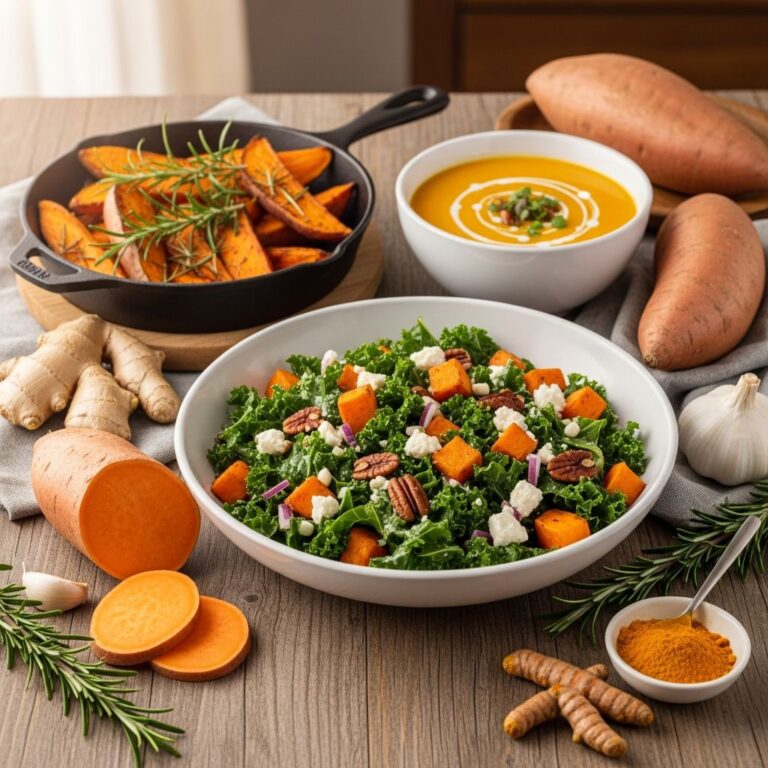
11. Sweet Potatoes
Baked sweet potato (4g fiber) with skin provides resistant starch that feeds colon bacteria. Season with cinnamon instead of sugar.
12. Coffee
Caffeine stimulates colonic contractions within 30 minutes for 30% of people. Add collagen peptides for gut repair.
Sample High-Fiber Breakfast Meal Plans
| Meal | Fiber (g) | Calories |
|---|---|---|
| Oatmeal + berries + chia | 14 | 350 |
| Greek yogurt parfait + kiwi | 10 | 280 |
| Avocado toast + prunes | 12 | 320 |
Frequently Asked Questions (FAQs)
What’s the best breakfast for constipation?
Oatmeal with prunes, chia seeds, and berries provides soluble/insoluble fiber, sorbitol, and hydration for optimal results.
How quickly do these foods work?
Most people notice effects within 12-72 hours of consistent intake. Prunes and coffee work fastest (4-8 hours).
Can I eat these if I have IBS?
Start low and slow, especially with sorbitol-rich prunes or FODMAP fruits. Ground flax and small yogurt portions usually tolerate well.
What’s more effective: food or supplements?
Whole foods provide synergistic nutrients and are safer long-term. A 2023 Nutrients review found food-based fiber superior to isolated supplements.
Additional Tips for Optimal Digestion
- Drink 16 oz water with breakfast
- Walk 10 minutes post-meal
- Chew thoroughly (20x per bite)
- Establish morning bathroom routine
In summary, strategic breakfast choices can transform your digestive health. Consistency over 2-4 weeks yields the best results. Consult a doctor if constipation persists beyond 3 weeks or includes pain/blood.
References
- National Health Interview Survey: Constipation Prevalence — CDC/NCHS. 2022. https://www.cdc.gov/nchs/data/nhsr/nhsr190.pdf
- Effects of oat β-glucan on fecal characteristics — Journal of Nutrition. 2015-04-01. https://doi.org/10.3945/jn.114.208397
- Dried plums better than psyllium for constipation — Journal of Medicinal Food. 2014-09-22. https://doi.org/10.1089/jmf.2013.0095
- Probiotics and gut transit time meta-analysis — World Journal of Gastroenterology. 2019-03-21. https://doi.org/10.3748/wjg.v25.i11.1412
- Dietary Guidelines for Americans 2020-2025: Fiber — USDA/HHS. 2020-12-01. https://www.dietaryguidelines.gov/sites/default/files/2020-12/Dietary_Guidelines_for_Americans_2020-2025.pdf
- Kiwi fruit for constipation relief — Asia Pacific Journal of Clinical Nutrition. 2018. https://doi.org/10.6133/apjcn.201803_27.S1.12
Similar Articles








Read full bio of Sneha Tete