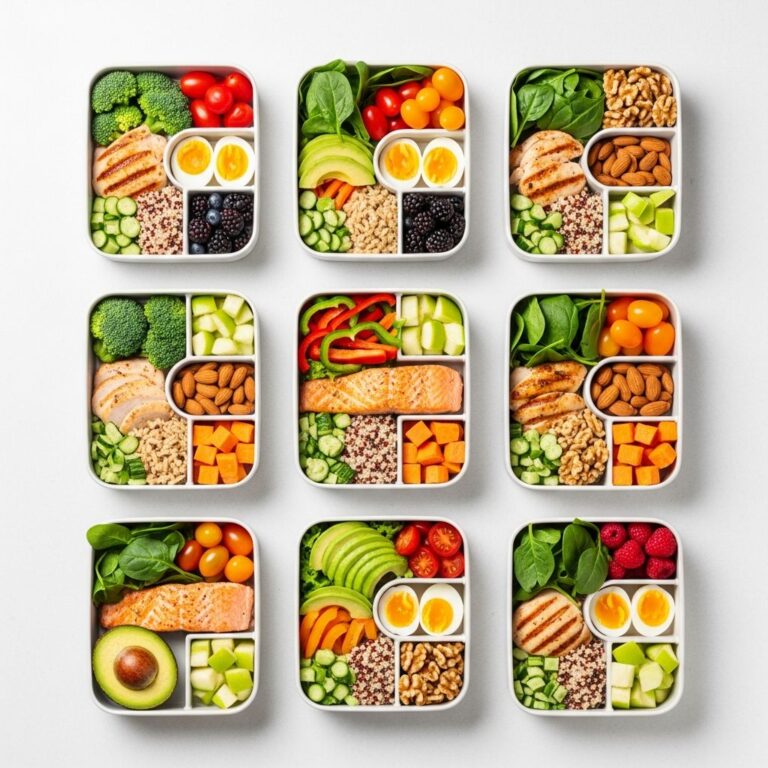
Breakfast For Children: 5 Quick, Healthy Ideas To Start The Day
Essential nutrition guide for children's development and academic success through balanced breakfast choices.

Breakfast: Key to Growing Healthy
Breakfast is widely recognized as one of the most important meals of the day, particularly for children who are in critical growth and development stages. Studies consistently demonstrate that children who eat a nutritious breakfast every morning experience significant advantages in academic performance, physical health, and behavioral outcomes. Whether your children eat breakfast at home or at school, ensuring they consume a healthy, balanced morning meal is fundamental to supporting their overall development and setting them up for success throughout the day.
The Critical Importance of Breakfast for Children
Research has established compelling evidence that breakfast consumption directly impacts children’s school performance and daily functioning. Studies show that breakfast eaters tend to have higher school attendance, less tardiness and fewer hunger-induced stomach aches in the morning. Children who consume breakfast demonstrate higher overall test scores, concentrate better in class, solve problems more easily and exhibit better muscle coordination.
The benefits extend beyond the classroom. Children who eat breakfast are more likely to maintain a healthy weight and receive adequate calcium intake, which is essential during their growing years. Additionally, eating breakfast has been shown to improve brain function and learning capacity, with particular benefits to memory and attention span.
Despite these well-documented benefits, research indicates that 12 to 34 percent of school-age children regularly skip breakfast. This concerning trend suggests that many families may lack awareness about breakfast’s importance or face barriers to consistent morning meal consumption.
Academic and Behavioral Benefits
The connection between breakfast consumption and academic success is particularly significant. Research suggests that kids who eat breakfast regularly tend to be more alert in school and therefore are able to learn better. Children who eat breakfast demonstrate improved behavior in school settings and are less likely to be tardy and get along better with their peers than those who do not.
Schools that provide breakfast in the classroom to all students have shown measurable improvements, including decreases in tardiness and suspensions, as well as improved student behavior and attentiveness. These findings underscore breakfast’s role not just in individual student success, but in creating a more positive school environment overall.
The cognitive benefits are substantial. Eating breakfast can help improve test scores as well as memory and attention span. These improvements are particularly pronounced in children who may be undernourished, making breakfast especially critical for vulnerable populations.
Weight Management and Nutritional Benefits
Children who eat breakfast on a regular basis are more likely to maintain a healthy weight. This paradoxical finding—that eating breakfast helps prevent weight gain—is explained by breakfast’s ability to stabilize blood sugar levels and reduce mid-morning hunger. To help avoid the mid-morning munchies, a protein- and fiber-rich breakfast will better balance blood sugar levels.
Furthermore, breakfast consumption is directly linked to improved daily nutritional intake. Breakfast eaters consumed lower overall daily levels of added sugar and higher levels of fibre, folate, iron, vitamin C, vitamin A and calcium. Those who eat a healthy breakfast tend to make healthier choices throughout the day and avoid overeating from mid-day hunger pains.
Related Stories



The nutritional advantages of breakfast consumers extend across multiple micronutrients. Research shows that breakfast consumers, particularly those who eat ready-to-eat cereal breakfasts, had higher intakes of fibre, several vitamins and minerals, and among children, lower intakes of fat. The Healthy Eating Index was higher among breakfast consumers compared to non-consumers for both children and adults.
Building a Balanced Breakfast: Quick and Easy Options
Creating nutritious breakfast meals doesn’t require extensive preparation or complicated recipes. Start your child’s day in a healthful direction with a balanced breakfast that incorporates a variety of nutrient-dense foods. The key is combining foods from different groups to provide comprehensive nutrition that supports energy, growth, and development.
Children should fuel their mornings with food from different food groups. Grains made with whole-grain flours such as whole-wheat flakes, whole-wheat bread or whole-grain waffles contain carbohydrates for energy and provide dietary fiber, as do fruits and vegetables. Including protein foods such as eggs or Canadian bacon or low-fat cottage cheese from the dairy group can help keep them full until lunch.
Sample Quick Breakfast Ideas
- Peanut butter spread on whole-grain toast
- Grits and eggs
- Porridge with ginger and cinnamon
- Oyster omelet
- Whole-grain cereals, waffles, tortillas, bread or English muffins
Essential Breakfast Foods and Ingredients
To support healthy breakfast choices, it’s important to stock your kitchen with nutrient-dense options that appeal to children and can be quickly assembled. Having these foods readily available removes barriers to consistent breakfast consumption.
Protein Sources
- Eggs (hard-boiled or cooked in various ways)
- Peanut butter
- Low-fat or fat-free yogurt
- Cottage cheese
- Low-fat or fat-free milk or soy milk
- Cheese slices
Whole Grains and Bread Products
- Whole-grain cereals
- Whole-grain bread
- Whole-grain waffles
- English muffins
- Oatmeal and porridge
Fruits and Vegetables
- Variety of sliced fruit such as bananas, strawberries, papaya or passionfruit
- Cooked apples or fruit compote
- Dried fruits such as raisins and dried cranberries
Additional Toppings and Spreads
- Fig or apricot jam
- Olives
- Chopped nuts such as cashews or pistachios
Practical Tips for Busy Families
Many families struggle with breakfast preparation due to time constraints and morning routines. Implementing practical strategies can make healthy breakfast a sustainable part of your family’s daily routine without adding stress to your morning.
Preparing Ahead of Time
- Prepare as much as possible the night before, such as getting utensils ready and having the fruit cut and ready to go
- Stock your kitchen with healthy breakfast options (whole grain cereal, whole grain muffins, yogurt, fruit and vegetables, nuts, eggs, low fat dairy or dairy alternatives and low-fat cheese)
- Set up a breakfast station where children can help themselves to simple options
Involving Children
- Have the children help with breakfast preparation, which increases their investment in eating it
- Allow children to choose from prepared options to encourage consumption
- Make breakfast preparation a fun family activity rather than a chore
Understanding Barriers to Breakfast Consumption
All households have their reasons for sometimes skipping breakfast. In some cases, getting kids up and out the door on time takes all the energy their parent or caregiver can muster at that hour of the day. Perhaps others may have financial issues that make obtaining nutritious food a challenge. And there may be kids who, like many adults, just find it difficult to eat first thing in the morning.
Recognizing these barriers is the first step toward addressing them. If time is the challenge, preparing breakfast items the night before or choosing quick options can help. If cost is a concern, whole grains, eggs, and seasonal fruits and vegetables are often affordable and nutritious choices. For children who struggle to eat early in the morning, starting with smaller portions or nutrient-dense liquids like milk or yogurt may help ease them into eating.
School Breakfast Programs
For families where home breakfast preparation is difficult, school breakfast programs offer an important safety net. According to the USDA, school breakfasts must meet the applicable recommendations of the Dietary Guidelines for Americans and are designed to ensure that students enter the classroom well-nourished and ready to learn.
While types of food vary because specific nutritional guidelines must be met, children can expect a milk; 100% juice or fruit and/or vegetable; a grain- or whole grain-based product such as cereal, toast or waffles; and sometimes hot options such as eggs or meat or meat alternative. Schools that provide breakfast in the classroom to all students have shown decreases in tardiness and suspensions, as well as improved student behavior and attentiveness.
Nutritional Guidelines for Breakfast
Choosing breakfast foods that are rich in whole grains, fiber and protein are essential in ensuring a healthy breakfast. A balanced approach incorporates multiple food groups and provides sustained energy throughout the morning.
The most nutritionally complete breakfasts include:
- Whole grains: Providing carbohydrates for energy and fiber for digestive health
- Protein: Supporting growth and maintaining satiety through the morning
- Fruits and vegetables: Delivering essential vitamins, minerals, and additional fiber
- Dairy or alternatives: Ensuring adequate calcium and vitamin D for bone development
Research shows that breakfast consumption was generally associated with higher energy intakes and in turn, with higher intakes of folic and ascorbic acids, fibre, calcium, iron and iodine intakes and lower intakes of total carbohydrates and sodium. This demonstrates that quality matters—a nutritionally balanced breakfast contributes meaningfully to overall daily nutrient intake.
Long-Term Health Benefits
The benefits of establishing regular breakfast habits extend beyond immediate academic and behavioral improvements. Children who develop healthy breakfast practices are more likely to maintain these patterns into adulthood, creating a foundation for lifelong health.
Research indicates that daily breakfast consumption among individuals may decrease the risk of adverse effects related to glucose and insulin metabolism. Furthermore, comprehensive dietary counselling that supports daily breakfast consumption may be helpful in promoting healthy dietary habits throughout the day.
The overall dietary quality of breakfast consumers is notably higher. Breakfast eaters consumed lower overall daily levels of added sugar and higher levels of fibre, folate, iron, vitamin C, vitamin A and calcium compared to breakfast skippers. These differences in nutrient intake can have profound effects on children’s growth, development, and disease prevention.
Frequently Asked Questions
Q: What should I do if my child refuses to eat breakfast?
A: Start small with foods your child enjoys and that can be eaten quickly. Involve your child in selecting breakfast options and preparing simple items. If your child struggles with eating in the morning, try offering nutrient-dense liquids like milk, smoothies, or yogurt. Consider whether they are getting enough sleep, as tiredness can suppress appetite.
Q: Is a quick breakfast better than no breakfast?
A: Yes, absolutely. Even a simple breakfast of whole grain toast with peanut butter or a bowl of cereal with milk provides energy and nutrients that support concentration and learning. The goal is consistency and balance using available time and resources.
Q: How much time does a healthy breakfast really take?
A: Many healthy breakfast options take just 5-10 minutes to prepare or can be assembled from ready-made components. Peanut butter on whole grain bread, yogurt with fruit, or cereal with milk require minimal preparation time.
Q: Can school breakfast replace home breakfast?
A: School breakfast programs provide nutritionally adequate meals that meet USDA guidelines. While they can be a good option, having breakfast available at home as well ensures all children have access to this important meal.
Q: What if my family has limited financial resources?
A: Whole grains, eggs, seasonal fruits and vegetables, and store-brand dairy products are often affordable options. School breakfast programs and community assistance programs can also help ensure children have access to nutritious morning meals.
References
- Breakfast in Human Nutrition: The International Breakfast Research Initiative — National Center for Biotechnology Information (NCBI). 2018. https://pmc.ncbi.nlm.nih.gov/articles/PMC5986439/
- Breakfast: Key to Growing Healthy — Academy of Nutrition and Dietetics. Accessed 2026. https://www.eatright.org/food/planning/meals-and-snacks/breakfast-key-to-growing-healthy
- Healthy breakfast for kids an essential part of the day — U.S. Army, U.S. Department of Defense. Accessed 2026. https://www.army.mil/article/134057/healthy_breakfast_for_kids_an_essential_part_of_the_day
- Breakfast in Schools: Healthy and Nutritious — Academy of Nutrition and Dietetics. Accessed 2026. https://www.eatright.org/food/planning/away-from-home/breakfast-in-schools-healthy-and-nutritious
- Healthful Breakfast Hacks for Busy Parents — Academy of Nutrition and Dietetics. Accessed 2026. https://www.eatrightpro.org/about-us/for-media/press-releases/healthful-breakfast-hacks-for-busy-parents
Similar Articles








Read full bio of medha deb