Best Breakfasts For Weight Loss: 12 Dietitian-Approved Recipes
Discover 12 delicious, nutrient-packed breakfast recipes designed by dietitians to promote satiety and support sustainable weight loss.
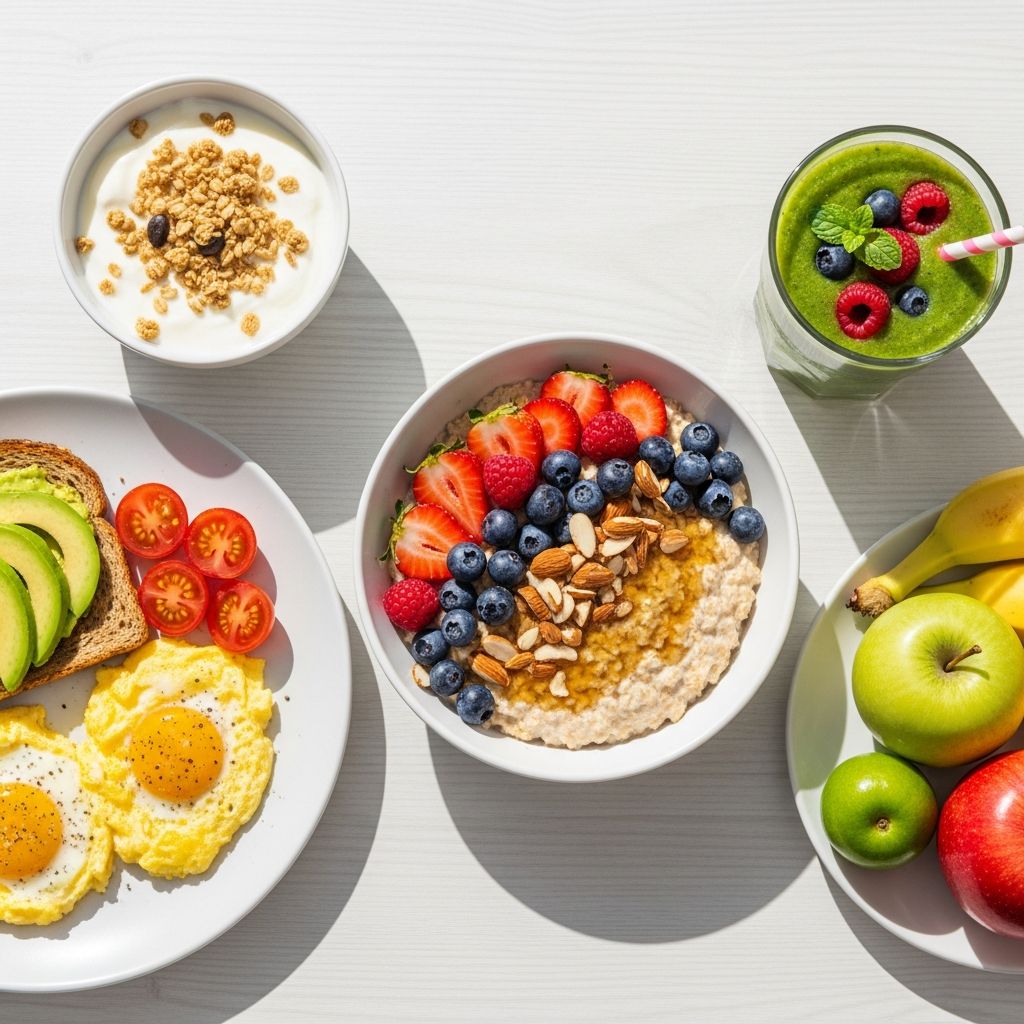
Starting your day with a balanced breakfast can set the tone for healthy eating patterns that support weight loss. Dietitians emphasize meals rich in protein, fiber, and healthy fats to promote satiety, stabilize blood sugar levels, and reduce overall calorie intake throughout the day. These nutrients help prevent mid-morning hunger pangs that often lead to overeating. While observational studies link regular breakfast consumption to lower body weight, a randomized controlled trial found that advising adults to eat or skip breakfast did not significantly impact weight loss outcomes in free-living settings. This suggests that breakfast quality matters more than mere consumption. Below, we feature 12 dietitian-recommended recipes, each under 400 calories, designed for convenience and flavor while aligning with weight management goals.
Why Breakfast Matters for Weight Loss
A nutritious breakfast fuels your metabolism and curbs appetite hormones like ghrelin. High-protein options (20g+ per serving) increase feelings of fullness by up to 30%, according to research from the USDA. Fiber from whole grains, fruits, and veggies slows digestion, preventing blood sugar spikes that trigger cravings. Healthy fats from nuts, avocado, and seeds add satisfaction without excess calories. The American Journal of Clinical Nutrition supports that such balanced meals reduce daily energy intake by 400 calories on average. Prioritize whole foods over processed sugary cereals, which can sabotage efforts by causing energy crashes.
12 Best Breakfasts for Weight Loss
1. Peanut Butter & Chia Jam English Muffin
This quick toast stacks fiber-rich chia jam with protein-packed peanut butter on a whole-grain muffin for lasting fullness. Nutrition (per serving): 306 cal, 12g protein, 8g fiber. Prep time: 10 min.
- Toast 1 whole-grain English muffin.
- Mix 2 tbsp chia seeds, ½ cup mashed strawberries, 1 tbsp water; let sit 5 min for jam.
- Spread 1 tbsp peanut butter and 2 tbsp chia jam on muffin. Top with banana slices.
Chia seeds provide omega-3s and expand in the stomach for enhanced satiety.
2. Spinach & Gouda Omelet
A veggie-packed omelet delivers 28g protein to kickstart muscle repair and hunger control. Nutrition: 240 cal, 28g protein, 3g fiber. Prep: 10 min.
- Whisk 3 eggs with salt/pepper.
- Sauté 2 cups spinach, ¼ cup diced onion in 1 tsp oil.
- Add eggs, 1 oz gouda; fold and cook until set.
Eggs are a top weight-loss food per NIH studies, boosting metabolism via thermogenesis.
3. Baked Banana-Nut Oatmeal Cups
Make-ahead oatmeal cups offer grab-and-go convenience with nuts for crunch and heart-healthy fats. Nutrition: 239 cal, 7g protein, 4g fiber. Prep: 45 min (makes 12).
- Mix 3 cups oats, 1½ cups milk, 2 bananas, ⅓ cup maple syrup, ¼ cup walnuts, 1 tsp cinnamon, 1 tsp baking powder.
- Bake in muffin tin at 350°F for 25-30 min.
Oats’ beta-glucan fiber lowers cholesterol and sustains energy.
4. Broccoli Pesto Frittata
Cruciferous broccoli pairs with eggs and pesto for a savory, nutrient-dense start. Nutrition: 270 cal, 19g protein, 3g fiber. Prep: 30 min.
- Blend 1½ cups broccoli, 1 cup basil, ¼ cup oil, ¼ cup parmesan, garlic for pesto.
- Whisk 8 eggs; pour over veggies in skillet, bake at 400°F for 15 min.
Broccoli’s sulforaphane supports detoxification and anti-inflammatory effects.
5. Berry Parfait
Layered yogurt parfait balances probiotics with antioxidants from berries. Nutrition: 240 cal, 16g protein, 6g fiber. Prep: 5 min.
- Combine 1 cup 0% Greek yogurt, 1 cup berries, 3 tbsp granola, 1 tbsp chia.
- Layer in jar.
Greek yogurt’s casein protein digests slowly for prolonged fullness.
Related Stories



6. Avocado Toast with Egg
Creamy avocado and boiled egg on whole-grain toast provide monounsaturated fats. Nutrition: 350 cal, 15g protein, 10g fiber. Prep: 10 min.
- Mash ½ avocado on 1 slice toast; top with 1 boiled egg, radishes, chili flakes.
Avocado’s fats improve nutrient absorption and satiety signals.
7. Protein-Packed Breakfast Bowl
A customizable bowl with eggs, kale, and sweet potato for balanced macros. Nutrition: 320 cal, 22g protein, 7g fiber. Prep: 20 min.
- Bake ½ sweet potato; sauté 1 cup kale.
- Top with 2 fried eggs, 2 tbsp cottage cheese, salsa.
Sweet potatoes offer complex carbs for steady energy release.
8. Chia Seed Pudding
Overnight pudding thickens with chia for a pudding-like texture. Nutrition: 260 cal, 10g protein, 12g fiber. Prep: 5 min + chill.
- Mix 3 tbsp chia, 1 cup almond milk, ½ banana, vanilla; chill overnight. Top with berries, almonds.
Chia absorbs 10x its weight in water, expanding for fullness.
9. Greek Yogurt with Nuts & Berries
Simple yet powerful: yogurt’s protein with nuts’ crunch. Nutrition: 280 cal, 20g protein, 5g fiber. Prep: 5 min.
- 1 cup Greek yogurt + ¼ cup berries, 2 tbsp almonds, 1 tsp honey.
Nuts reduce hunger hormones per Harvard studies.
10. Egg & Veggie Scramble
Load up on veggies for volume without calories. Nutrition: 250 cal, 18g protein, 4g fiber. Prep: 10 min.
- Scramble 2 eggs with bell peppers, spinach, tomatoes.
Veggies add bulk, aiding portion control.
11. Overnight Oats with Protein
Prep-ahead oats boosted with powder. Nutrition: 300 cal, 25g protein, 8g fiber. Prep: 5 min + chill.
- Mix ½ cup oats, 1 cup milk, 1 scoop protein powder, fruit; chill.
Protein powder enhances muscle preservation during weight loss.
12. Smoothie with Greens
Blend for a portable option. Nutrition: 290 cal, 15g protein, 7g fiber. Prep: 5 min.
- Blend spinach, banana, protein powder, almond milk, peanut butter.
Smoothies allow nutrient density in liquid form.
Nutrition Guidelines for Weight Loss Breakfasts
Aim for 300-400 calories, 20g+ protein, 5g+ fiber. Use the plate method: ½ veggies/fruits, ¼ protein, ¼ whole grains. Limit added sugars to <6 tsp daily per AHA. Track with apps for precision.
| Nutrient | Target per Breakfast | Benefits |
|---|---|---|
| Protein | 20-30g | Increases satiety, preserves muscle |
| Fiber | 5-10g | Slows digestion, stabilizes blood sugar |
| Healthy Fats | 10-15g | Promotes hormone balance, fullness |
| Calories | 300-400 | Fits 1,500-2,000 cal daily deficit |
Frequently Asked Questions (FAQs)
Should you eat breakfast to lose weight?
Quality matters more than eating breakfast itself. A large RCT showed no significant weight loss difference between eating or skipping breakfast in adults trying to lose weight. Focus on nutrient-dense choices.
What’s the best high-protein breakfast for weight loss?
Egg-based dishes like omelets or scrambles provide complete proteins and high satiety at low calories.
Can smoothies help with weight loss?
Yes, if packed with protein and fiber; avoid fruit-only versions that spike sugar.
How many calories should breakfast be for weight loss?
300-400 calories, representing 20-25% of daily intake for a 1,500-2,000 calorie diet.
Are overnight oats good for weight loss?
Absolutely, their soluble fiber promotes fullness; add protein to optimize.
References
- The Effectiveness of Breakfast Recommendations on Weight Loss — Sievert K, et al. American Journal of Clinical Nutrition (NIH/PMC). 2014-07-02. https://pmc.ncbi.nlm.nih.gov/articles/PMC4095657/
- Dietary Guidelines for Americans, 2020-2025 — USDA. 2020-12-01. https://www.dietaryguidelines.gov/
- Protein Intake and Satiety — Leidy HJ, et al. Obesity (PubMed). 2015-09-01. https://pubmed.ncbi.nlm.nih.gov/26239804/
- Fiber and Weight Management — Slavin JL. Nutrition (Elsevier). 2013-03-01. https://pubmed.ncbi.nlm.nih.gov/23609775/
- Effects of Breakfast on Daily Energy Intake — Betts JA, et al. British Journal of Nutrition. 2016-05-28. https://pubmed.ncbi.nlm.nih.gov/26818117/
Similar Articles








Read full bio of Sneha Tete