Breaking Free from Masking: Understand and Overcome It
Discover what masking means for neurodivergent individuals, its hidden costs, and practical steps to embrace your authentic self without fear.
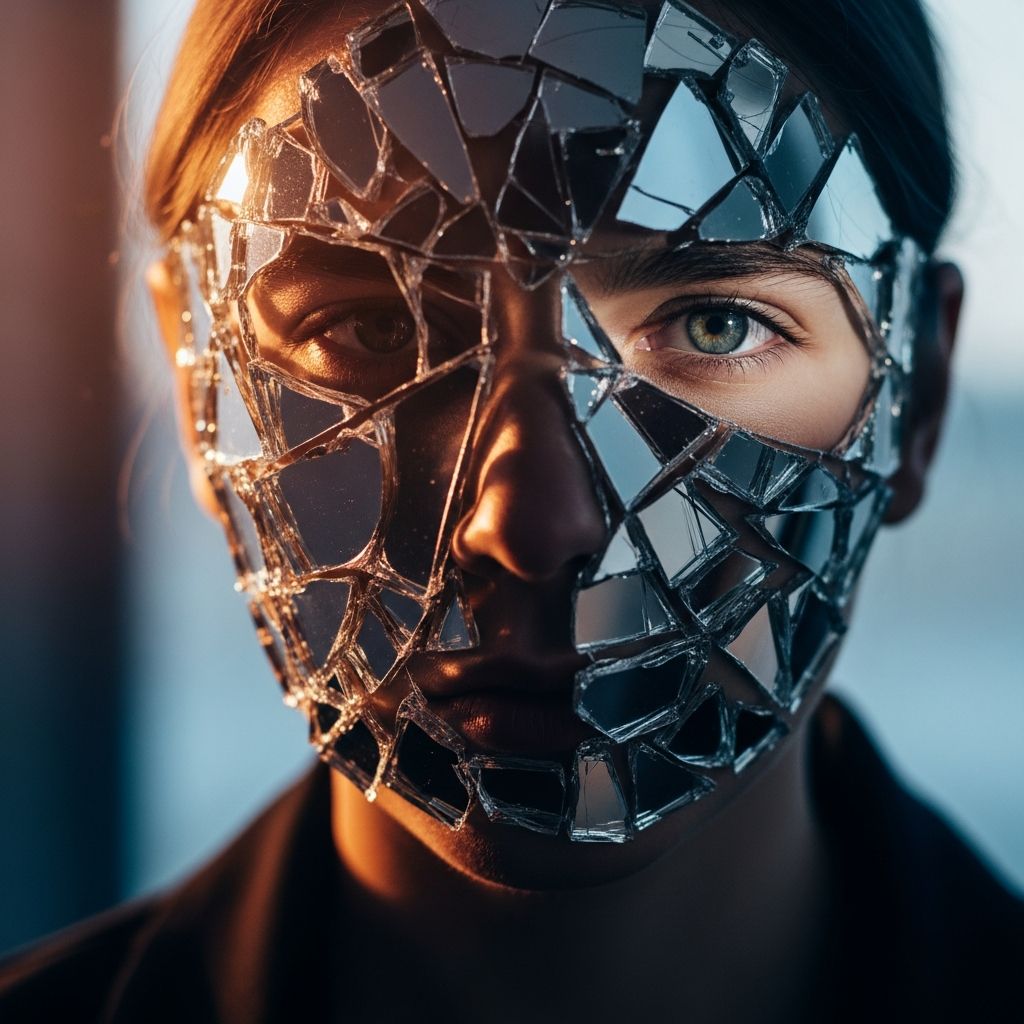
Masking, or camouflaging, is a survival mechanism many neurodivergent people use to hide traits associated with conditions like autism or ADHD, blending into neurotypical social norms. While it offers short-term social acceptance, prolonged masking leads to exhaustion, anxiety, and identity loss. This article breaks down what masking entails, its psychological toll, visible signs, and actionable steps to reduce it while building supportive environments.
What is masking?
**Masking** refers to the conscious or unconscious suppression of neurodivergent traits to conform to socially ‘typical’ expectations in environments dominated by neurotypical behaviors. It is prevalent among individuals with autism spectrum disorder (ASD) or attention deficit hyperactivity disorder (ADHD).
Dr. Mikki Lee Elembaby, a licensed psychologist from Clarity Therapy in New York City, describes masking as “a survival strategy that neurodivergent people often use to navigate a world designed for neurotypical people.” The primary drivers include fear of judgment, misunderstanding, and exclusion. Unlike minor behavioral adjustments neurotypical people make—such as dressing formally for work—neurodivergent masking demands intense cognitive effort, suppressing core self-expression at a high psychological cost.
Masking manifests in various forms:
- Observing and mimicking neurotypical facial expressions, eye contact, or body language.
- Forcing social scripts or rehearsed responses in conversations.
- Hiding sensory sensitivities, like aversion to loud noises or bright lights.
- Suppressing stimming behaviors, such as fidgeting, rocking, or hand-flapping, to appear ‘normal.’
This constant performance drains mental resources, akin to wearing a heavy emotional costume daily. Research indicates that such adaptations can alter brain function under stress, similar to how environmental pressures like restricted breathing impact neural activity, leading to heightened midline brain structure engagement for emotional regulation.
Why do people mask?
Neurodivergent individuals mask primarily to avoid rejection in a society that often stigmatizes differences. Early experiences of bullying, exclusion, or misinterpretation reinforce this behavior from childhood. For instance, autistic children may learn to suppress meltdowns or echolalia to fit in at school, carrying these habits into adulthood.
In professional settings, masking ensures career advancement; an ADHDer might hyperfocus on appearing organized by hiding distractibility. Socially, it prevents alienation—females, often underdiagnosed, master masking more subtly due to societal pressures for ‘ladylike’ conformity.
Underlying fears include:
- Being labeled ‘weird’ or ‘difficult.’
- Losing relationships or opportunities.
- Internalized shame from repeated negative feedback.
Elembaby notes, “Masking stems from a deep need for belonging, but it creates a disconnect from one’s true identity.” Over time, this can parallel physiological stresses on the brain, where sustained adaptation leads to changes in functional connectivity, potentially impairing executive function and emotional processing.
Signs you’re masking
Recognizing masking is the first step to addressing it. Common indicators include:
- Exhaustion after social interactions: ‘Social hangovers’ where recovery takes hours or days due to depleted energy.
- Feeling like an imposter: Sensing you’re performing a role, not being yourself.
- Physical symptoms: Headaches, muscle tension, or gastrointestinal issues from suppressed stress.
- Needing extra processing time: Pausing to script responses, appearing hesitant.
- Rigid social scripts: Conversations feel unnatural or repetitive.
- Suppressed stimming: Fidgeting only when alone.
Related Stories



Behavioral red flags others might notice: avoiding social events, perfectionism to compensate, or sudden shutdowns. These align with neurobiological shifts; studies show increased activity in areas like the precuneus and cingulate gyrus under masking-like stressors, reflecting heightened self-monitoring and emotional suppression.
The effects of masking on mental health
Masking’s toll is profound, contributing to a cycle of deteriorating mental health. Short-term, it spikes anxiety and cortisol levels. Long-term, it fosters:
| Effect | Description | Potential Outcomes |
|---|---|---|
| Burnout | Chronic fatigue from cognitive overload | Autistic burnout, depression |
| Anxiety Disorders | Constant hypervigilance to ‘pass’ as neurotypical | Panic attacks, social phobia |
| Depression | Loss of self-identity and joy | Suicidal ideation (higher risk in autistic adults) |
| Identity Erosion | Forgetting authentic traits | Crisis of ‘Who am I?’ |
| Physical Health Issues | Stress manifests somatically | Insomnia, immune suppression |
Elembaby warns, “Masking does not necessarily protect against social rejection… coupled with long-term masking, it can lead to trauma responses.” Brain imaging reveals parallels: mask-induced dyspnea alters default mode network connectivity, mirroring emotional dysregulation from camouflaging.
Statistics underscore urgency: Autistic adults mask at rates up to 70%, correlating with 4x higher anxiety prevalence. Untreated, it exacerbates conditions like motor neurone disease risks via chronic stress, though indirect.
How to stop masking
Unmasking is gradual, prioritizing safe spaces. Strategies include:
- Self-awareness: Journal triggers and authentic responses. Therapy like CBT adapted for neurodiversity helps unpack habits.
- Select allies: Disclose to trusted people; their acceptance builds confidence.
- Practice micro-unmasking: Stimming briefly in low-stakes settings, scripting less.
- Sensory tools: Noise-cancelling headphones reduce overload, easing masking needs.
- Boundaries: Limit draining interactions; say no without justification.
Elembaby advises, “Start small—unmask in mirrors first, then with pets, then friends.” Mindfulness reduces self-judgment, fostering neural plasticity for authentic patterns over suppressed ones.
Creating supportive environments
Societal shifts amplify individual efforts. Key actions:
- Sensory-friendly spaces: Dim lights, quiet zones minimize overload.
- Flexible policies: Workplaces allowing stimming or remote options.
- Educator training: Recognize masking signs, avoid enforcing neurotypical norms.
- Community building: Neurodivergent groups normalize traits.
“Encouraging environments where neurodivergent people feel safe can diminish masking,” per Elembaby. Research supports this: reduced sensory demands lowers default mode network strain.
Frequently Asked Questions (FAQs)
Q: Is masking only for autistic people?
A: No, it’s common in ADHD, dyslexia, and other neurodivergences, though most studied in autism.
Q: Can masking cause physical brain changes?
A: Chronic stress from masking may alter functional connectivity, similar to environmental stressors affecting neural activity.
Q: How long does unmasking take?
A: Months to years; it’s nonlinear, with setbacks normal.
Q: Is unmasking safe in all situations?
A: Assess risks; selective masking protects in unsafe contexts.
Q: What’s the link to mental health crises?
A: Masking triples depression risk in neurodivergent adults via exhaustion and isolation.
References
- The impact of wearing a KN95 face mask on human brain function — Frontiers in Neurology. 2023-03-02. https://www.frontiersin.org/journals/neurology/articles/10.3389/fneur.2023.1102335/full
- Breaking free from masking: how to understand and overcome it — Patient.info. 2024. https://patient.info/features/brain-nerves/breaking-free-from-masking-how-to-understand-and-overcome-it
- What is Autism Spectrum Disorder? — Patient.info. 2024. https://patient.info/brain-nerves/autistic-spectrum-disorders-leaflet
Similar Articles








Read full bio of medha deb