Breast Abscess: Symptoms, Diagnosis, And Treatment
Understand breast abscess symptoms, causes, treatments, and prevention for quick recovery and breastfeeding support.
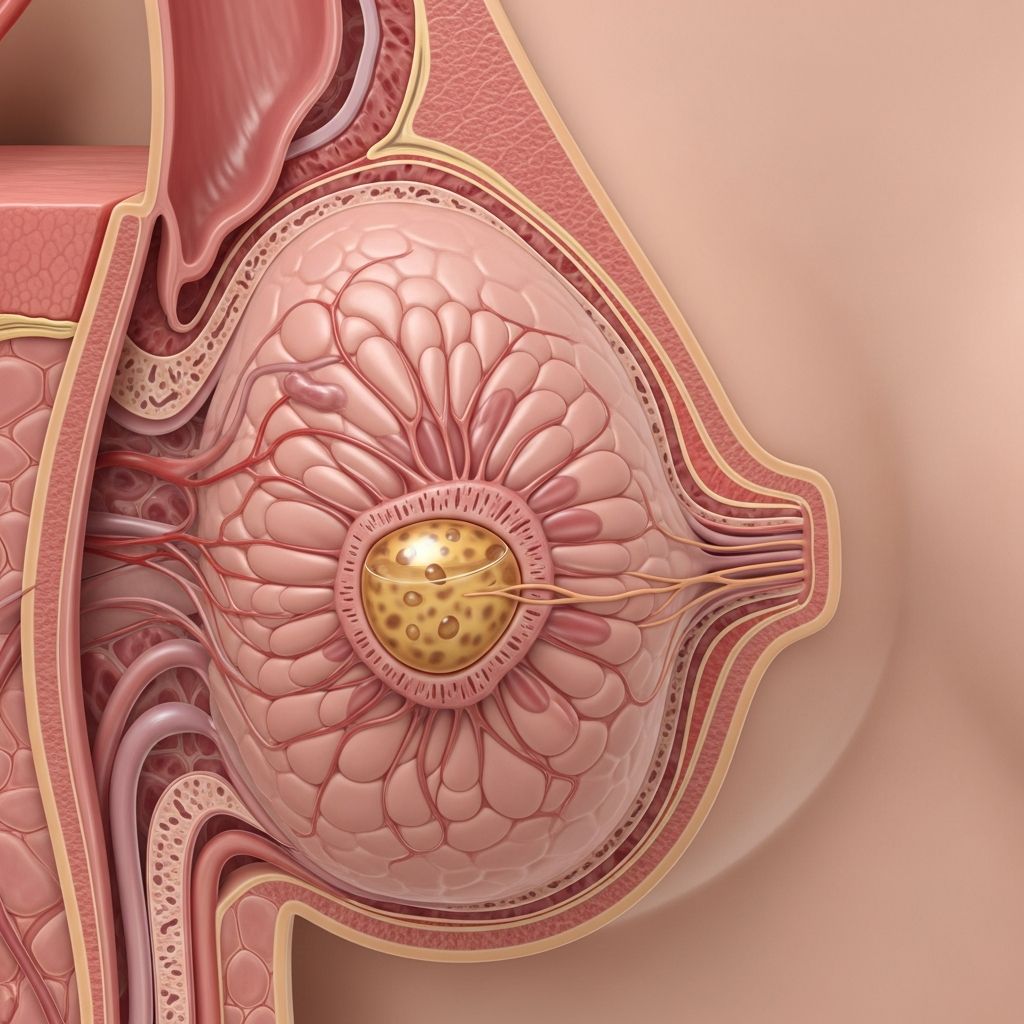
Breast abscesses represent a painful complication often linked to infections in breast tissue, particularly affecting lactating women but possible in anyone. These pus-filled collections require prompt attention to prevent worsening or spread.
Defining Breast Abscess and Its Impact
A breast abscess forms as a localized pocket of pus resulting from bacterial invasion of breast tissue, creating a tender, swollen mass under the skin. Unlike general breast lumps, this condition stems from infection rather than malignancy, though it demands urgent care to alleviate discomfort and avoid systemic issues.
In breastfeeding individuals, abscesses frequently arise 1-4 weeks postpartum, disrupting nursing and causing significant distress. Non-lactating cases, while rarer, link to factors like ductal blockages or skin breaches.
Primary Causes Behind Breast Abscess Formation
Bacterial entry points drive most breast abscesses. Common culprits include Staphylococcus aureus and streptococcal species, with methicillin-resistant strains rising in prevalence. Lactational types often trace to milk stasis allowing bacterial growth, while non-lactational ones involve mixed flora including anaerobes thriving in low-oxygen environments.
- Cracked or sore nipples permitting bacterial ingress during feeding.
- Clogged milk ducts from incomplete emptying or pressure from tight bras.
- Mastitis progression, where untreated inflammation fosters abscess development.
- Ductal changes like squamous metaplasia clogging subareolar ducts, especially in smokers.
Additional risks encompass diabetes, steroid use, HIV, obesity, smoking, nipple piercings, or breast trauma, elevating susceptibility across genders, though male cases remain uncommon.
Recognizing Key Symptoms Early
Early detection hinges on spotting evolving signs. Initial mastitis indicators—breast tenderness, redness, warmth, and flu-like symptoms—can escalate to abscess-specific features if ignored.
| Symptom | Description | Urgency Level |
|---|---|---|
| Painful Lump | Firm, tender mass with throbbing sensation | High – Seek care immediately |
| Swelling & Redness | Localized inflammation, skin warmth | High |
| Fever & Chills | Systemic response over 38.5°C | High |
| Pus Drainage | Leakage from nipple or skin | Critical |
| General Malaise | Fatigue, body aches | Moderate – Monitor closely |
Subareolar abscesses may present chronically with recurrent drainage, differing from acute lactational ones.
Diagnostic Approaches for Confirmation
Healthcare providers start with physical exams noting lump characteristics. Ultrasound confirms fluid-filled pockets, guiding interventions and ruling out other masses.
Needle aspiration not only drains but cultures pus for targeted antibiotics. Blood tests check infection markers, while mammograms suit non-lactating adults over 30 to exclude cancer.
Effective Treatment Strategies
Treatment prioritizes pus evacuation alongside infection control. Small abscesses (<3cm) may respond to ultrasound-guided needle aspiration, repeated as needed, paired with oral antibiotics covering S. aureus.
Larger or persistent cases require incision and drainage under local anesthesia, often outpatient. Post-procedure, warm compresses, NSAIDs like ibuprofen, and full antibiotic courses aid healing.
- Antibiotics: Broad-spectrum initially, narrowed by culture results; complete full course.
- Pain Management: Acetaminophen or ibuprofen; avoid aspirin in children.
- Supportive Care: Frequent nursing or pumping to clear ducts, proper latching.
- Surgical Options: For recurrent subareolar types, duct excision prevents relapse.
Healing typically spans days to weeks; follow-ups ensure resolution.
Related Stories



Prevention Tactics for Breast Health
Proactive steps slash risks, especially for new mothers. Maintain hygiene, ensure correct latch to prevent nipple cracks, and feed on demand avoiding engorgement.
Wear supportive, non-restrictive bras; apply lanolin to nipples. Treat mastitis swiftly with rest, hydration, and prescribed antibiotics. Smokers should quit, as tobacco heightens subareolar risks.
Special Considerations During Breastfeeding
Abscesses rarely contraindicate nursing from the affected breast post-treatment, but consult providers. Continue feeding to drain milk, using positions easing lump access. Pump if too painful, discarding milk only if antibiotics deem it unsafe.
Partners or caregivers support recovery through household help, emphasizing emotional care amid physical strain.
Potential Complications and When to Escalate
Untreated abscesses risk sepsis, chronic fistulas, or recurrence. Monitor for worsening fever, spreading redness, or failed symptom relief post-treatment.
Seek emergency care for high fevers, rapid swelling, or pus despite antibiotics. Recurrent cases warrant specialist referral for underlying issues like ductal anomalies.
Living with Recurrent or Chronic Abscesses
Non-lactational, subareolar abscesses often recur, linked to smoking or ductal pathology. Long-term management includes smoking cessation, hygiene, and possible surgical duct clearance.
Diabetes control and immune support reduce flares in at-risk individuals.
FAQs on Breast Abscess Management
Can I breastfeed with a breast abscess?
Yes, often from the affected side post-drainage, unless advised otherwise. Continue to promote milk flow.
How long does recovery take?
Most heal in 1-2 weeks with treatment; full resolution may extend to a month.
Is a breast abscess cancerous?
No, it’s infectious and benign, but imaging confirms.
What home remedies help before seeing a doctor?
Warm compresses and pain relievers; avoid delaying professional care.
Do antibiotics alone cure it?
Often insufficient without drainage for established abscesses.
Empowering Breast Health Awareness
Knowledge equips individuals to act swiftly against breast abscesses, safeguarding well-being particularly during lactation. Routine self-exams, prompt symptom reporting, and healthy lifestyles form the cornerstone of prevention.
References
- Breast Abscess: Causes, Prevention, and Treatment — Ezra. 2023. https://ezra.com/blog/what-is-a-breast-abscess
- Breast Abscess Treatment — Tucson Breast Health Specialists. 2023. https://tucsonbreasthealth.com/education-information/benign-breast-concerns/breast-abscess/
- Breast abscess: Symptoms, causes, and treatment — Medical News Today. 2023. https://www.medicalnewstoday.com/articles/breast-abscess
- Breast abscess — NHS. 2023-06-14. https://www.nhs.uk/conditions/breast-abscess/
- Breast Abscess — Anaheim Surgical Associates. 2023. https://www.anaheimsurgical.com/breast-abscess.php
- Breast Abscess – StatPearls — NCBI Bookshelf. 2023. https://www.ncbi.nlm.nih.gov/books/NBK459122/
- Breast Abscess: Care Instructions — My Health Alberta. 2023. https://myhealth.alberta.ca/Health/aftercareinformation/pages/conditions.aspx?hwid=uh2663
Similar Articles








Read full bio of medha deb