Breast Augmentation: What It Is, Types, Surgery & Recovery
Complete guide to breast augmentation surgery, implant options, procedures, and recovery timeline.
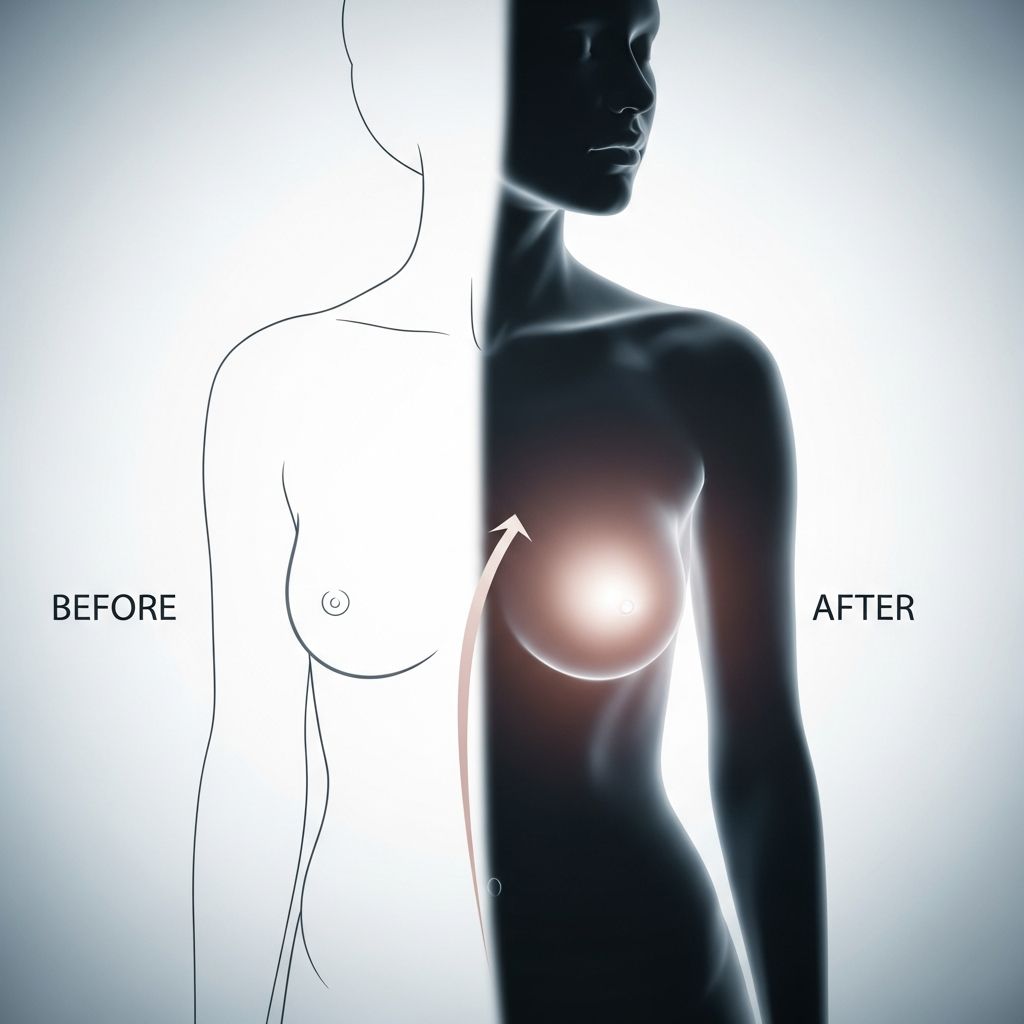
Breast augmentation, also known as augmentation mammoplasty, is one of the most popular cosmetic surgical procedures performed today. This procedure involves using breast implants or your own fat to enlarge and enhance the shape of your breasts. Whether you’re looking to increase your cup size, restore lost volume, or improve the overall appearance of your breasts, breast augmentation offers customizable solutions tailored to your individual goals and body type.
What is Breast Augmentation?
Breast augmentation is a common surgical procedure that increases the size and shape of your breasts through various surgical techniques. The procedure is designed to enhance your appearance and boost your confidence by creating fuller, more proportionate breasts. As a cosmetic procedure, breast augmentation is typically not covered by insurance unless it is performed for reconstructive purposes following an injury or medical condition.
The decision to undergo breast augmentation is deeply personal. Many women choose this procedure to address concerns about their natural breast size, correct asymmetry between breasts, restore volume lost due to pregnancy or weight loss, or simply to achieve their desired aesthetic appearance.
Types of Breast Implants
When considering breast augmentation, understanding the different implant options available is crucial to making an informed decision. There are two primary types of breast implants used in augmentation procedures:
Saline Implants
Saline implants are silicone shells filled with sterile salt water. These implants offer several advantages, including a smaller incision size during insertion and a generally lower cost compared to silicone alternatives. If a saline implant ruptures, the salt water is safely absorbed by your body, and the deflation is immediately noticeable. This allows you to seek medical attention promptly. Saline implants may feel slightly less natural than silicone implants, though modern advancements have improved the feel and appearance significantly.
Silicone Implants
Silicone implants consist of silicone shells filled with silicone gel. Many patients prefer silicone implants because they tend to feel and look more natural compared to saline alternatives. The gel inside closely mimics the texture of natural breast tissue. If a silicone implant ruptures, the gel may remain contained within the implant shell or leak into the breast tissue. Silicone implants require regular monitoring through physical exams and imaging studies to detect any potential ruptures.
Implant Placement Options
Beyond choosing the type of implant, your surgeon will work with you to determine the optimal placement for your specific anatomy and aesthetic goals. There are two primary placement options:
Sub-Glandular Placement (Over the Muscle)
In this approach, the implant is placed directly behind your breast tissue but in front of your chest muscle. This placement technique typically requires a smaller incision and allows for faster recovery in some cases. Sub-glandular placement may be recommended if you have adequate breast tissue and desire a more dramatic enhancement. However, this placement may result in more visible rippling or wrinkling of the implant shell, and the implants may be more palpable.
Related Stories



Sub-Pectoral Placement (Under the Muscle)
With sub-pectoral placement, the implant is positioned beneath your chest muscle. This placement offers several benefits, including a more natural appearance and feel, reduced risk of capsular contracture (scar tissue formation), and better mammography imaging for breast cancer screening. The muscle provides additional coverage, which can be particularly beneficial if you have minimal natural breast tissue. Recovery may take slightly longer with this placement due to the muscle manipulation involved.
Your surgeon will evaluate your individual anatomy, skin elasticity, existing breast tissue, and personal preferences to recommend the most appropriate placement option for achieving your desired results.
Surgical Techniques and Incision Options
Breast augmentation can be performed using several different incision approaches, each with specific advantages and considerations. Your surgeon will discuss these options during your consultation to determine which technique best suits your needs:
Inframammary Incision
The inframammary incision is made in the lower crease of the breast where the breast naturally meets the chest wall. This is one of the most commonly used incision techniques because it provides excellent visibility and access for the surgeon to create a precise pocket for implant placement. The incision naturally hides within the breast crease, making any resulting scarring inconspicuous. This approach is particularly suitable for patients who desire maximum control over implant placement.
Periareolar Incision
The periareolar incision is made around the lower portion of the areola, the darker-colored skin surrounding the nipple. This technique allows the surgeon good access to the breast pocket while keeping the incision in an area where scarring can blend naturally with the pigmentation changes of the areola. Some patients appreciate this approach because the incision is on the breast itself. However, there is a slightly higher risk of nipple sensation changes with this technique compared to other incision methods.
Transaxillary Incision
The transaxillary incision is made in the armpit area, which means there is no visible scarring on the breast itself. This approach appeals to many patients who are concerned about breast scarring. Some breast enlargements can be performed in a minimally invasive manner using endoscopes and small incisions made in the armpit, with the major benefit being significantly less scarring for the patient. However, this technique requires specialized training and may limit the surgeon’s visibility during implant placement compared to other incision methods.
The Breast Augmentation Procedure
Before Surgery
Before your breast augmentation procedure, you will meet with your surgeon for a comprehensive consultation. During this appointment, your surgeon will review your medical history, perform a physical examination, and discuss your aesthetic goals and expectations. This is an opportunity to ask questions about the procedure, recovery timeline, potential risks, and what results you can realistically expect based on your anatomy. Your surgeon will also show you before and after photographs of previous patients to help you visualize potential outcomes.
The Surgical Procedure
Breast augmentation is typically performed under general anesthesia in an outpatient surgical setting. The entire procedure usually takes approximately one to two hours from start to finish. Here’s what to expect during the surgery:
Your surgeon begins by making the chosen incision in an inconspicuous location to minimize visible scarring. Through this incision, the plastic surgeon creates a precise pocket in which to place the implant. The surgeon carefully considers factors such as muscle coverage, implant size, and your body’s proportions to ensure natural-looking results. Once the pocket is created, the implant is carefully inserted into position. Your surgeon then ensures proper positioning and symmetry before closing the incisions with sutures. The breasts are then dressed with soft bandages, and you will be placed in a surgical bra for support during the initial recovery phase.
Complementary Procedures
Some patients may benefit from combining breast augmentation with other procedures. For example, if you have sagging breasts in addition to desiring increased volume, your surgeon may recommend combining breast augmentation with a breast lift (mastopexy augmentation). A breast lift removes excess skin and tightens the surrounding tissue to raise and firm the breasts, while the implant adds volume. This combined approach ensures that your breasts are both larger and positioned at a youthful, appealing height on your chest.
Recovery Timeline
Immediate Post-Operative Period
Following your breast augmentation surgery, you will be monitored in the recovery area as the anesthesia wears off. You may experience some grogginess, and a responsible adult must drive you home as you cannot operate a vehicle for at least 24 hours after general anesthesia. You will receive detailed post-operative instructions and may be prescribed pain medication to manage any discomfort during the initial recovery phase.
First Week
During the first week after surgery, it’s important to follow your surgeon’s instructions carefully. Rest is essential, and you should avoid strenuous activities. You will likely wear a surgical bra or compression garment to support your breasts and reduce swelling. Some swelling and bruising are normal and typically peak around 48 to 72 hours after surgery. Most patients can return to light activities and work within one week, depending on the nature of their job.
Weeks Two Through Six
As you progress through the second to sixth weeks of recovery, swelling gradually decreases, and you will begin to see the initial results of your procedure. You can gradually increase your activity level, though you should continue to avoid heavy lifting, intense exercise, and contact sports. Your surgeon will provide specific guidelines about when you can resume different activities.
Long-Term Recovery
Most patients can return to regular exercise and intense physical activities after six to eight weeks, though this timeline may vary based on your individual healing process and your surgeon’s recommendations. The final appearance of your breasts continues to improve over several months as swelling completely resolves and the implants settle into their final position. Final results are typically apparent around three to six months after surgery.
Potential Risks and Complications
Like any surgical procedure, breast augmentation carries some potential risks and complications. These may include infection, bleeding, changes in nipple sensation, capsular contracture (scar tissue tightening around the implant), implant rupture, and asymmetry. However, serious complications are relatively rare when the procedure is performed by an experienced, qualified surgeon. Your surgeon will discuss these risks in detail during your consultation and explain how they take precautions to minimize complications.
Results and Expectations
The results of breast augmentation are long-lasting and generally permanent, though implants may eventually need to be replaced. Most patients achieve their desired increase in breast size and improved breast shape and contour. Results look natural when performed by an experienced surgeon who carefully considers your body proportions and aesthetic goals. Many patients report improved confidence and satisfaction with their appearance following the procedure.
Cost Considerations
The cost of breast augmentation can vary significantly depending on several factors, including the surgeon’s experience and credentials, the geographic location of the surgery center, the type of implants chosen, and the complexity of your specific case. On average, breast augmentation costs typically range from $3,900 to $6,000 or more, though prices vary significantly from center to center. It’s important to understand that cosmetic breast augmentation is typically not covered by insurance, as it is considered an elective procedure. During your consultation, your surgeon’s office will provide you with a detailed cost estimate for your specific procedure.
Choosing the Right Surgeon
When considering breast augmentation, selecting a qualified and experienced surgeon is one of the most important decisions you will make. Look for a surgeon who is board-certified in plastic surgery and has extensive experience performing breast augmentation procedures. Ask your surgeon how many procedures they have performed and request to view before and after photographs of their work. Don’t hesitate to ask about their training, credentials, and complication rates. You should feel comfortable with your surgeon and confident in their ability to achieve your desired results.
Frequently Asked Questions
Q: How long do breast implants last?
A: Breast implants are not considered lifetime devices. While they may last for many years, some implants may need to be replaced due to rupture, deflation, or personal preference. Regular monitoring and follow-up appointments help ensure the longevity and safety of your implants.
Q: Will breast augmentation affect my ability to breastfeed?
A: In most cases, breast augmentation does not significantly affect your ability to breastfeed. However, certain incision techniques or extensive manipulation of breast tissue could potentially impact milk production. Discuss your plans for breastfeeding with your surgeon before the procedure.
Q: Can I exercise after breast augmentation?
A: Yes, you can return to exercise gradually. Most patients can resume light activities within one to two weeks and more intense exercise after six to eight weeks, following your surgeon’s specific recommendations.
Q: Will my breasts feel natural after augmentation?
A: Modern breast implants, particularly silicone gel implants, feel quite natural. Sub-pectoral implant placement also enhances the natural feel of the breasts. Your surgeon will help you choose options that provide the most natural appearance and feel.
Q: Can breast augmentation be reversed?
A: Yes, implants can be removed if you desire. However, removing implants without replacement typically results in some sagging and loss of volume. Your surgeon can discuss options including implant removal alone or removal with a breast lift.
Q: How soon after breast augmentation will I see final results?
A: While initial results are visible immediately after surgery, final results typically become apparent three to six months after the procedure as swelling completely resolves and implants settle into their final position.
References
- Breast Augmentation: What it is, Types, Surgery & Recovery — Cleveland Clinic. Accessed 2025. https://my.clevelandclinic.org/health/treatments/11024-breast-augmentation
- Breast augmentation surgery: Clinical considerations — Cleveland Clinic Journal of Medicine, Vol. 86, No. 2. 2019. https://www.ccjm.org/content/86/2/111
- Breast Augmentation — Cleveland Clinic Cosmetic and Plastic Surgery Center. Accessed 2025. https://my.clevelandclinic.org/cosmetic-plastic-surgery/procedures/breast-augmentation
- Breast Implants: Types, Surgery, Recovery & Risks — Cleveland Clinic. Accessed 2025. https://my.clevelandclinic.org/health/treatments/21724-breast-implants
- Fat Transfer Breast Augmentation: Procedure, Results & Risks — Cleveland Clinic. Accessed 2025. https://my.clevelandclinic.org/health/treatments/24033-fat-transfer-breast-augmentation
Similar Articles








Read full bio of Sneha Tete