Breast-Conserving Surgery: What You Need to Know
Learn about breast-conserving surgery, its benefits, risks, and what to expect before and after the procedure.

What Is Breast-Conserving Surgery?
Breast-conserving surgery, also known as lumpectomy or partial mastectomy, is a surgical procedure designed to remove a cancerous tumor from the breast while preserving as much healthy breast tissue as possible. This approach is often recommended for early-stage breast cancer and is considered a less invasive alternative to a full mastectomy, which involves removing the entire breast.
Types of Breast-Conserving Surgery
- Lumpectomy: Removal of the tumor and a small margin of surrounding healthy tissue.
- Partial Mastectomy: Removal of a larger portion of the breast, including the tumor and a wider margin of healthy tissue.
- Oncoplastic Surgery: Combines cancer removal with plastic surgery techniques to improve cosmetic outcomes.
Who Is a Candidate for Breast-Conserving Surgery?
Breast-conserving surgery is typically recommended for patients with:
- Early-stage breast cancer (Stage I or II)
- Small tumors relative to breast size
- No evidence of cancer spread to multiple areas of the breast
- No contraindications to radiation therapy (which is usually required after surgery)
However, the final decision depends on factors such as tumor size, location, and the patient’s overall health and preferences.
Benefits of Breast-Conserving Surgery
- Preservation of Breast Appearance: Maintains the natural look and feel of the breast.
- Less Invasive: Shorter recovery time compared to mastectomy.
- Psychological Benefits: Many patients report improved self-esteem and body image.
- Comparable Survival Rates: Studies show similar long-term survival rates to mastectomy for early-stage cancer.
Risks and Complications
Like any surgery, breast-conserving surgery carries some risks, including:
- Infection at the surgical site
- Bleeding
- Changes in breast shape or size
- Need for additional surgery if cancer cells are found in the margins
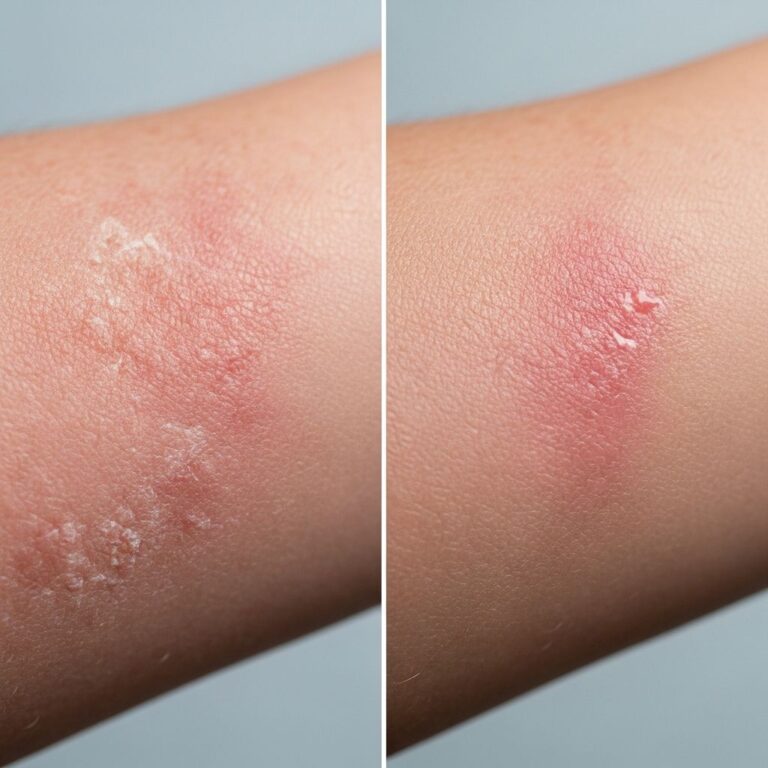
- Side effects from radiation therapy (such as fatigue, skin changes)
What to Expect Before Surgery
Before undergoing breast-conserving surgery, patients typically undergo:
- Imaging tests (mammogram, ultrasound, MRI) to locate the tumor
- Biopsy to confirm the diagnosis
- Discussion with the surgical team about the procedure, risks, and expected outcomes
- Preoperative instructions (e.g., fasting, medication adjustments)
The Surgical Procedure
Breast-conserving surgery is usually performed under general anesthesia. The steps include:
- Incision: The surgeon makes an incision over or near the tumor.
- Tumor Removal: The tumor and a margin of healthy tissue are removed.
- Closure: The incision is closed with sutures or staples.
- Drain Placement: Sometimes, a drain is placed to remove excess fluid.
The procedure typically takes 1–2 hours.
Recovery and Aftercare
After surgery, patients can expect:
- Pain and discomfort, managed with medication
- Swelling and bruising, which usually resolve within a few weeks
- Instructions for wound care and activity restrictions
- Follow-up appointments to monitor healing and discuss further treatment (such as radiation therapy)
Follow-Up Treatments
Most patients who undergo breast-conserving surgery will need additional treatments, including:
Related Stories



- Radiation Therapy: Usually given over several weeks to reduce the risk of cancer recurrence.
- Chemotherapy or Hormone Therapy: Depending on the cancer type and stage.
Comparing Breast-Conserving Surgery and Mastectomy
| Aspect | Breast-Conserving Surgery | Mastectomy |
|---|---|---|
| Extent of Surgery | Removes tumor and margin | Removes entire breast |
| Recovery Time | Shorter | Longer |
| Impact on Breast Appearance | Minimal | Significant |
| Radiation Therapy | Usually required | Sometimes required |
| Survival Rates | Similar for early-stage cancer | Similar for early-stage cancer |
Frequently Asked Questions (FAQs)
Q: Is breast-conserving surgery as effective as mastectomy?
A: For early-stage breast cancer, breast-conserving surgery combined with radiation therapy has similar long-term survival rates to mastectomy.
Q: Will I need radiation therapy after breast-conserving surgery?
A: Yes, most patients require radiation therapy to reduce the risk of cancer recurrence.
Q: Can I have breast reconstruction after breast-conserving surgery?
A: Yes, oncoplastic techniques can be used during or after surgery to improve cosmetic outcomes.
Q: How long does recovery take?
A: Most patients return to normal activities within a few weeks, but full recovery may take several weeks to months.
Q: What are the chances of cancer coming back?
A: The risk of recurrence is low, especially when combined with radiation therapy, but regular follow-up is essential.
References
- Breast-Conserving Surgery — Johns Hopkins Medicine. http://www.hopkinsmedicine.org/health/treatment-tests-and-therapies/breast-conserving-surgery
- Breast Cancer Treatment Options — National Cancer Institute. https://www.cancer.gov/types/breast/patient/breast-treatment-pdq
- Oncoplastic Surgery in Breast Cancer — American Society of Plastic Surgeons. https://www.plasticsurgery.org/news/press-releases/oncoplastic-surgery-in-breast-cancer
Similar Articles








Read full bio of Sneha Tete