Breast Health Facts: Essential Guide For Early Detection
Essential facts about breast anatomy, health risks, self-exams, and cancer prevention to empower your wellness journey.
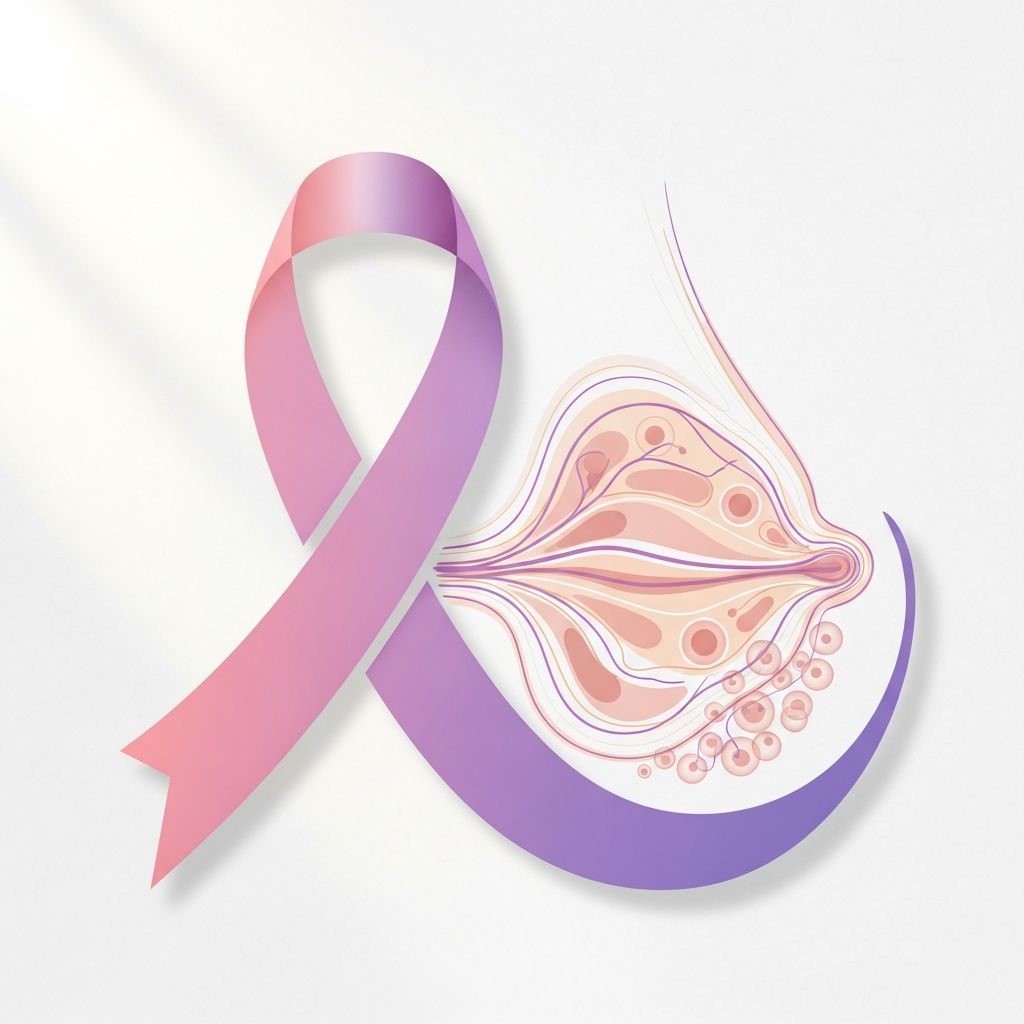
Breasts are complex organs that play essential roles in women’s health, from lactation to hormonal balance. Understanding breast health is crucial for early detection of issues like cancer and maintaining overall wellness. This comprehensive guide covers breast anatomy, common conditions, self-examination techniques, screening guidelines, risk factors, and prevention strategies, drawing from authoritative medical sources.
What Are Breasts Made Of?
Breasts consist of glandular tissue, fat, connective tissue, and blood vessels. The primary components include:
- Glandular tissue: Lobules produce milk, connected by ducts that carry milk to the nipple.
- Fatty tissue: Provides shape and cushioning, varying by age, weight, and hormones.
- Connective tissue: Ligaments (Cooper’s ligaments) maintain structure.
- Lymphatic system: Drains fluid; lymph nodes under the armpit and near the collarbone are key for immune surveillance.
Breasts change throughout life due to puberty, pregnancy, menopause, and hormones. Each breast has 15-20 lobes arranged radially around the nipple. The areola contains Montgomery glands for lubrication during breastfeeding.
Breast Changes Throughout Your Life
Normal breast fluctuations occur due to hormonal shifts:
| Life Stage | Common Changes |
|---|---|
| Puberty | Breast budding, tenderness, uneven growth. |
| Menstrual cycle | Cyclical pain, lumpiness, swelling pre-period. |
| Pregnancy | Enlargement, darkened areola, colostrum production. |
| Menopause | Loss of density, sagging, dryness. |
| Menopause (HRT) | Temporary tenderness or growth. |
These changes are typically benign but warrant monitoring. Consult a doctor for persistent symptoms.
Breast Pain (Mastalgia)
Up to 70% of women experience breast pain, classified as cyclical (hormonal, 60-70%) or non-cyclical (20%). Causes include:
- Hormonal fluctuations
- Fibrocystic changes
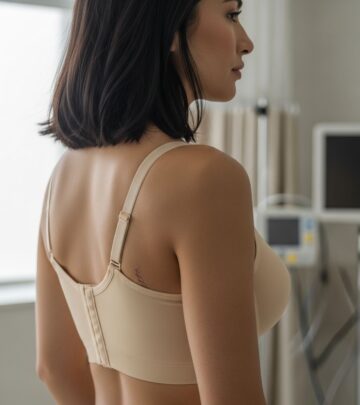
- Ill-fitting bras
- Caffeine (controversial link)
- Medications like HRT or antidepressants
Management: Wear supportive bras, reduce caffeine/salt, apply heat/ice, take NSAIDs. Severe pain may indicate infection, cyst, or abscess—seek medical evaluation.
Lumps and Other Changes to Look For
Most lumps (80-90%) are benign, such as cysts, fibroadenomas, or fat necrosis. Warning signs include:
- New lump or thickening
- Dimpling or puckering skin
- Nipple inversion/discharge (bloody)
- Redness, scaliness, or swelling
- Lymph node swelling
Perform monthly self-exams post-menarche, ideally 7-10 days after period. Use a systematic pattern: circles, lines, or wedges, checking underarm and lying down.
How to Perform a Breast Self-Exam
- In the mirror: Arms at sides, overhead, hands on hips—check for symmetry, dimpling, nipple changes.
- Lying down: Place arm behind head, use opposite hand pads to palpate in circles from outer breast inward.
- In shower: Soapy hands glide easier over skin.
- Report: Any changes to your doctor promptly.
Self-exams complement but do not replace screenings. Evidence shows they increase early detection awareness.1
Who Should Get Screened—and When?
Screening guidelines vary; USPSTF recommends:
- Average risk: Biennial mammograms ages 40-74 (2024 update).2
- High risk (family history, mutations): Start at 40 or 10 years before earliest relative diagnosis, annual MRI + mammogram.
Related Stories



Discuss personal risk with providers. 3D mammography improves detection by 23%.3
Breast Cancer Symptoms
Often asymptomatic early; signs include painless lumps, skin changes (orange peel), nipple retraction/discharge, persistent pain, unexplained swelling. Inflammatory breast cancer appears as red, swollen skin rapidly.
Breast Cancer Stages
| Stage | Description | 5-Year Survival |
|---|---|---|
| 0 (DCIS) | Non-invasive, confined to ducts. | ~100% |
| I | Small invasive tumor (<2cm), no nodes. | 98-100% |
| II | Larger tumor or node involvement. | 90-95% |
| III | Large tumor, extensive nodes. | 70-85% |
| IV | Metastatic. | 27-31% |
Staging guides treatment; early detection dramatically improves prognosis.4
Breast Cancer Risk Factors
Non-modifiable:
- Female sex (99% cases)
- Age >50
- Family history (BRCA1/2 mutations: 55-72% lifetime risk)
- Dense breasts
- Personal history
Modifiable:
- Alcohol (>1 drink/day: 7-10% risk increase)
- Hormone therapy
- Obesity post-menopause
- No children/children late
Breast Cancer Prevention
- Maintain healthy weight
- Limit alcohol
- Exercise 150 min/week
- Breastfeed if possible
- Consider risk-reducing meds/surgery for high risk
Annual screening saves lives; 1 in 8 women diagnosed lifetime, but survival nears 100% when localized.4
Frequently Asked Questions (FAQs)
Can men get breast cancer?
Yes, ~1% cases; symptoms similar. Risk factors: age, family history, Klinefelter syndrome.
Does deodorant cause breast cancer?
No evidence; myths debunked by American Cancer Society.
Is mammogram radiation dangerous?
Low risk; benefit outweighs for screening age. Digital/3D options minimize exposure.
What if I find a lump?
See doctor immediately for ultrasound/mammogram/biopsy. Most benign.
Do underwire bras cause cancer?
No scientific link; fit matters for comfort.
References
- Breast Self-Exam — American Cancer Society. 2023-10-24. https://www.cancer.org/cancer/types/breast-cancer/screening-tests-and-early-detection/breast-self-exam.html
- Breast Cancer: Screening — U.S. Preventive Services Task Force. 2024-04-30. https://www.uspreventiveservicestaskforce.org/uspstf/recommendation/breast-cancer-screening
- Breast Cancer Statistics — National Cancer Institute. 2025-01-10. https://www.cancer.gov/types/breast
- Breast Cancer Facts & Statistics — American Cancer Society. 2025-02-15. https://www.cancer.org/cancer/types/breast-cancer/about/how-common-is-breast-cancer.html
- Breast Cancer Risk Factors — Centers for Disease Control and Prevention. 2024-08-20. https://www.cdc.gov/breast-cancer/risk-factors/index.html
- Mammography Quality Standards Act — FDA. 2024-11-05. https://www.fda.gov/radiation-emitting-products/mammography-quality-standards-act-and-program
Similar Articles








Read full bio of Sneha Tete