Breast Implants And Cancer Screening: What To Know
Essential guide to mammograms, risks, and screening strategies for women with breast implants.
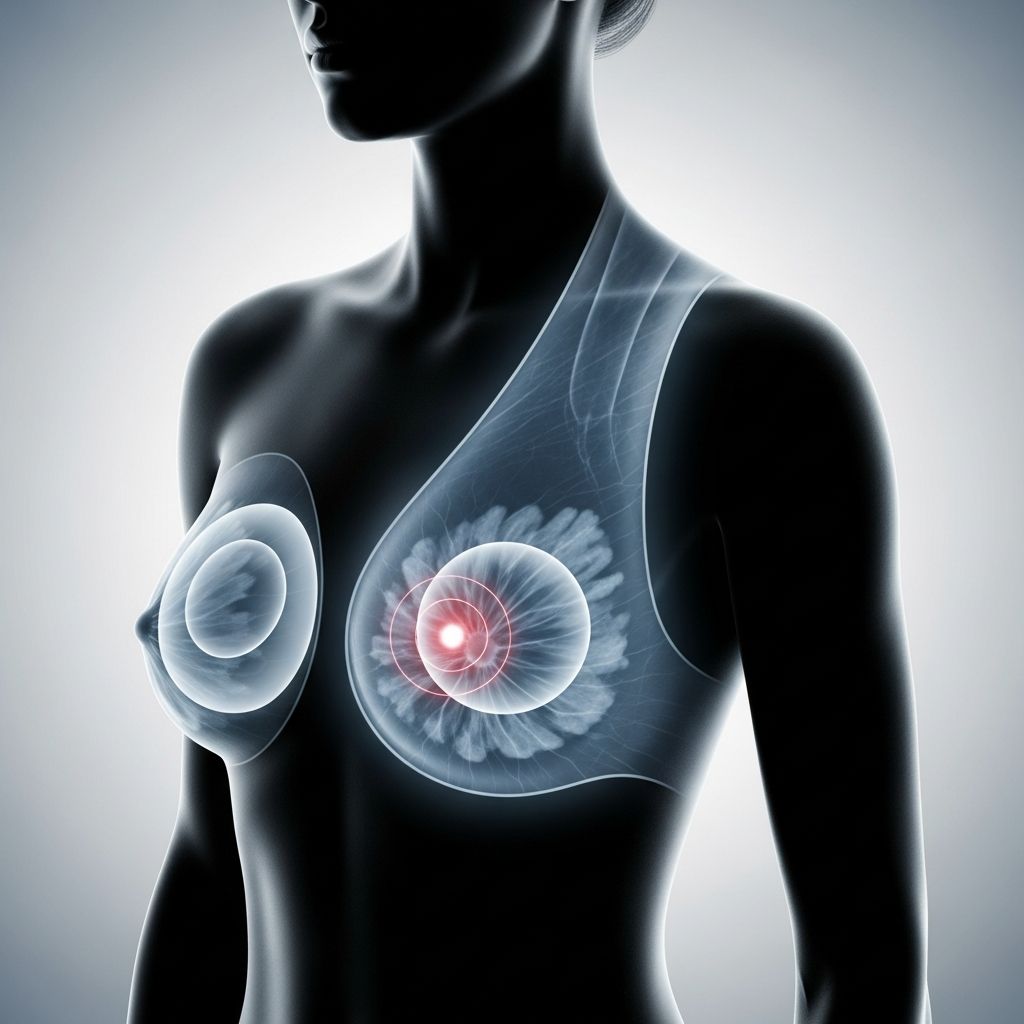
Women with breast implants can and should undergo regular breast cancer screening, primarily through mammograms, following the same guidelines as those without implants—typically annual screenings starting at age 40. Implants may obscure some breast tissue, necessitating special imaging techniques, but they do not increase breast cancer risk and early detection remains crucial.
Do Breast Implants Increase Breast Cancer Risk?
Saline and silicone breast implants, the most common types, are not linked to an increased risk of breast cancer. Primary risk factors include advancing age, BRCA1/BRCA2 gene mutations, family history, prior chest radiation, or rare genetic syndromes like Li-Fraumeni or Cowden syndrome. However, implants are associated with rare cancers such as breast implant-associated anaplastic large cell lymphoma (BIA-ALCL), a non-Hodgkin’s lymphoma occurring in fluid or scar tissue around the implant, and reports of squamous cell carcinoma (SCC) in the capsule.
The FDA emphasizes that while BIA-ALCL risk exists, routine screening protocols do not change due to implants alone; high-risk individuals may start earlier. No evidence supports more frequent screening solely for implants.
Mammogram Guidelines for Women with Breast Implants
Screening recommendations mirror those for all women: annual mammograms from age 40, or earlier (age 30+) for high-risk cases unrelated to implants. Inform the facility about implants beforehand, as special techniques are required.
- Standard protocol: Annual screening regardless of implants.
- High-risk adjustments: Based on genetics, family history, or radiation exposure—not implants.
- No substitute imaging recommended solely for implants; ultrasound may supplement dense breasts.
How Mammograms Work with Breast Implants
Implants, being radiopaque, can obscure tissue, especially near the chest wall, potentially reducing sensitivity. Technicians use displacement views (Eklund technique) to push implants back and image anterior tissue, plus standard views, yielding four images per breast (eight total). This does not rupture implants but requires skilled staff.
Studies show augmented breasts lead to more additional evaluations (4.8% vs. 1.9% for ultrasound-only), highlighting mammography limitations.
| View Type | Description | Purpose |
|---|---|---|
| Standard Views | Two per breast (craniocaudal, mediolateral oblique) | Basic tissue imaging |
| Displacement Views | Two additional per breast (Eklund method) | Displaces implant for clearer tissue view |
Challenges and Limitations of Screening with Implants
Breast augmentation compromises mammography accuracy, increasing recall rates for further tests. In a 2024 study of 912 screened women, 1.43% had implants, with higher additional evaluation needs in combined mammography-ultrasound groups. Dense tissue compounds issues, but MRI for rupture does not replace cancer screening.
Alternatives like diffusion-weighted whole-body MRI or low-compression 3D mammography may improve detection but are not standard.
Rare Risks: BIA-ALCL and Other Implant-Associated Cancers
BIA-ALCL is rare, linked to textured implants, developing in scar tissue. FDA reports also note SCC and lymphomas around implants; monitor for swelling, pain, lumps, or skin changes. No routine implant removal advised; report symptoms and continue screening.
Related Stories



- Symptoms to watch: Persistent swelling, pain, lumps, redness, or capsular contracture changes.
- FDA advice: No screening changes; inform providers of implants.
Additional Screening Options and Recommendations
Ultrasound complements mammography for dense breasts or equivocal findings, not implant-specific. Breast MRI is for high-risk screening or implant integrity, not routine cancer detection. FDA urges following provider imaging instructions, especially post-reconstruction.
Women post-cancer reconstruction with implants follow tailored protocols, but implants do not exclude screening programs.
Preparing for Your Mammogram with Implants
Choose experienced facilities; discuss implant type/placement. Expect longer exams; wear two-piece clothing. Post-mammogram, check for implant issues like rupture (rare).
- Notify staff of implants and surgery details.
- Avoid deodorants/talc.
- Arrive comfortable for positioning.
Frequently Asked Questions (FAQs)
Do breast implants make mammograms less effective?
Implants can obscure tissue, but special displacement views improve visualization; screening remains essential.
Should I get screened more often with implants?
No, follow standard guidelines unless high-risk for other reasons.
Can mammograms rupture breast implants?
Rupture risk is negligible with proper technique.
What is BIA-ALCL?
A rare lymphoma associated with implants, mainly textured; monitor symptoms.
Is ultrasound better than mammogram for implants?
Mammography is primary; ultrasound supplements, especially with dense tissue.
Does implant type matter for screening?
Special views work for saline/silicone; inform techs.
This comprehensive guide ensures women with implants prioritize screening for optimal breast health outcomes.
References
- Do Breast Implants Affect Mammograms? — Houston Methodist. 2022-12. https://www.houstonmethodist.org/blog/articles/2022/dec/do-breast-implants-affect-mammograms/
- Breast cancer screening challenges in women with breast augmentation — NIH/PMC. 2024. https://pmc.ncbi.nlm.nih.gov/articles/PMC12757311/
- What to Know About Breast Implants — FDA. 2023. https://www.fda.gov/consumers/consumer-updates/what-know-about-breast-implants
- Breast Implants: Common Questions and Answers — AAFP. 2021-11-00. https://www.aafp.org/pubs/afp/issues/2021/1100/p500.html
- Mammograms for Women With Breast Implants — Health Images. Accessed 2026. https://www.healthimages.com/mammograms-for-women-with-breast-implants/
- FDA Issues Communication Regarding Breast Implants and Reports of Cancer — Facing Our Risk. 2022-09-08. https://www.facingourrisk.org/privacy-policy-legal/advocacy/fda-issues-new-communication-about-breast-implants-and-cancer-reports
Similar Articles








Read full bio of medha deb