Breast Lumps: Types, Causes, Diagnosis & When to Worry
Understanding breast lumps: Learn about benign and cancerous types, symptoms, and when to seek medical evaluation.
Understanding Breast Lumps: A Comprehensive Guide
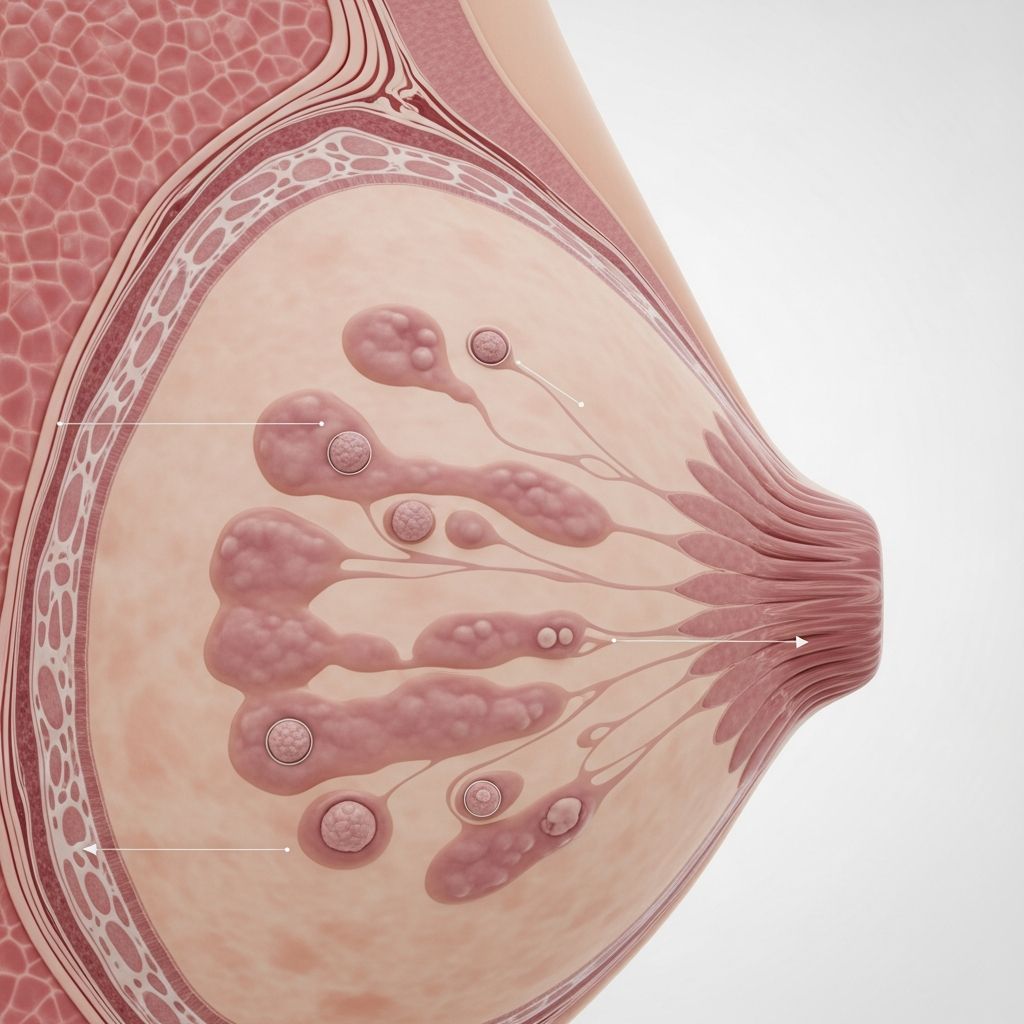
A breast lump is a mass or growth that develops in your breast tissue. While discovering a lump can be concerning, it’s important to know that the vast majority of breast lumps are benign, meaning they are noncancerous. In fact, approximately 8 out of 10 breast lumps are not cancerous. If you feel a lump in your breast or under your arm, try not to panic. A qualified healthcare provider can determine the cause of the breast lump and establish whether you need additional tests or treatment. Familiarizing yourself with how your breasts normally look and feel is an excellent first step in detecting any changes early.
What Do Breast Lumps Feel Like?
Breast lumps can have varied physical characteristics, making them feel different from person to person. Understanding these differences can help you identify abnormalities more effectively.
Texture and Consistency
A breast lump may feel as hard as a rock or squishy like a grape or pea, depending on its underlying cause. Some lumps feel firm but movable, while others may seem fixed in place. The texture can vary significantly based on the type of lump and the condition causing it. Breast lumps can occur in your breast tissue or close to the armpit area. The lump might feel hard or distinctly different from the rest of your breast tissue surrounding it.
Associated Sensations
It’s also common for a lump to feel painful or tender to touch. This sensation isn’t necessarily a sign of a serious problem. The pain associated with a breast lump may come and go with your menstrual period, particularly if the lump is related to hormonal changes. Some women describe their breast lumps as having a rubbery or ropey texture, similar to having a rope under the skin. The size of lumps can range dramatically—from as small as a raisin to as large as a grape or even bigger.
Accompanying Symptoms
Beyond the lump itself, you may experience other breast changes that warrant attention. A lump in your breast can be accompanied by nipple changes, such as your nipple turning inward or releasing a clear or bloody discharge. Any changes in your skin or skin color should also be evaluated, even if you had an updated annual mammogram recently.
Special Considerations During Breastfeeding
Keep in mind that a lump in your breast when breastfeeding can be a symptom of engorgement or a clogged milk duct. You should contact your healthcare provider if this condition doesn’t resolve within a few days. Breast infections are relatively common and can occur in both lactating and non-lactating individuals. They tend to develop rapidly—within days to a week—with pain, redness, and sometimes a lump or area of hardened tissue. Without treatment, they may progress to a breast abscess, which feels hot, hard, and extremely painful.
Common Causes of Breast Lumps
Understanding the various conditions that cause breast lumps can help ease your concerns and provide clarity about when medical attention is necessary.
Benign Breast Conditions
Breast tissue can be naturally bumpy in texture. Some people have naturally lumpier breasts than others. If your breasts feel the same on both sides and the lumpy texture is consistent, it’s probably normal for you. However, lumps that feel harder or distinctly different may warrant professional evaluation.
Fibrocystic Breast Changes
Fibrocystic breast changes represent one of the most common noncancerous breast conditions. These changes can cause the breast tissue to feel lumpy, rubbery, ropey, or uneven. The lumps associated with fibrocystic breasts tend to be firm but can range in size. Importantly, these lumps are movable—you can feel them move under your skin when you push them. Fibrocystic breast changes often fluctuate with your menstrual cycle or other hormonal changes, and most women don’t require treatment beyond monitoring.
Related Stories



Fibroadenomas
Fibroadenomas are common noncancerous breast lumps that feel solid, firm, and smooth. These benign tumors tend to move around easily when you touch them, and they often appear in younger women. Fibroadenomas typically don’t require treatment unless they cause discomfort or cosmetic concerns.
Breast Cysts
Some breast lumps are cysts or fluid-filled sacs in the breast tissue. These are particularly common for women in their 30s and 40s but can form at any age—especially before menstrual periods. Cysts are benign and often resolve without intervention.
Hormonal Changes and Life Stages
Hormonal fluctuations throughout your life can cause breast lumps, tenderness, and nipple discharge. Your breasts may feel lumpy or tender when hormone levels change due to menstruation or menopause. Changes in hormone levels during pregnancy can also cause breast lumps, tenderness, and nipple discharge. Breast changes during pregnancy or breastfeeding are rarely cancerous, but you should always reach out to your healthcare provider when you notice any changes.
Clogged Milk Ducts and Infections
A lump could indicate that you have a clogged milk duct, a condition known as mastitis. Surprisingly, you don’t have to be breastfeeding to experience this condition, and it can happen to all people. Mastitis can be caused by breast implants, autoimmune diseases, eczema, nipple piercing, or tobacco use. Bacterial infections and breast abscesses can also cause inflammation and lumps in your breasts.
When to Seek Medical Evaluation
Healthcare providers view a new breast lump or “breast mass” as abnormal, so the best course of action is to get it checked out by a qualified professional. Any mass or abnormal area that you feel for more than three days should be examined by a healthcare provider. If you find a new lump or notice a change in the lumps you already have, it’s important to contact your healthcare provider promptly.
Red Flags Requiring Immediate Attention
Certain symptoms warrant urgent medical evaluation. A breast abscess feels like a hot, hard, and painful lump—you should seek support from a healthcare provider at the first signs of infection. Additionally, watch for the following warning signs:
- Any new lump, no matter how small
- Changes in skin texture or color
- Nipple inversion or discharge
- Persistent pain in a specific area
- Redness or warmth in the breast tissue
- Skin dimpling or puckering
Breast Lumps and Cancer Risk
While breast lumps are one of the symptoms of breast cancer, it’s crucial to understand that most breast lumps aren’t cancerous. Several other conditions can cause breast lumps, and the presence of a lump alone doesn’t indicate cancer. However, certain characteristics may raise concern.
Characteristics of Concerning Lumps
Although most lumps aren’t cancer, you can’t determine if a lump is something to be worried about just by feeling it with your fingers. Symptoms of cancerous breast lumps vary for everyone, and some people with breast cancer experience no symptoms at all. If you do experience symptoms, they could be vastly different from someone else’s experience. Some warning signs of breast cancer include lumps that are hard, firm, or feel distinctly abnormal compared to surrounding tissue.
Important Considerations
Any changes in your skin or skin color, any lump or bump that’s different needs to be evaluated, even if you had an updated annual mammogram recently. This also includes changes in the nipple, especially if it becomes inverted or has discharge. With breast cancer, not everyone will experience pain, and breast cancers can actually be painful depending on where they occur in the breast, especially if growing quickly.
Diagnosis and Imaging
The evaluation of any breast problem begins with a focused history followed by a breast examination and, when necessary, imaging studies. Although most lumps aren’t cancer, you can’t safely determine if a lump is benign without proper evaluation.
What to Expect During Evaluation
When you visit a healthcare provider about a breast lump, they will perform a thorough examination and may recommend imaging tests such as a mammogram or ultrasound. These imaging techniques allow providers to see what the lump looks like on the inside and help rule out cancer. If the results of the breast examination and imaging suggest a benign cause, no further follow-up may be necessary. However, if there’s discordance between imaging and examination results, or if there’s high clinical suspicion of cancer, your provider may recommend serial follow-up examinations at short intervals, referral to a breast surgeon for excision, or both.
Myths About Breast Lumps and Discharge
Several misconceptions surround breast lumps and related symptoms. Understanding the facts can help you make informed decisions about your health.
Movable vs. Fixed Lumps
Many people believe that movable lumps are always benign while fixed lumps indicate cancer. In reality, lumps can move and still be benign, or they may move slightly even if concerning. The mobility of a lump alone isn’t a reliable indicator of whether it’s cancerous.
Nipple Discharge and Cancer Risk
While nipple discharge can be concerning, most cases are benign. However, bloody or clear discharge that leaks out when you’re not squeezing the breast is more concerning. This type of discharge can be a sign of breast cancer about 10 percent of the time. Even with bloody nipple discharge, the cause is usually a benign condition inside the milk duct.
Prevention and Health Maintenance
Taking preventive measures can help protect your breast health and reduce your overall cancer risk. Eating a healthy diet, stopping smoking, and getting regular screenings are important precautions. Regular self-examination helps you become familiar with your normal breast tissue, making it easier to notice changes. Understanding your baseline breast tissue appearance and texture is one of your best tools for early detection.
Frequently Asked Questions
Q: Are all breast lumps cancerous?
A: No. Approximately 8 out of 10 breast lumps are benign and noncancerous. While any new lump should be evaluated by a healthcare provider, most lumps are caused by benign conditions like cysts, fibroadenomas, or fibrocystic changes.
Q: How long should I wait before seeing a doctor about a breast lump?
A: You should contact your healthcare provider immediately if you notice a new lump or if an existing lump persists for more than three days. Early evaluation is important because if the lump is cancerous, treatment is more successful when started early.
Q: Can breast lumps go away on their own?
A: Some benign breast lumps, particularly those related to hormonal changes or cysts, may decrease in size or disappear over time. However, any new lump should be professionally evaluated rather than simply monitored at home.
Q: What is the difference between a fibroadenoma and a cyst?
A: Fibroadenomas are solid, benign tumors that feel firm and smooth and move easily under the skin. Cysts are fluid-filled sacs that may feel softer or more mobile. Both are benign, and imaging can distinguish between them.
Q: Does breast pain indicate cancer?
A: Breast pain doesn’t necessarily indicate cancer. Most women with breast pain do not have cancer. However, breast pain in one consistent particular spot can be a warning sign and should be evaluated by a healthcare provider.
Q: Should I perform regular breast self-exams?
A: Yes. Familiarizing yourself with how your breasts normally look and feel helps you notice changes early. When doing a self-exam, feel around your breasts for something hard that doesn’t belong there. It may feel like a frozen pea or lima bean, or be smooth and very firm, like a marble.
When to Contact Your Healthcare Provider
It’s always better to be safe than sorry when it comes to your breast health. Contact your provider right away if you notice a breast lump. If it is breast cancer, treatment will be more successful if started early. Don’t put off evaluation of any breast abnormality—any new lump, no matter your sex, needs a mammogram or ultrasound to see what it looks like on the inside. Your healthcare provider can use radiology tests to rule out cancer and establish a proper diagnosis.
Remember that most breast lumps are benign, but every lump deserves professional evaluation. By staying informed about your breast health and maintaining regular communication with your healthcare provider, you take an active role in protecting yourself. Lumps, pain, and other breast abnormalities affect almost all of us at some point, and usually, they aren’t cancer—but getting them checked out is essential for your peace of mind and health.
References
- Breast Lumps: Types, Benign, Moveable, Causes & Diagnosis — Cleveland Clinic. 2024. https://my.clevelandclinic.org/health/symptoms/6906-breast-lumps
- When to Worry About a Breast Lump — Cleveland Clinic Health. 2024. https://health.clevelandclinic.org/when-should-i-be-concerned-about-a-lump-in-my-breast
- Fibrocystic Breasts: Causes, Symptoms, Diagnosis & Treatment — Cleveland Clinic. 2024. https://my.clevelandclinic.org/health/diseases/22080-fibrocystic-breasts
- Breast Fibroadenoma: Symptoms, Treatment & Removal — Cleveland Clinic. 2024. https://my.clevelandclinic.org/health/diseases/15690-fibroadenomas-of-the-breast
- Benign Breast Disease: Types, Noncancerous & Treatment — Cleveland Clinic. 2024. https://my.clevelandclinic.org/health/diseases/6270-benign-breast-disease
- Common Benign Breast Concerns for the Primary Care Physician — Medical Edge from NEJM. 2021. https://mdedge.com/ccjm/article/191818/womens-health/common-benign-breast-concerns-primary-care-physician
- Benign Breast Disease: When to Treat, When to Reassure, When to Refer — Cleveland Clinic Journal of Medicine. 2002. https://www.ccjm.org/content/ccjom/69/5/425.full.pdf
Similar Articles








Read full bio of Sneha Tete