Breast Lumps: 6 Common Types And When To See A Doctor
Discover causes of breast lumps, from benign conditions like cysts to when to seek urgent medical advice for potential cancer risks.
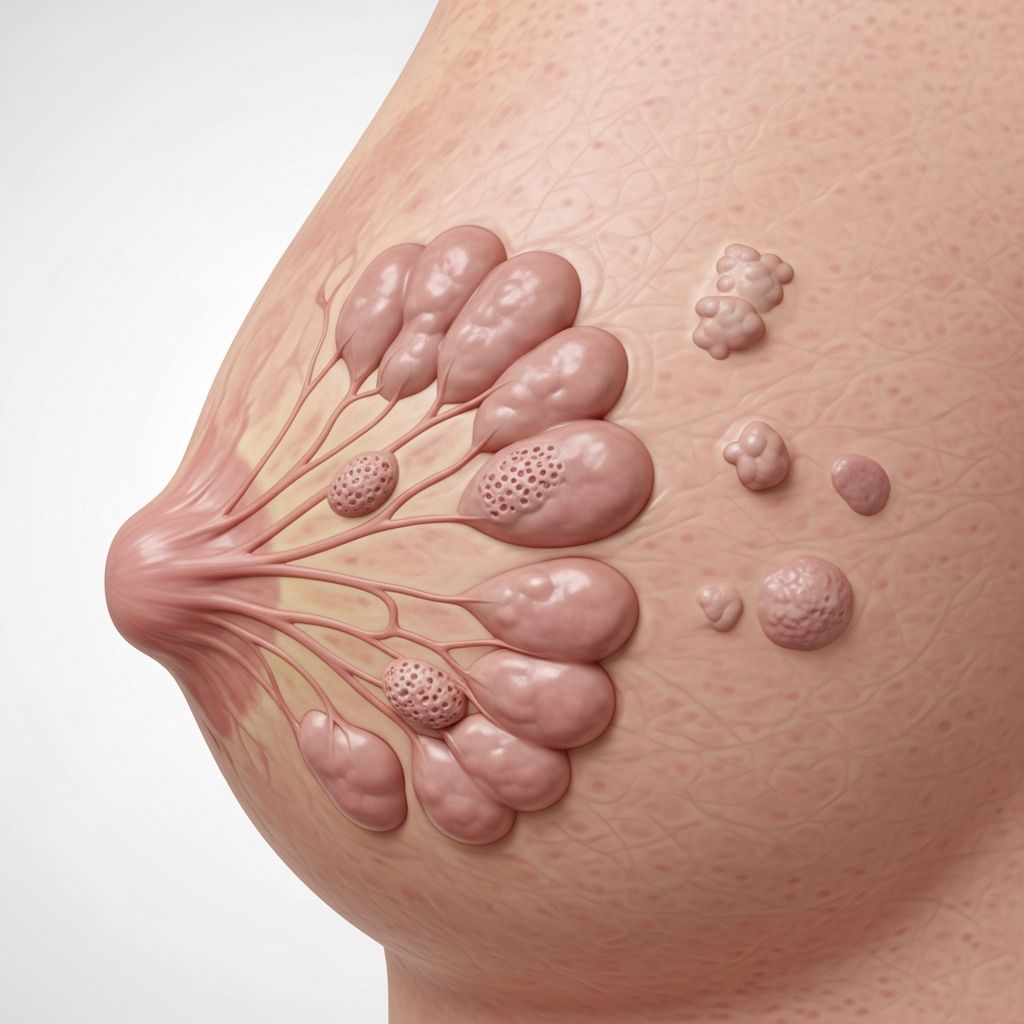
Most breast lumps are benign and not a sign of cancer, but any new lump requires prompt medical evaluation by a GP for assessment and possible referral to a specialist clinic.
What is a breast lump?
A
breast lump
is a distinct mass or thickening felt in the breast tissue, which can vary in size, shape, and texture. These lumps may arise from non-cancerous (benign) growths like cysts filled with fluid, fibroadenomas (solid glandular tissue clumps), infections, or rarely, breast cancer. While the majority—over 90% in younger women—are harmless, discovering one often causes anxiety, making early consultation essential for peace of mind and timely intervention if needed.Breast lumps can feel smooth and soft (like cysts), firm and rubbery (like fibroadenomas), hard and irregular (potentially malignant), or tender if infected. They may be movable under the skin or fixed, painless or painful, and can appear in one or both breasts. Hormonal fluctuations during menstrual cycles can also cause temporary lumpiness, but persistent or new lumps warrant checking.
Breast lump causes
The most common causes of breast lumps include fibroadenomas, breast cysts, infections (e.g., abscesses), fat necrosis, lipomas, and physiological changes. Less commonly, they signal breast cancer. Here’s a breakdown:
- Fibroadenomas: Solid, benign tumors from glandular overgrowth.
- Breast cysts: Fluid-filled sacs, common in 30-50-year-olds.
- Infections: Often in breastfeeding women, leading to abscesses.
- Fat necrosis: From breast trauma, causing firm lumps.
- Lipomas: Fatty, soft growths.
Benign lumps typically have smooth margins, are mobile, and may fluctuate with cycles, unlike cancerous ones which are often hard, fixed, and irregular.
Normal (physiological) swelling and tenderness
Breasts naturally swell and become tender due to hormonal changes during the menstrual cycle, affecting at least half of premenopausal women. This
fibrocystic breast change
peaks in the week before periods, causing generalized lumpiness, pain, or nodules, especially in the upper outer quadrants. Symptoms resolve post-period; no treatment is needed unless severe.Fibrocystic changes involve overreaction to hormones, leading to cyst formation and scarring around ducts. They do not raise cancer risk and often improve post-menopause, though hormone replacement therapy (HRT) may prolong them. Management includes well-fitted bras, pain relievers like paracetamol, and lifestyle adjustments like reducing caffeine.
Fibroadenoma
**Fibroadenomas** are the most common benign breast lumps, especially in women under 40, peaking in the 20s. They result from excess growth of glands and connective tissue, feeling round, firm, rubbery, smooth, and mobile—often described as ‘breast mice’ due to easy movement.
Usually painless and 1-3 cm in size, they may grow during pregnancy or shrink post-menopause. Many resolve spontaneously, but monitoring via ultrasound is standard. Removal is rare unless symptomatic, growing rapidly, or suspicious on imaging. No cancer link exists, though complex types warrant biopsy.
Breast cysts
**Breast cysts** are fluid-filled sacs common in women aged 30-50, linked to hormonal sensitivity. They feel smooth, soft or firm, mobile, and may vary in size with cycles, sometimes causing tenderness or green/brown nipple discharge.
Related Stories



Ultrasound confirms cysts (simple vs. complex); simple ones rarely need drainage unless painful, but they may recur. Aspiration relieves symptoms temporarily. Post-menopause, cysts lessen, but HRT users may develop them. They pose no cancer risk.
Infection
Breast infections (**mastitis** or
abscesses
) cause painful, red, swollen lumps, often with fever. Common in breastfeeding women due to blocked ducts or cracked nipples allowing bacterial entry, but can occur otherwise.Treatment involves antibiotics, warm compresses, paracetamol, and abscess drainage if pus forms. Untreated, abscesses worsen; breastfeeding can continue on the unaffected side. Non-breastfeeding infections may stem from skin breaks or ductal issues.
Fat necrosis
**Fat necrosis** follows breast trauma (e.g., injury, surgery, seatbelt accidents), disrupting fat cell blood supply and causing firm, tender lumps, sometimes with skin dimpling or oil cysts.
Most resolve over months without intervention; persistent cases may need excision. Ultrasound or mammogram aids diagnosis, ruling out malignancy. No cancer association.
Lipoma
A
lipoma
is a soft, rubbery, fatty lump within breast fat tissue, slow-growing and painless. Common but harmless, they rarely need removal unless large or bothersome. Diagnosis via exam/imaging; surgical excision if required.Breast cancer
Though rare (most lumps benign),
breast cancer
presents as a hard, painless, irregular lump, often fixed with skin changes (dimpling, redness), nipple inversion, or bloody discharge. Axillary nodes may enlarge.Risk factors include age >50, family history, dense breasts. Early detection via screening improves outcomes. See a GP immediately for any suspicious lump. Separate resources detail symptoms, diagnosis (mammogram, ultrasound, biopsy), stages, and treatments.
Common questions
When should I see a doctor about a breast lump? Immediately—NHS guidelines urge GP contact within days for any new lump, regardless of age or symptoms. Urgent referral (within 2 weeks) if cancer suspected.
How are breast lumps diagnosed? GP exam, then triple assessment: clinical exam, imaging (mammogram/ultrasound), biopsy if needed. Cysts confirmed via ultrasound.
Do benign lumps increase cancer risk? No, fibroadenomas/cysts do not; regular screening advised.
Can I prevent breast lumps? No, but self-exams, awareness, and screening aid early detection.
What does a cancerous lump feel like? Hard, irregular, fixed, painless (90%); compare to benign: soft, smooth, mobile.
Breast lump characteristics: Benign vs. Malignant
| Feature | Benign | Malignant |
|---|---|---|
| Consistency | Firm/rubbery/soft | Hard |
| Pain | Often painful | Painless (90%) |
| Margins | Smooth/regular | Irregular |
| Mobility | Mobile | Fixed to skin/chest |
| Skin changes | Unlikely | Dimpling/retraction |
| Discharge | Clear/green (bilateral) | Bloody (unilateral) |
Table adapted from clinical features; always professional assessment needed.
References
- Breast Lump: When to Worry and What to Do Next — Patient.info. 2023-10-15. https://patient.info/womens-health/breast-problems/breast-lumps
- Breast lumps – Benign breast conditions — Breast Cancer Foundation NZ. 2024-05-20. https://www.breastcancerfoundation.org.nz/breast-awareness/benign-breast-conditions/lumps
- Breast Cancer: Symptoms, Stages, Diagnosis, Treatment — Patient.info. 2024-08-12. https://patient.info/cancer/breast-cancer-leaflet
- Breast Problems: Lumps, Pain, and Mastitis — Patient.info. 2023-11-05. https://patient.info/womens-health/breast-problems
- Breast Lumps Patient Education — Sanford Health (official .org). 2022-07-01. https://www.sanfordhealth.org/-/media/org/files/patient-education/edith-education/breast-lumps.pdf
- Breast lumps and breast examination — Patient.info (Doctor resource). 2024-02-18. https://patient.info/doctor/history-examination/breast-lumps-and-breast-examination
Similar Articles








Read full bio of medha deb