Breast Pain (Mastalgia): Causes, Diagnosis & Treatment
Understanding breast pain: Types, causes, diagnosis methods, and effective treatment options explained.
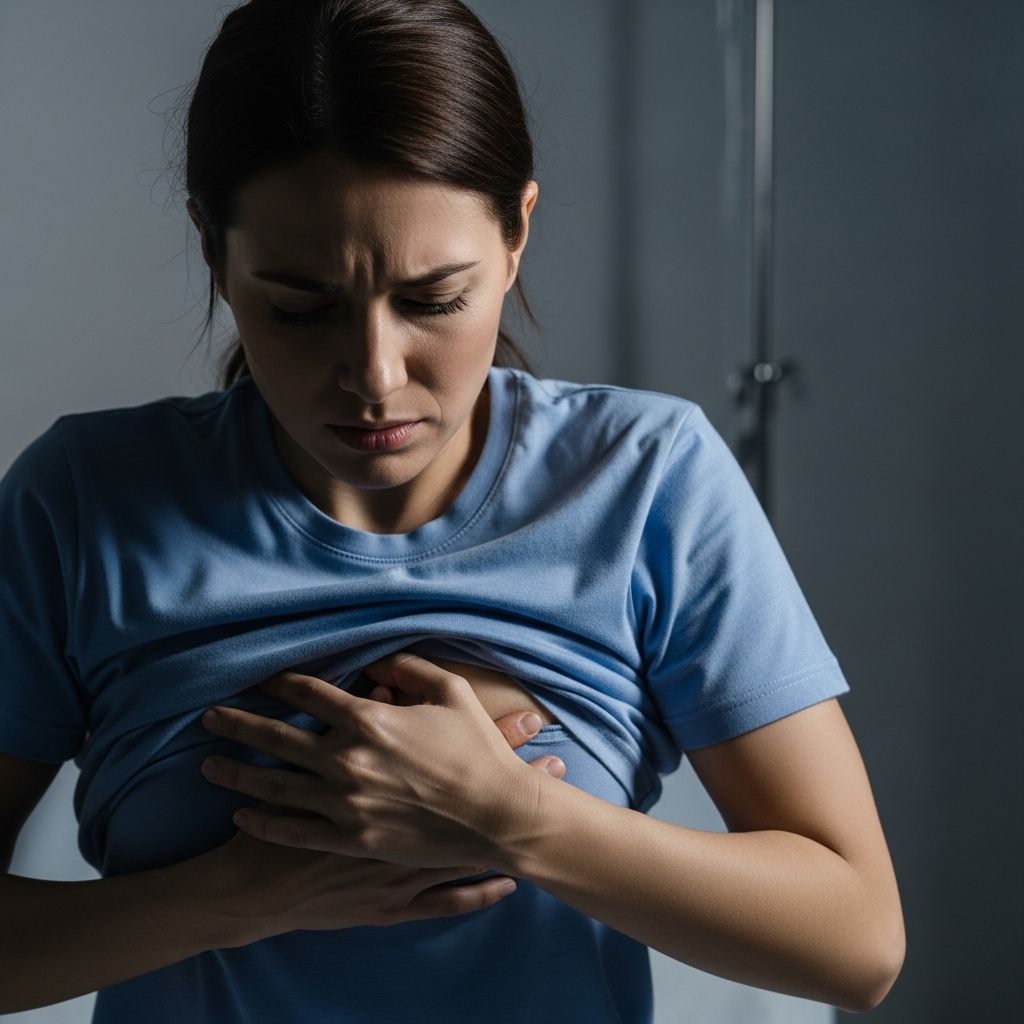
Understanding Breast Pain (Mastalgia)
Breast pain, medically known as mastalgia, is a common condition that affects many individuals. The experience of breast pain can vary widely, ranging from mild tenderness to severe discomfort that impacts daily activities. Despite the concern it may cause, breast pain is usually not a sign of breast cancer. Rather, it typically stems from hormonal changes, medications, infections, or other benign breast conditions. Understanding the nature of your breast pain and identifying its underlying cause is essential for determining the appropriate course of action and finding relief.
What Is Breast Pain?
Breast pain can be described in various ways, including tenderness, throbbing, sharp stabbing sensations, burning, or tightness in the breast tissue. The pain may affect one or both breasts, and its intensity can fluctuate from day to day. Some individuals experience constant pain, while others notice it comes and goes intermittently. Breast pain can also radiate to the chest wall, underarms, or upper back, making it sometimes difficult to pinpoint the exact source of discomfort. It’s important to note that while breast pain can be concerning, most cases involve benign (noncancerous) breast conditions rather than malignancy.
Types of Breast Pain
Healthcare professionals classify breast pain into two main categories: cyclic and noncyclic. Each type has distinct characteristics, triggers, and implications for your health.
Cyclic Breast Pain
Cyclic breast pain is directly related to your menstrual cycle and the natural fluctuations in hormone levels throughout the month. This type of pain typically lines up predictably with your period, making it easier to anticipate and track. Cyclic breast pain is most common in individuals between the ages of 20 and 50, particularly those in their 20s and 30s, as well as those in their 40s who are transitioning toward menopause.
The characteristics of cyclic breast pain include:
- Clearly related to the menstrual cycle and changing hormone levels
- Described as dull, heavy, or aching sensation
- Often accompanied by breast swelling, fullness, or lumpiness
- Usually affects both breasts equally, particularly the upper outer portions
- Can radiate to the underarm area
- Intensifies during the two weeks leading up to menstruation, then eases afterward
- May occur about a week before your period begins
Noncyclic Breast Pain
Noncyclic breast pain has nothing to do with your menstrual cycle or hormonal patterns related to menstruation. This type of breast pain is most common in individuals older than 40 and can continue after menopause. Unlike cyclic pain, noncyclic breast pain doesn’t follow a predictable pattern; it can come and go sporadically or persist as chronic, constant discomfort.
The characteristics of noncyclic breast pain include:
- Unrelated to the menstrual cycle
- Described as tight, burning, stabbing, or aching sensation
- Constant or intermittent in nature
- Usually affects one breast in a localized area
- May spread more diffusely across the breast
- In women, most likely to occur after menopause
- Does not follow a predictable pattern
Common Causes of Breast Pain
Understanding the underlying causes of your breast pain is crucial for effective management and treatment. The causes vary depending on whether you experience cyclic or noncyclic pain.
Causes of Cyclic Breast Pain
Cyclic breast pain is often triggered by your natural menstrual cycle. The primary cause involves hormonal fluctuations, particularly changes in estrogen levels. These hormonal changes can affect the milk ducts and milk glands in your breast tissue. As hormone levels rise and fall throughout your cycle, these ducts and glands undergo changes that can lead to the development of breast cysts. These cysts, which contain fluid, can be painful and are a common cause of cyclic breast pain. Conditions like fibrocystic breasts, which involve fibrous or lumpy tissue, are especially prone to ongoing breast pain that worsens between ovulation and the start of your period.
Related Stories



Causes of Noncyclic Breast Pain
Noncyclic breast pain may be caused by various factors unrelated to menstrual hormonal changes. Common causes include:
- Trauma or injury: Direct trauma to the breast area from accidents or sports injuries
- Prior breast surgery: Breast pain associated with breast surgery and scar formation can sometimes linger after incisions have healed
- Breast size: People with large breasts may experience noncyclic breast pain related to the size of their breasts. Neck, shoulder, and back pain may accompany this type of pain
- Infections: Bacterial infections, breast abscesses, and clogged milk ducts can all cause inflammation in your breasts
- Medication use: Certain medications can trigger breast pain, including hormonal medications, some infertility treatments, and oral birth control pills
- Chest wall pain: Pain originating from the layers of muscle and tissue around your heart and lungs rather than the breast itself
Risk Factors and Contributing Factors
Several factors may increase your risk of experiencing breast pain or make it more likely to occur. These include:
- Fatty acid imbalance: An imbalance of fatty acids within the cells may affect the sensitivity of breast tissue to circulating hormones
- Medication side effects: Breast tenderness is a possible side effect of estrogen and progesterone hormone therapies used after menopause. Certain antidepressants, including selective serotonin reuptake inhibitors (SSRIs), and medications for high blood pressure or antibiotics can also cause breast pain
- Hormonal treatments: Hormone replacement therapy and infertility treatments may be associated with breast pain
- Activities and lifestyle: Certain physical activities, including high-impact exercise or activities that repeatedly stress the chest wall, can cause noncyclic breast pain
- Poor-fitting bra: Wearing a poorly fitting or unsupportive bra can contribute to breast discomfort
- Caffeine consumption: Some research suggests that caffeine intake may influence breast pain intensity
When to Seek Medical Care
While most breast pain is not indicative of breast cancer, there are certain circumstances when you should seek professional medical evaluation. You should contact a healthcare provider if:
- Your breast pain lasts longer than two weeks
- Pain persists after one or two menstrual cycles
- You experience breast pain that continues after menopause
- Breast pain doesn’t seem to be related to hormonal changes
- Your pain is located in one breast, especially in one specific localized spot
- You discover a breast lump or mass
- You notice changes to the texture of the skin on your breast
- You experience nipple discharge
- You notice visible changes in your nipple or breast appearance
- Any mass or abnormal area persists for more than three days
- You develop signs of infection, such as redness, warmth, swelling, or pus
Diagnosis of Breast Pain
When you visit a healthcare provider for breast pain, they will conduct a thorough evaluation to understand your condition better. The diagnostic process typically includes:
- Medical history: Your healthcare provider will ask about when your pain started, how long it lasts, and whether it follows any patterns
- Physical examination: A thorough examination of your breasts and chest wall will be performed
- Imaging studies: Depending on your symptoms and findings, your doctor may recommend mammography, ultrasound, or other imaging studies
- Consideration of medication effects: Your healthcare provider will review your current medications to determine if any could be contributing to your breast pain
Treatment and Management Options
Treatment for breast pain depends on the underlying cause, the severity of symptoms, and whether the pain is cyclic or noncyclic. Several approaches can help alleviate breast pain:
Self-Care Measures
- Wear a supportive bra: A well-fitting bra that provides adequate support can significantly reduce breast discomfort
- Apply warm or cold therapy: Applying heat or cold compresses to the affected area can help reduce pain and inflammation
- Over-the-counter pain relief: Nonsteroidal anti-inflammatory medications can help manage pain and reduce inflammation
- Lifestyle modifications: Reducing caffeine intake, maintaining a healthy diet, and stopping smoking may help
- Stress reduction: Practicing relaxation techniques and stress management may help alleviate symptoms
Medical Treatments
If self-care measures don’t provide sufficient relief, your healthcare provider may recommend:
- Medication adjustments: If your breast pain is related to your current medications, your doctor may adjust your dosage or switch you to an alternative medication
- Topical treatments: Certain creams or gels applied directly to the affected area may provide localized pain relief
- Hormonal treatments: In some cases, hormonal medications may be prescribed to regulate hormone levels and reduce cyclic breast pain
Breast Pain and Cancer: What You Should Know
One of the most common concerns people have when experiencing breast pain is whether it indicates breast cancer. It’s important to understand that most patients who present with breast pain do not have breast cancer. In fact, breast pain is rarely a sign of breast cancer. If the breast pain occurs in a pattern and affects the breast tissue equally on both sides, it is usually less worrisome. However, if your pain is located in one breast and especially in one specific spot on one breast, this focal pain is more likely to warrant careful evaluation. Additionally, if your pain is associated with a breast lump or visible changes in your skin or nipple, these are causes for concern that require professional assessment.
Frequently Asked Questions
Q: Is breast pain always a sign of breast cancer?
A: No. Most cases of breast pain are not due to breast cancer. Breast pain is usually caused by hormonal changes, medications, infections, or benign breast conditions. However, persistent pain in one specific location or pain accompanied by a lump or skin changes should be evaluated by a healthcare provider.
Q: What is the difference between cyclic and noncyclic breast pain?
A: Cyclic breast pain is related to your menstrual cycle and hormonal changes, typically affecting both breasts equally and following a predictable pattern. Noncyclic breast pain is unrelated to your cycle, often affects one breast in a localized area, and doesn’t follow a predictable pattern.
Q: How can I relieve breast pain at home?
A: You can try wearing a supportive bra, applying warm or cold compresses, taking over-the-counter pain relievers, reducing caffeine intake, maintaining a healthy diet, and managing stress through relaxation techniques.
Q: Can medications cause breast pain?
A: Yes. Certain medications, including hormonal treatments, some antidepressants, birth control pills, medications for high blood pressure, and some antibiotics can cause breast pain as a side effect.
Q: When should I see a doctor about breast pain?
A: You should seek medical care if your breast pain lasts longer than two weeks, persists after one or two menstrual cycles, occurs after menopause, is located in one specific spot, or is accompanied by a lump, nipple discharge, or skin changes.
Q: Can large breasts cause pain?
A: Yes. People with large breasts may experience noncyclic breast pain related to the size and weight of their breasts. This may be accompanied by neck, shoulder, and back pain. A supportive bra can help alleviate this discomfort.
Q: How is breast pain diagnosed?
A: Diagnosis typically involves a medical history, physical examination of your breasts and chest wall, and possibly imaging studies such as mammography or ultrasound, depending on your symptoms.
References
- Breast pain – Symptoms and causes — Mayo Clinic. 2024-11-01. https://www.mayoclinic.org/diseases-conditions/breast-pain/symptoms-causes/syc-20350423
- Breast Pain: Tenderness, Causes, Diagnosis & Treatment — Cleveland Clinic. 2024-10-15. https://my.clevelandclinic.org/health/diseases/15469-breast-pain-mastalgia
- What’s Causing Your Breast Pain or Tenderness? 5 Soothing Tips — Cleveland Clinic Health. 2024-09-20. https://health.clevelandclinic.org/whats-causing-your-breast-pain-or-tenderness-5-soothing-tips
- Fibrocystic Breasts: Causes, Symptoms, Diagnosis & Treatment — Cleveland Clinic. 2024-09-10. https://my.clevelandclinic.org/health/diseases/22080-fibrocystic-breasts
- If You Have Breast Pain, Should You Worry? — Cleveland Clinic Health. 2024-08-25. https://health.clevelandclinic.org/if-you-have-breast-pain-should-you-worry
- Mastitis: Causes, Symptoms, Treatment & Prevention — Cleveland Clinic. 2024-07-30. https://my.clevelandclinic.org/health/diseases/15613-mastitis
Similar Articles








Read full bio of Sneha Tete