Breast Pain: Causes, Symptoms, And Management Guide
Understanding breast pain causes, symptoms, and when to seek medical help for peace of mind.
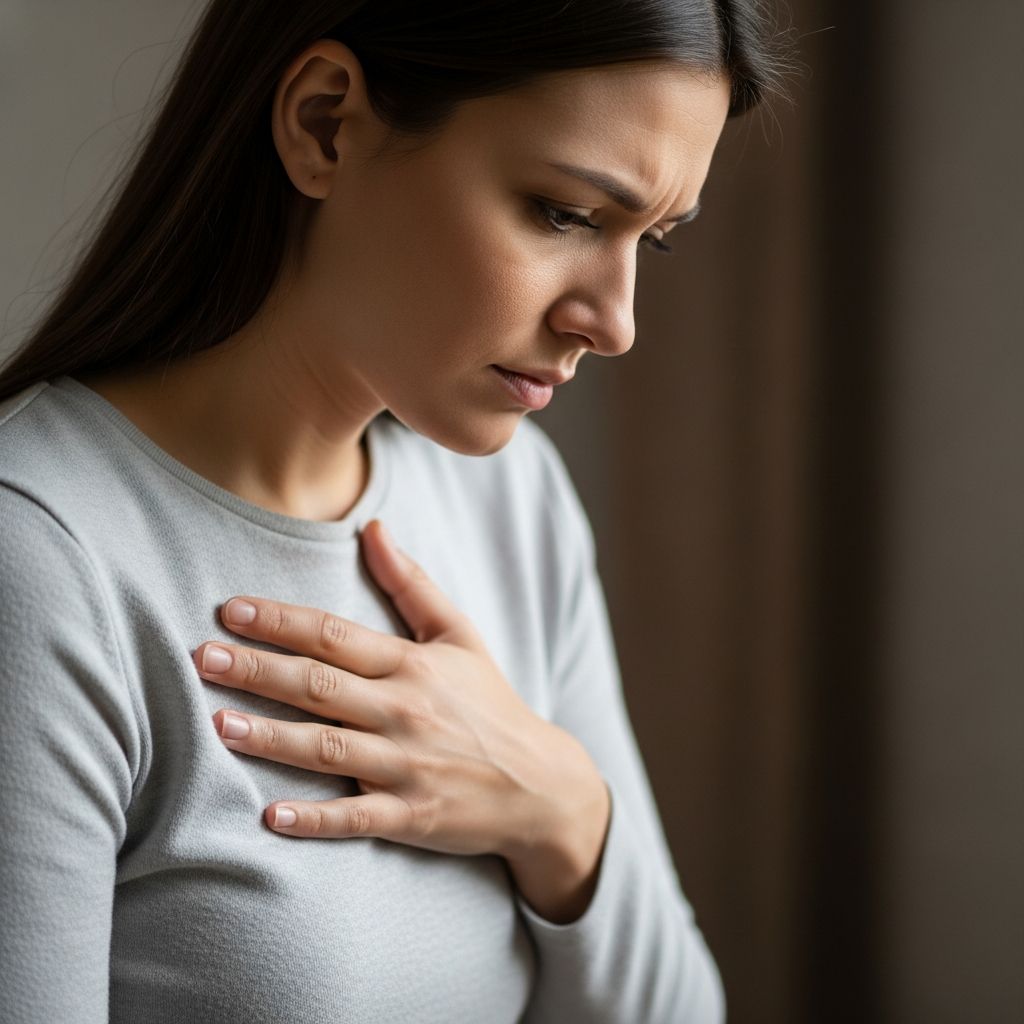
Breast pain, also known as mastalgia, refers to discomfort, tenderness, or sharp pain in one or both breasts or the underarm area. While it often alarms individuals due to fears of breast cancer, it is rarely a symptom of malignancy. Most cases stem from benign, non-cancerous causes related to hormonal fluctuations, lifestyle factors, or treatments. This article covers causes, symptoms, associations with breast cancer, management strategies, and red flags requiring immediate medical attention.
What Causes Breast Pain?
Breast pain typically arises from cyclical or non-cyclical factors. Cyclical pain aligns with the menstrual cycle, worsening premenstrually due to hormone shifts like estrogen and progesterone surges. Non-cyclical pain occurs independently of menstruation and may localize to one breast or radiate to the chest wall.
Common triggers include:
- Hormonal changes: Puberty (affecting girls and occasionally boys), menstruation/PMS, pregnancy (especially first trimester), postpartum milk production, breastfeeding, and menopause transition.
- Infections: Mastitis (milk duct blockage leading to infection during breastfeeding) or breast abscess (pus-filled infection akin to a boil). These require prompt antibiotics to prevent complications but have no cancer link.
- Fibrocystic breast changes: Lumpy, tender tissue with fluid-filled cysts that flare before periods. This affects up to 50% of women and is benign, not increasing cancer risk.
- Medications: Drugs like digitalis, methyldopa (Aldomet), spironolactone (Aldactone), certain diuretics, Anadrol, and chlorpromazine can trigger tenderness.
- Other factors: Ill-fitting bras, high-impact exercise without support, caffeine excess, or large breast size straining supportive tissues.
Types of Breast Pain
Breast pain classifies into three main types for better diagnosis and management:
| Type | Description | Common Causes | Duration |
|---|---|---|---|
| Cyclical | Pain worsens 7-14 days before period, bilateral, diffuse aching or heaviness. | Hormonal fluctuations. | Resolves post-menstruation. |
| Non-Cyclical | Constant or intermittent, often one-sided, sharp or burning. | Musculoskeletal, cysts, infections. | Persistent until treated. |
| Extra-Mammary | Pain felt in breast but originates from chest wall, neck, or arm. | Muscle strain, costochondritis, GERD. | Varies with underlying issue. |
Understanding these distinctions helps clinicians tailor evaluations.
Breast Pain and Breast Cancer: Is There a Link?
Reassuringly, breast pain alone is not a typical breast cancer sign. Cancerous tumors are usually painless masses until advanced stages. However, exceptions exist.
- Inflammatory breast cancer (IBC): Rare (1-5% of cases), aggressive form causing pain, redness, swelling, rash-like skin (peau d’orange), dilated pores, and thickening. Pain arises from lymphatic blockage and inflammation. IBC often lacks a palpable lump.
- Advanced or metastatic disease: Pain emerges in later stages from tumor pressure on chest muscles/ribs, bone metastases (e.g., humerus fractures), or cytokine-driven inflammation. Two-thirds of metastatic patients report pain, mixing neuropathic (nerve-related burning/shooting) and nociceptive (tissue damage) types.
- Localized cancer: Early-stage tumors rarely cause pain unless large enough for compression.
Statistics: Pain prevalence rises with disease progression; localized cancer seldom involves pain, but advanced cases correlate with higher cytokine levels and severity.
Related Stories



Breast Cancer Treatments That Cause Pain
Therapies for breast cancer frequently induce pain, affecting quality of life:
- Surgery: Post-mastectomy pain syndrome (PMPS) impacts 30-50% of patients, persisting 3+ months as phantom breast pain, intercostobrachial neuralgia, or neuromas from nerve injury. Prevalence: 37.5% at 24 months post-op; 53% report moderate-severe pain at 2 years.
- Radiotherapy: Acute pain peaks 1 week post-treatment (24-47% affected); chronic pain in irradiated areas up to 1.5x risk increase.
- Chemotherapy/Immunotherapy: Peripheral neuropathy (numbness, tingling, pain) from neurotoxic agents; arthralgias/myalgias common.
- Hormonal therapy: Tamoxifen/aromatase inhibitors cause joint/muscle pain in 20-50%.
When to See a Doctor for Breast Pain
Most pain self-resolves, but seek evaluation for:
- Persistent pain (>2 weeks) unexplained by cycle/injury.
- New lump not resolving post-period.
- Bloody/clear nipple discharge.
- Infection signs: Redness, pus, fever, swelling.
- IBC red flags: Skin rash, orange-peel texture, rapid swelling.
- Pain with weight loss, fatigue, or bone aches (metastatic hint).
Physicians may recommend exam, ultrasound/mammogram, or biopsy if warranted. Early detection via self-exams, mammograms (age 40+ or high-risk), and clinical checks saves lives.
Diagnosis and Evaluation
Consultation starts with history (pain pattern, cycle link, meds) and exam. Imaging: Ultrasound for under-40s/cysts; mammogram/MRI for dense breasts or suspicion. Rarely, biopsy confirms benign vs. malignant.
Treatment and Management of Breast Pain
Benign pain management is conservative:
- Lifestyle: Supportive bra (sports during exercise), reduce caffeine/salt, evening primrose oil (gamma-linolenic acid for cyclical pain), warm/cold compresses, stress reduction (yoga/meditation).
- Medications: NSAIDs (ibuprofen) for inflammation; hormonal (danazol, tamoxifen low-dose) for severe cyclical; antibiotics for infections.
- Cancer-related pain: Multimodal—acetaminophen/opioids, gabapentinoids (neuropathy), bisphosphonates (bone mets), radiation/palliative surgery. Opioids remain mainstay but need non-opioid advances.
PMPS prevention: Perioperative nerve blocks, but modestly effective.
Prevention and Breast Health Tips
Maintain health via balanced diet, exercise, limiting alcohol/hormone disruptors. Regular screenings detect issues early, unrelated to pain.
Frequently Asked Questions (FAQs)
Is breast pain a sign of breast cancer?
Usually no; it’s rarely cancerous unless with other symptoms like lumps or skin changes.
How long does cyclical breast pain last?
Typically resolves post-menstruation; track patterns for 2-3 cycles.
Can medications cause breast tenderness?
Yes, including diuretics, hormones, and psychotropics—discuss alternatives with your doctor.
What is post-mastectomy pain syndrome?
Chronic pain 3+ months post-surgery, affecting up to 50%, from nerve damage.
Should I worry about one-sided breast pain?
Evaluate if persistent or with lumps/redness; often musculoskeletal or cyst-related.
Does fibrocystic breast disease raise cancer risk?
No, it’s benign despite lumpiness and tenderness.
References
- Breast Pain – Causes and Symptoms — National Breast Cancer Foundation. 2023. https://www.nationalbreastcancer.org/breast-pain/
- Pain associated with breast cancer: etiologies and therapies — National Library of Medicine (PMC). 2023-12-01. https://pmc.ncbi.nlm.nih.gov/articles/PMC10750403/
Similar Articles








Read full bio of medha deb