Breast Ultrasound: Uses, Benefits, and What to Expect
Complete guide to breast ultrasound imaging: benefits, procedure, and diagnostic advantages.
Understanding Breast Ultrasound Imaging
Breast ultrasound is a non-invasive diagnostic imaging technique that uses high-frequency sound waves to create detailed images of breast tissue. Unlike mammography, which uses radiation, ultrasound provides a safe and effective alternative for evaluating breast health and detecting abnormalities. This imaging modality has become an increasingly important tool in breast cancer screening and diagnosis, particularly for women with specific risk factors or dense breast tissue.
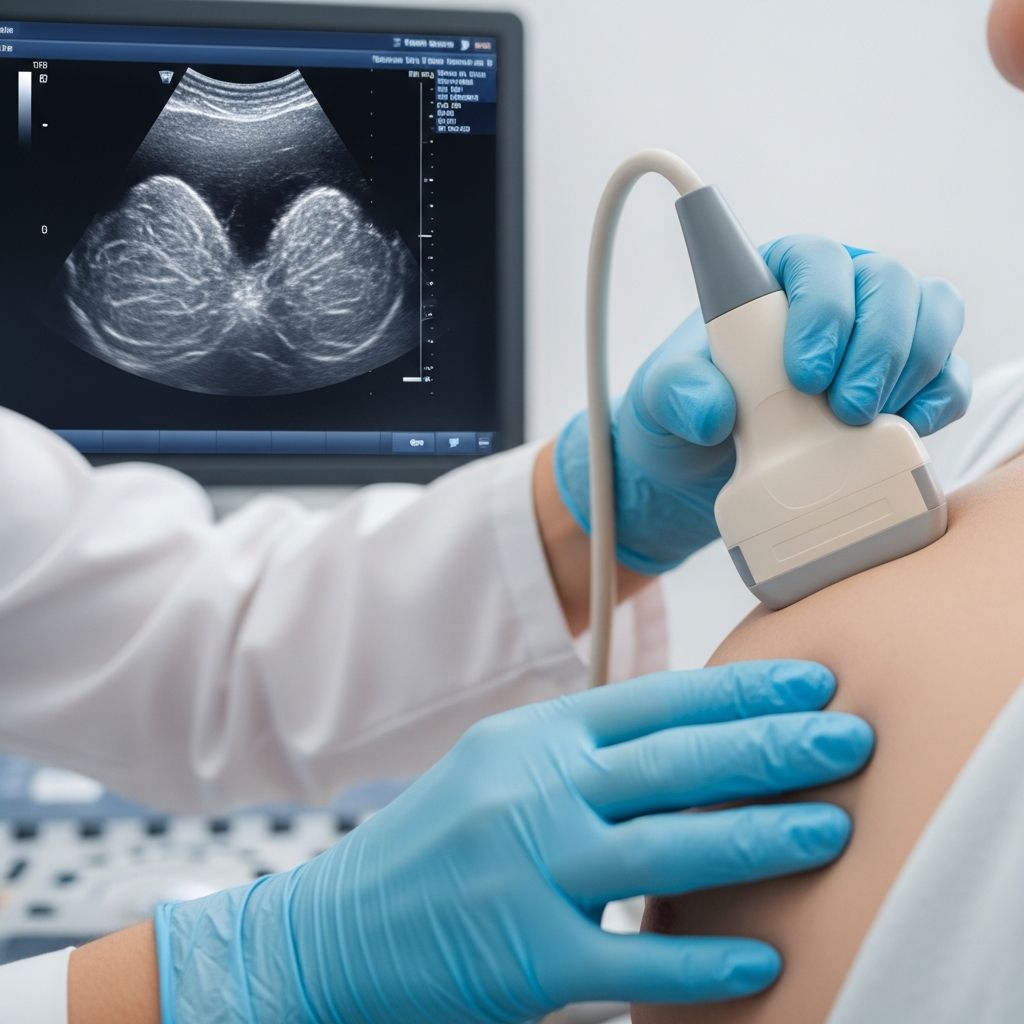
The procedure involves placing a small handheld device called a transducer on the breast, which emits sound waves that bounce off breast tissue and create real-time images on a monitor. These images allow radiologists to visualize the internal structure of the breast in detail, helping to identify masses, cysts, and other abnormalities that may require further evaluation.
Why Breast Ultrasound Matters in Cancer Detection
Breast ultrasound plays a crucial role in modern breast cancer detection and diagnosis. The majority of breast cancers are first detected on abnormal screening imaging, such as mammography, magnetic resonance imaging (MRI), or ultrasound. The type of imaging used depends on the patient’s age and the characteristics of breast tissue, including how fibrous or fatty it is.
For women with dense breast tissue, ultrasound offers particular advantages. Dense breast tissue can make it difficult for mammography alone to detect cancers effectively, as the dense tissue appears white on mammograms, similar to the appearance of tumors. This overlap can reduce the sensitivity of mammography in these patients. Supplemental screening with ultrasound significantly improves cancer detection rates in women with dense breasts.
Key Benefits of Breast Ultrasound
Breast ultrasound offers several significant advantages that make it an important component of breast imaging:
No Radiation Exposure
Unlike mammography, breast ultrasound does not use ionizing radiation, making it a safe imaging option for all women, including pregnant patients and those who need frequent monitoring. This non-radiative nature makes it ideal for repeated screening and follow-up examinations without concerns about cumulative radiation exposure.
Superior Tissue Characterization
One of the most valuable capabilities of breast ultrasound is its ability to distinguish between different types of breast lesions. Most importantly, ultrasound can differentiate fluid-filled cysts from solid masses with remarkable accuracy. This distinction is critical because cysts are typically benign and rarely require further intervention, while solid masses may require additional evaluation or biopsy.
Real-Time Imaging
Ultrasound provides real-time imaging that allows radiologists to assess breast tissue dynamically. This capability enables immediate evaluation of suspicious areas and facilitates guided procedures such as biopsies, allowing physicians to target abnormalities with precision.
Enhanced Visualization of Dense Breast Tissue
Breast ultrasound is particularly effective in women with dense breast tissue, where it can detect cancers that might be missed on mammography alone. For women with dense breasts, healthcare providers typically recommend supplemental screening with ultrasound or MRI in addition to annual mammography to ensure comprehensive evaluation.
Clinical Applications of Breast Ultrasound
Screening and Supplemental Imaging
For average-risk women aged 40 to 74, annual mammography is recommended as the primary screening tool. However, for women with dense breast tissue or other risk factors, supplemental ultrasound screening provides additional assurance. Johns Hopkins recommends that women with dense breasts continue annual mammography while considering supplemental screening with ultrasound or MRI based on individual risk factors.
Related Stories



Diagnostic Evaluation
When an abnormality is detected on mammography or clinical examination, ultrasound serves as an excellent diagnostic tool to characterize the finding. Ultrasound can determine whether a mass is cystic or solid, which significantly narrows the differential diagnosis and guides the need for further intervention.
Guided Biopsy Procedures
Breast ultrasound is frequently used to guide needle biopsy procedures, allowing radiologists to precisely target suspicious lesions for tissue sampling. Different biopsy methods may be used to obtain breast tissue samples, including skin punch biopsy, fine needle aspiration (FNA), core needle biopsy, and excisional biopsy. The decision regarding which method to use is influenced by the characteristics of the mass and the patient’s breast tissue.
Post-Treatment Surveillance
Following breast cancer treatment, ultrasound can be used to monitor the treated breast and evaluate for any signs of recurrence. This makes it an valuable tool in the ongoing management and surveillance of breast cancer patients.
What to Expect During a Breast Ultrasound
Preparation
Breast ultrasound requires minimal preparation. Patients typically wear a hospital gown or top that opens in the front and are positioned lying on their back or side on an examination table. It is helpful to wear comfortable, easy-to-remove clothing.
The Procedure
During the procedure, a sonographer or radiologist applies a warm, water-based gel to the breast to improve contact between the transducer and the skin. The transducer is then gently moved across the breast tissue, and the operator obtains images from multiple angles to ensure comprehensive evaluation. Real-time images appear on a monitor, allowing the radiologist to assess the tissue in detail.
The procedure is painless and typically takes 15 to 30 minutes, depending on the extent of examination required. Patients can return to normal activities immediately following the procedure.
After the Procedure
A radiologist will review the images obtained during the ultrasound and generate a detailed report of findings. This report is typically sent to the referring physician, who discusses the results with the patient and recommends any necessary follow-up care. If the ultrasound is normal, routine screening can continue according to the patient’s standard screening protocol. If abnormalities are identified, additional imaging or procedures may be recommended.
Breast Ultrasound and Cancer Risk Assessment
For women at high risk of breast cancer, enhanced screening protocols are essential. High-risk women include those with BRCA1/2 or other gene mutations, a first-degree relative with a BRCA mutation, lifetime breast cancer risk greater than 20 percent, prior chest radiation therapy, personal history of breast cancer, certain benign breast conditions, or dense breast tissue combined with other risk factors.
For these high-risk women, the enhanced screening protocol typically includes annual mammography starting at age 30 (or 10 years before the youngest family member’s diagnosis), annual breast MRI in addition to mammography, and clinical breast examination every 6 to 12 months. In this context, ultrasound may be recommended as an additional supplemental screening tool to maximize cancer detection.
Comparison: Ultrasound Versus Other Breast Imaging Methods
| Imaging Modality | Radiation | Strengths | Best Used For |
|---|---|---|---|
| Ultrasound | None | Non-invasive, distinguishes cysts from solid masses, excellent for dense breast tissue | Supplemental screening, dense breasts, guided biopsies |
| Mammography | Yes | Detects microcalcifications, primary screening tool, widely available | Routine screening for average-risk women |
| MRI | None | High sensitivity, excellent for detecting multiple lesions, good for implant evaluation | High-risk women, treatment monitoring, implant integrity |
Frequently Asked Questions About Breast Ultrasound
Q: Is breast ultrasound painful?
A: No, breast ultrasound is a painless procedure. The only sensation you may experience is the cool gel applied to your skin and gentle pressure from the transducer as it moves across your breast tissue.
Q: How long does a breast ultrasound take?
A: A typical breast ultrasound examination takes 15 to 30 minutes, depending on the extent of the evaluation needed and whether additional imaging or assessment is required.
Q: Can I have a breast ultrasound if I’m pregnant?
A: Yes, breast ultrasound is safe during pregnancy. Unlike mammography, ultrasound does not use radiation and is considered safe for both the mother and the developing fetus.
Q: What does it mean if my ultrasound shows a cyst?
A: A breast cyst is a fluid-filled cavity that is almost always benign (non-cancerous). Most cysts do not require treatment and can be simply monitored with follow-up imaging as recommended by your physician.
Q: Will ultrasound replace my mammogram?
A: No, ultrasound is typically used as a complementary tool to mammography rather than a replacement. For most women, both mammography and ultrasound together provide the most comprehensive breast screening.
Q: How often should I have a breast ultrasound?
A: The frequency of ultrasound depends on your individual risk factors and screening recommendations. Women with dense breast tissue or high-risk factors should discuss an appropriate screening schedule with their healthcare provider.
Q: Is there any preparation needed before a breast ultrasound?
A: Minimal preparation is required. Wear comfortable clothing that allows easy access to your breast area, and avoid applying lotions or powders to your breast on the day of the examination.
Personalized Screening Plans and Next Steps
If you have dense breasts, your radiologist will notify you after your mammogram. This notification indicates that supplemental screening may be beneficial. Dense breast tissue does not indicate cancer or cause for immediate concern, but it does warrant discussion of your screening strategy. You should continue annual mammography, and depending on your other risk factors, your healthcare provider may recommend supplemental screening with ultrasound or MRI.
If an abnormality is found during screening or clinical examination, comprehensive diagnostic imaging and biopsy services provide accurate diagnosis to ensure you receive the most appropriate care. A multidisciplinary team approach ensures that diagnostic findings are interpreted correctly and that the right treatment is recommended at the right time.
The Role of Ultrasound in Comprehensive Breast Care
Breast ultrasound represents a critical component of modern breast imaging. Its ability to provide high-quality imaging without radiation, distinguish between benign and potentially concerning findings, and guide interventional procedures makes it an invaluable tool for breast cancer detection and diagnosis. Whether used as a screening tool for women with dense breast tissue or as a diagnostic aid for evaluating palpable masses or mammographic abnormalities, ultrasound continues to play an essential role in breast health.
By understanding the benefits and applications of breast ultrasound, women can make informed decisions about their breast health and work with their healthcare providers to develop appropriate screening and diagnostic strategies based on their individual risk factors and clinical circumstances.
References
- Testing for Breast Cancer — Johns Hopkins Pathology. 2024. https://pathology.jhu.edu/breast/testing
- Prevention & Screening — Johns Hopkins Aramco Healthcare. 2024. https://www.jhah.com/en/centers-of-excellence/oncology-center-of-excellence/breast-cancer-program/prevention-screening/
- Breast Cancer Screening Guidelines — American College of Radiology. 2024. https://www.acr.org/Clinical-Resources/Reporting-and-Data-Systems/BI-RADS
Similar Articles








Read full bio of Sneha Tete