Breast Ultrasound: Purpose, Procedure & Results
Learn how breast ultrasound helps diagnose breast abnormalities and supports early detection of breast cancer.
What Is a Breast Ultrasound?
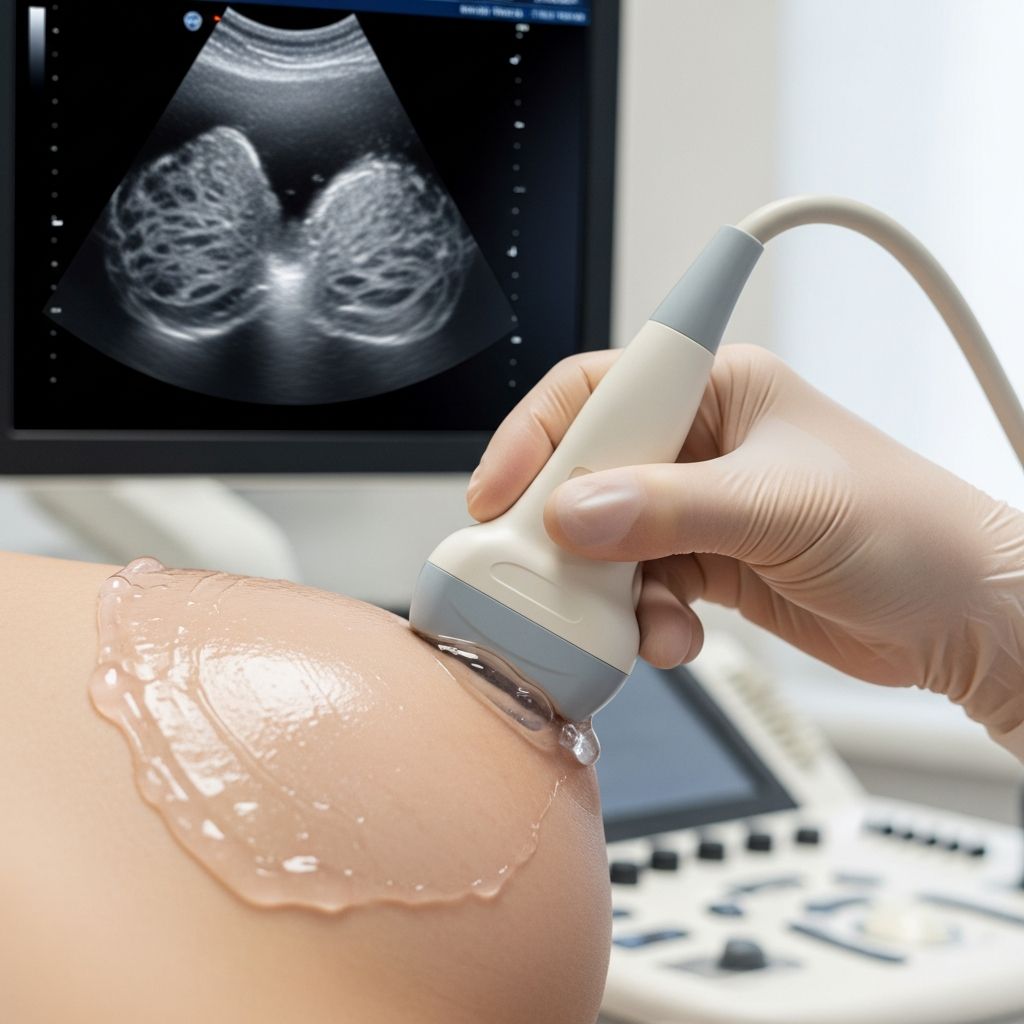
A breast ultrasound is an imaging test that uses high-frequency sound waves to create detailed pictures of the inside of your breast. Unlike mammograms, which use X-rays, breast ultrasounds do not expose you to radiation. This makes them a safe and noninvasive option for evaluating breast tissue, especially when a mammogram reveals something unclear or abnormal.
Purpose of a Breast Ultrasound
Healthcare providers use breast ultrasounds for several important reasons:
- To further examine an area of concern found during a mammogram.
- To determine whether a breast lump is a fluid-filled cyst (usually benign) or a solid mass (which may require further testing).
- To guide a biopsy, ensuring tissue samples are taken from the correct spot.
- To screen for breast cancer in women with dense breast tissue, where mammograms may be less effective.
- To evaluate breast symptoms such as pain, swelling, or nipple discharge.
When Is a Breast Ultrasound Needed?
Your provider may recommend a breast ultrasound if:
- You have a lump or thickening in your breast.
- A mammogram shows an abnormality that needs further evaluation.
- You are pregnant or breastfeeding, and radiation exposure should be avoided.
- You have dense breast tissue, which can make mammograms less accurate.
- You are at increased risk for breast cancer and need additional screening.
How Does a Breast Ultrasound Work?
During a breast ultrasound, a trained technician uses a handheld device called a transducer. The transducer emits high-frequency sound waves that travel through your breast tissue. These sound waves bounce off internal structures and return to the transducer, which sends the information to a computer. The computer then creates real-time images of your breast tissue on a monitor.
What Happens During the Procedure?
The breast ultrasound procedure is quick and painless. Here’s what to expect:
- You will lie on your back on an examination table.
- The technician will apply a clear gel to your breast to help the transducer glide smoothly and improve image quality.
- The technician will move the transducer over your breast and surrounding areas, capturing images from different angles.
- The entire process usually takes 15 to 30 minutes.
- After the exam, the gel is wiped off, and you can resume normal activities immediately.
Benefits of Breast Ultrasound
- No radiation exposure.
- Noninvasive and painless.
- Can distinguish between fluid-filled cysts and solid masses.
- Helps guide biopsies for accurate tissue sampling.
- Useful for women with dense breast tissue.
Limitations of Breast Ultrasound
- Cannot detect microcalcifications, which are often early signs of breast cancer and are best seen on mammograms.
- May not provide a clear image of tissue deep inside the breast, especially in women with larger breasts.
- Not a substitute for mammography as a primary screening tool for breast cancer.
- Typically focuses on a specific area rather than the entire breast.
Ultrasound vs. Mammogram: What’s the Difference?
Both mammograms and breast ultrasounds are important tools in breast cancer detection, but they serve different purposes:
| Feature | Mammogram | Ultrasound |
|---|---|---|
| Imaging Method | X-rays | Sound waves |
| Radiation Exposure | Yes | No |
| Best For | Screening entire breast, detecting calcifications | Evaluating specific areas, distinguishing cysts from solid masses |
| Primary Use | Initial breast cancer screening | Follow-up to mammogram, biopsy guidance |
| Limitations | Less effective in dense breasts | Cannot detect microcalcifications |
Related Stories



What Happens After a Breast Ultrasound?
After your breast ultrasound, a radiologist will review the images and interpret the results. Your healthcare provider will discuss the findings with you and let you know if further tests or procedures are needed. Sometimes, a biopsy may be recommended based on the ultrasound results. If so, your provider will schedule the biopsy before you leave.
Understanding Your Results
You should know the results of your breast ultrasound by the end of your appointment. Your provider will let you know if what they see on the ultrasound looks noncancerous (benign), like a cyst, or is potentially cancerous (malignant). Most breast lumps are not cancerous, but your healthcare team will help you through the next steps, whether that means monitoring, additional testing, or treatment.
When to Call Your Healthcare Provider
Contact your healthcare provider if you experience any of the following after your breast ultrasound:
- Persistent pain or discomfort in your breast.
- Unusual swelling, redness, or warmth.
- Changes in the size or shape of your breast.
- Nipple discharge.
Frequently Asked Questions (FAQs)
Is a breast ultrasound painful?
No, a breast ultrasound is not painful. You may feel slight pressure from the transducer, but most people find the procedure comfortable.
How long does a breast ultrasound take?
The procedure usually takes 15 to 30 minutes.
Can a breast ultrasound detect cancer?
A breast ultrasound can help identify suspicious masses that may be cancerous, but it cannot definitively diagnose cancer. A biopsy is needed for a definitive diagnosis.
Do I need a breast ultrasound if I’ve had a mammogram?
Yes, if your mammogram shows an abnormality or if you have dense breast tissue, your provider may recommend a breast ultrasound for further evaluation.
Is a breast ultrasound safe during pregnancy?
Yes, a breast ultrasound is safe during pregnancy because it does not use radiation.
Conclusion
A breast ultrasound is a valuable tool in breast cancer screening and diagnosis. It is safe, noninvasive, and provides important information about breast tissue. While it is not a substitute for mammography, it complements mammograms by offering detailed images of specific areas of concern. If you need a breast ultrasound, know that it is a routine and important part of breast health care, and your healthcare team will guide you through every step of the process.
References
- Breast Ultrasound: What It Is, Purpose, Procedure & Results — Cleveland Clinic. 2023. https://my.clevelandclinic.org/health/diagnostics/21496-breast-ultrasound
- Mammogram vs. Breast Ultrasound: Which One Is Best? — Cleveland Clinic. 2023. https://health.clevelandclinic.org/breast-ultrasound-vs-mammogram
- Breast Cancer Screenings: Guidelines & Types of Tests — Cleveland Clinic. 2023. https://my.clevelandclinic.org/health/diagnostics/breast-cancer-screenings
Similar Articles








Read full bio of medha deb