Breast Uplift (Mastopexy): Complete Guide to Surgery and Recovery
Comprehensive guide to breast lift surgery: Understanding mastopexy procedures, techniques, recovery, and results.
What is Breast Uplift (Mastopexy)?
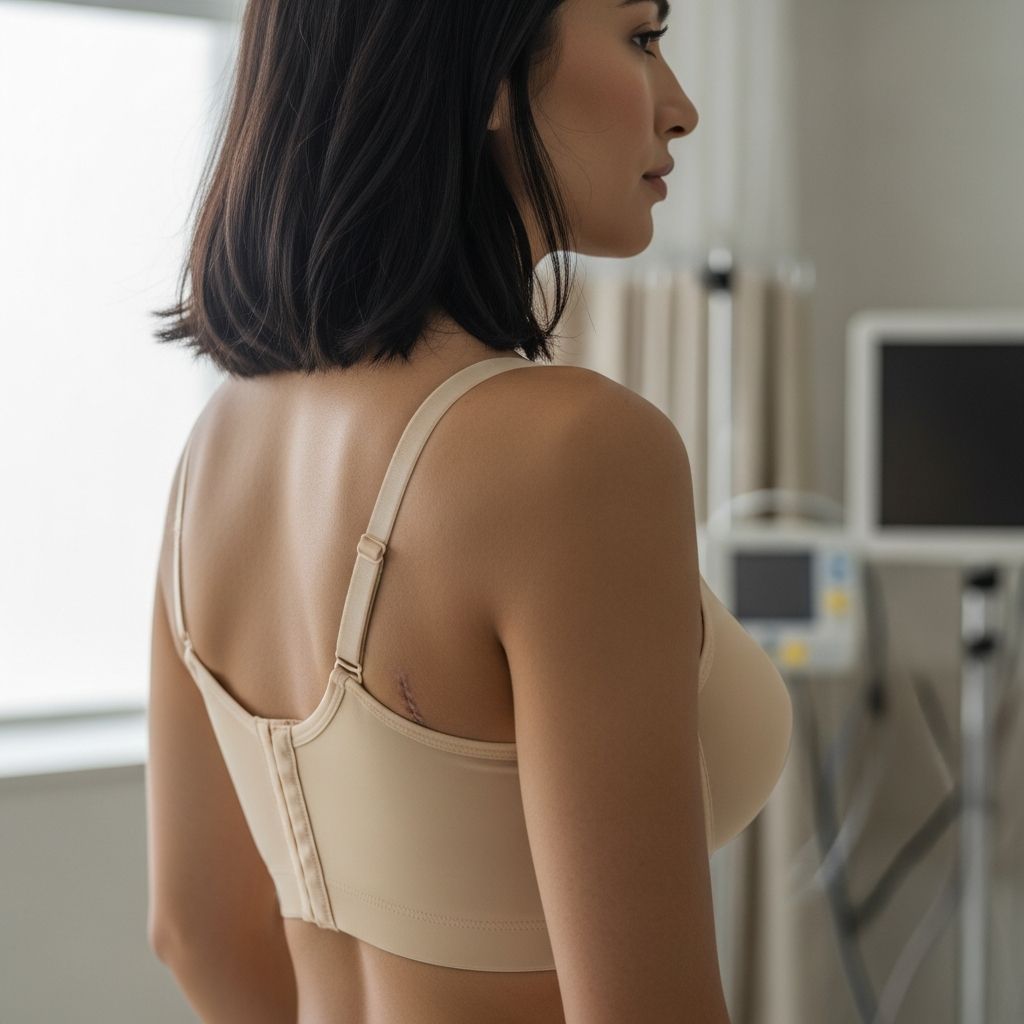
Breast uplift, also known as mastopexy, is a cosmetic surgical procedure designed to lift and reshape sagging breasts by removing excess skin and tightening the surrounding tissue. The procedure repositions the nipple and areola (the darker skin around the nipple) to a higher, more youthful position while restoring the natural contour and support of the breast. Unlike breast augmentation, which increases breast size, or breast reduction, which decreases it, mastopexy focuses on improving the shape and positioning of existing breast tissue.
Breast ptosis, the medical term for sagging breasts, occurs naturally over time due to aging, pregnancy, weight fluctuations, and loss of skin elasticity. While this is a normal physiological process, many women seek mastopexy to restore a more youthful breast appearance and improve their self-confidence. The procedure can be performed as a standalone surgery or combined with breast augmentation or reduction, depending on individual goals and anatomy.
Who Would Benefit from Breast Uplift?
Breast uplift is an ideal option for women who experience significant breast sagging or ptosis, which may be accompanied by loss of breast volume. Candidates typically include:
- Women who have noticed a noticeable droop in their breasts over time
- Women with deflated or flattened upper breast poles
- Women whose breasts have sagged after pregnancy and breastfeeding
- Women experiencing the effects of aging on breast tissue and skin elasticity
- Women who have undergone significant weight loss resulting in loose breast skin
- Women seeking to correct breast asymmetry caused by uneven sagging
- Women whose nipples have dropped below the inframammary fold (the natural crease beneath the breast)
The ideal candidate for mastopexy is in good overall health, has realistic expectations about surgical outcomes, and is close to their ideal body weight. Women who plan to have additional pregnancies may wish to delay the procedure, as pregnancy can affect the results. Consultation with a qualified plastic surgeon is essential to determine candidacy and discuss whether mastopexy alone or in combination with other procedures would best achieve your aesthetic goals.
Surgical Techniques and Scar Patterns
Several mastopexy techniques are available, each with distinct advantages and disadvantages. The appropriate technique is selected based on the degree of ptosis, the amount of skin excess, and the patient’s willingness to accept visible scarring. Your surgeon will discuss the most suitable approach during your initial consultation.
Crescent Lift Mastopexy
The crescent lift is the least invasive technique, suitable only for minimal breast sagging with minimal skin excess. A small crescent of tissue is removed from the upper edge of the areola, and the remaining skin is sutured to lift the nipple slightly. The resulting scar is short and typically hidden along the areolar border. However, this technique carries a risk of areolar distortion or elongation due to uneven tension and is only effective for very subtle lifts.
Circumareolar (Donut) Mastopexy
Also called peri-areolar mastopexy, this technique involves making an incision around the areola to remove excess skin. The procedure is appropriate for smaller to moderate lifts and has the advantage of keeping scars hidden along the areolar border. However, it may not provide adequate lift for severe ptosis and can result in complications such as loss of nipple sensation or areolar distortion.
Vertical (Lollipop) Mastopexy
The vertical mastopexy, or lollipop technique, is used for moderate to severe breast sagging. This procedure involves creating an incision around the areola and a vertical incision extending downward from the areola to the inframammary fold, resembling a lollipop shape. The vertical mastopexy allows greater repositioning of the nipple-areolar complex and superior reduction of areolar size. It provides better skin tightening than circumareolar techniques without requiring an inframammary incision. However, it does result in a more visible vertical scar that may take several months to fully fade, and the procedure can potentially increase the distance from the nipple to the inframammary fold.
Wise Pattern (Anchor) Mastopexy
The Wise pattern, also called anchor or inverted-T mastopexy, is designed for significant breast sagging requiring substantial lift. This technique involves three incisions: one around the areola, one vertically descending from the areola to the breast crease, and one horizontally along the inframammary fold (resembling an anchor shape). While this approach provides the greatest degree of lift and reshaping, it results in longer, more visible scars. The horizontal scar is typically located in the natural breast crease, making it less noticeable during daily activities, though it may be visible in certain positions or during intimate situations.
The Surgical Procedure: What to Expect
Understanding what happens during breast uplift surgery can help ease anxiety and prepare you for the experience.
Pre-Operative Preparation
You will typically be admitted to the hospital on the day of surgery. Before the procedure begins, you will meet with your anaesthetist to discuss the type of anesthesia and address any concerns. Your surgeon will review the procedure once more, examine your breasts, and create careful markings indicating the planned incisions and the amount of tissue to be removed. You will sign a consent form confirming your understanding of the risks, benefits, and complications associated with the surgery. This is an important time to ask any final questions.
During Surgery
Breast uplift is performed under general anaesthesia, meaning you will be completely asleep throughout the procedure. Once fully anesthetized, the surgeon carefully excises skin and breast tissue according to the pre-operative markings. A critical aspect of the surgery is preserving the blood supply to the nipple and areola. The surgeon keeps the nipple and areola attached to a pedicle—a segment of underlying breast tissue that maintains its blood vessels. This pedicle is then repositioned to a higher location on the breast.
The breast tissue is reshaped using sutures to provide structural support and help prevent future sagging. The overlapping skin is trimmed away, and the remaining skin edges are carefully closed. Your surgeon uses dissolving sutures beneath the skin surface to minimize visible scarring. In some cases, a small drain may be inserted through a separate incision on the side of the chest to collect excess blood and fluid, which prevents uncomfortable fluid accumulation. A shower-resistant dressing is then applied to protect the surgical area.
If your surgeon removes breast tissue during the procedure, the tissue is sent to a laboratory for pathological analysis to ensure there are no abnormalities.
Combining with Breast Augmentation or Reduction
Mastopexy can be combined with breast augmentation to address both sagging and increase breast volume. When implants are used, they are typically inserted through a separate skin incision. Alternatively, some patients opt for autologous augmentation using their own tissue harvested from other areas of the body. Your surgeon will discuss these options and their implications during your consultation.
Recovery and Healing
Understanding the recovery process helps you plan time off work and arrange appropriate support during healing.
Immediate Post-Operative Period
After surgery, you will spend time in the recovery room before being discharged, usually on the same day as the procedure. You will likely experience some discomfort, swelling, and bruising, which are normal and expected. Pain medication prescribed by your surgeon will help manage discomfort. You should avoid strenuous activities and heavy lifting for the first week or two.
Timeline for Healing
The following timeline outlines typical healing milestones:
- Days 1-7: Rest and limited activity. Wear supportive surgical bras as directed. Most patients can return to light activities
- Weeks 2-4: Gradual increase in activity levels. Most patients return to office work and light duties
- Weeks 4-6: Continued improvement. Many activities resume, though strenuous exercise should still be avoided
- 6-8 Weeks: Most patients can return to normal exercise and activities, including gym workouts
- 3-6 Months: Swelling continues to gradually resolve. Scars begin to fade and lighten
- 12 Months: Full healing is typically complete. Scars continue to fade and mature, becoming increasingly less noticeable
Scar Evolution
Scars are an inevitable part of any surgical procedure. Initially, scars appear red, raised, and somewhat firm. Over time, they gradually fade, flatten, and lighten in color. The final appearance of scars depends on factors including your skin type, age, genetics, and how well you follow post-operative care instructions. Vertical scars from lollipop techniques may take several months to settle and the skin around them may appear ruched or uneven initially, but this typically improves as swelling subsides.
Risks and Complications
While breast uplift is generally safe, all surgical procedures carry potential risks that you should understand before proceeding.
- Infection: Surgical site infection is rare but possible. Signs include increased redness, warmth, discharge, or fever. Contact your surgeon immediately if you suspect infection
- Bleeding and Hematoma: Excessive bleeding or blood accumulation beneath the skin may require drainage
- Seroma: Fluid accumulation under the skin can occur but often resolves on its own
- Changes in Nipple Sensation: Some patients experience temporary or permanent altered sensation in the nipple or areola
- Nipple Viability: In rare cases, the nipple or areola may lose blood supply, though preservation of the pedicle significantly reduces this risk
- Asymmetry: Perfect symmetry is difficult to achieve. Minor differences in breast size, shape, or nipple position may persist
- Recurrence of Ptosis: Over time, gravity and aging may cause some degree of re-sagging, though the breasts will generally remain higher than before surgery
- Scarring Issues: Some patients develop hypertrophic (thickened) or keloid scars, particularly those with darker skin tones
- Poor Wound Healing: Certain medical conditions or medications may impair healing
- Dissatisfaction with Results: While most patients are satisfied, some may feel the degree of lift or shape doesn’t match their expectations
Your surgeon will discuss these risks in detail during your consultation and explain how they will work to minimize them.
Results and Longevity
Results from breast uplift surgery are typically noticeable immediately, though the final outcome continues to improve as swelling resolves over several months. Most patients enjoy improved breast shape, higher nipple position, better upper breast fullness, and improved symmetry. The breasts appear more youthful and proportionate to the body.
The longevity of mastopexy results depends on factors including genetics, aging, pregnancy, significant weight changes, and the quality of skin and tissue. While some degree of re-sagging may occur over time due to gravity and natural aging, the breasts will typically remain significantly higher and more lifted than they were before surgery. Many patients enjoy their results for 10-15 years or longer.
Preparing for Your Consultation
When meeting with a plastic surgeon to discuss breast uplift, come prepared with clear information about your concerns and goals. Bring photos of breast shapes you find attractive, discuss your medical history, current medications, and any previous surgeries. Ask about the surgeon’s experience with mastopexy, their preferred techniques, and view before-and-after photos of previous patients. Understanding all aspects of the procedure will help you make an informed decision.
Frequently Asked Questions
Q: How long does a breast uplift procedure take?
A: Breast uplift surgery typically takes 1-3 hours, depending on the technique used and whether additional procedures like augmentation are performed.
Q: Can I breastfeed after mastopexy?
A: While the pedicle technique preserves most milk ducts, breastfeeding may be affected in some patients. Discuss this concern with your surgeon if future breastfeeding is important to you.
Q: Will my insurance cover breast uplift?
A: Mastopexy is typically considered a cosmetic procedure and is not covered by insurance. However, if severe ptosis causes skin irritation or other medical problems, coverage may be possible. Check with your insurance provider.
Q: What is the cost of breast uplift surgery?
A: Costs vary widely depending on geographic location, surgeon experience, and technique used, typically ranging from $7,275 to $7,800 or more.
Q: How soon can I return to work after mastopexy?
A: Most patients can return to desk work within 1-2 weeks, though those with physically demanding jobs may need additional time off.
Q: What happens to my scars over time?
A: Scars fade significantly over 12-18 months, becoming lighter, flatter, and less noticeable. Makeup can conceal remaining scars.
Q: Can mastopexy be combined with other procedures?
A: Yes, mastopexy is frequently combined with breast augmentation or reduction to achieve optimal results tailored to your specific goals and anatomy.
References
- Breast Uplift procedure (Mastopexy) — My Plastic Surgeon. https://my-plastic-surgeon.co.uk/procedures/breast-uplift
- Mastopexy (Breast Lift) — StatPearls, National Center for Biotechnology Information (NCBI). https://www.ncbi.nlm.nih.gov/sites/books/NBK610682/
- Breast Lift (Mastopexy): Surgery & Recovery — University of Utah Health. https://healthcare.utah.edu/plastic-surgery/breast/lift
- Guide to Breast Lift (Mastopexy) — Columbia University Department of Surgery. https://columbiasurgery.org/conditions-and-treatments/breast-lift-mastopexy
- Breast Lift (Mastopexy): Surgery & Recovery — Cleveland Clinic. https://my.clevelandclinic.org/health/treatments/23298-breast-lift
Similar Articles








Read full bio of medha deb