Breast Uplift (Mastopexy): What To Expect After Surgery
Restore youthful firmness and shape to sagging breasts with mastopexy surgery, addressing ptosis effectively.
A
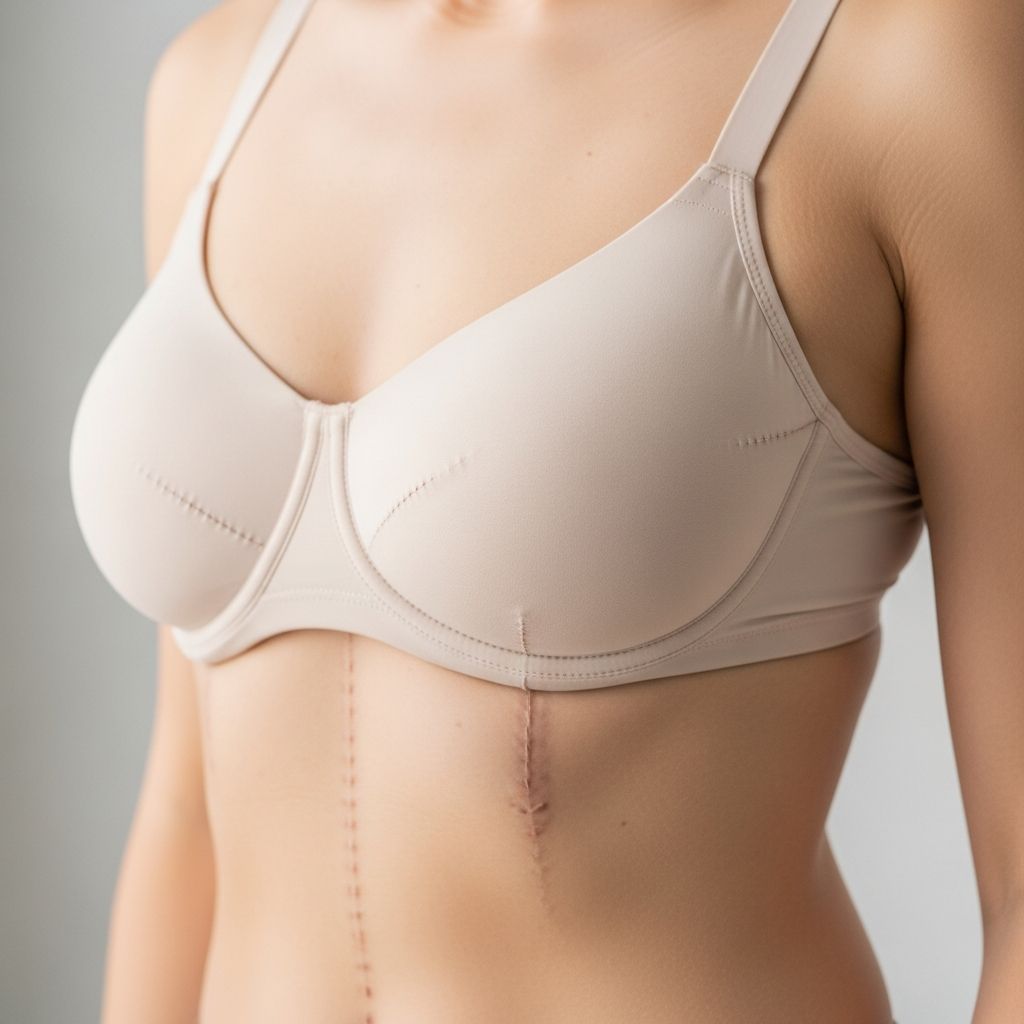
breast uplift
, also known asmastopexy
, is a cosmetic surgical procedure designed to raise and reshape sagging breasts by removing excess skin and tightening the surrounding tissue. This surgery addressesbreast ptosis
, where the nipple-areolar complex (NAC) drops to or below the inframammary fold, restoring a more youthful contour without significantly altering breast size.What is breast ptosis?
Breast ptosis refers to the sagging or drooping of breasts, classified into grades based on the position of the nipple relative to the inframammary fold. Grade 1 involves minor drooping with the nipple at the fold level; Grade 2 shows moderate sagging with the nipple above but tissue below; Grade 3 is severe, with the nipple well below the fold. Factors contributing to ptosis include aging, pregnancy, breastfeeding, weight fluctuations, gravity, and loss of skin elasticity.
Understanding the procedure
Mastopexy repositions the NAC higher on the breast mound, reshapes the breast tissue, and excises excess skin to create a firmer, perkier appearance. It can be performed alone or combined with breast augmentation (using implants) or reduction. The choice of technique depends on the degree of ptosis, skin quality, breast volume, and patient preferences regarding scarring.
Who is suitable for breast uplift surgery?
Ideal candidates are women with good overall health, stable weight, non-smokers, and realistic expectations. It’s particularly beneficial for those experiencing sagging after pregnancy, weight loss, or aging. Patients planning future pregnancies may be advised to delay surgery, as pregnancy can alter results. A consultation assesses ptosis grade, skin elasticity, and goals to determine suitability.
- Stable body weight for at least 6 months
- Non-smoker or willing to quit
- Completed family planning
- Mild to severe ptosis
How is the surgery performed?
Mastopexy is typically an outpatient procedure lasting 2-4 hours under general anesthesia or intravenous sedation. The surgeon makes incisions to access breast tissue, lifts and reshapes it, repositions the NAC (preserving sensation via pedicle techniques), reduces areola size if needed, and closes with layered sutures.
Common incision patterns include:
- Crescent lift: Minimal excision along the upper areola border for very mild ptosis (<2cm lift). Advantages: Minimal scarring hidden in areola. Disadvantages: Limited lift, risk of areola distortion.
- Circumareolar (donut) lift: Incision around the areola for small lifts (<2cm). Skin is removed like a donut, cinched with purse-string sutures. Suitable for reducing areola size.
- Vertical (lollipop) mastopexy: Circumareolar plus vertical incision to inframammary fold for moderate ptosis (2-5cm lift). Allows tissue reshaping and pillar suturing for support. Avoids horizontal scar.
- Anchor (Wise pattern) mastopexy: Full incisions: circumareolar, vertical, and horizontal along inframammary fold for severe ptosis. Provides maximum skin removal and reshaping.
For combined augmentation-mastopexy, implants are placed via the same incisions. Single-stage for mild ptosis/small implants; two-stage for severe cases.
Planning your surgery
Pre-operative planning involves a detailed consultation with a board-certified plastic surgeon. Expect medical history review, physical exam, ptosis grading, photography, and discussion of techniques, risks, and outcomes. Stop smoking 4-6 weeks prior, avoid certain medications, and arrange post-op support. Costs range from $7,000-$10,000 depending on complexity, though not covered by insurance unless medically necessary.
Going ahead with the operation
On surgery day, you’ll receive anesthesia, have incisions marked, and undergo the procedure. Most patients go home the same day with drains possibly in place. Initial recovery focuses on pain management (medications), wound care, and avoiding strain.
Related Stories



Recovery after breast uplift
Expect swelling, bruising, and discomfort for 1-2 weeks, managed with ice, elevation, and painkillers. Wear a surgical bra 24/7 for 4-6 weeks. Resume light activities in 1 week, full exercise in 4-6 weeks. Scars fade over 12-18 months with silicone gels or sheets. Final results visible in 3-6 months as swelling subsides.
| Recovery Timeline | Activities/Restrictions |
|---|---|
| Days 1-7 | Rest, pain meds, no lifting >5lbs |
| Weeks 2-4 | Light walking, desk work, surgical bra |
| Weeks 5-6 | Gradual exercise resumption |
| Months 3+ | Full activity, scar maturation |
The risks of breast uplift surgery
Like all surgeries, mastopexy carries risks including infection, bleeding, poor wound healing, changes in nipple sensation (temporary or permanent), asymmetry, scarring (hypertrophic or keloid), fat necrosis, and anesthesia complications. Ptosis recurrence possible with weight changes or pregnancy. Combined augmentation increases implant-specific risks like capsular contracture.
- Common (5-10%): Swelling, bruising, temporary sensation changes
- Rare (<2%): Infection, seroma, nipple loss
- Scar-related: Visible or widened scars, mitigated by technique and care
Aftercare and scar management
Follow surgeon instructions: Keep incisions clean/dry, avoid sun exposure, use scar therapy from week 3. Massage scars after 6 weeks. Long-term: Maintain stable weight, wear supportive bras.
Life after breast uplift
Most patients report high satisfaction with improved shape, clothing fit, and confidence. Breasts appear perkier with better upper pole fullness. Results last 10+ years but affected by lifestyle. Regular self-exams and mammograms essential post-surgery.
Costs
Average cost: $7,275–$7,800 in the US, varying by location, surgeon expertise, and add-ons like implants. Includes anesthesia, facility fees. Financing options available; rarely insured.
Questions to ask your surgeon
- What technique is best for my ptosis grade?
- Will I lose nipple sensation?
- What scars can I expect?
- Can it be combined with implants?
- What are your complication rates?
- Show before/after photos of similar cases.
Frequently Asked Questions (FAQs)
Does breast uplift change breast size?
No, mastopexy primarily reshapes and lifts without significantly altering volume. Augmentation or reduction can be added for size changes.
How long do results last?
Typically 10-15 years, but gravity, aging, and lifestyle factors influence longevity.
Will I be able to breastfeed after?
Possible if milk ducts are preserved, but no guarantees. Discuss if planning future children.
When can I return to work?
1-2 weeks for desk jobs; longer for physical work.
Is it painful?
Moderate discomfort managed with medications; peaks in first 48 hours.
References
- Mastopexy (Breast Lift) – StatPearls — NCBI Bookshelf. 2023-10-01. https://www.ncbi.nlm.nih.gov/sites/books/NBK610682/
- Breast Lift (Mastopexy) Procedure — MedStar Health. 2024-05-15. https://www.medstarhealth.org/services/breast-lift-mastopexy
- Breast Lift (Mastopexy) — Columbia University Department of Surgery. 2023-11-20. https://columbiasurgery.org/conditions-and-treatments/breast-lift-mastopexy
- Breast Lift (Mastopexy) — University of Utah Health. 2024-02-10. https://healthcare.utah.edu/plastic-surgery/breast/lift
- Breast Lift Surgery Procedure — University of Florida Health. 2023-09-05. https://plastics.ufhealth.org/plastic-surgery-resources/knowledge-center/breast-lift-procedure/
- Breast Lift (Mastopexy): Surgery & Recovery — Cleveland Clinic. 2024-01-12. https://my.clevelandclinic.org/health/treatments/23298-breast-lift
- Breast Lift Procedure Steps — American Society of Plastic Surgeons. 2023-08-22. https://www.plasticsurgery.org/cosmetic-procedures/breast-lift/procedure
Similar Articles








Read full bio of medha deb