Breastfeeding And Eczema: Evidence-Based Care For Parents
Explore how breastfeeding influences eczema in infants and mothers, backed by research on risks, benefits, and practical management strategies.
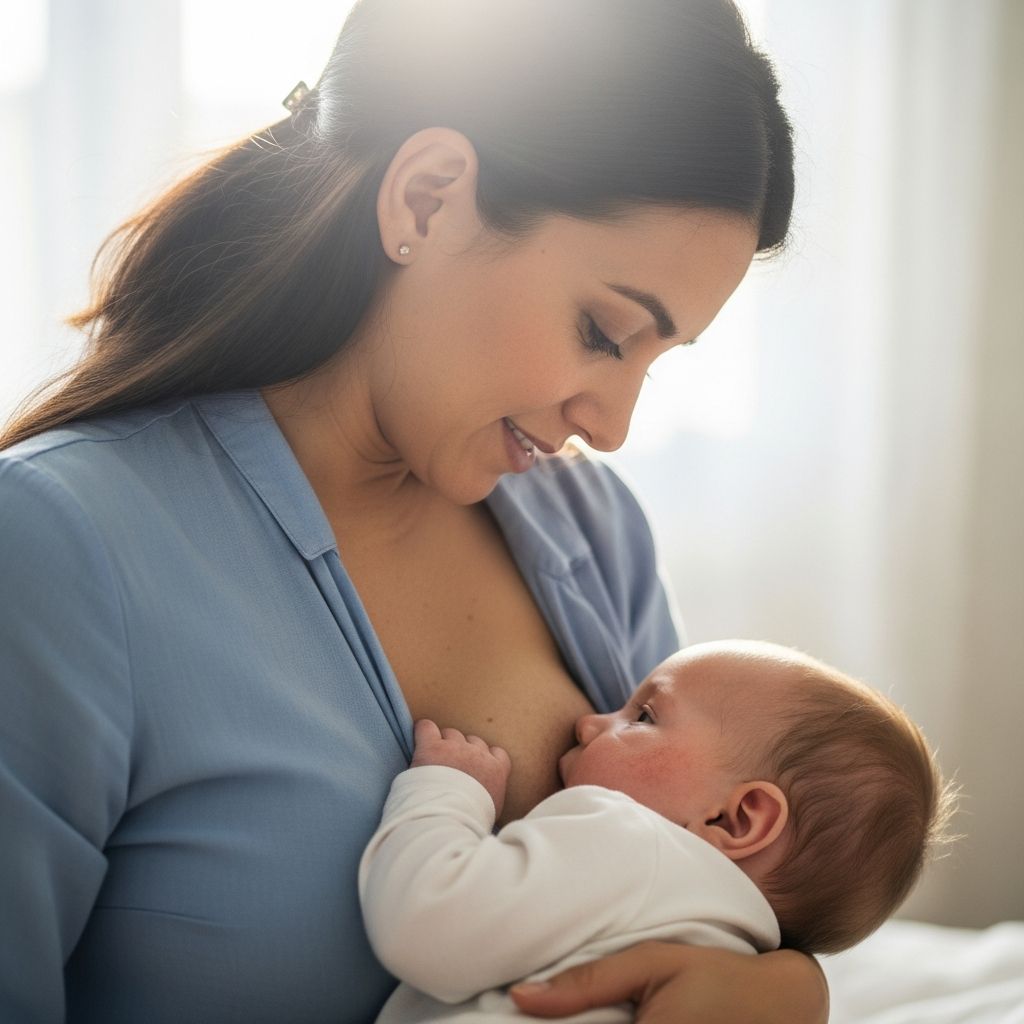
Breastfeeding offers numerous health benefits for infants and mothers, but its relationship with eczema—a common inflammatory skin condition—remains complex and sometimes contradictory. Research indicates that while breastfeeding may not always prevent eczema onset, extended duration can influence its persistence, particularly in certain family histories. This article delves into scientific evidence, practical advice for managing eczema during nursing, and strategies to support skin health for both mother and baby.
Understanding Eczema in the Context of Nursing
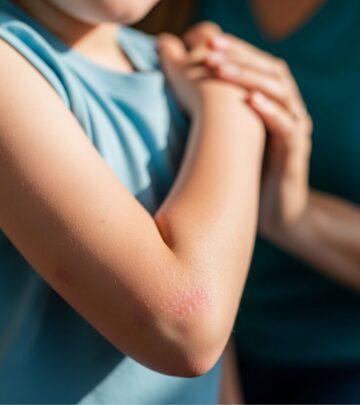
Eczema, also known as atopic dermatitis, manifests as dry, itchy, inflamed skin that can appear on the face, elbows, knees, or other areas. For breastfeeding mothers, it may develop on nipples due to moisture, friction, and exposure, while infants might experience rashes influenced by feeding practices. Studies highlight that breastfeeding duration correlates with eczema patterns, but reverse causation—where early eczema symptoms prolong nursing—complicates interpretations.
Key factors include genetics, maternal diet, and environmental triggers. Infants with family histories of allergies show varied responses to breastfeeding exclusivity, underscoring the need for personalized approaches.
Does Breastfeeding Prevent or Promote Infant Eczema?
Scientific inquiry reveals mixed outcomes. Exclusive breastfeeding beyond three months may reduce the chronicity of eczema in diagnosed infants, lowering odds of symptoms persisting to age six. In one analysis of over 2,000 mother-infant pairs, babies with early eczema signs breastfed longer on average (5.2 months versus 4.1 months without), suggesting parents extend nursing in response to symptoms rather than breastfeeding causing the condition.
Survival analysis models accounting for time-varying covariates confirm this reverse causation, adjusting risk estimates downward. Each additional breastfeeding month appeared to raise early eczema risk by 3% in unadjusted models, but proper statistical controls reveal no causal increase.
Influence of Family Allergy History
Parental allergic background significantly modulates breastfeeding’s impact. Exclusive breastfeeding for at least four months links to higher atopic dermatitis risk (incidence rate ratio 1.29) in children of nonallergic parents, but shows neutral or protective effects in those with one or two allergic parents (IRR 1.11 and 0.88, respectively).
| Parental Allergy History | Exclusive Breastfeeding ≥4 Months IRR (95% CI) |
|---|---|
| None | 1.29 (1.06-1.55) |
| One Parent | 1.11 (0.94-1.31) |
| Two Parents | 0.88 (0.67-1.13) |
This table summarizes findings from a large cohort study using Cox proportional hazards models, controlling for confounders like infections and formula use. Longer exclusive breastfeeding showed a dose-response increase in risk for nonallergic families, peaking at 4-6 months.
Protective Effects Against Chronic Eczema
While initial onset may not differ, prolonged exclusive breastfeeding (>3 months) significantly cuts chronic eczema likelihood. Among infants with infant-diagnosed eczema, 58.58% had ongoing symptoms at age six, but those breastfed exclusively longer faced lower odds, independent of sociodemographics and family allergy history. Multivariable logistic regression from the Infant Feeding Practices Study II supports this, emphasizing breastfeeding’s role in symptom mitigation over prevention.
Related Stories



Managing Maternal Eczema During Breastfeeding
Breastfeeding mothers often face nipple eczema from constant moisture and sucking friction. Safe management includes applying expressed breast milk post-feed, which has natural antimicrobial properties, or edible oils to soothe cracks. Steroid creams remain viable for non-nipple areas, with sparing use on breasts after feeds to minimize infant exposure.
- Regularly apply fragrance-free emollients to maintain skin barrier.
- Avoid irritants like scented soaps; opt for gentle cleansers.
- Air-dry nipples between feeds to reduce moisture buildup.
- Consult providers for moderate steroids if inflammation persists.
Infant Skincare Tips for Nursing Families
For babies showing eczema signs, continue breastfeeding unless contraindicated, as abrupt weaning lacks evidence of benefit. Focus on holistic care:
- Bathe infants lukewarm water no more than 2-3 times weekly with soap-free products.
- Moisturize within 3 minutes post-bath using thick, ointment-based creams.
- Trim nails to prevent scratching; use cotton mittens at night.
- Monitor for food triggers via maternal diet elimination trials under guidance.
Role of Maternal Diet and Allergens
Maternal dietary choices during lactation may indirectly affect infant eczema via breast milk components. While direct causation remains unproven, avoiding common allergens like dairy or eggs if family history suggests sensitivity can help. Future research, including ongoing follow-ups from key cohorts, aims to clarify diet-breastfeeding interactions on long-term skin outcomes into adolescence.
Practical Strategies for Continued Breastfeeding
Nursing with eczema requires adaptation. Use nipple shields cautiously for severe cracks, ensuring proper latch to minimize trauma. Pump and hand-express if direct feeding irritates, storing milk safely. Support groups and lactation consultants provide tailored advice, emphasizing that most cases resolve with consistent care.
Frequently Asked Questions
Can I use steroid creams while breastfeeding?
Yes, sparingly on non-nipple areas; for nipples, wait until after feeds and wipe off before nursing. Consult a doctor for potency selection.
Should I stop breastfeeding if my baby has eczema?
No, evidence supports continuing, as breastfeeding may protect against chronicity.
How long should I exclusively breastfeed to benefit skin health?
Aim for at least 3-4 months exclusively, adjusting based on family allergy history and pediatric advice.
Is nipple eczema always from breastfeeding?
Often linked to moisture and friction, but allergies or thrush can contribute; seek differential diagnosis.
Does formula reduce eczema risk compared to breastfeeding?
Hydrolyzed formulas may help high-risk infants, but not superior for all; breastfeeding benefits often outweigh.
Navigating Conflicting Research
Studies vary due to methodologies: some overlook reverse causation, leading to apparent risk increases. High-quality analyses using time-to-event data provide clearer pictures, prioritizing survival models over simple regressions. Parents should weigh individual factors like genetics against population-level data.
Emerging evidence suggests breastfeeding’s immune-modulating factors, like oligosaccharides, foster healthy microbiomes potentially averting severe eczema trajectories. Combined with emollient therapy from birth, nursing aligns with preventive dermatology guidelines.
References
- The Relationship of Breastfeeding and Infant Eczema — PubMed/NCBI. 2019-12-22. https://pubmed.ncbi.nlm.nih.gov/31855464/
- Breastfeeding for More Than Three Months May Decrease Eczema — American Academy of Allergy, Asthma & Immunology (AAAAI). 2019-02-22. https://www.aaaai.org/about/news/news/eczemas
- Breastfeeding and Risk of Atopic Dermatitis, by Parental History of Allergy — American Journal of Epidemiology/Oxford Academic. 2004-08-01. https://academic.oup.com/aje/article/160/3/217/59163
- Eczema and Breastfeeding — Breastfeeding Network. Accessed 2026. https://www.breastfeedingnetwork.org.uk/factsheet/eczema/
- Breastfeeding and Infant Eczema in the First Year of Life — American Academy of Pediatrics (AAP)/Pediatrics. 2007-01-01. https://publications.aap.org/pediatrics/article/119/1/e137/70653/Breastfeeding-and-Infant-Eczema-in-the-First-Year
Similar Articles








Read full bio of Sneha Tete