Breastfeeding Cravings: Why You’re Always Hungry
Discover why nursing mothers experience intense hunger and learn science-backed strategies to satisfy cravings.

If you’ve recently started breastfeeding, you may have noticed something surprising: you’re ravenous. After eating a meal that would normally keep you satisfied for hours, you find yourself hungry again just an hour later. This isn’t in your head, and you’re certainly not alone. The constant hunger and cravings nursing mothers experience are real physiological responses to the demands lactation places on the body.
The good news? Understanding the science behind breastfeeding hunger can help you make informed choices about nourishing both yourself and your baby during this critical stage.
Why Breastfeeding Makes You Incredibly Hungry
The primary reason you’re experiencing intense hunger while breastfeeding is straightforward: milk production is metabolically expensive. Your body burns approximately 450 to 500 extra calories per day to produce breast milk. To put this in perspective, that’s equivalent to running a 5-kilometer race every single day just to fuel lactation.
Calories are your body’s source of energy, and when you’re nursing, the calories and nutrients you consume are used much more rapidly than they would be under normal circumstances. The food you eat is literally being transformed into nutrition for your baby. Your body cannot manufacture milk from empty reserves—it requires consistent fuel to maintain adequate milk supply and support your own physical recovery postpartum.
Additionally, your baby’s erratic feeding schedule directly influences your own hunger patterns. Since infants feed every few hours around the clock, you may find yourself hungry at unusual times, such as 3 AM. This is completely normal and will gradually align with your baby’s developing sleep and feeding cycles.
Hormonal Changes and Nutritional Demands
Beyond simple calorie depletion, hormonal fluctuations play a significant role in breastfeeding cravings. During lactation, your body experiences shifts in hormones including oxytocin and prolactin, which stimulate milk production and secretion. These hormonal changes can intensify appetite signals and trigger specific food cravings.
Your nutritional needs expand considerably while nursing. Your body requires increased amounts of specific vitamins, minerals, and nutrients to support milk production. These include:
- Protein: Essential for building and repairing muscle tissue, protein supports both your postpartum recovery and your baby’s growth. Quality sources include meat, poultry, seafood, eggs, dairy, legumes, and soy products.
- Calcium: Crucial for your baby’s bone development while simultaneously maintaining your own skeletal health. Dairy products, leafy greens, and fortified alternatives provide this vital mineral.
- Iodine: Supports cognitive development in your nursing infant.
- Choline and DHA: Both omega-3 fatty acids that promote brain development.
When your body is deficient in these nutrients, it may trigger cravings as a mechanism to signal nutritional needs. However, cravings don’t always align perfectly with what your body actually requires, which is why mindful food selection becomes important.
The Hydration Factor: Thirst and Milk Production
If you’ve noticed that you’re constantly thirsty while nursing, your body is sending you an important message. Breast milk is approximately 88% water, and all that fluid must come from your own body. Staying properly hydrated is essential not only for your personal health but also for maintaining adequate milk supply.
Your body naturally increases thirst signals during lactation as a built-in mechanism to encourage you to drink more fluids. If you experience signs such as fatigue, dry mouth, or dark urine, these are indicators that you need to increase your water intake.
Related Stories



Beyond plain water, you can stay hydrated through herbal teas, milk, and water-rich foods like fruits and vegetables. A practical strategy is to keep water handy and drink a glass every time you nurse.
Common Breastfeeding Cravings and What They Mean
Nursing mothers frequently report cravings for specific types of foods. While salty foods are among the most commonly craved items, research has not definitively established a direct link between salt cravings and specific nutritional deficiencies during breastfeeding. However, some cravings may reflect your body’s genuine need for particular nutrients.
For example, cravings for protein-rich foods might indicate your body’s increased protein requirements, which are elevated during lactation. Desires for whole grains, fruits, and vegetables may reflect your body’s need for sustained energy and micronutrients. Rather than fighting cravings, the key is to listen to your appetite and make nutritious choices when those hunger signals arrive.
The Importance of Eating Frequently
Eating regular meals and snacks every 3 to 4 hours helps maintain stable blood sugar levels, which prevents the fatigue, irritability, and intensified cravings that come from energy crashes. This frequent eating pattern aligns naturally with your baby’s feeding schedule and helps you sustain the energy needed for milk production and postpartum recovery.
When friends and family ask how they can help, requesting prepared foods—especially single-serve meals and snacks that freeze well—is an excellent strategy. This removes the barrier of meal preparation when you’re sleep-deprived and focused on caring for your newborn.
Best Foods to Eat While Breastfeeding
Nutrient-dense foods should form the foundation of your breastfeeding diet. Focus on:
- Lean proteins: Chicken, fish, lean beef, eggs, and legumes
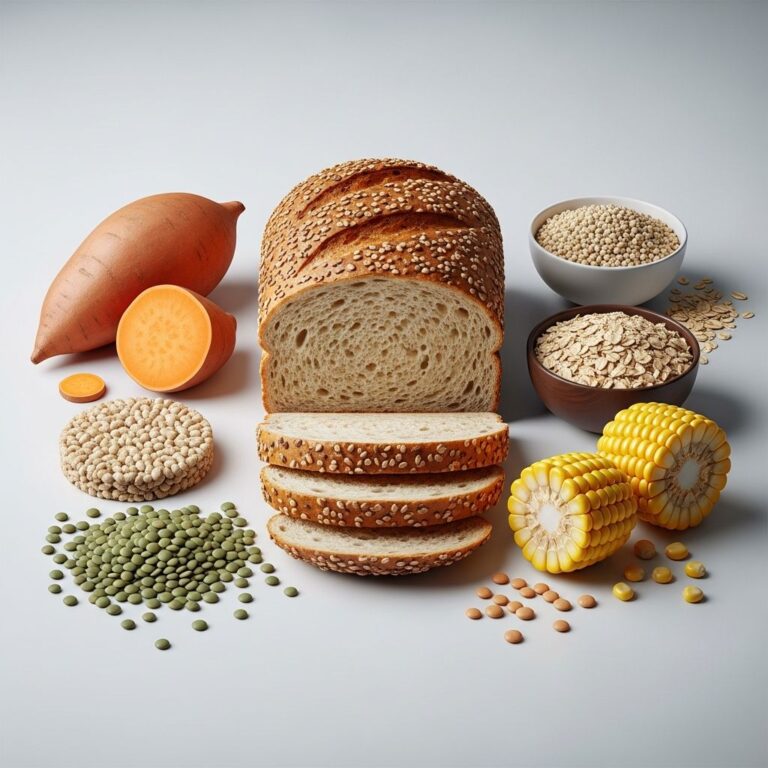
- Whole grains: Oats, brown rice, whole wheat bread, and quinoa
- Fruits and vegetables: Especially colorful varieties rich in vitamins and minerals
- Healthy fats: Avocados, nuts, seeds, and olive oil
- Dairy or fortified alternatives: For calcium and protein
It’s important to limit added sugars and processed foods while increasing real, whole foods. While artificial and natural sweeteners exist, minimizing added sugar helps maintain stable energy levels and supports hormonal balance.
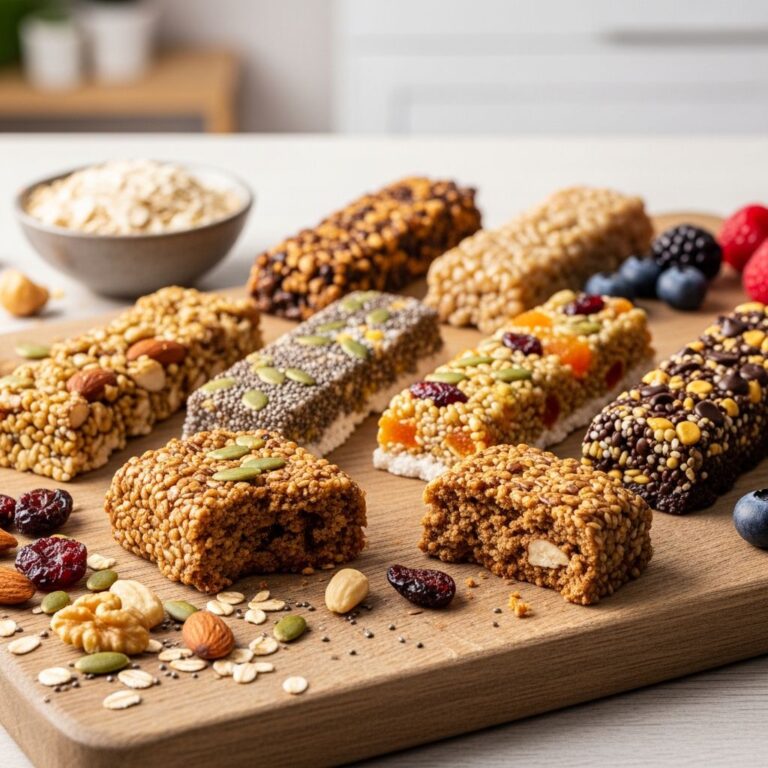
Breastfeeding Snack Ideas for Sustained Energy
Quick, portable snacks are essential during the breastfeeding phase. Consider these options:
- Banana with Nut Butter: The natural sugars in bananas provide immediate energy, while nut butter stabilizes blood sugar for lasting fuel. The potassium also supports hydration and helps prevent muscle cramps—common in sleep-deprived parents.
- Apple with Almond Butter: High fiber content prevents blood sugar spikes, while healthy fats and protein provide sustained satiety.
- Oatmeal-Based Snacks: Oats are classified as “galactagogues,” foods believed to support milk production by stimulating prolactin (the hormone responsible for milk synthesis) or by providing lactation-supporting nutrients.
- Yogurt with Berries: Combines protein and calcium with antioxidants
- Cheese and Crackers: Easy protein and calcium combination
- Nuts and Seeds: Portable, nutrient-dense options
Why You Should Never Restrict Calories While Nursing
It’s tempting to restrict food intake to lose postpartum weight quickly, but this approach is counterproductive and potentially harmful. Consuming fewer than 1,800 calories per day significantly reduces milk supply, depriving your baby of necessary nutrients for growth and development. Additionally, restricting food intake impairs your own physical recovery and can contribute to postpartum fatigue and mood disturbances.
Research shows that mothers who breastfeed actually lose pregnancy weight faster than those who don’t, even without calorie restriction. The metabolic demands of lactation naturally support gradual, healthy weight loss. Instead of restricting calories, eat when you feel hungry and make nutritious choices.
Understanding Hunger Versus Cravings
An important distinction exists between genuine hunger and food cravings. True hunger represents your body’s nutritional needs, while cravings may reflect emotional desires, hormonal fluctuations, or specific nutrient deficiencies. During growth spurts, when your baby demands more milk, you’ll naturally feel hungrier on those days—this is your body signaling increased energy requirements.
The most practical approach is to listen to your body and eat when you feel the need. This intuitive eating approach reduces stress and creates a healthier relationship with food during postpartum recovery.
Maintaining Energy and Hormone Balance
Beyond nutrition, maintaining regular sleep and managing stress support hormone and energy levels during breastfeeding. While sleep is often difficult with a newborn, prioritizing rest when possible helps regulate appetite hormones and supports milk production.
If you’re struggling with fatigue, mood changes, or persistent cravings, these may signal that your body needs more rest, hydration, or specific nutrients. Address these signals rather than ignoring them.
Frequently Asked Questions About Breastfeeding Hunger and Cravings
Q: How much extra food should I eat while breastfeeding?
A: You need approximately 450 to 500 extra calories per day to support milk production. Rather than counting calories precisely, listen to your appetite and eat when hungry. Focus on nutrient-dense foods rather than empty calories.
Q: Is it normal to feel thirsty all the time while nursing?
A: Yes, increased thirst is completely normal because breast milk is primarily water, which comes from your body. Pay attention to thirst cues and drink water regularly, aiming for a glass every time you nurse.
Q: Can I diet or fast while breastfeeding?
A: No, this is not the time to restrict calories or experiment with fasting. Consuming fewer than 1,800 calories per day significantly reduces milk supply and deprives your baby of nutrients. Focus on eating frequently with nutritious foods.
Q: What if I crave specific foods like salt?
A: Cravings during breastfeeding are common, though the exact cause isn’t fully understood. If you crave salty foods, satisfy the craving while maintaining overall nutritional balance. Ensure you’re getting sufficient protein, calcium, iodine, and healthy fats.
Q: How often should I eat while nursing?
A: Nutritionists recommend eating every 3 to 4 hours to maintain stable blood sugar levels and prevent energy crashes. This frequent eating pattern naturally aligns with your baby’s feeding schedule.
Q: Are there foods that specifically boost milk supply?
A: Oats are particularly recommended because they’re classified as “galactagogues,” foods believed to support lactation by stimulating prolactin production. However, the most important factor is eating enough overall calories and nutrients rather than relying on specific “magic” foods.
The Bottom Line
Breastfeeding is metabolically demanding work, and increased hunger is your body’s appropriate response to this physiological demand. Rather than fighting your appetite, embrace intuitive eating and make nourishing choices. Prioritize whole foods rich in protein, calcium, healthy fats, and carbohydrates. Stay hydrated by listening to your thirst cues. Eat frequently to maintain stable blood sugar and energy levels. Most importantly, recognize that adequately nourishing yourself directly nourishes your baby—this is not the time for restriction or self-denial.
With the right nutrition and self-compassion, you can satisfy your breastfeeding cravings while supporting optimal health for both yourself and your infant.
References
- Why Breastfeeding Makes You Hungry and Thirsty — GoodRx Health. 2024. https://www.goodrx.com/conditions/pregnancy/why-breastfeeding-makes-you-hungry
- Ask the experts: Breastfeeding and salt — Healthy Food Guide. https://www.healthyfood.com/ask-the-experts/breastfeeding-and-salt/
- Breastfeeding Benefits for Mom — LCMC Health. 2015. https://www.lcmchealth.org/touro/blog/2015/august/breastfeeding-benefits-for-mom/
- Breastfeeding: The Multifaceted Impact on Child Development — PubMed Central / National Center for Biotechnology Information. 2024. https://pmc.ncbi.nlm.nih.gov/articles/PMC12030032/
- Best Breastfeeding Snacks: 9 easy, healthy recipes to support lactation — Partum Health. https://www.partumhealth.com/resources/best-breastfeeding-snacks
Similar Articles








Read full bio of medha deb