Breath Meditation: A Powerful Way to Relieve Stress
Master simple breathing techniques to calm your mind and reduce stress naturally.
Breath Meditation: A Great Way to Relieve Stress
In our fast-paced modern world, stress has become an unavoidable part of daily life for millions of people. Whether stemming from work pressures, personal relationships, financial concerns, or health worries, stress can take a significant toll on both our mental and physical well-being. While there are numerous approaches to managing stress—from medication to therapy to lifestyle changes—one of the simplest and most accessible methods is often overlooked: breath meditation.
Breath meditation represents one of the easiest entry points into the world of meditation and mindfulness practices. Unlike more complex meditation techniques that require extensive training or specialized knowledge, breath meditation can be performed by virtually anyone, anywhere, at any time. Whether you’re sitting at your desk, waiting in line, or lying in bed before sleep, focusing on your breath offers a powerful tool for stress reduction that requires nothing more than your attention and a few minutes of your time.
Understanding the Science Behind Breath Meditation
The effectiveness of breath meditation in reducing stress is not merely anecdotal—it’s backed by solid scientific research. Groundbreaking studies conducted at Harvard Medical School have revealed the physiological mechanisms through which meditation produces its calming effects. Researchers discovered that meditation works by blocking the effects of norepinephrine, an “emergency hormone” that the body releases in response to stressful situations.
When you encounter stress, your body naturally activates the “fight or flight response.” This automatic reaction triggers increased heart rate, elevated blood pressure, faster breathing, and muscle tension—all orchestrated by the release of norepinephrine. While this response was invaluable for our ancestors facing physical threats, modern stress triggers often don’t require such dramatic physiological changes, leaving us in a state of prolonged activation that can harm our health.
Through meditation, the body activates what researchers call the “relaxation response.” This state directly counteracts the fight or flight response, leading to decreased heart rate, lower blood pressure, slower breathing, and reduced muscle tension. Interestingly, studies show that during meditation, while stress hormones are still produced, their effects on the body are effectively blocked, which explains why meditators experience calm despite hormone levels remaining stable.
How Breath Meditation Works in Your Body
The connection between breathing and the nervous system is profound and direct. Your breath serves as a bridge between your conscious mind and your autonomic nervous system—the part of your nervous system that controls involuntary functions like heart rate and digestion. By deliberately controlling your breathing, you can influence your nervous system’s state, shifting it from a stressed, activated state to a calm, regulated state.
When you practice breath meditation, you’re essentially sending signals to your brain that everything is safe. Slow, deep breathing activates the parasympathetic nervous system, often called the “rest and digest” system. This counterbalances the sympathetic nervous system’s “fight or flight” activation. Over time, regular practice of breath meditation can create lasting changes in how your brain processes stress and threat.
Research using advanced neuroimaging techniques has shown that mindfulness-based stress reduction practices, which often incorporate breath meditation, produce measurable changes in brain structure. Studies demonstrate increased gray matter concentration in the hippocampus—a brain region crucial for learning, memory, and emotion regulation—following regular meditation practice. These structural changes correlate with improved emotional resilience and reduced anxiety, suggesting that meditation creates lasting beneficial changes in the brain itself.
Related Stories



Getting Started with Breath Meditation
The beauty of breath meditation lies in its simplicity. You don’t need special equipment, a quiet room, or years of training to begin. Here’s how to start:
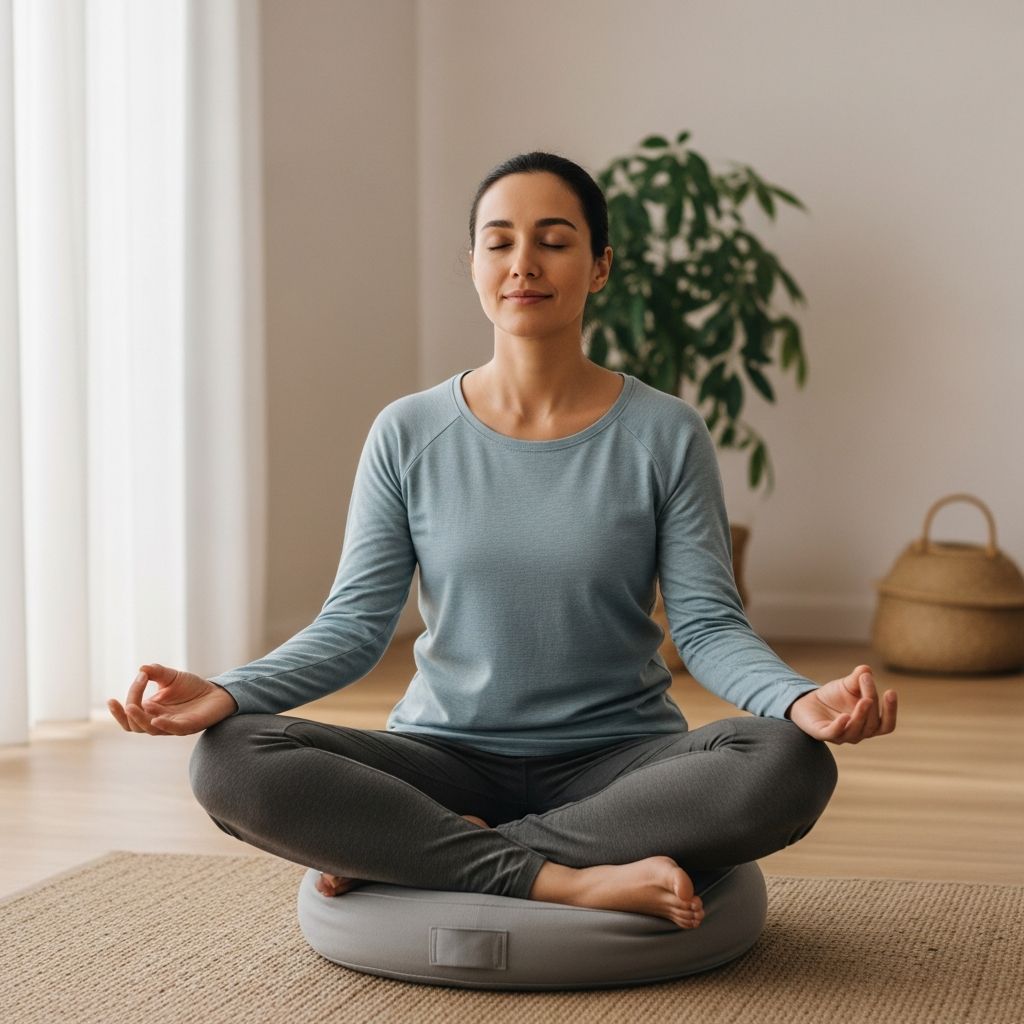
The Basic Technique: Find a comfortable position, either sitting or lying down. Close your eyes if it feels natural, or maintain a soft gaze downward. Bring your attention to your breath. Notice the sensation of air entering through your nostrils, traveling down your windpipe, and filling your lungs. Feel your abdomen or chest rise. Then observe the exhale—the air leaving your body, your abdomen or chest falling. Simply observe this natural rhythm without trying to change it.
The key is to focus your attention on the physical sensations of breathing rather than on your thoughts. When your mind wanders—and it will—gently redirect your attention back to your breath without judgment. This redirection itself is the practice; it’s not about achieving perfect concentration but about the process of returning your focus again and again.
Different Breathing Techniques for Stress Relief
While simple breath awareness is powerful on its own, several specific breathing techniques have been developed to enhance stress relief:
Diaphragmatic Breathing (Belly Breathing)
This technique involves breathing deeply into your diaphragm rather than shallowly into your chest. Place one hand on your belly and one on your chest. Breathe so that the hand on your belly rises more than the hand on your chest. This deeper breathing activates the relaxation response more effectively than shallow chest breathing and should be practiced for 5-10 minutes daily.
Box Breathing
Also called square breathing, this technique involves equal counts for inhalation, holding, exhalation, and another hold. Breathe in for a count of four, hold for four, exhale for four, and hold for four before repeating. This pattern creates a rhythmic, balanced breathing cycle that naturally calms the nervous system.
Alternate Nostril Breathing
This pranayama technique from yoga involves breathing through one nostril while closing the other with your finger, then alternating. This practice is believed to balance the two hemispheres of the brain and create a state of calm focus. Practitioners often report feeling more centered after just a few minutes of practice.
Extended Exhale Breathing
Make your exhale longer than your inhale—for example, breathe in for a count of four and out for a count of six. The longer exhale activates the parasympathetic nervous system more powerfully, creating a stronger relaxation response.
Benefits Beyond Stress Reduction
While stress relief is the primary benefit of breath meditation, research has documented numerous additional benefits:
Improved Sleep: Regular breath meditation practice can help regulate your sleep-wake cycle and improve sleep quality. Many people find practicing before bed particularly helpful for falling asleep.
Enhanced Focus and Attention: By training your mind to focus on your breath, you strengthen your attention span and ability to concentrate on other tasks throughout the day.
Reduced Anxiety and Depression: Studies show that mindfulness-based programs incorporating breath work significantly reduce symptoms of anxiety and depression in many individuals.
Lower Blood Pressure and Heart Rate: The direct physiological effects of the relaxation response include measurable reductions in blood pressure and heart rate, benefiting cardiovascular health.
Better Emotional Regulation: With regular practice, your brain’s capacity to regulate emotional responses improves, helping you respond to challenges more thoughtfully rather than reactively.
Improved Overall Well-being: Practitioners commonly report increased feelings of calm, peace, and general well-being that extend beyond the meditation session itself.
When and Where to Practice
One of the greatest advantages of breath meditation is its flexibility. You can practice:
In the Morning: Starting your day with breath meditation can set a calm, centered tone for everything that follows.
During Work Breaks: Even five minutes of breath meditation at your desk can reset your nervous system and improve focus for the rest of your workday.
Before Bed: Evening practice can help quiet your mind and improve sleep quality.
During Stressful Moments: When you feel stress rising, taking even two minutes for focused breathing can prevent the stress response from escalating.
Any Quiet Location: While a dedicated meditation space is nice, you can practice virtually anywhere—your bedroom, office, car, or even a park.
Building a Sustainable Practice
Consistency matters more than duration. Starting with just five minutes daily is better than occasional hour-long sessions. As you become more comfortable with the practice, you can gradually increase the duration. Many people find that setting a specific time each day—such as immediately after waking or before bed—helps establish breath meditation as a habit.
You might also consider using a meditation app, timer, or guided recording to support your practice, especially as you’re beginning. These tools can provide structure and help you maintain consistency. However, once you’ve learned the basics, you can practice anytime without technological aids.
Overcoming Common Challenges
Racing Thoughts: If your mind won’t stop racing, remember that this is normal. The practice isn’t about achieving a blank mind but about noticing when your mind has wandered and gently redirecting it. Each redirection strengthens your focus.
Physical Discomfort: Experiment with different positions until you find one that feels comfortable. The goal is to be alert yet relaxed, so avoid positions that encourage sleepiness or cause pain.
Impatience with Results: While some people experience immediate calming effects, for others benefits accumulate gradually with consistent practice. Give yourself at least two to four weeks of regular practice before assessing effectiveness.
Frequently Asked Questions
Q: How long should I practice breath meditation?
A: Beginners can start with just 5-10 minutes daily. As you become more comfortable, you can extend to 20-30 minutes. Research suggests that even brief daily practice produces benefits, so consistency matters more than duration.
Q: Can anyone practice breath meditation?
A: Yes, breath meditation is accessible to almost everyone. It requires no special equipment, physical ability, or prior experience. Even people with anxiety or ADHD can benefit, though they may need to be patient with themselves as they develop the practice.
Q: What’s the difference between breath meditation and other meditation types?
A: Breath meditation focuses specifically on observing the breath, making it an “entry level” practice. Other meditation types might focus on body sensations, visualization, or open awareness. Breath meditation is often the foundation for other practices.
Q: Will meditation replace my stress management methods?
A: Breath meditation is a powerful tool but works best as part of a comprehensive approach to stress management that includes exercise, sleep, social connection, and professional help when needed.
Q: How quickly will I see results?
A: Many people feel calmer immediately after a practice session. However, the cumulative benefits—improved baseline mood, better sleep, enhanced resilience—typically develop over weeks of consistent practice.
Q: Is it normal for my mind to wander during meditation?
A: Absolutely. Mind-wandering is completely normal and expected. The practice involves noticing when your mind has wandered and gently returning your focus to your breath. This redirection is the actual meditation.
Q: Can I practice breath meditation while lying down?
A: Yes, you can practice while lying down, though some people find this position too conducive to sleep. If you do practice lying down, ensure your goal is meditation rather than sleep, and adjust your practice time if you consistently fall asleep.
Conclusion
Breath meditation represents one of the most accessible, evidence-based approaches to stress relief available. Requiring nothing more than your attention and a few minutes of time, it harnesses the powerful connection between your breath and your nervous system to shift your body from a stressed state to a calm, regulated state. Whether you’re experiencing acute stress or seeking to build long-term resilience and well-being, breath meditation offers a simple yet profound tool.
The scientific research is clear: regular breath meditation produces measurable changes in brain structure and function, reduces stress hormones, lowers blood pressure, and improves overall well-being. By incorporating this simple practice into your daily routine, you can take an active role in managing your stress and protecting your mental and physical health. Start today with just five minutes of focused breathing, and discover how this ancient practice can transform your modern life.
References
- New Harvard Research Tells How Meditation Calms Stress — The Harvard Crimson. 1982-01-13. https://www.thecrimson.com/article/1982/1/13/new-harvard-research-tells-how-meditation/
- Mindfulness practice leads to increases in regional brain gray matter concentration — National Center for Biotechnology Information, U.S. National Library of Medicine. 2011. https://pmc.ncbi.nlm.nih.gov/articles/PMC3004979/
- Research: Why Breathing Is So Effective at Reducing Stress — Harvard Business Review. 2020-09-29. https://hbr.org/2020/09/research-why-breathing-is-so-effective-at-reducing-stress
Similar Articles








Read full bio of Sneha Tete