Breathing Exercises For Stress Relief: 5 Simple Techniques
Discover simple breathing exercises to reduce stress, anxiety, lower blood pressure, and improve overall well-being in just minutes a day.
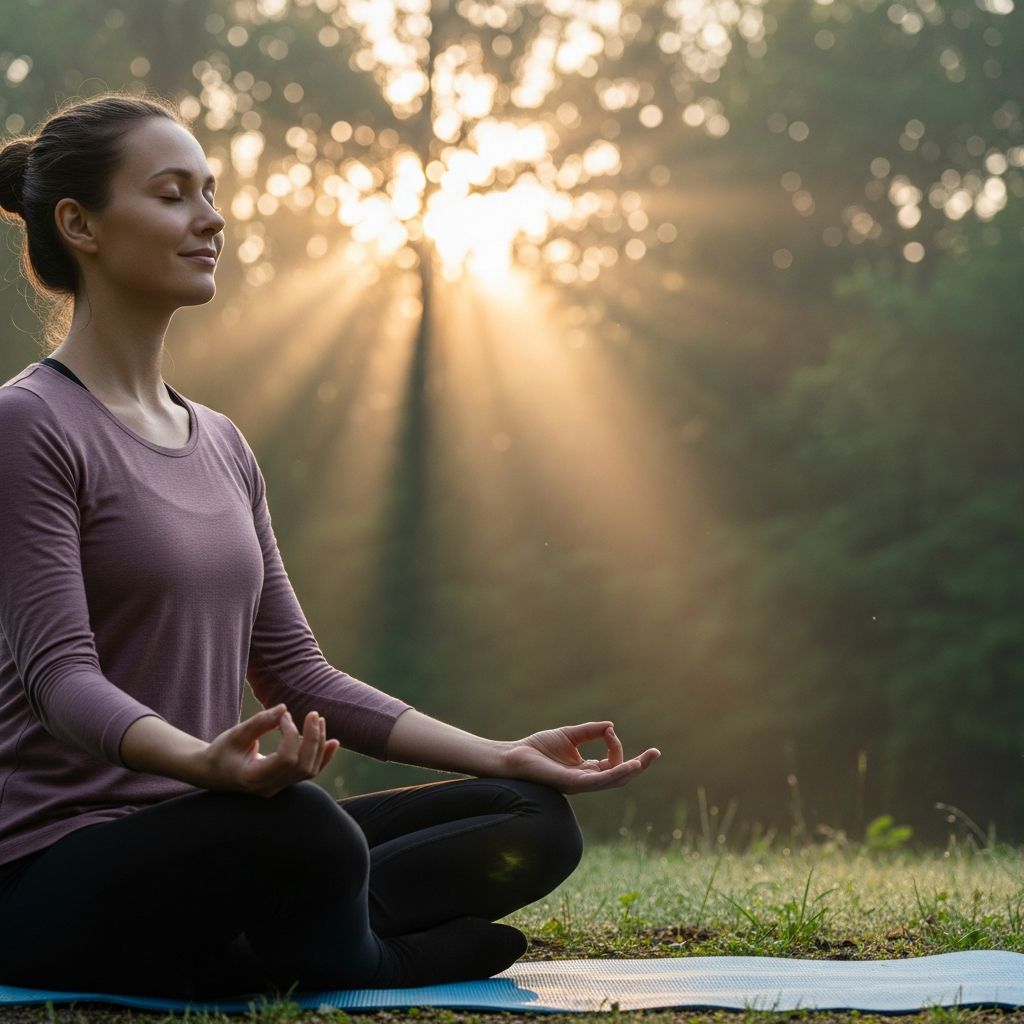
Breathing exercises offer a powerful, accessible way to manage stress, reduce anxiety, and improve physical health. These techniques activate the parasympathetic nervous system, countering the ‘fight or flight’ response triggered by daily stressors. Research shows that controlled breathing can lower blood pressure, enhance mood, and decrease respiratory rate more effectively than mindfulness meditation in some cases.
Why Breathing Exercises Work
When stressed, the body shifts into a heightened state with increased heart rate, muscle tension, and rapid breathing. Slow, deliberate breaths signal safety to the nervous system, promoting relaxation. A study on inspiratory muscle strength training (IMST) found that 30 high-resistance breaths daily reduced systolic blood pressure by 9 mmHg in healthy adults after six weeks. Similarly, exhale-focused breathwork like cyclic sighing significantly improves mood and lowers respiratory rate.
These practices root in traditions like pranayama but are supported by modern science. They help with pain control, blood glucose regulation, and mental health by reducing anxiety and depression symptoms.
1. 4-7-8 Breathing
The
4-7-8 breathing
technique, popularized by Dr. Andrew Weil, promotes relaxation by extending the exhale to stimulate the vagus nerve. Inhale quietly through the nose for a count of 4, hold for 7, and exhale through the mouth for 8 with a whooshing sound. Repeat for 4 cycles.- Best for: Insomnia, acute anxiety, winding down at night.
- How it helps: Longer exhales activate parasympathetic responses, reducing heart rate and stress.
- Tip: Start seated or lying down; place tongue against upper teeth during exhale.
Practice 3-5 cycles max for beginners to avoid dizziness from excess CO2 expulsion.
2. Box Breathing (Square Breathing)
**Box breathing** involves equal counts for inhale, hold, exhale, and hold again—typically 4 counts each. Inhale through the nose, hold, exhale through the mouth, hold empty. This method balances CO2 levels, slowing heart rate.
- Best for: Focus under pressure, like before presentations or exams.
- How it helps: Breath holds increase CO2, enhancing parasympathetic activity; a randomized trial showed it reduces anxiety alongside mood boosts.
- Variations: Navy SEALs use it for tactical calm.
Perform in a quiet space; visualize tracing a square with each phase for better concentration.
3. Diaphragmatic Breathing (Belly Breathing)
**Diaphragmatic breathing** engages the diaphragm for deep, efficient breaths. Place hands on belly, inhale through nose letting abdomen rise (chest stays still), exhale through mouth as belly falls.
- Best for: Beginners, anxiety focusing on chest breathing, chronic stress.
- How it helps: Shifts from shallow chest breaths to full lung capacity, improving oxygenation and calming the mind.
- Tip: Practice lying down first; use for 5-10 minutes daily.
Ideal for those distracted by counting, as hand placement provides tactile feedback.
4. Pursed-Lip Breathing
**Pursed-lip breathing** is simple: Inhale through nose, exhale slowly through pursed lips (like blowing candles) for 2-4 times inhale length. This creates backpressure to keep airways open.
Related Stories



- Best for: Lung conditions like COPD, breathlessness.
- How it helps: Clears stale air, improves oxygen exchange; suitable for those unable to hold breath.
- Tip: Practice during walks to build endurance.
5. Cyclic Sighing (Deep Sigh Breathing)
**Cyclic sighing**, from a 2023 study, emphasizes prolonged exhales. Inhale deeply through nose, add a second inhale for fullness, then sigh out through mouth (longer than inhale). Repeat 5 minutes daily.
- Best for: Mood enhancement, respiratory rate reduction.
- How it helps: RCT showed superior mood improvement (p<0.05) and respiratory rate drop vs. meditation; cumulative benefits grow with adherence.
- Protocol: 30 deep breaths (nose inhale, mouth passive exhale), full exhale hold 15s, repeat rounds.
Outperformed box breathing and hyperventilation in trials for positive affect.
Additional Techniques
Resonant Breathing
Also called coherent breathing, aim for 5-6 breaths per minute (inhale 5s, exhale 5s). Matches heart rate variability for optimal relaxation; use apps for pacing.
Inspiratory Muscle Strength Training (IMST)
Uses a device for resisted inhales (150+ cm H2O). 30 breaths/day mimics exercise benefits for blood pressure without full workouts.
Benefits of Regular Practice
Daily 5-minute sessions yield measurable gains:
| Benefit | Evidence |
|---|---|
| Lower Blood Pressure | 9 mmHg systolic drop in 6 weeks (IMST) |
| Mood Improvement | Cyclic sighing > meditation (p<0.05) |
| Reduced Anxiety | Both breathwork and meditation effective; breathwork superior physiologically |
| Pain Management | Calms sympathetic response |
| Better Sleep | 4-7-8 for pre-bed relaxation |
Combine with mindfulness for amplified effects; track via wearables for HRV/respiratory rate.
How to Get Started: A Beginner’s Guide
- Choose a quiet spot, sit comfortably with straight spine.
- Start with 3-5 breaths per session; build to 5-10 minutes.
- Use guided apps or timers.
- Consult doctor if heart/lung issues or dizziness occurs.
Consistency matters—effects compound over days.
Common Mistakes to Avoid
- Forcing breaths: Keep natural, gentle.
- Overdoing holds: Beginners limit cycles.
- Shallow chest breathing: Focus on belly/diaphragm.
- Ignoring body signals: Stop if lightheaded.
Breathing Exercises for Specific Needs
- Anxiety Attacks: 4-7-8 or pursed-lip.
- Focus: Box breathing.
- Sleep: Diaphragmatic + 4-7-8.
- Athletes: Cyclic sighing pre/post workout.
Frequently Asked Questions (FAQs)
Can anyone do breathing exercises?
Yes, most people can, but consult a doctor if you have respiratory, heart conditions, or are pregnant.
How long until I see benefits?
Immediate calm; sustained mood/physiological changes in 1-4 weeks with daily practice.
Is breathwork better than meditation?
For mood and respiratory rate, yes—cyclic sighing excels; both reduce anxiety.
Do I need equipment?
No for basics; IMST devices optional for advanced.
Can kids practice these?
Simplified versions yes; teach diaphragmatic playfully.
Integrating into Daily Life
Incorporate during commutes, breaks, or bed. Pair with yoga/walking. Track progress in a journal for motivation.
These exercises empower direct physiological control, fostering resilience against modern stressors.
References
- It’s not just inspiration – careful breathing can help your health — American Heart Association. 2023-07-07. https://www.heart.org/en/news/2023/07/07/its-not-just-inspiration-careful-breathing-can-help-your-health
- Brief structured respiration practices enhance mood and reduce physiological arousal — PMC / Cell Reports Medicine (Balban et al.). 2023-01-24. https://pmc.ncbi.nlm.nih.gov/articles/PMC9873947/
Similar Articles








Read full bio of medha deb