Breathing Exercises to Lower Your Blood Pressure
Simple breathing techniques scientifically proven to reduce hypertension and improve cardiovascular health.

High blood pressure, or hypertension, affects millions of people worldwide and is a significant risk factor for heart disease, stroke, and other serious health conditions. While medications play an important role in managing hypertension, there are natural, evidence-based approaches that can complement medical treatment. One of the most effective and accessible tools is already within you: your breath. Breathing exercises represent a powerful, cost-free intervention that can help reduce systolic and diastolic blood pressure when practiced consistently. These techniques work by activating your parasympathetic nervous system, reducing stress hormones, and promoting relaxation throughout your body.
The Science Behind Breathing and Blood Pressure
The relationship between breathing patterns and cardiovascular health is well-established in medical research. When you breathe slowly and deeply, you activate the vagus nerve, which signals your body to enter a state of calm and relaxation. This physiological response counteracts the fight-or-flight response that typically elevates blood pressure during stress. A comprehensive meta-analysis of randomized clinical trials found that breathing exercises have a significant effect on reducing both systolic blood pressure (by an average of 7.06 mm Hg) and diastolic blood pressure (by an average of 3.43 mm Hg). Additionally, these exercises were shown to decrease heart rate by approximately 2.41 beats per minute, further supporting cardiovascular health.
Breathing patterns directly influence your nervous and cardiovascular systems. When stress levels rise, breathing becomes shallow and rapid, which can trigger increases in blood pressure. Conversely, deliberate, controlled breathing activates your relaxation response, reducing stress hormones like cortisol and adrenaline. As breathing physiology experts explain, controlled breathing increases carbon dioxide levels temporarily, which in turn decreases heart rate and promotes cardiovascular stability. Understanding this mind-body connection empowers individuals to take active control of their cardiovascular health through simple, daily practices.
Top Breathing Exercises for Blood Pressure Management
1. The 4-7-8 Breathing Method
The 4-7-8 breathing technique has roots in ancient Indian yoga practices and has gained significant attention in modern medicine for its effectiveness in promoting relaxation and reducing blood pressure. This method involves a specific pattern that maximizes the calming effects of controlled breathing.
How to perform the 4-7-8 breathing method:
- Inhale through your nose for a count of four
- Hold your breath for a count of seven
- Exhale through your mouth for a count of eight
The extended exhale is key to this technique’s effectiveness. By holding your breath, you temporarily increase carbon dioxide levels in your bloodstream, which naturally slows your heart rate and promotes a sense of calm. This technique is particularly beneficial for those experiencing anxiety or stress-related blood pressure spikes.
Important consideration: People with chronic obstructive pulmonary disease (COPD) or other respiratory conditions that result in elevated carbon dioxide levels should consult their healthcare provider before attempting this exercise, as the breath-holding component may cause discomfort or complications.
2. Box Breathing
Box breathing, also known as square breathing, is a simple yet highly effective technique that promotes balance and rhythm in your respiratory system. This method is popular among athletes, military personnel, and individuals managing stress and anxiety.
How to perform box breathing:
- Inhale through your nose for a count of four
- Hold your breath for a count of four
- Exhale through your mouth for a count of four
- Hold for a count of four
- Repeat this cycle 5-10 times
Related Stories



The symmetrical nature of box breathing creates a balanced approach to breath control, making it easier for beginners to follow. The equal timing of each phase helps establish a steady rhythm that signals safety to your nervous system.
Important consideration: Similar to 4-7-8 breathing, individuals with lung conditions or difficulty holding their breath should avoid this exercise or consult their healthcare provider first, as the breath-holding component may not be suitable for all respiratory conditions.
3. Pursed-Lip Breathing
Pursed-lip breathing is a gentler technique that doesn’t require breath-holding, making it more accessible for people with respiratory conditions or those who feel anxious when focusing intensely on their breathing.
How to perform pursed-lip breathing:
- Inhale slowly through your nose
- Exhale through your mouth through pursed lips, as if blowing out birthday candles
- Make your exhale 4 times longer than your inhale
The extended exhale through pursed lips helps keep your airways open longer, promoting more complete oxygen exchange. This technique is particularly helpful for people who experience anxiety when focusing too intensely on breathing patterns, as it shifts attention to the physical sensation of pursed lips rather than breath control itself.
4. Diaphragmatic Breathing
Diaphragmatic breathing, also called belly breathing or abdominal breathing, engages your diaphragm—the large muscle responsible for respiration—rather than relying on shallow chest breathing. This technique can be performed sitting up or lying down, making it versatile for different situations.
How to perform diaphragmatic breathing:
- Place both hands on your abdomen
- Inhale through your nose, allowing your abdomen to balloon outward (your hands should move away from your body)
- Exhale through your mouth, deflating your belly as if bringing your belly button closer to your spine
This technique is particularly valuable for people who experience sleep difficulties. Practicing diaphragmatic breathing upon waking or before bed can establish a calming routine that promotes better sleep quality, which in turn supports healthy blood pressure regulation. The focus on hand movement and belly expansion provides a tangible point of attention that reduces anxiety for those who struggle with breath-focused meditation.
Getting Started with Breathing Exercises
Safety Considerations
While breathing exercises are generally safe for most people, certain precautions should be observed. Initially, practice these exercises while sitting down to prevent dizziness if you experience lightheadedness as your body adjusts to the new breathing pattern. Some individuals may feel slightly uncomfortable during the first few attempts—this is normal as your body adapts to conscious breath control. If you have any underlying respiratory conditions, heart conditions, or other health concerns, consult your healthcare provider before beginning a new breathing exercise regimen.
Optimal Practice Schedule
For maximum effectiveness in lowering blood pressure, consistency is more important than intensity. Research suggests that practicing breathing exercises for 5-10 minutes daily produces measurable improvements in blood pressure readings. Many people find it helpful to practice at the same time each day, such as in the morning before breakfast or in the evening before bed. Some breathing exercises, particularly diaphragmatic breathing, can be integrated into your wind-down routine to promote better sleep, which also contributes to blood pressure management.
Combining Breathing Exercises with Other Lifestyle Modifications
While breathing exercises alone can provide modest but significant reductions in blood pressure, they work best as part of a comprehensive approach to cardiovascular health. Combine breathing exercises with:
- Regular physical activity: Aim for at least 150 minutes of moderate-intensity aerobic exercise weekly
- Stress management: Practice meditation, yoga, or other relaxation techniques
- Dietary changes: Follow a heart-healthy diet rich in fruits, vegetables, whole grains, and low in sodium
- Weight management: Maintain a healthy weight to reduce cardiovascular strain
- Medication adherence: Continue taking prescribed blood pressure medications as directed by your healthcare provider
The Stress-Blood Pressure Connection
Stress is one of the most significant modifiable risk factors for elevated blood pressure. When you experience stress, your body releases hormones that cause your heart to beat faster and blood vessels to constrict, temporarily raising your blood pressure. Over time, chronic stress can contribute to persistent hypertension. Breathing exercises address this connection directly by activating your parasympathetic nervous system—the “rest and digest” system that counteracts stress responses. For many people, breathing exercises provide an easy, accessible way to reduce stress without medication or complex interventions. By practicing these techniques regularly, you create a buffer against stress-related blood pressure spikes and build resilience in your cardiovascular system.
Monitoring Your Progress
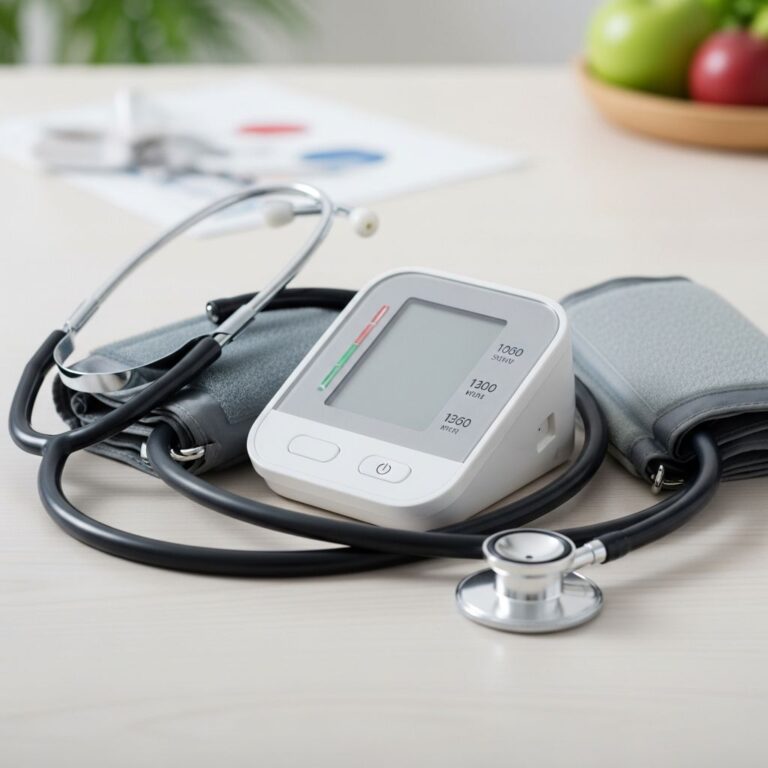
To assess whether breathing exercises are effectively lowering your blood pressure, establish a baseline by taking regular readings before beginning your practice. Use a reliable home blood pressure monitor and keep a log of your readings over several weeks. Take measurements at the same time each day, preferably in the morning before eating or exercising. After practicing your chosen breathing exercises consistently for 4-8 weeks, you should begin to notice improvements in your blood pressure readings. Share these results with your healthcare provider, who can adjust your treatment plan as needed.
Frequently Asked Questions
Q: How quickly will I see results from breathing exercises?
A: While some people experience immediate relaxation during or after breathing exercises, measurable reductions in blood pressure typically appear after 4-8 weeks of consistent daily practice. The key is maintaining regularity with your chosen technique.
Q: Can breathing exercises replace my blood pressure medication?
A: No. Breathing exercises work best as a complement to prescribed medications, not as a replacement. Always continue taking medications as directed by your healthcare provider and discuss any changes with them before adjusting your treatment plan.
Q: Which breathing exercise is best for beginners?
A: Box breathing is often recommended for beginners because of its simple, symmetrical pattern. Pursed-lip breathing is also beginner-friendly as it doesn’t require breath-holding. Start with whichever technique feels most comfortable and gradually incorporate others.
Q: Can I practice breathing exercises while standing or walking?
A: It’s best to practice while sitting down initially to prevent dizziness. Once you’re comfortable with the technique, you may practice in other positions, though seated or lying down remains ideal for maximum benefit.
Q: Are there any side effects from breathing exercises?
A: Breathing exercises are generally safe, though some people may experience mild dizziness, lightheadedness, or tingling sensations, especially when beginning. These effects typically subside as your body adapts. If symptoms persist or worsen, discontinue practice and consult your healthcare provider.
Q: How long should each breathing exercise session last?
A: Start with 5-10 minutes per session. As you become more comfortable with the techniques, you can extend sessions to 15-20 minutes if desired. Even 5 minutes daily can produce beneficial effects on blood pressure.
Q: Can children benefit from breathing exercises?
A: Yes, breathing exercises can be beneficial for children experiencing stress or mild elevated blood pressure. However, always consult your pediatrician before introducing any new health practices for children.
References
- Effect of breathing exercises on blood pressure and heart rate: A systematic review and meta-analysis — Garg P, Mendiratta A, et al. International Journal of Cardiology: Cardiovascular Risk and Prevention. 2024-03. https://doi.org/10.1016/j.ijcrp.2023.200232
- 6 Breathing Exercises to Lower Blood Pressure — AARP Health Center. 2024. https://www.aarp.org/health/conditions-treatments/breathing-exercises-to-lower-blood-pressure/
- Relaxation techniques: Breath control helps quell errant stress — Idaho Division of Aging. https://aging.idaho.gov/
Similar Articles








Read full bio of medha deb