Breathing Pattern Disorders: 6 Types, Symptoms, Treatment
Discover the causes, symptoms, and effective strategies to manage abnormal breathing patterns for better respiratory health.
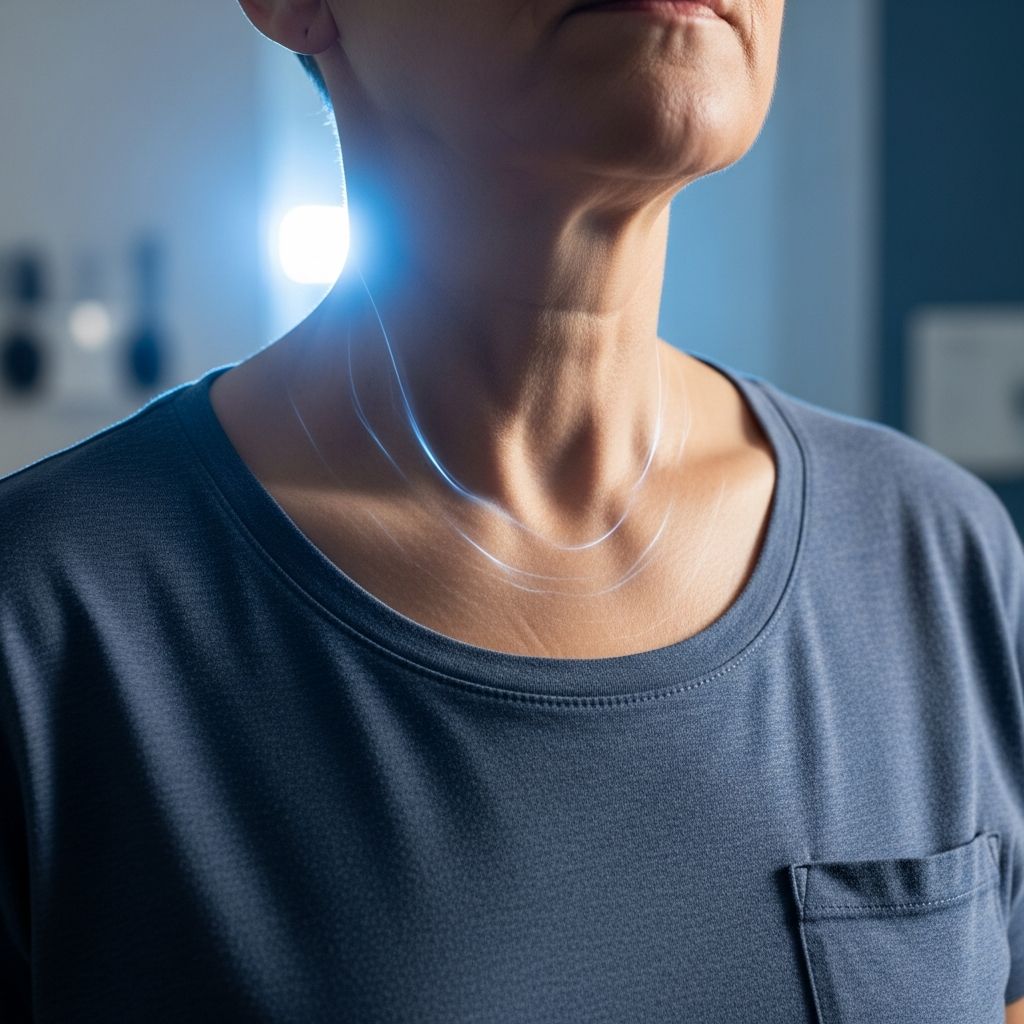
Breathing pattern disorders (BPDs), often called dysfunctional breathing, involve persistent irregularities in how individuals breathe, leading to a range of uncomfortable symptoms without an underlying organic disease.
Understanding Normal vs. Abnormal Breathing
Normal breathing is efficient, primarily using the diaphragm for abdominal respiration at a steady rate of 12-20 breaths per minute, ensuring optimal oxygen-carbon dioxide balance. In contrast, BPDs disrupt this process, causing over-breathing or inefficient patterns that exceed metabolic needs, resulting in hypocapnia (low blood CO2 levels) and symptoms like respiratory alkalosis.
These disorders form a spectrum from mild upper chest dominance to severe hyperventilation syndrome (HVS), where rapid, shallow breaths dominate. Unlike temporary changes during exercise, BPD symptoms persist at rest.
Common Types of Breathing Pattern Disorders
BPDs encompass various abnormal patterns. Key classifications include:
- Thoracic or Upper Chest Breathing: Reliance on chest muscles over the diaphragm, leading to shallow breaths and accessory muscle overuse.
- Hyperventilation Syndrome: Excessive breathing rate or volume, often with sighing, causing alkalosis independent of hypocapnia in some cases.
- Periodic Deep Sighing: Frequent deep inhalations or double breaths, linked to emotional states or pain.
- Forced Abdominal Expiration: Overactive abdominal muscles during exhalation, which should be passive, common in adaptations to conditions like COPD.
- Thoracoabdominal Asynchrony: Mismatched movements between chest and abdomen, reducing tidal volume efficiency.
- Mouth Breathing and Breath-Holding: Irregular pauses or nasal avoidance, contributing to erratic patterns.
| Type | Key Features | Common Associations |
|---|---|---|
| Thoracic DB | Upper chest dominance, sighing | Anxiety, asthma overlap |
| Extrathoracic DB | Upper airway issues like vocal cord dysfunction | Structural anomalies |
| Hyperventilation | Increased rate/volume | Dyspnea, dizziness |
| Asynchrony | Abdomen leads chest | Reduced ventilation efficiency |
Recognizing the Symptoms
Symptoms of BPDs often mimic serious conditions, causing confusion. Primary respiratory signs include irregular or rapid breathing, air hunger, and inability to take satisfying breaths. Non-respiratory effects stem from biochemical shifts: dizziness, tingling in extremities, blurred vision, chest tightness, and cold hands due to vasoconstriction from low CO2.
During acute episodes, individuals may experience palpitations, fatigue, irritable cough, sweating, or panic-like sensations of impending doom. Chronic cases lead to muscle tension in neck and shoulders, headaches, and reduced exercise tolerance. These symptoms fluctuate, worsening with stress.
Root Causes and Risk Factors
BPDs arise when breathing fails to reset after stressors like anxiety, pain, or illness. Habitual over-breathing triggers a cycle: symptoms provoke anxiety, intensifying the pattern. Common triggers include:
- Psychological factors: Habitual anxiety or emotional distress.
- Respiratory conditions: Asthma, COPD, or post-viral effects like long COVID.
- Neurological or structural issues: Nerve palsies or airway obstructions.
- Lifestyle: Poor posture, sedentary habits, or mouth breathing.
In conditions like PoTS, BPD exacerbates faintness and breathlessness. Pediatric cases often involve rapid shallow breathing or breath-holding.
How BPDs Affect the Body
Over-breathing lowers CO2, narrowing blood vessels and reducing tissue oxygenation despite adequate air intake (hypoxic paradox). This triggers alkalosis, heightening nerve sensitivity and causing paresthesia. Mechanically, inefficient patterns fatigue muscles, limit tidal volume, and increase work of breathing.
Long-term, BPDs correlate with heightened dyspnea perception, functional limitations, and coexistence with chronic diseases, amplifying overall symptom burden.
Diagnosis: Ruling Out and Confirming BPD
Diagnosis requires excluding organic causes via history, exams, and tests. Clinicians assess:
- History: Symptoms at rest, recurrent patterns, normal exertion tolerance.
- Observation: Manual assessment of breathing mechanics, Nijmegen Questionnaire for hyperventilation probability.
- Objective Tests: Capnography (ETCO2 monitoring), spirometry, cardiopulmonary exercise testing.
Related Stories



BPD is likely if symptoms persist post-treatment of conditions like asthma.
Treatment and Management Strategies
Core treatment is breathing retraining to restore nasal, diaphragmatic patterns. Approaches include:
- Physiotherapy: Education on normal mechanics, manual therapy for tension, paced breathing exercises.
- Techniques: Diaphragmatic breathing, Buteyko method, or yoga pranayama to reduce rate and promote CO2 tolerance.
- Cognitive Behavioral Therapy (CBT): Addresses anxiety cycles.
- Lifestyle: Posture correction, stress management, avoiding triggers.
Acute hyperventilation responds to rebreathing into a paper bag or reassuring slow breaths. Multidisciplinary care improves outcomes, with many regaining normal function.
Prevention and Long-Term Wellness
Prevent BPD by fostering healthy habits: regular diaphragmatic practice, nasal breathing, and mindfulness. Monitor during recovery from illnesses like COVID-19. Early intervention breaks the vicious cycle, enhancing quality of life.
Frequently Asked Questions (FAQs)
What triggers a breathing pattern disorder episode?
Stress, anxiety, pain, or residual effects from respiratory illnesses often initiate or worsen episodes.
Can children have BPDs?
Yes, manifesting as rapid shallow breaths or irregular patterns, treatable with retraining.
Is BPD the same as asthma?
No, but they can coexist; BPD symptoms persist at rest despite asthma control.
How long does recovery take?
With consistent retraining, improvements occur in weeks to months.
Can exercises fix BPD?
Targeted breathing exercises are primary, often combined with therapy for best results.
References
- Breathing Pattern Disorders – Physiopedia — Physiopedia. 2023. https://www.physio-pedia.com/Breathing_Pattern_Disorders
- Breathing Pattern Disorder: Introduction and Diagnostics — PubMed (NCBI). 2024-10-01. https://pubmed.ncbi.nlm.nih.gov/39608873/
- Breathing Pattern Disorder | Symptoms & Treatment — Cincinnati Children’s Hospital. 2023. https://www.cincinnatichildrens.org/health/b/breathing-pattern-disorder
- Breathing pattern disorders | Healthify — Healthify NZ (Government). 2024. https://healthify.nz/health-a-z/b/breathing-pattern-disorders
- Breathing Pattern Disorder — ILOVCD Toolkit (Physio-led). 2023. https://ilovcdtoolkit.org/breathing-pattern-disorder/
- Breathing pattern disorders – an overview — Cambridge University Hospitals NHS. 2023. https://www.cuh.nhs.uk/patient-information/breathing-pattern-disorders-an-overview/
Similar Articles








Read full bio of medha deb