Breathing Techniques for Daily Anxiety Management
Master proven breathing techniques to reduce anxiety daily and regain control of your wellbeing.
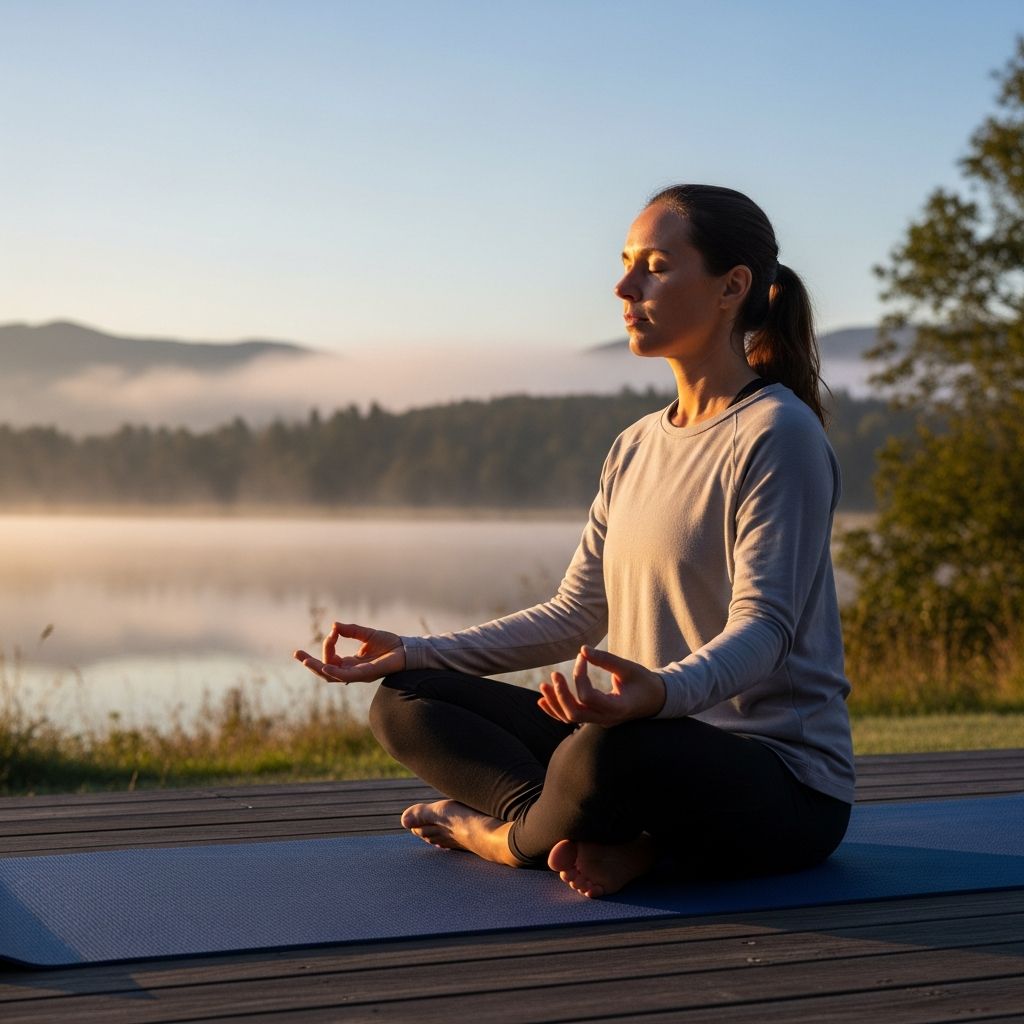
Anxiety is a common experience that affects millions of people worldwide. Whether you’re dealing with everyday stress or more persistent anxiety symptoms, finding effective coping strategies is essential for maintaining your mental health and quality of life. One of the most accessible and scientifically-supported approaches to managing anxiety is through controlled breathing techniques. Unlike medications or lengthy therapy sessions, breathing exercises can be practiced anywhere, anytime, and at no cost. Research has consistently demonstrated that just five to ten minutes of daily breathing practice can significantly reduce anxiety levels, lower stress, and improve overall mood.
The connection between breathing and anxiety is well-established in medical science. When you feel anxious, your body’s sympathetic nervous system—responsible for the “fight or flight” response—becomes overactive. This leads to rapid, shallow breathing, which can intensify feelings of panic and worry. By consciously controlling your breath, you activate your parasympathetic nervous system, which promotes relaxation and calm. This physiological shift is not merely psychological; it’s a measurable change in your body’s nervous system function that creates lasting benefits for your mental health.
Understanding Why Breathing Matters for Anxiety
Many people don’t realize the profound impact their breathing patterns have on their emotional state. When anxiety strikes, breathing typically becomes rapid and shallow, originating from the upper chest rather than the diaphragm. This shallow breathing pattern actually perpetuates anxiety by signaling to your brain that you’re in danger, creating a vicious cycle of increasing worry and faster breathing.
According to clinical research, controlled breathing exercises activate the parasympathetic nervous system, which slows down your heart rate and produces an overall soothing effect on the body. This is not a temporary distraction; it’s a fundamental shift in how your nervous system operates. When you practice breathing techniques regularly, you train your body to access this calm state more easily, even during stressful moments.
The beauty of breathing techniques is their simplicity and immediate accessibility. Unlike therapy sessions that require appointments or medications that need prescriptions, breathing exercises require nothing but awareness and a few minutes of your time. You can practice them at work, at home, while waiting in traffic, or anywhere anxiety arises.
Diaphragmatic Breathing: The Foundation
Diaphragmatic breathing, also called belly breathing or deep breathing, is one of the most fundamental and effective breathing techniques for anxiety management. This technique focuses on using your diaphragm—the large muscle beneath your lungs—rather than the muscles in your upper chest and shoulders.
Many people unconsciously shift to chest breathing when anxious, which paradoxically intensifies anxiety symptoms. The diaphragm is designed to be your primary breathing muscle, and when you engage it consciously, you signal safety to your nervous system. Here’s how to practice diaphragmatic breathing:
- Sit or lie in a comfortable position
- Place one hand on your chest and one on your belly
- Breathe slowly and deeply in through your nose
- Focus on expanding your belly rather than your chest
- Exhale slowly through your mouth
- Try to make your exhale twice as long as your inhale (for example, count to two while breathing in and four while breathing out)
Practice this technique for 2-3 minutes daily when you’re relaxed. This regular practice conditions your body so you can naturally access this breathing pattern when you feel tense or anxious. Over time, diaphragmatic breathing becomes automatic, providing continuous anxiety relief throughout your day.
Related Stories



Cyclic Sighing: The Research-Backed Approach
Recent research from Stanford Medicine has identified cyclic sighing as particularly effective for anxiety reduction. This technique is remarkably simple yet powerful, requiring just five minutes per day to produce measurable improvements in anxiety and mood.
In a randomized controlled trial, cyclic sighing was compared to other breathing exercises and mindfulness meditation. Participants who practiced cyclic sighing showed the greatest improvements in positive mood, and these benefits increased as they continued the practice over consecutive days.
The cyclic sighing technique works as follows:
- Breathe in through your nose until your lungs are comfortably full
- Take a second, deeper sip of air to expand your lungs as much as possible
- Very slowly exhale through your mouth until all air is released
- Repeat this pattern for approximately five minutes
What makes cyclic sighing particularly effective is its emphasis on extended exhalation. Long exhales directly activate the parasympathetic nervous system, producing immediate calming effects. The beauty of this technique is that you may feel calmer after just one or two deep sighs, though regular practice amplifies the benefits. Furthermore, research shows that cyclic sighing can even decrease your resting breathing rate, indicating a lasting shift toward overall body calmness.
Box Breathing: Structure and Control
Box breathing is a structured technique that provides a sense of control and rhythm, making it especially helpful for people who find comfort in patterns.
The technique follows a simple four-count pattern:
- Breathe in through your nose for a count of four
- Hold your breath for a count of four
- Exhale through your mouth for a count of four
- Hold empty for a count of four
- Repeat this cycle for 5-10 minutes
The beauty of box breathing lies in its balance and predictability. By equalizing inhalation, breath-holding, and exhalation, you create a rhythmic pattern that focuses your mind and stabilizes your nervous system. This technique is particularly useful when anxiety feels chaotic or overwhelming, as the structured pattern gives you something concrete to focus on and control.
The 4-7-8 Breathing Technique
Another powerful technique is the 4-7-8 breathing method, which uses specific timing to maximize relaxation:
- Breathe in through your nose for a count of four
- Hold your breath for a count of seven
- Exhale through your mouth for a count of eight
- Repeat this cycle 4-8 times
This technique’s effectiveness comes from the extended exhale, which is longer than both the inhale and the hold. The longer exhale maximizes parasympathetic activation, producing stronger relaxation effects. Many people find this technique particularly helpful before sleep or during moments of acute anxiety.
Alternate Nostril Breathing
Alternate nostril breathing, also known as nadi shodhana in yoga practices, is an ancient technique that has been validated by modern clinical research. This technique balances the nervous system by alternating which nostril you breathe through.
Here’s how to practice it:
- Sit comfortably and close your right nostril with your right thumb
- Breathe in slowly through your left nostril
- Close your left nostril with your right ring finger
- Release your right nostril and exhale through it
- Breathe in through your right nostril
- Close your right nostril and exhale through your left
- This completes one cycle; continue for 5-10 minutes
Clinical studies have included alternate nostril breathing in effective anxiety interventions, confirming its therapeutic value. This technique may feel unusual at first, but it provides excellent focus for your mind while delivering measurable anxiety relief.
Extended Exhale Breathing
Many of the most effective breathing techniques for anxiety share a common element: emphasizing the exhale. Extended exhale breathing directly targets the parasympathetic nervous system by making your exhalation significantly longer than your inhalation.
A simple approach is to:
- Breathe in for a count of three
- Breathe out for a count of six
- Continue this pattern for 5-10 minutes
You can adjust the counts to what feels comfortable, but the key principle is making the exhale at least twice as long as the inhale. Research indicates that this technique produces significant stress and anxiety reduction, making it one of the most efficient breathing practices for daily use.
Establishing a Daily Practice
Understanding breathing techniques is valuable, but consistent practice is what produces lasting benefits. Clinical research shows that regular practice—even just five to ten minutes daily—creates measurable improvements in baseline anxiety levels and mood. Here are evidence-based recommendations for establishing an effective practice:
- Choose a specific time: Practice at the same time each day, such as morning or before bed
- Start with five minutes: Begin with short sessions to build the habit, then extend duration as needed
- Select your technique: Choose one technique and practice it consistently for at least one week before experimenting with others
- Practice when calm: Learn the technique during relaxed moments so you can access it automatically when anxious
- Be patient: Benefits often increase over consecutive days and weeks of practice
- Use multiple times: Practice your chosen technique when you notice anxiety rising throughout your day
When to Use Breathing Techniques
While daily practice is valuable for reducing baseline anxiety, breathing techniques are also immediate tools for acute anxiety moments. Use these techniques:
- When you notice the first signs of anxiety rising
- Before stressful situations or events
- When experiencing physical anxiety symptoms like racing heart or shortness of breath
- During moments of panic or overwhelming worry
- As a grounding technique when feeling disconnected or overwhelmed
The advantage of regular practice is that these techniques become increasingly automatic, allowing you to access calm states more quickly and easily during real-world stress.
Combining Breathing with Other Strategies
While breathing techniques are powerful standalone tools, they work even more effectively when combined with other anxiety-management strategies. Consider pairing your breathing practice with:
- Progressive muscle relaxation for deeper tension release
- Mindfulness meditation to increase awareness and acceptance
- Regular physical exercise for overall stress reduction
- Adequate sleep for nervous system recovery
- Professional therapy for underlying anxiety patterns
The combination of techniques creates a comprehensive approach to anxiety management that addresses multiple aspects of your nervous system and mental health.
Frequently Asked Questions
Q: How long does it take to see benefits from breathing exercises?
A: Many people report feeling calmer immediately after practicing breathing exercises, with sustained benefits developing over consecutive days and weeks of regular practice. Clinical studies show measurable anxiety reduction with just five to ten minutes of daily practice.
Q: Can breathing exercises replace professional mental health treatment?
A: Breathing exercises are effective tools for managing anxiety symptoms and can be used alongside professional treatment, but they should not replace professional care for moderate to severe anxiety or mental health conditions. Consult with a healthcare provider about your specific situation.
Q: Which breathing technique is best for me?
A: Different techniques work for different people. Research indicates that cyclic sighing, diaphragmatic breathing, and alternate nostril breathing are all effective. Experiment with different techniques to discover which feels most natural and produces the best results for you.
Q: Can I practice these techniques at work or in public?
A: Yes, most breathing techniques can be practiced discreetly in any setting. Box breathing and extended exhale breathing are particularly suitable for workplace or public settings, while alternate nostril breathing is slightly more noticeable.
Q: How often should I practice breathing exercises?
A: Daily practice of 5-10 minutes is ideal for reducing baseline anxiety. Additionally, use breathing techniques whenever you notice anxiety rising during your day for immediate relief.
Q: Are there any risks or contraindications to breathing exercises?
A: Breathing exercises are safe for most people and have zero side effects. However, if you have respiratory conditions or feel dizzy or lightheaded, consult with a healthcare provider before starting a new breathing practice.
Q: Can breathing techniques help with panic attacks?
A: Yes, breathing techniques are specifically beneficial during panic attacks. Controlled breathing directly counteracts the rapid breathing characteristic of panic, helping you regain physiological control and reduce panic symptoms.
Conclusion
Breathing techniques represent one of the most accessible, evidence-based approaches to managing anxiety available today. Whether you choose diaphragmatic breathing, cyclic sighing, box breathing, or alternate nostril breathing, the research is clear: consistent practice produces measurable reductions in anxiety and improvements in mood. These techniques require no special equipment, cost nothing, and can be practiced anywhere at any time. By incorporating just five to ten minutes of daily breathing practice into your routine, you invest in your mental health in a simple yet profoundly effective way. Start with one technique, practice it consistently, and discover how your breath can become your most powerful tool for managing anxiety.
References
- Breathing Practices for Stress and Anxiety Reduction — National Center for Biotechnology Information (NCBI). 2024. https://pmc.ncbi.nlm.nih.gov/articles/PMC10741869/
- Cyclic Sighing Can Help Breathe Away Anxiety — Stanford Medicine. 2023. https://med.stanford.edu/news/insights/2023/02/cyclic-sighing-can-help-breathe-away-anxiety.html
- Relaxation Exercises | Reducing Anxiety — Patient.info. https://patient.info/features/mental-health/relaxation-exercises
- Breathing Exercises for Stress — National Health Service (NHS). https://www.nhs.uk/mental-health/self-help/guides-tools-and-activities/breathing-exercises-for-stress/
- Feeling Anxious? Try This Breathing Technique — University of Michigan Health System. https://www.michiganmedicine.org/health-lab/feeling-anxious-try-breathing-technique
- 3 Breathing Exercises to Relieve Stress — British Heart Foundation. https://www.bhf.org.uk/informationsupport/heart-matters-magazine/wellbeing/breathing-exercises
- Breathe Your Way to Better Health & Less Stress — University Hospitals. 2024. https://www.uhhospitals.org/blog/articles/2024/02/breathe-your-way-to-better-health-and-less-stress
Similar Articles








Read full bio of Sneha Tete