Breathing Techniques for Breathlessness Relief
Master evidence-based breathing techniques to manage breathlessness and improve respiratory function.
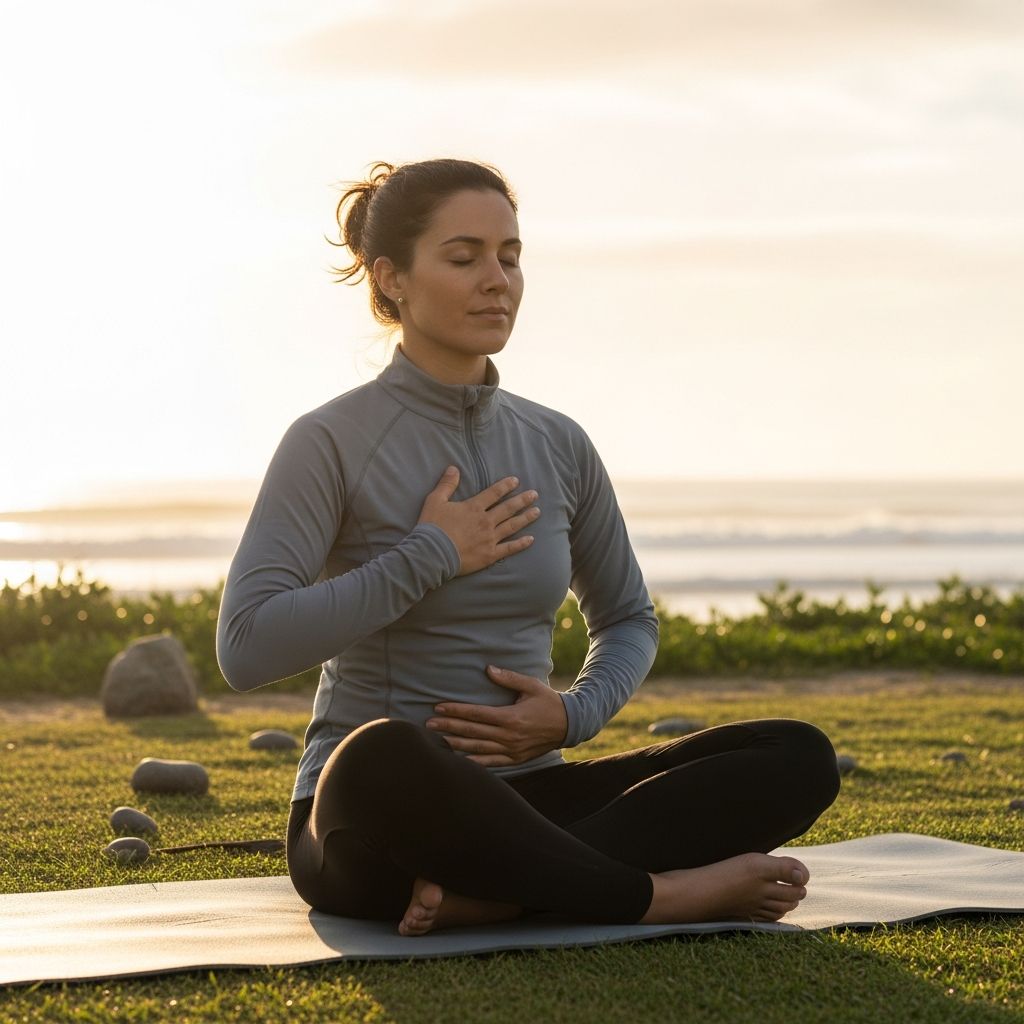
Understanding Breathlessness and Breathing Techniques
Breathlessness, medically known as dyspnea, is a subjective sensation of difficult or labored breathing that can significantly impact quality of life and daily functioning. This common symptom can arise from various causes including cardiac conditions, pulmonary diseases, anxiety disorders, and general deconditioning. One effective approach to managing breathlessness involves learning and practicing specific breathing techniques that can help regulate respiratory patterns, reduce perceived exertion, and promote relaxation. Controlled breathing exercises work by engaging the parasympathetic nervous system, which helps decrease arousal and foster a sense of well-being.
The Science Behind Breathing Techniques
Research has demonstrated that controlled breathing patterns influence both physiological and psychological responses to breathlessness. Studies indicate that slow, deliberate breathing increases parasympathetic nervous system activity, leading to decreased arousal and improved central nervous system function. This physiological shift is often accompanied by reduced anxiety, lower heart rate, and decreased perceived exertion during physical activity or stressful situations. The relationship between breathing control and health outcomes has gained significant scientific attention, with multiple investigations exploring the efficacy of various breathing methods.
A comprehensive study comparing four different breathing techniques found that all interventions increased breath-holding time significantly from pre- to post-intervention (p < 0.000). This finding suggests that instruction to focus attention on breathing patterns, regardless of the specific technique employed, can produce measurable improvements in respiratory function and breathing capacity.
Common Breathing Techniques
Diaphragmatic Breathing
Diaphragmatic breathing, also called belly breathing or deep breathing, is one of the most fundamental and effective breathing techniques. This method involves breathing in slowly and deeply through the nose while allowing the diaphragm to expand fully, then exhaling deeply by consciously tightening the abdominal muscles. In clinical studies, diaphragmatic breathing demonstrated the highest absolute increase in breath-holding time among four tested techniques, with an average improvement of 14.06 seconds. This technique is particularly effective because it maximizes oxygen intake and promotes relaxation by engaging the diaphragm, the primary breathing muscle.
To practice diaphragmatic breathing, sit or lie comfortably with one hand on your chest and another on your belly. Inhale slowly through your nose, allowing your belly to rise while your chest remains relatively still. Hold the breath for a brief moment, then exhale slowly through your mouth while tightening your abdominal muscles. Repeat this cycle 5-10 times, gradually increasing duration as comfort allows.
Pursed-Lip Breathing
Pursed-lip breathing is a simple yet effective technique particularly beneficial for individuals with chronic obstructive pulmonary disease (COPD) and other respiratory conditions. This method involves inhaling slowly through the nose and then exhaling slowly through pursed lips, as if whistling or gently blowing out a candle. The pursed-lip technique creates back pressure in the airways, which helps keep small airways open longer during exhalation and improves oxygen exchange.
The practice ratio commonly recommended is a 1:2 breathing pattern, meaning the exhalation phase should be twice as long as the inhalation phase. For example, inhale for a count of four, then exhale for a count of eight. This technique is particularly useful during activities that provoke breathlessness, as it helps regulate breathing and prevents rapid, shallow breathing patterns that can exacerbate symptoms.
Anulom Vilom Pranayama (Alternate Nostril Breathing)
Anulom vilom pranayama, derived from traditional yoga practices, involves alternately pinching off one nostril for inhalation while keeping the other closed, then reversing this pattern for exhalation. This ancient technique has demonstrated significant clinical benefits in contemporary research studies. In a comparative analysis of four breathing techniques, anulom vilom pranayama showed the most significant separation from other techniques in reducing perceived exertion during breath-holding, making it particularly effective for anxiety management.
Related Stories



To perform anulom vilom pranayama, sit in a comfortable position with your spine straight. Close your right nostril with your right thumb and inhale slowly through your left nostril. Then close your left nostril with your ring and middle fingers, release your thumb, and exhale through your right nostril. Continue alternating sides, maintaining a steady, rhythmic pattern. Begin with 5-10 cycles and gradually increase as your practice develops.
Kapal Bhati Pranayama (Skull Shining Breath)
Kapal bhati pranayama is a more vigorous breathing technique that involves forceful exhalations through both nostrils while inhalations occur passively. Practitioners perform rapid abdominal muscle movements, creating exhalation rates of 60 to 120 breaths per minute. This energizing technique can help clear respiratory passages and increase mental alertness, though it is typically recommended for individuals without acute respiratory distress.
Techniques for Specific Conditions
Active Cycle of Breathing Technique (ACBT)
The Active Cycle of Breathing Technique (ACBT) is a specialized airway clearance method particularly beneficial for individuals with cystic fibrosis and other conditions involving excessive mucus production. ACBT combines three distinct phases: breathing control, thoracic expansion exercises, and the forced expiration technique. This cyclical approach helps loosen airway secretions, improves mucus clearance, and enhances overall airway function.
In clinical trials comparing ACBT with other airway clearance therapies, research found that ACBT demonstrated comparable effectiveness to alternative methods in terms of quality of life, exercise tolerance, lung function, oxygen saturation, and sputum weight. The technique requires proper instruction from respiratory specialists to ensure correct execution and maximize therapeutic benefits.
Stress Reduction Through Deep Breathing
Deep breathing serves as a powerful relaxation technique accessible to anyone, anywhere, at any time. The benefits of deep breathing extend beyond respiratory function to include improved mental health, enhanced lung capacity, and stress reduction. When experiencing anxiety or stress-related breathlessness, engaging in deep breathing activates the relaxation response, counteracting the body’s stress reaction and promoting physiological calm.
Practical Implementation and Guidelines
Getting Started with Breathing Exercises
Beginning a breathing technique practice requires minimal preparation and no special equipment. Start by selecting a comfortable location where you can sit or recline without interruption. Wear loose, comfortable clothing that does not restrict abdominal movement. Many practitioners find it helpful to practice breathing techniques at the same time each day to establish consistent habits.
Begin with just 5-10 minutes of practice daily, gradually increasing duration as you become more comfortable with the techniques. Most practitioners notice immediate benefits such as increased relaxation and improved breathing sensation even during initial practice sessions. However, sustained benefits typically develop over weeks of consistent practice.
When to Practice
Breathing techniques can be practiced proactively throughout the day as a preventive measure or reactively when breathlessness occurs. Morning practice establishes a calm baseline for the day ahead, while evening practice promotes relaxation and better sleep quality. During moments of acute breathlessness or anxiety, practicing breathing techniques can provide rapid symptomatic relief.
Frequency and Duration
For optimal benefits, practice breathing techniques for 5-20 minutes daily. Consistency matters more than duration, so daily 10-minute sessions typically produce better results than occasional longer sessions. Some individuals benefit from multiple short practice sessions throughout the day, particularly during high-stress periods.
Expected Benefits and Outcomes
Research demonstrates that regular breathing technique practice produces measurable physiological improvements including increased breath-holding time, improved oxygen saturation levels, and enhanced lung function parameters. Beyond objective measurements, practitioners commonly report subjective benefits including reduced anxiety, improved stress tolerance, better sleep quality, and decreased perception of breathlessness during daily activities.
The timeline for experiencing benefits varies individually. Some individuals notice improvements in anxiety and relaxation immediately, while measurable changes in respiratory function may take 2-4 weeks of consistent practice. Long-term practitioners often report sustained improvements in overall respiratory health and well-being.
Important Considerations and Safety
Individual Variation
Different breathing techniques produce varying effects in different individuals, and personal preference plays an important role in technique selection. While some individuals may find diaphragmatic breathing most effective, others may prefer alternate nostril breathing or pursed-lip techniques. Experimentation under appropriate guidance helps identify the most beneficial approach for each person.
Guidance from Healthcare Professionals
While breathing techniques are generally safe, individuals with significant respiratory disease, cardiovascular conditions, or other medical concerns should consult healthcare providers before beginning a new breathing practice. Respiratory therapists and breathing technique instructors can provide personalized guidance ensuring proper technique execution and maximum safety.
Placebo Effects and Psychological Factors
Research indicates that psychological factors significantly influence breathing technique effectiveness. This does not diminish the value of these techniques but rather highlights the important role of expectation, attention, and mindfulness in the healing process. The combination of physiological effects and positive psychological expectations creates a powerful therapeutic effect.
Frequently Asked Questions
Q: How quickly will I notice improvements in my breathing?
A: Many individuals experience immediate relaxation and reduced anxiety during their first breathing practice session. However, measurable improvements in respiratory function and sustained symptom relief typically develop over 2-4 weeks of consistent daily practice.
Q: Can I practice breathing techniques if I have asthma or COPD?
A: Yes, breathing techniques can be highly beneficial for asthma and COPD, but consult your healthcare provider first. Pursed-lip breathing is particularly recommended for COPD management. Your respiratory therapist can provide techniques specifically suited to your condition.
Q: Which breathing technique is best for anxiety?
A: Anulom vilom pranayama (alternate nostril breathing) demonstrated the most significant reduction in perceived exertion and anxiety in clinical studies, though diaphragmatic breathing and pursed-lip breathing also provide substantial anxiety relief. Personal preference and individual response variation mean the best technique is whichever you practice consistently.
Q: How long should each breathing practice session last?
A: Optimal practice duration is 5-20 minutes daily. Beginners may start with 5-10 minutes and gradually increase. Consistency matters more than session length, so regular shorter sessions typically produce better results than occasional lengthy sessions.
Q: Can breathing techniques replace medication?
A: Breathing techniques serve as a complementary therapy that may enhance medication effectiveness and reduce medication dependence over time, but should not replace prescribed medications without medical consultation. Work with your healthcare provider to integrate breathing techniques into your overall treatment plan.
Q: Are there any risks associated with breathing exercises?
A: Breathing techniques are generally safe for most individuals when practiced correctly. However, individuals with certain medical conditions should consult healthcare providers first. Some techniques like kapal bhati pranayama are not recommended for acute respiratory distress or certain heart conditions.
Conclusion
Breathing techniques represent an evidence-based, accessible, and cost-effective approach to managing breathlessness, reducing anxiety, and improving overall respiratory health. Whether practicing diaphragmatic breathing, pursed-lip breathing, alternate nostril breathing, or the active cycle of breathing technique, regular practice produces measurable physiological benefits alongside significant psychological improvements. The combination of ancient wisdom from yoga traditions and contemporary clinical research demonstrates that conscious control of breathing provides a powerful tool for enhancing well-being and managing respiratory symptoms. By selecting techniques that resonate with your preferences and practicing consistently, you can harness the therapeutic power of breathing to support your health and vitality.
References
- Using Breathing Techniques for Exertion and Anxiety During COVID Lockdowns — Clinician Publications. 2021. https://www.clinician.com/articles/149045-using-breathing-techniques-for-exertion-and-anxiety-during-covid-lockdowns
- Active Cycle of Breathing Technique for Cystic Fibrosis — PubMed Central, National Center for Biotechnology Information. 2023. https://pubmed.ncbi.nlm.nih.gov/36727723/
- Active Cycle of Breathing Technique for Cystic Fibrosis — Johns Hopkins University Research Portal. 2023. https://pure.johnshopkins.edu/en/publications/active-cycle-of-breathing-technique-for-cystic-fibrosis-11
- How to Reduce Stress Through Deep Breathing — Johns Hopkins Rheumatology. https://www.hopkinsrheumatology.org/rheumtv/reducing-stress-deep-breathing/
Similar Articles








Read full bio of medha deb