Breech Baby: Causes, Complications, Turning & Delivery
Understanding breech presentation: Learn about causes, delivery options, and turning procedures for breech babies.
Understanding Breech Baby Presentation
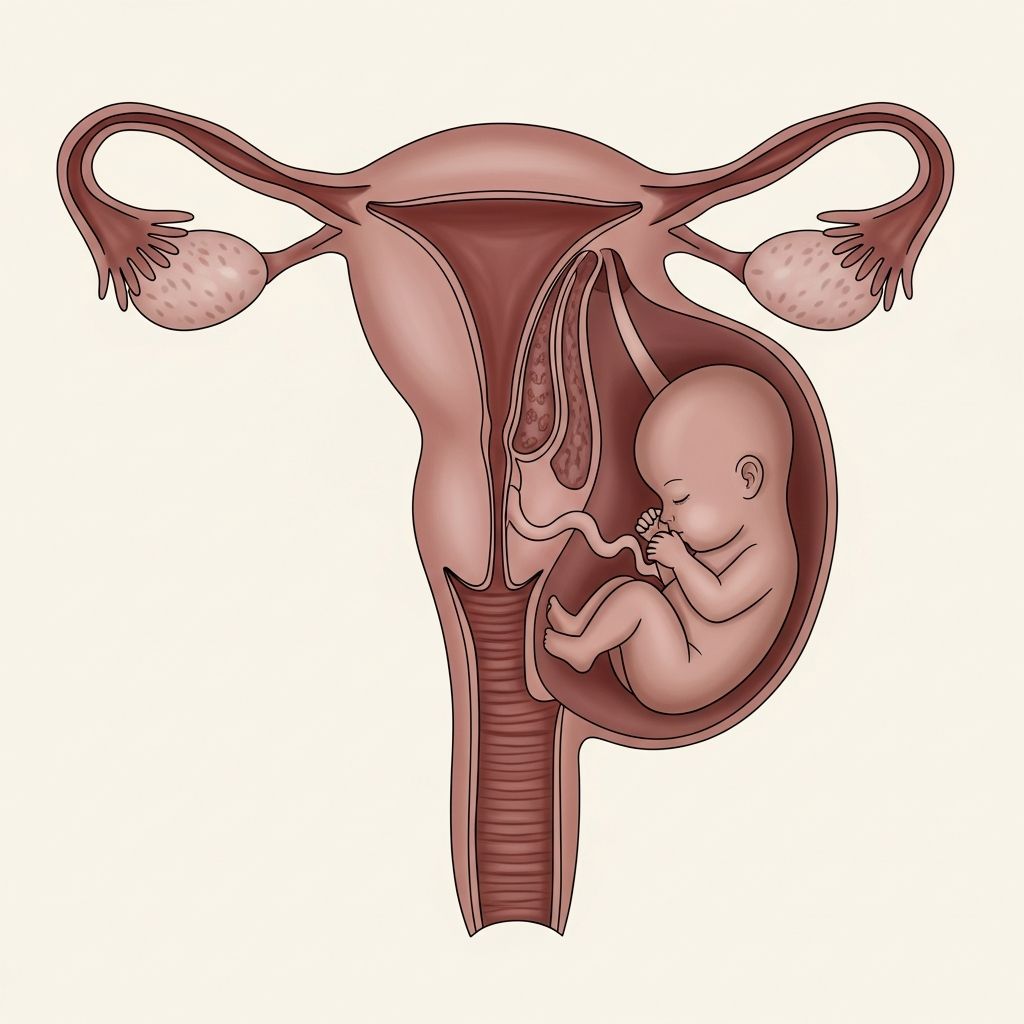
A breech baby is when a fetus is positioned with its bottom or feet first in the uterus, rather than the typical head-down position. While breech presentations are more common earlier in pregnancy, occurring in approximately 3 to 4 percent of full-term pregnancies, most babies naturally turn to a head-first position before delivery. In an ideal scenario, your baby should be in a head-down or vertex presentation at delivery. However, when a baby remains in a breech position at 37 weeks of pregnancy, your delivery options may change significantly because of the potential risks associated with vaginal breech birth.
What is a Breech Position?
In a breech presentation, the baby’s feet or buttocks are positioned to deliver first rather than the head. This differs from the normal cephalic presentation where the baby’s head enters the birth canal first. Most fetuses will flip to a head-down position before reaching full-term status at 37 weeks. However, if your baby is still in a breech position at this milestone, your healthcare provider will monitor you with routine prenatal care and determine the best time to schedule an external cephalic version or a cesarean section.
Types of Breech Presentations
There are several variations of breech presentations, each with different characteristics and delivery considerations:
Frank Breech
The most common type of breech presentation, where the baby’s hips are flexed and the legs are straight up in front of the body. This accounts for the majority of breech cases and may be more amenable to vaginal delivery under specific circumstances.
Complete Breech
In this presentation, the baby’s hips and knees are both flexed, with the feet positioned near the buttocks. This type requires more careful assessment before considering vaginal delivery options.
Footling Breech
Also known as incomplete breech, one or both of the baby’s feet point downward and will deliver first. This presentation carries higher risks and typically requires cesarean delivery due to increased complications.
Kneeling Breech
A rare variant where the fetus presents with knees bent, making the knees the lowest point in the birth canal. This atypical presentation is generally considered a contraindication for vaginal breech birth and typically requires cesarean section delivery.
When Does Breech Presentation Become a Concern?
While breech presentations are relatively common in early and mid-pregnancy, the concern increases after 36 weeks. At around 36 weeks of pregnancy, most babies will naturally turn into a head-down position. After 37 weeks, a baby usually doesn’t turn on its own due to having limited space in the uterus. If your baby is still breech at 37 weeks of pregnancy, there are three possible options for delivery: attempting to turn the baby through external cephalic version, planning a vaginal breech delivery (depending on your provider’s expertise and your specific situation), or scheduling a planned cesarean section.
Causes of Breech Presentation
While breech positioning can occur for various reasons, there is nothing you can do to prevent a fetus from being in a breech position. Several factors may increase the likelihood of breech presentation, though these are not definitive causes. The reasons why some babies remain breech remain partially unexplained, and many breech presentations occur without any identifiable risk factors. Multiple pregnancies, placental positioning, fetal abnormalities, and maternal factors may contribute to breech presentation, but the exact mechanism is not always clear.
Complications Associated with Breech Presentation
Breech presentations can pose certain risks, especially during vaginal delivery. The primary concerns healthcare providers consider when managing breech birth include:
Related Stories



Umbilical Cord Prolapse
One of the most serious complications, where the umbilical cord slips into the birth canal before the baby. This can restrict blood flow and oxygen to the baby, creating a medical emergency.
Head Entrapment
Because the baby’s body delivers first in a breech presentation, the relatively larger head delivers last. In rare cases, the head may become trapped, particularly if the cervix isn’t fully dilated or if there’s a size mismatch between the baby’s head and the maternal pelvis.
Birth Injuries
Babies have a higher risk of birth injury if they aren’t oriented the right way, like with breech positioning. Potential injuries include brachial plexus injuries, fractures, and other trauma from the delivery process.
Lower Apgar Scores
Breech babies may have lower Apgar scores at birth, though most breech babies are born healthy without long-term health complications due to their presentation at birth.
Delivery Options for Breech Babies
If your baby remains in a breech position at 37 weeks, your healthcare provider will discuss your delivery options based on your health history, pregnancy circumstances, and personal preferences for childbirth.
External Cephalic Version (ECV)
External cephalic version is the most common method healthcare providers use to turn a breech baby. Your pregnancy care provider performs this procedure in a hospital setting, typically around 37 weeks of pregnancy. The procedure involves placing hands on your abdomen and applying firm pressure to turn your baby into a head-down position while it’s still in your uterus. If the maneuver works, you’ll be able to have a vaginal delivery. If it doesn’t work, your provider will schedule a cesarean section at a later date.
While ECV is generally considered safe when performed by experienced practitioners, there are risks to the procedure. These may include placental abruption, rupture of membranes, preterm labor, or changes in fetal heart rate. Your pregnancy care provider will discuss whether turning your baby is an option for your specific pregnancy and will assess your candidacy based on various factors including your health history, placental location, and amniotic fluid levels.
Vaginal Breech Delivery
Some healthcare providers may be comfortable delivering a breech baby through the vagina, depending on their expertise and your health history and pregnancy. Healthcare providers have various levels of expertise with vaginal deliveries when a baby is breech. The decision to attempt vaginal breech delivery requires careful evaluation of multiple factors including the type of breech presentation, maternal pelvis adequacy, estimated fetal weight, absence of fetal anomalies, and provider experience. In many cases, a cesarean section is the best and safest option for birth when a baby remains breech.
Planned Cesarean Section
Most of the time, a cesarean section is the safest way to deliver a breech baby. Your risk of developing complications is much higher if your provider tries to deliver vaginally. A C-section when a baby is breech might be slightly more difficult than a head-down delivery, but obstetricians are usually familiar with performing a cesarean section this way. The procedure involves a few different steps, such as making a wider incision (cut) or maneuvering your baby in a different way than they would if your baby wasn’t breech. If your provider schedules a cesarean section because your baby is breech, they typically schedule it around 39 weeks to reduce the chances of you going into labor and needing an emergency cesarean section.
Home Methods for Turning a Breech Baby
You can try to nudge your baby into a head-first position on your own at home using various techniques. However, it’s important to note that there isn’t any scientific evidence that these methods work. Some suggested methods include specific positioning exercises, acupuncture, or moxibustion. Before attempting any home remedies, consult with your healthcare provider to ensure these methods are safe for your specific situation and won’t interfere with medical monitoring.
What to Expect During Labor with a Breech Baby
Having a breech baby doesn’t change some of the first signs of labor, like contractions or your water breaking. If your provider schedules a cesarean section because your baby is breech, they typically schedule it around 39 weeks to reduce the chances of you going into labor. If you experience any contractions or signs of labor before your scheduled cesarean section, contact your healthcare provider immediately for guidance.
Long-Term Outcomes for Breech Babies
Most children who were breech at delivery are healthy without health complications due to their presentation at birth. Pediatricians will examine your breech baby’s hips after delivery and make follow-up recommendations if needed. In most cases, breech presentation at birth does not result in long-term developmental or health problems, particularly when delivery is managed safely through appropriate medical intervention.
When to Contact Your Healthcare Provider
Contact your healthcare provider if you experience any of the following symptoms during pregnancy:
- Vaginal bleeding or fluid leakage
- Severe abdominal pain or cramping
- Decreased fetal movement
- Signs of labor such as regular contractions
- Any concerns about your baby’s position or movement
- Fever or signs of infection
Frequently Asked Questions About Breech Baby
Q: Can I prevent my baby from being breech?
A: There is nothing you can do to prevent a fetus from being in a breech position. However, regular prenatal care helps monitor fetal position, and healthcare providers can suggest interventions if needed.
Q: What percentage of babies are breech at full term?
A: About 3 to 4 percent of babies remain in a breech position after 36 weeks of pregnancy.
Q: Is external cephalic version painful?
A: External cephalic version can be uncomfortable, but it’s typically not described as severely painful. Your provider may offer pain management options and will monitor you and your baby closely during the procedure.
Q: What are the success rates of external cephalic version?
A: The success rates of ECV vary depending on multiple factors including your health history, pregnancy characteristics, and provider experience. Your healthcare provider can discuss specific success rates based on your situation.
Q: Can a breech baby cause harm to the mother?
A: While breech presentations are generally not harmful to the mother, they can pose certain risks during delivery. Proper medical management and delivery planning help ensure the safety of both mother and baby.
Q: Will my breech baby have health problems?
A: Most children who were breech at delivery are healthy without health complications due to their presentation at birth. Your baby will be examined after delivery to ensure proper development and address any concerns.
Q: What should I do if I think my baby might be breech?
A: Contact your healthcare provider if you have concerns about your baby’s position. Your provider can perform an ultrasound or physical examination to confirm the baby’s position and discuss appropriate next steps.
References
- Breech Baby: Causes, Complications, Turning & Delivery — Cleveland Clinic. 2024. https://my.clevelandclinic.org/health/diseases/21848-breech-baby
- External Cephalic Version (ECV): Procedure & Risks — Cleveland Clinic. 2024. https://my.clevelandclinic.org/health/treatments/22979-ecv
- Fetal Positions For Birth: Presentation, Types & Function — Cleveland Clinic. 2024. https://my.clevelandclinic.org/health/articles/9677-fetal-positions-for-birth
- Kneeling (Incomplete Knee) Presentation: A Single Case Report — National Center for Biotechnology Information (NCBI). 2024. https://pmc.ncbi.nlm.nih.gov/articles/PMC12256076/
- Birth Injury Types & Causes — Cleveland Clinic. 2024. https://my.clevelandclinic.org/health/diseases/birth-injury
Similar Articles








Read full bio of Sneha Tete