Breech Baby Guide: 3 Positions, Risks, And Solutions
Discover breech baby positions, detection methods, turning techniques, and safe delivery options for a healthy outcome.
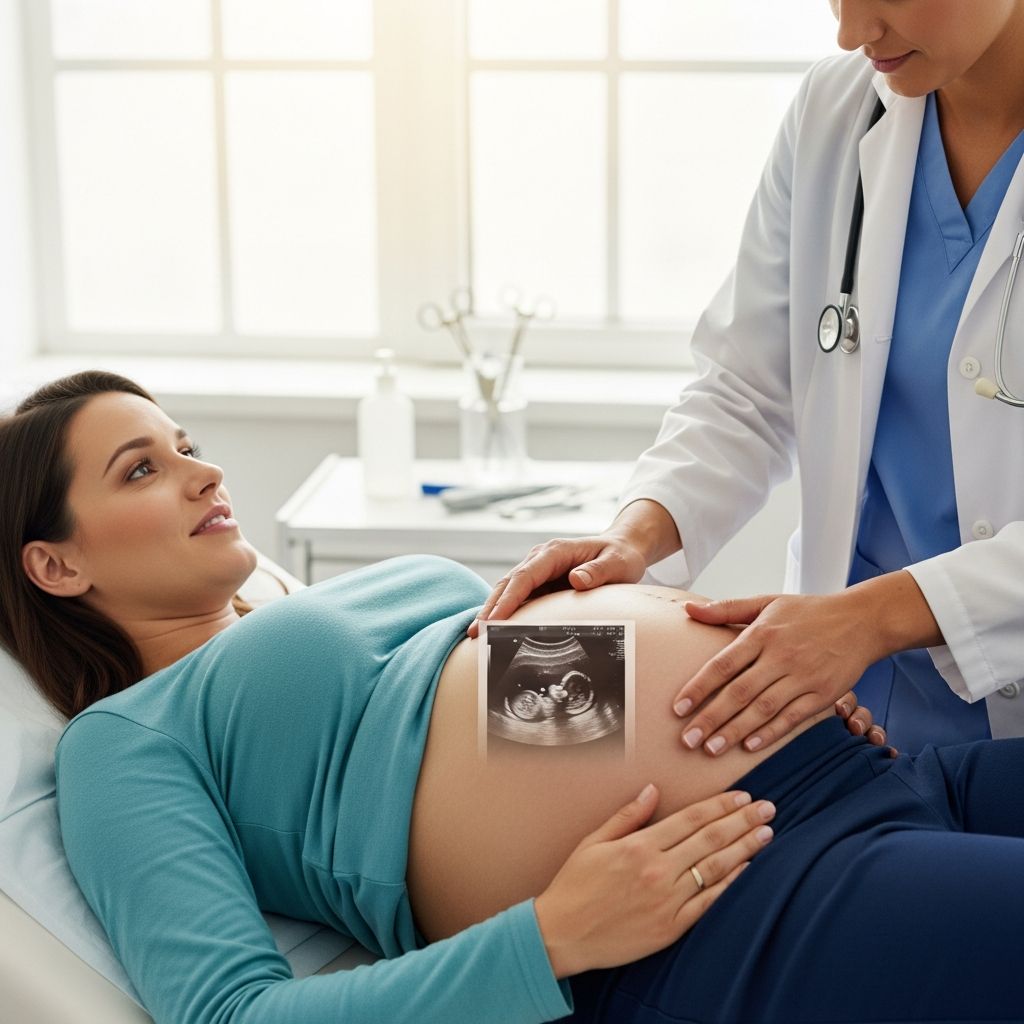
A breech baby occurs when the fetus positions with its buttocks or feet toward the birth canal instead of the head, affecting about 3-4% of full-term pregnancies. This guide explores detection, influencing factors, potential complications, and management strategies to support informed decisions during late pregnancy.
Recognizing Breech Presentations in Pregnancy
During early pregnancy, many fetuses adopt breech positions naturally, but most shift to head-down (cephalic) by 36-37 weeks. Persistence into the final weeks prompts closer monitoring, as vaginal delivery risks increase.
Common Types of Breech Positions
- Frank breech: Buttocks lead with legs extended upward, feet near the head; the most frequent type.
- Complete breech: Hips and knees flexed, resembling a tucked sitting posture.
- Footling breech: One or both feet descend first, heightening delivery challenges.
These configurations arise from fetal movement patterns and uterine space constraints.
Physical Sensations and Maternal Clues
Expectant mothers might notice distinct movement patterns signaling breech positioning, though discomfort levels often mirror typical pregnancies. Kicks higher in the abdomen or under the ribs, rather than low pelvic jabs, suggest the head occupies the upper uterus.
- Hard lump felt near the ribs (likely the head).
- Larger movements or kicks toward the upper belly.
- Increased pelvic pressure without head engagement.
- Possible lower back discomfort from the heavier lower body positioning.
These cues become more apparent after 32 weeks, when fetal activity patterns stabilize.
Factors Contributing to Breech Persistence
Several elements can hinder natural turning, often beyond parental control. Understanding these aids in proactive care.
| Risk Factor | Description | Prevalence Impact |
|---|---|---|
| Multiple gestation | Twins or more limit space for repositioning. | High risk |
| Uterine anomalies | Fibroids or irregular shapes restrict movement. | Moderate |
| Amniotic fluid issues | Low (oligohydramnios) or excess (polyhydramnios) affects mobility. | Variable |
| Prematurity | Early delivery before natural turning window. | Common in preterms |
| Placental factors | Placenta previa blocks optimal positioning. | Specific cases |
Incidence drops from 25% at 28 weeks to 3-5% at term, reflecting spontaneous corrections.
Diagnostic Approaches for Confirmation
Healthcare providers assess position via physical exams like Leopold’s maneuvers, palpating the abdomen to locate the head and back. Ultrasound provides definitive visualization, especially post-36 weeks. Routine third-trimester scans detect 95% of cases accurately.
Early detection allows time for interventions, with monitoring intensifying after 34 weeks.
Strategies to Encourage Natural Turning
Non-invasive methods leverage gravity and positioning to prompt cephalic rotation, ideally before 37 weeks.
Positional Techniques at Home
- Knee-chest posture: Kneel with chest lowered for 10-15 minutes daily to create pelvic space.
- Forward-leaning inversion: Gently invert under supervision, multiple sessions weekly.
- Moxibustion: Apply heat to acupuncture point BL67 on the outer pinky toe; evidence shows 60-70% success in some studies.
- Optimal sitting: Maintain knees below hips with feet flat to open pelvic inlet.
Related Stories



Swimming or pelvic tilts also promote mobility without strain.
Professional Interventions
External Cephalic Version (ECV) involves manual rotation by a specialist at 36-38 weeks, succeeding in 50-60% of attempts. Performed in a hospital with ultrasound and fetal monitoring, it uses tocolytics for uterine relaxation. Contraindications include prior C-sections or cord issues.
Delivery Options and Safety Considerations
Vaginal breech births carry elevated risks, prompting most providers to recommend cesarean sections for term breech presentations.
- C-section benefits: Controlled entry minimizes head entrapment, cord prolapse (cord slips ahead, compressing oxygen supply), and limb injuries.
- Vaginal risks: Include entrapment, dislocations, or hypoxia; only pursued in select skilled centers.
Planned C-sections at 39 weeks optimize outcomes, reducing neonatal morbidity.
Potential Complications and Monitoring
Breech positioning itself poses minimal in-utero risks, but delivery complications demand vigilance. Key concerns:
- Cord prolapse: 5-10% incidence in footling breech.
- Head entrapment: Due to after-coming head compression.
- Trauma: To unsupported extremities during descent.
Post-diagnosis, biweekly ultrasounds and non-stress tests ensure fetal well-being.
Lifestyle Adjustments for Breech Pregnancies
While awaiting turning, prioritize rest, hydration, and avoiding strenuous activities. Side-lying with knee support aids circulation and space. Consult providers before supplements like spinning babies protocols.
Outlook and Long-Term Health
Most breech babies thrive post-delivery with no lasting effects, especially via C-section. Developmental milestones align with peers, per longitudinal studies. Parental education empowers confident navigation of this common variation.
Frequently Asked Questions (FAQs)
Can my breech baby turn after 36 weeks?
Yes, spontaneous turning occurs up to 37 weeks, though less common; ECV offers a viable option.
Does breech position mean more pregnancy pain?
No, pain levels are similar; only movement sensations differ.
Is ECV safe for all pregnancies?
No, excluded if multiple gestation, uterine scars, or fetal distress; success varies by provider expertise.
What if my baby remains breech at 39 weeks?
C-section is standard to mitigate risks; discuss trial of labor only with experienced teams.
Are there exercises to avoid with breech?
Steer clear of deep squats or inversions without guidance to prevent premature labor triggers.
Preparing Emotionally and Practically
Breech diagnosis can evoke anxiety, but armed with knowledge, parents partner effectively with care teams. Birth plans should flexibly incorporate ultrasound updates and version scheduling. Postpartum, monitor baby for routine hip checks to rule out dysplasia, a minor associated risk.
Support networks, including prenatal yoga tailored for breech and doula consultations, enhance coping. Ultimately, modern obstetrics ensures high success rates, with over 90% uneventful outcomes.
References
- Breech Baby: Positions, Symptoms, Causes & Treatment — Baptist Health. 2024. https://www.baptisthealth.com/care-services/conditions-treatments/breech-baby
- Breech Baby – Causes, Symptoms, Diagnosis, and Treatment — Apollo Hospitals. 2024. https://www.apollohospitals.com/diseases-and-conditions/breech-baby
- Breech Baby: Symptoms, Causes, Treatment and Prevention — CARE Hospitals. 2024. https://www.carehospitals.com/indore/diseases-conditions/breech-baby
- Breech Baby: Causes, Complications, Turning & Delivery — Cleveland Clinic. 2024-02-23. https://my.clevelandclinic.org/health/diseases/21848-breech-baby
- Breech baby at the end of pregnancy — Royal College of Obstetricians and Gynaecologists (RCOG). 2023. https://www.rcog.org.uk/for-the-public/browse-our-patient-information/breech-baby-at-the-end-of-pregnancy/
- Signs That Your Baby Has Turned Into a Head-Down Position — Healthline. 2023. https://www.healthline.com/health/pregnancy/symptoms-of-baby-turning-head-down
Similar Articles








Read full bio of medha deb