Brimonidine: What You Need To Know About Rosacea Redness
FDA-approved topical gel for persistent facial erythema of rosacea in adults, offering rapid redness reduction lasting up to 12 hours.
Brimonidine topical gel, marketed as Mirvaso®, represents a groundbreaking advancement in dermatological care as the first and only U.S. Food and Drug Administration (FDA)-approved treatment specifically designed for persistent (non-transient) facial erythema associated with rosacea in adults aged 18 years and older. Approved on August 26, 2013, by the FDA, this 0.33% gel from Galderma Laboratories addresses a critical unmet need in rosacea management, targeting redness directly rather than inflammatory lesions like papules and pustules. Unlike existing therapies focused on inflammatory components, brimonidine fills the gap for erythema control, providing patients with a targeted solution for visible facial flushing.
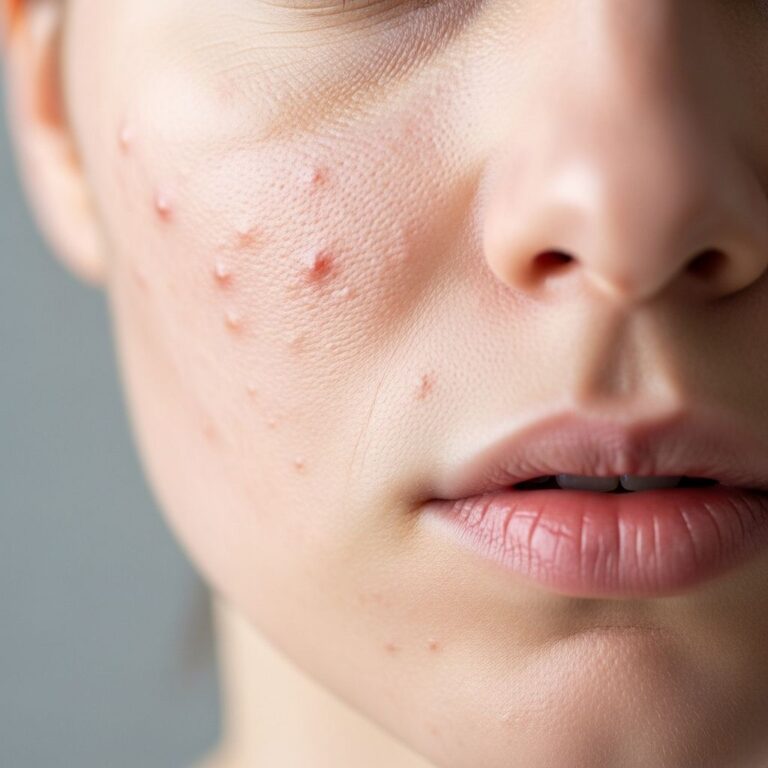
Rosacea affects millions worldwide, characterized by central facial redness, visible blood vessels, and sometimes acne-like breakouts or eye irritation. Persistent erythema, the stubborn redness that doesn’t fade quickly, significantly impacts quality of life, self-esteem, and social interactions. Brimonidine works by selectively activating alpha-2 adrenergic receptors on vascular smooth muscle cells in the skin, leading to vasoconstriction and rapid reduction in redness. Applied once daily, it demonstrates effects within 30 minutes, peaking at 3-6 hours, and lasting up to 12 hours, offering reliable symptom relief throughout the day.
Brimonidine is also formulated as eye drops (e.g., Alphagan®) for ocular hypertension and glaucoma, where it reduces intraocular pressure by decreasing aqueous humor production and enhancing uveoscleral outflow. However, the topical gel formulation is optimized for facial skin application and not interchangeable with ophthalmic products.
What is brimonidine?
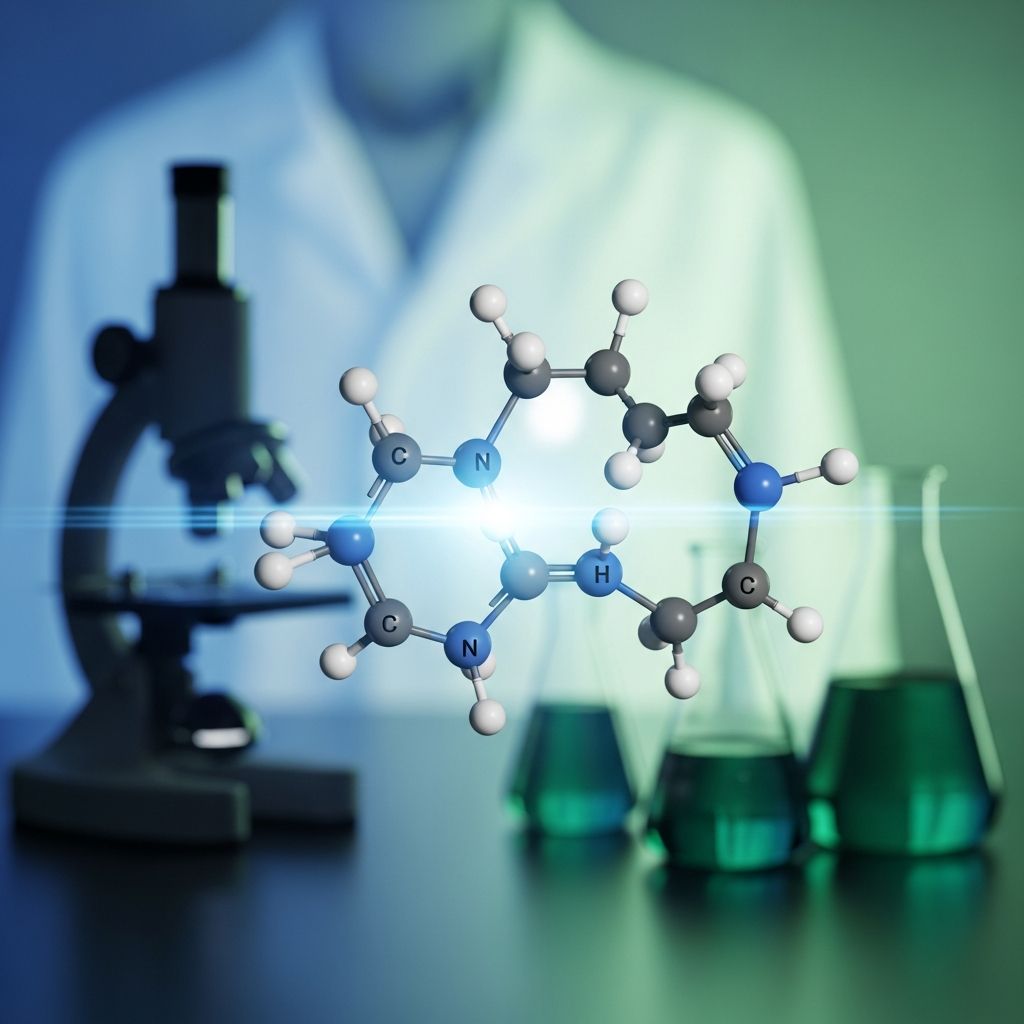
Brimonidine tartrate is a highly selective alpha-2 adrenergic receptor agonist, exhibiting over 1000-fold selectivity for alpha-2 over alpha-1 receptors. This selectivity minimizes systemic side effects like hypotension or sedation seen in earlier agents such as clonidine or apraclonidine. In dermatological use, brimonidine gel 0.33% acts locally on dermal blood vessels, constricting them to reduce visible erythema without significantly altering blood pressure or heart rate.
The gel vehicle enhances skin penetration, delivering the active ingredient precisely where needed. Pharmacokinetically, systemic absorption is low (Cmax around 0.5 ng/mL), supporting its safety profile for facial application. Duration of action aligns with rosacea patients’ needs, providing all-day coverage from a single morning dose.
What is brimonidine used for?
Brimonidine topical gel is indicated exclusively for the topical treatment of persistent facial erythema of rosacea in adults. It effectively reduces the diffuse redness on cheeks, nose, chin, and forehead that persists beyond transient flushing episodes. Clinical studies confirm its efficacy in moderate-to-severe erythema, with success defined as at least a 1-grade improvement on the Clinician Erythema Assessment (CEA) scale and at least a 2-grade improvement on the Patient Self-Assessment (PSA) scale.
- Primary use: Daily management of non-transient rosacea redness.
- Not indicated for: Inflammatory lesions (papules/pustules), telangiectasia, ocular rosacea, or other skin conditions.
- Off-label considerations: Limited evidence for other hypervascular conditions, but not FDA-approved beyond rosacea erythema.
In glaucoma treatment, brimonidine eye drops (0.1%-0.2%) lower intraocular pressure (IOP) by 20-25%, often used as monotherapy or in fixed combinations like brimonidine/timolol (Combigan®).
How does brimonidine work?
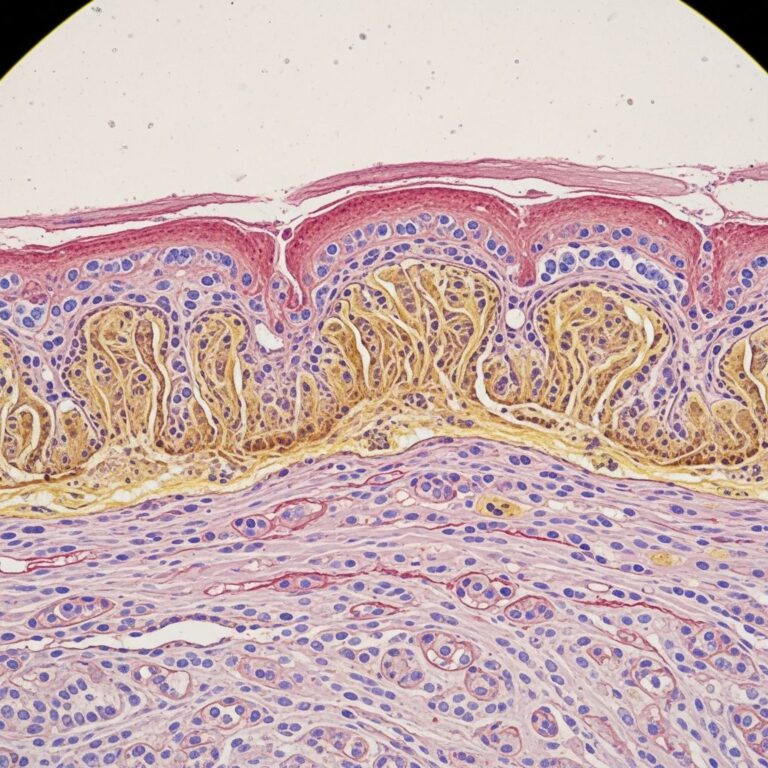
Brimonidine selectively stimulates postsynaptic alpha-2 adrenergic receptors on vascular smooth muscle, inducing potent vasoconstriction. This reduces blood flow to superficial dermal capillaries, diminishing visible redness. Effects onset rapidly (30 minutes), peak at 3 hours (up to 75% reduction in erythema index), and persist 8-12 hours.
Related Stories



In ocular applications, it decreases aqueous production (primary mechanism) and increases uveoscleral outflow, with peak IOP reduction at 2 hours lasting ≥12 hours. Neuroprotective properties in glaucoma models suggest retinal ganglion cell preservation independent of IOP lowering, via anti-apoptotic pathways and enhanced neuronal survival.
Clinical trial evidence for brimonidine in rosacea
FDA approval stemmed from two pivotal Phase 3, randomized, vehicle-controlled trials involving over 550 adults with moderate-to-severe rosacea erythema. Each 1-month study evaluated once-daily Mirvaso® vs. vehicle gel. Key success rates at Hour 3:
| Success Rate | Study 1: Mirvaso® (N=129) | Study 1: Vehicle (N=131) | Study 2: Mirvaso® (N=148) | Study 2: Vehicle (N=145) |
|---|---|---|---|---|
| Hour 3 | 31% | 11% | 25% | 9% |
| Hour 6 | 25% | 10% | 21% | 8% |
| Hour 8 | 16% | 6% | 15% | 5% |
| Hour 12 | 11% | 5% | 10% | 4% |
A 12-month open-label study (N=276) confirmed sustained efficacy and tolerability, with most patients achieving consistent improvements. Composite success (CEA + PSA) was significantly higher for brimonidine across timepoints (p<0.01).
Application of brimonidine topical gel
Apply a pea-sized amount (≈1g) once daily to cover the entire facial area affected by erythema (forehead, cheeks, nose, chin). Gently massage until absorbed; do not apply to eyes, mouth, or open wounds. Wash hands post-application. Effects appear within 30 minutes; avoid over-application to prevent excessive pallor.
- Dosage: 0.33% gel, once daily.
- Best time: Morning, allowing coverage for daytime activities.
- Missed dose: Apply as soon as remembered; do not double-dose.
- Storage: Room temperature, away from children.
Side effects of brimonidine
Clinical trials reported adverse reactions ≥1% in 29-day use:
| Adverse Reaction | Mirvaso® (N=330) | Vehicle (N=331) |
|---|---|---|
| Erythema | 12 (4%) | 3 (1%) |
| Flushing | 9 (3%) | 0 |
| Skin burning | 5 (2%) | 2 (1%) |
| Dermatitis | 3 (1%) | 1 (1%) |
| Paresthesia | 2 (1%) | 1 (1%) |
| Acne | 2 (1%) | 1 (1%) |
In the 12-month study: flushing (10%), erythema (8%), rosacea worsening (5%), nasopharyngitis (5%), burning (4%), elevated IOP (4%), headache (4%). Postmarketing: rebound erythema flares more common than trials suggested, resolving upon discontinuation. Use caution in depression, cardiovascular insufficiency, Raynaud’s, orthostatic hypotension, thromboangiitis obliterans, scleroderma, Sjögren’s.
Precautions when using brimonidine
- Avoid in patients with hypersensitivity to brimonidine or gel components.
- Monitor for rebound redness upon cessation; taper if needed.
- Potential for skin irritation, dryness, or pruritus.
- Not for children under 18; safety unestablished in pregnancy/lactation (Category B).
- Discontinue if severe irritation or systemic effects occur.
- Drug interactions: Minimal due to low absorption, but caution with CNS depressants, antihypertensives, MAOIs.
Frequently Asked Questions (FAQs)
Q: How quickly does brimonidine work for rosacea redness?
A: Visible improvement starts within 30 minutes, peaks at 3 hours, and lasts up to 12 hours.
Q: Can brimonidine be used with other rosacea treatments?
A: Yes, often combined with anti-inflammatory agents (e.g., metronidazole), but consult a dermatologist to avoid interactions.
Q: Does brimonidine cure rosacea?
A: No, it manages symptoms; rosacea is chronic. Consistent use maintains control.
Q: Is rebound redness common with brimonidine?
A: Postmarketing reports indicate it may occur more frequently than in trials, but typically resolves after stopping.
Q: Can brimonidine gel be used around the eyes?
A: No, avoid eyes, mouth, and mucous membranes to prevent irritation or systemic absorption.
References
- Brimonidine. Key clinical-trial evidence — DermNet. 2013-08-26. https://dermnetnz.org/topics/key-clinical-trial-evidence-for-brimonidine
- Brimonidine — DermNet. Accessed 2026. https://dermnetnz.org/topics/brimonidine
- Clinical efficacy and neuroprotective effects of brimonidine — PMC (PubMed Central, NIH). 2009-06-26. https://pmc.ncbi.nlm.nih.gov/articles/PMC2709013/
- Fixed combination of topical brimonidine 0.2% and timolol 0.5% — PMC (PubMed Central, NIH). 2009-05-11. https://pmc.ncbi.nlm.nih.gov/articles/PMC2694019/
- Allergic Contact Dermatitis from Brimonidine Tartrate Eye Drops — SAGE Journals (Mary Ann Liebert, Inc.). 2024. https://journals.sagepub.com/doi/full/10.1089/derm.2024.0055
Similar Articles








Read full bio of Sneha Tete