Bristol Stool Chart: 7 Stool Types And What They Mean
Understand your poop: The Bristol Stool Chart explains 7 types, from constipation to diarrhea, and how to improve gut health.
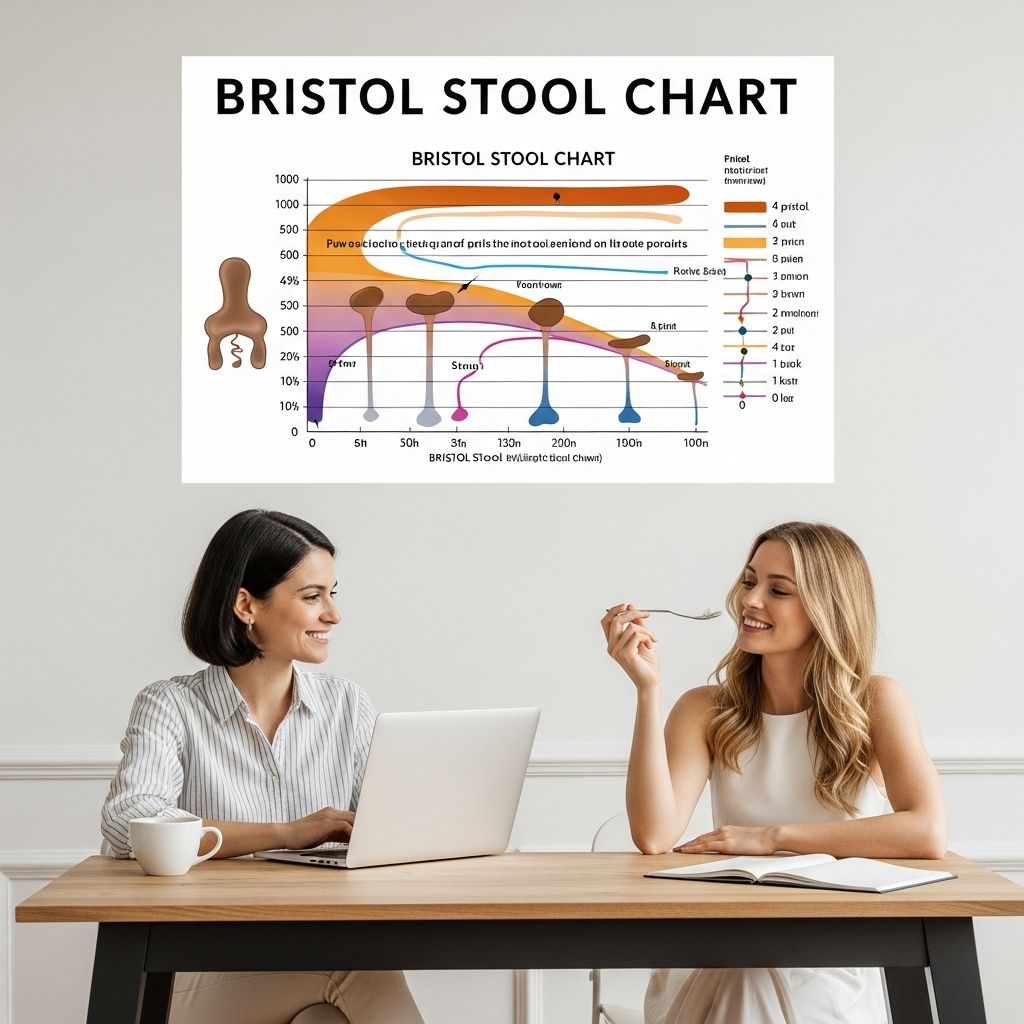
The Bristol Stool Chart, also known as the Bristol Stool Scale (BSFS), is a simple yet powerful diagnostic tool developed to classify human feces into seven categories based on shape and consistency. Created in 1997 by doctors at the University of Bristol, it helps healthcare professionals and individuals assess digestive health by evaluating stool appearance. This chart bridges the gap in communication about bowel habits, as “normal” poop varies but can signal issues like constipation, diarrhea, or underlying conditions when consistent.
By observing your stool type regularly, you gain insights into transit time through the colon—the longer it stays, the harder and more formed it becomes as water is absorbed. Ideal stools (types 3 and 4) indicate balanced digestion, while extremes suggest dietary, hydration, or medical concerns. This guide covers all seven types, their meanings, causes, and management strategies, empowering you to track and optimize gut health.
What Is the Bristol Stool Chart?
The Bristol Stool Chart standardizes stool description, making it easier to discuss symptoms with doctors. It ranges from type 1 (hardest, slowest transit) to type 7 (softest, fastest transit). Types 1-2 signal constipation (slow transit), 3-4 are optimal (normal transit, 1-2 days), and 5-7 indicate diarrhea (rapid transit).
Originally from a 1990 study of 2,000 people, the chart was refined with visuals for clinical use. It’s validated for conditions like irritable bowel syndrome (IBS), where subtypes link to stool patterns: IBS-C (types 1-2 predominant), IBS-D (5-7), IBS-M (mixed), and IBS-U (unclassified). Gastroenterologists use it alongside symptoms for diagnosis, and patients can self-monitor via apps or charts.
- Key Benefits: Improves doctor-patient communication, tracks treatment efficacy (e.g., laxatives shift types 1-2 to 3-4), identifies chronic issues early.
- Limitations: Single observation isn’t diagnostic; consider frequency, pain, blood. Color, odor, and mucus provide additional clues.
The 7 Types of Stool on the Bristol Stool Chart
Each type reflects colonic transit time and water content. Here’s a detailed breakdown:
| Type | Description | Appearance | Health Implication | Transit Time |
|---|---|---|---|---|
| 1 | Separate hard lumps, like nuts (hard to pass) | Pellet-like, rabbit droppings | Severe constipation | >5 days |
| 2 | Sausage-shaped but lumpy | Blobby sausage with lumps | Constipation | 3-5 days |
| 3 | Like a sausage with cracks on surface | Cracked sausage | Normal/healthy | 1-2 days |
| 4 | Like a sausage or snake, smooth/soft | Smooth, soft log | Ideal/healthy (“perfect poop”) | 1-2 days |
| 5 | Soft blobs with clear-cut edges | Soft pieces, easy pass | Normal or mild diarrhea | <1 day |
| 6 | Fluffy pieces with ragged edges, mushy | Mushy, ragged | Diarrhea | <1 day |
| 7 | Watery, no solid pieces (entirely liquid) | Pure liquid | Severe diarrhea | <1 day |
Type 1: Hard, separate lumps indicate severe constipation. Water is overly absorbed; common in low-fiber diets, dehydration, or medications like opioids. Difficult, painful passage may cause hemorrhoids.
Type 2: Lumpy sausage suggests moderate constipation. Still challenging but less extreme than type 1. Often from insufficient fluids/fiber or sedentary lifestyle.
Type 3: Cracked sausage is healthy—easy to pass without straining. Balances form and softness.
Type 4: Smooth, soft snake is the gold standard: effortless evacuation, no residue. Many call it “ghost poop” for clean wipe.
Type 5: Soft blobs with edges are usually fine but borderline loose. Acceptable for some, early diarrhea for others.
Type 6: Mushy with ragged edges signals mild-moderate diarrhea. Gut rushes stool, absorbing less water.
Related Stories



Type 7: Liquid with no solids means acute diarrhea. Risk of dehydration; often infection, food intolerance.
What Does ‘Normal’ Poop Look Like?
Normal stool is types 3 or 4: sausage-like, soft, easy to pass, S-shaped (from colon). Frequency: 3x/day to 3x/week is typical for adults. Color: medium brown (bile-processed). Size: 4-6 inches. Odor: earthy, not foul.
Variations occur by diet (beets redden, greens green). Aim for consistency over perfection—track weekly averages. In studies, type 4 prevailed in healthy transit, types 1-2 in slow, 5-7 in fast.
Constipation: Types 1 and 2
Constipation affects 16% of adults, per NIH data. Types 1-2 mean slow transit (>72 hours), hard stool from excess water absorption. Causes: low fiber (<25g/day), dehydration (<8 cups water), inactivity, meds (antidepressants, iron), hypothyroidism, IBS-C.
Symptoms: straining, bloating, <3 bowel movements/week. Risks: fecal impaction, fissures. Improve with: high-fiber foods (oats, prunes, 25-30g/day), hydration (2-3L), exercise (30min walk), probiotics. Laxatives if persistent; see doctor if >2 weeks or blood.
Healthy Stool: Types 3, 4, and Sometimes 5
Types 3-4 reflect optimal gut function: balanced microbiome, fiber, fluids. Transit: 24-48 hours. Type 5 is acceptable, especially post-meal, but monitor.
Maintain with Mediterranean diet (veggies, fruits, whole grains), 150min weekly exercise, stress management (yoga). Hydration key—coffee/tea count partially.
Diarrhea: Types 6 and 7
Diarrhea (types 5-7) hits 5% chronically. Fast transit (<24h) prevents water absorption. Causes: infections (norovirus), food poisoning, lactose intolerance, meds (antibiotics), IBS-D, IBD (Crohn’s), hyperthyroidism.
Symptoms: urgency, cramps, dehydration (dry mouth, dizziness). BRAT diet (bananas, rice, applesauce, toast), electrolytes (Pedialyte), avoid dairy/caffeine. Seek care if bloody, feverish, >2 days.
Causes of Abnormal Stool
- Diet: Low fiber hardens; excess fat loosens.
- Hydration: Dehydration constipates; overhydration/diuretics loosen.
- Medications: Opioids constipate; antibiotics/Mg loosen.
- Diseases: IBS (per Rome III: IBS-C types 1-2 ≥25%), celiac, infections.
- Lifestyle: Stress speeds transit; inactivity slows.
When to See a Doctor
Consult if: sudden change >1 week, blood/mucus/black stool, unexplained weight loss, anemia, family colon cancer history, age >50 (screening), severe pain. Red flags: pencil-thin stools (obstruction?), alternating types (IBS?). Colonoscopy may be needed.
How to Use the Bristol Stool Chart at Home
- Observe post-bowel movement before flush.
- Match to chart (print/save image).
- Log type, date, diet, symptoms (app like Bowel Movement Tracker).
- Track patterns: consistent 1-2? Increase fiber. 6-7? Cut irritants.
- Share logs with doctor.
Tips to Achieve Ideal Stool (Types 3-4)
- Fiber: 25-38g/day—soluble (oats) softens, insoluble (bran) bulks.
- Water: 8-10 cups; more if active.
- Exercise: 30min daily stimulates peristalsis.
- Probiotics: Yogurt, kefir balance gut flora.
- Timing: Don’t ignore urges; routine helps.
- Avoid: Processed foods, excess dairy.
Incorporate gradually to avoid gas/bloating. Studies show fiber + hydration shifts 70% from constipation to normal.
Frequently Asked Questions (FAQs)
What is the healthiest poop on the Bristol Stool Chart?
Type 4: smooth, soft sausage/snake—easy pass, no strain.
Is type 5 poop normal?
Yes for many, but borderline; if frequent, check diet/infections.
How do I fix type 1 or 2 constipation?
Increase fiber (prunes), water, exercise; miralax if needed.
Does Bristol Stool Chart diagnose IBS?
It supports: IBS-C (1-2), IBS-D (6-7) per Rome criteria.
Why is my poop type 7?
Rapid transit from infection, stress, intolerance—hydrate, BRAT diet.
Can medications affect stool type?
Yes: laxatives loosen (5-7), opioids harden (1-2).
How often should I poop?
3x/day to 3x/week normal; track consistency.
References
- Bristol Stool Chart: 7 Types of Poop and What They Mean — GoodRx. 2023. https://www.goodrx.com/well-being/gut-health/bristol-stool-chart
- Bristol stool scale — Wikipedia (citing original studies). 2023-10-01. https://en.wikipedia.org/wiki/Bristol_stool_scale
- Bristol Stool scale: Stool types and what they mean — Medical News Today. 2023. https://www.medicalnewstoday.com/articles/bristol-stool-scale
- Bristol Stool Chart — Continence Foundation of Australia. 2023. https://www.continence.org.au/bristol-stool-chart
- Bristol Stool Form Scale — Stanford Medicine (Pediatric Surgery). 2023. https://med.stanford.edu/pediatricsurgery/Conditions/BowelManagement/bristol-stool-form-scale.html
- Bristol Stool Chart for Carers — NHS England. 2023-07-01. https://www.england.nhs.uk/wp-content/uploads/2023/07/Bristol-stool-chart-for-carer-web-version.pdf
Similar Articles








Read full bio of medha deb