Brittle Hair: 8 Proven Remedies for Dry, Fragile Strands
Understand the causes of brittle hair, from heat damage to nutritional gaps, and discover expert treatments to restore strength and shine.
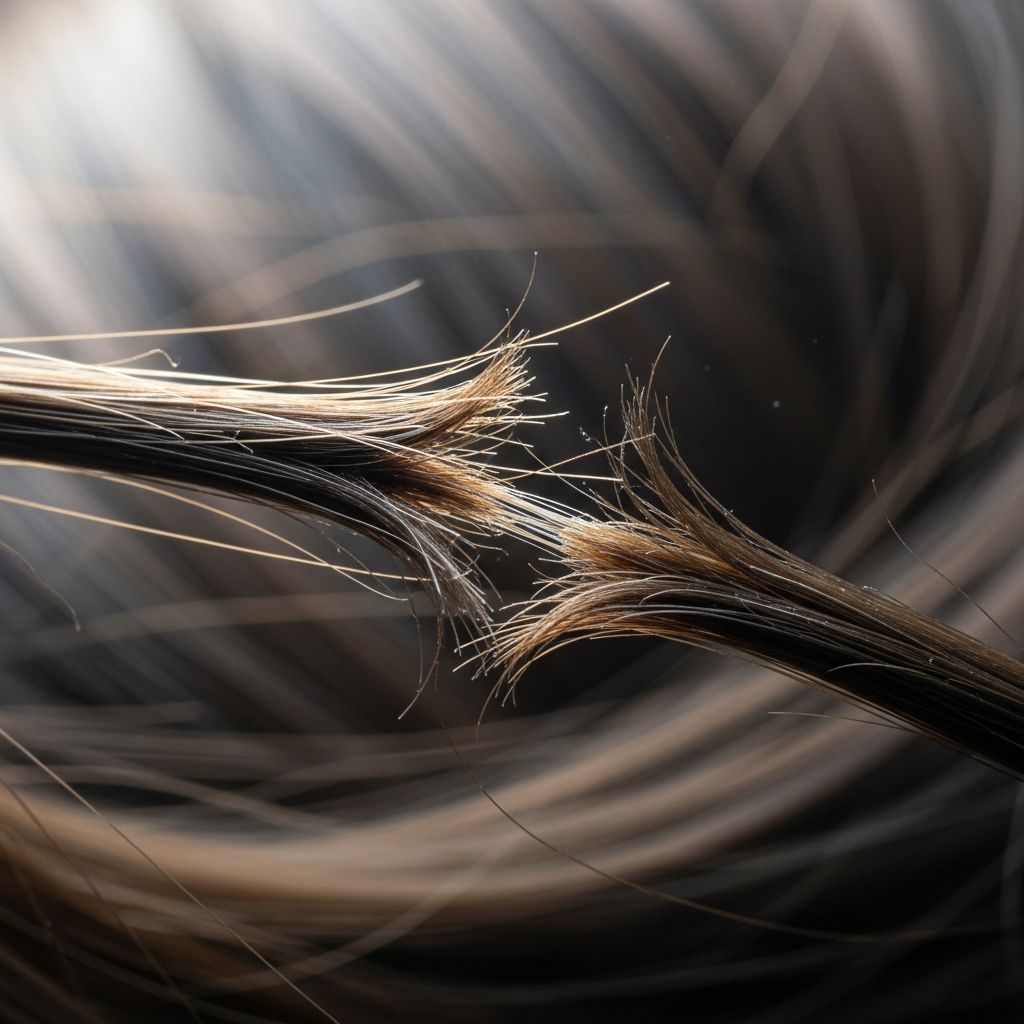
Brittle hair is characterized by strands that feel dry, rough, and prone to snapping or breaking, often appearing dull and tangled. This condition signals underlying damage to the hair’s protective cuticle, leading to fragility and loss of shine.
What Is Brittle Hair?
Brittle hair lacks moisture and elasticity, making it susceptible to breakage during routine activities like brushing or styling. Unlike normal hair, which has smooth, overlapping cuticle scales that lock in moisture and proteins, brittle strands show raised or damaged cuticles, resulting in frizz, split ends, and excessive shedding. You may notice more hair in your brush, shower drain, or on clothing, along with difficulty holding styles or absorbing color treatments.
Healthy hair relies on its inner structure for strength; when the cuticle degrades, the cortex—the hair’s main structural component—becomes exposed, accelerating damage. This can manifest as roughness to the touch, reduced shine, and a porous texture that repels conditioners.
Symptoms of Brittle Hair
- Dryness and roughness: Strands feel straw-like and lack smoothness.
- Easy breakage: Hair snaps under minimal tension, like during combing.
- Dull appearance: Loss of natural luster due to light scattering on damaged cuticles.
- Increased tangling: Knots form easily, especially at ends.
- Split ends and thinning: Visible fraying that travels up the shaft if untreated.
- Excessive shedding: More fallout than the normal 50-100 hairs per day.
These signs often worsen with environmental exposure or styling, creating a cycle of further damage.
Causes of Brittle Hair
Brittle hair stems from a mix of external aggressors, lifestyle factors, and internal health issues that compromise the hair shaft’s integrity. Identifying the root cause is key to effective treatment.
Heat Styling Damage
High temperatures from blow dryers, flat irons, and curling wands evaporate moisture and proteins, weakening the cuticle over time. Repeated exposure above 400°F directly bonds to hair proteins, causing irreversible brittleness.
Chemical Treatments
Dyes, bleaches, perms, and relaxers alter the hair’s pH and structure, stripping natural lipids and opening cuticles. Frequent use—more than every 8-10 weeks—leads to cumulative damage and potential scalp irritation.
Environmental Factors
UV rays, chlorine in pools, extreme weather (hot sun or freezing cold), and dry air deplete moisture. Sun exposure oxidizes melanin and proteins, while chlorine binds to the shaft, making it rigid.
Over-Washing and Harsh Products
Daily shampooing with sulfates strips sebum, the scalp’s natural oil. For dry hair types, washing more than 2-3 times weekly exacerbates brittleness.
Poor Diet and Nutritional Deficiencies
Hair requires protein, zinc, iron, folic acid, biotin, and antioxidants for growth. Deficiencies—from restrictive diets, veganism without supplements, or malabsorption—lead to weak shafts. Protein forms keratin; without it, hair becomes fragile.
Stress and Hormonal Imbalances
Chronic stress triggers telogen effluvium, pushing hair into resting phase prematurely. Hypothyroidism slows metabolism, thinning and drying strands.
Scalp Health Issues
An unhealthy scalp, influenced by oxidative stress from microbes like Malassezia, affects emerging hair. This yeast produces damaging free radicals, leading to cuticle pitting, rigidity, and breakage even before hairs fully grow out.
Mechanical Damage
Tight hairstyles, rough towel drying, fine-tooth combs, and plastic brushes cause friction-induced breaks. Over-brushing (beyond styling needs) exacerbates loss.
Medical Conditions
Eating disorders, autoimmune diseases, and medications (e.g., chemotherapy) impair follicle function, resulting in brittle regrowth.
How to Treat Brittle Hair
Related Stories



Restoring brittle hair involves moisture replenishment, damage minimization, and scalp support. Consistency yields results in 4-8 weeks.
Choose Nourishing Products
Opt for sulfate-free shampoos and deep conditioners with ceramides, oils (argan, coconut), and proteins (keratin, silk). Weekly masks repair cuticles. Use heat protectants with silicones before styling.
Gentle Washing Techniques
Shampoo roots only, condition mid-lengths to ends. Use lukewarm water; hot water strips oils. Limit washes to every 2-3 days for dry hair.
Minimize Heat and Chemicals
Air-dry when possible, use lowest heat settings, and space color services 8-10 weeks apart. Try cool-shot finishes to seal cuticles.
Handle Hair with Care
Detangle wet hair with wide-tooth combs from ends up. Pat dry with microfiber towels or T-shirts. Sleep on satin pillowcases or loose braids with silk ties.
Protect from Environment
Apply UV-protectant sprays, wear hats, rinse chlorine post-swim, and use humidifiers in dry climates.
Regular Trims
Trim split ends every 6-8 weeks to prevent upward damage travel, promoting healthier growth.
Diet and Supplements
Incorporate protein-rich foods (eggs, fish, nuts), iron sources (spinach, red meat), and zinc (seeds). Consult a doctor for deficiencies before supplementing.
Scalp Care
Zinc pyrithione shampoos inhibit Malassezia, reducing oxidative stress and breakage, even without dandruff.
Prevention Tips for Brittle Hair
- Balance washing frequency with your hair type.
- Alternate tight styles with loose ones.
- Incorporate weekly deep conditioning.
- Maintain a nutrient-dense diet.
- Use natural-bristle brushes on dry hair only.
When to See a Doctor
If brittleness persists despite changes, or accompanies scalp itch, rapid loss, or fatigue, consult a dermatologist or trichologist. Rule out hypothyroidism, anemia, or fungal issues.
Frequently Asked Questions (FAQs)
Can brittle hair be reversed?
Yes, with consistent care, moisture, and trims, most damage is reversible in 1-3 months, though severe cases may need professional help.
How often should I trim brittle hair?
Every 6-8 weeks to remove splits and encourage strength.
Does diet really affect hair brittleness?
Absolutely; deficiencies in protein, iron, and zinc directly weaken strands.
Is heat styling ever safe for brittle hair?
On low heat with protectants, occasionally—but air-drying is best.
What shampoo is best for brittle hair?
Those with zinc pyrithione for scalp health or moisturizing formulas with proteins.
| Cause | Symptoms | Treatment |
|---|---|---|
| Heat Damage | Dry, fried ends | Heat protectant, air-dry |
| Chemicals | Porous, uneven color | Space treatments, masks |
| Diet Deficiency | Thinning, weak growth | Nutrient-rich foods, supplements |
| Scalp Issues | Pitting, oxidative damage | ZPT shampoo |
References
- Brittle hair: What is it and how can you treat it? — Dove. Accessed 2026. https://www.dove.com/us/en/stories/tips-and-how-to/hair-care-tips-advice/what-is-brittle-hair-and-how-can-you-treat-it.html
- Hair Breakage: 12 Possible Causes and Treatment. — Healthline (Medically reviewed by Cynthia Cobb, DNP, APRN). 2023-02-14. https://www.healthline.com/health/hair-breakage
- Scalp Condition Impacts Hair Growth and Retention via Oxidative Stress. — PMC/NCBI (Peer-reviewed). 2019. https://pmc.ncbi.nlm.nih.gov/articles/PMC6369642/
Similar Articles








Read full bio of medha deb