Brittle Nails: Complete Guide To Prevention & Treatment
Discover causes, symptoms, and effective treatments for brittle nails to restore strength and health.
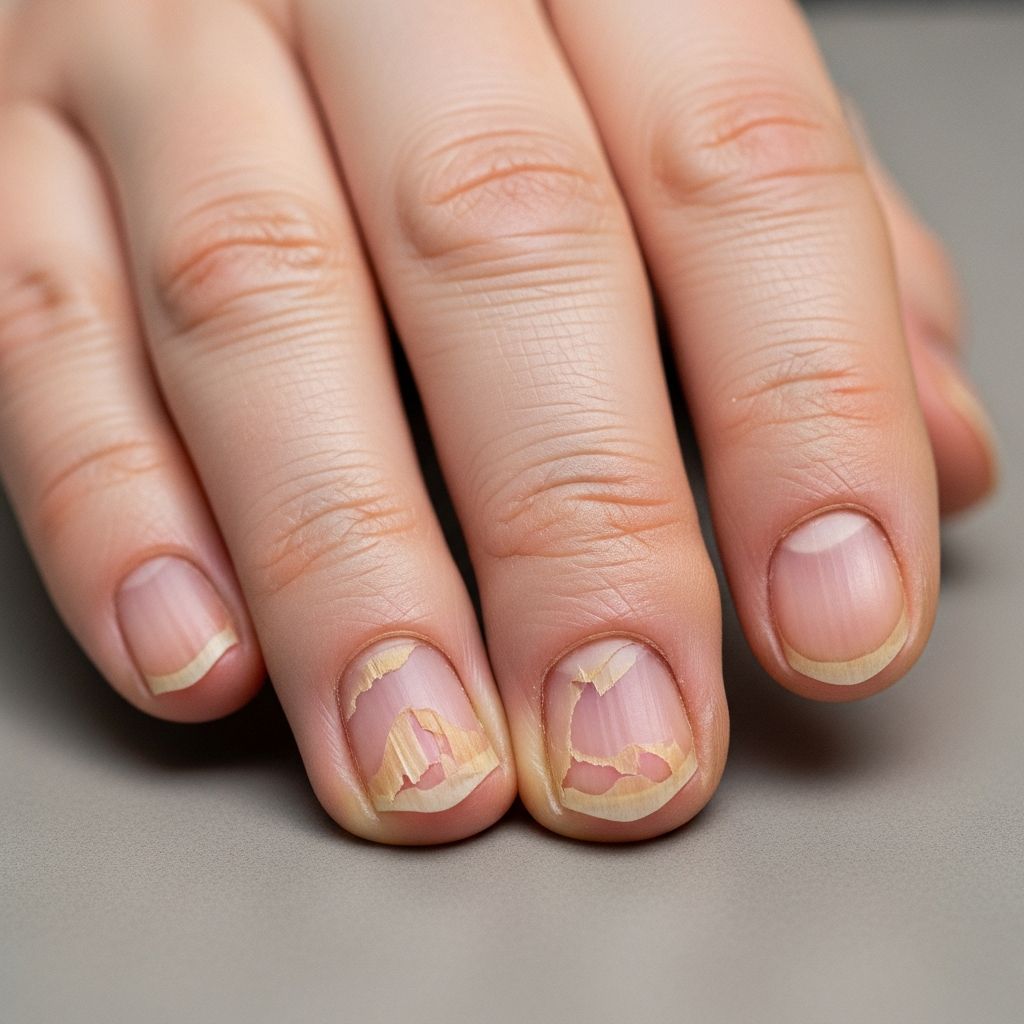
Brittle nails, a common issue affecting up to 20% of the population—particularly women over 50—manifest as nails that split, flake, crumble, soften, and lose elasticity. Fingernails are more commonly impacted than toenails. This condition, known as nail brittleness or fragility, presents in forms like onychoschizia (lamellar splitting), onychorrhexis (longitudinal ridging), superficial keratin granulation, and worn-down nails. Understanding its pathogenesis, clinical signs, and management is essential for effective care.
What Are Brittle Nails?
Brittle nails occur when the nail plate, composed of layered keratin protein, becomes fragile due to disruptions in its structure or hydration. Healthy nails are smooth, uniform in color, and resilient, growing from the nail matrix under the cuticle. Vertical ridges may appear with age but are typically harmless. However, brittleness signals potential issues ranging from environmental factors to systemic diseases.
The nail plate normally contains about 5% lipids and 16% water content. Reductions in cholesterol sulfate or water lead to dryness and cracking. In women, weaker intercellular keratinocyte bridges contribute to higher prevalence. Damage to the nail matrix—proximal for full-length thinning or distal for edge deformities—exacerbates fragility.
Symptoms of Brittle Nails
Key symptoms include:
- Onychoschizia: Horizontal splitting or peeling layers from the free edge, often due to repeated water exposure.
- Onychorrhexis: Fine longitudinal ridges running from cuticle to tip, linked to aging or nutritional deficiencies.
- Superficial granulation: Rough, sandpaper-like texture from keratin buildup.
- Worn-down nails: Thinning and crumbling, especially in chronic cases.
- Softness, slow growth, discoloration, or separation from the nail bed (onycholysis).
Accompanying signs warrant medical attention: nail thickening/thinning, pits, grooves, dark streaks, bleeding, swelling, pain, or failure to grow. These may indicate underlying conditions.
Causes of Brittle Nails
Brittle nails stem from primary (idiopathic) or secondary factors. Primary brittle nail syndrome predominantly affects fingernails and is more common in postmenopausal women due to lipid and water content declines.
External and Lifestyle Factors
- Frequent water/chemical exposure: Dishwashing or cleaning without gloves softens nails, leading to splitting.
- Trauma: Manicures, picking cuticles, or injury damage the matrix.
- Nail cosmetics: Acetone removers, gels, or acrylics dry out nails.
- Aging: Reduced cell turnover and lipid loss post-50.
Medical and Systemic Causes
Secondary brittleness links to health issues:
- Psoriasis: Up to 50% of patients show nail changes like pits, friability from matrix inflammation.
- Thyroid disorders: Hyperthyroidism (5% cases: brittle, soft nails); hypothyroidism (90%: thin, slow-growing with striae).
- Iron deficiency anemia: Koilonychia (spoon-shaped nails) with brittleness.
- Raynaud’s phenomenon: Poor circulation causes dryness.
- Other: Eczema, lichen planus, infections (onychomycosis), malnutrition, or medications.
| Condition | Nail Changes | Prevalence |
|---|---|---|
| Psoriasis | Pits, friable nails | 50% of patients |
| Hypothyroidism | Thin, brittle, ridged | 90% of patients |
| Hyperthyroidism | Soft, brittle | 5% of patients |
| Aging (women >50) | Onychoschizia, ridging | Up to 20% population |
When to See a Doctor for Brittle Nails
Consult a dermatologist or primary care provider if brittleness persists despite home care, accompanies systemic symptoms (fatigue, weight changes), or shows red flags like color changes, pain, or separation. Early intervention addresses underlying causes like thyroid issues or psoriasis.
Related Stories



Prevention Tips for Brittle Nails
Proactive habits maintain nail health:
- Keep dry and clean: Wear cotton-lined rubber gloves for wet tasks.
- Moisturize: Apply lotion to nails/cuticles daily; use occlusives like petrolatum.
- Groom properly: Trim straight across with sharp tools; avoid biting/picking.
- Protect: Limit polish remover; opt for acetone-free. Use hardeners sparingly.
- Safe salon practices: Choose licensed technicians; avoid cuticle removal; ensure sterile tools.
Treatments for Brittle Nails
Treatment targets causes: address systemic issues first, then support nail growth.
Supplements
- Biotin (Vitamin B7): Strengthens weak nails; consult provider.
- Collagen peptides: 24-week trial: 12% growth increase, 42% fewer breaks.
- Others: Cysteine, trace elements, iron (if deficient), silica.
Topicals
- Moisturizers with humectants (glycerin), alpha-hydroxy acids, urea for hydration.
- Nail lacquers to restructure plate.
Medical Interventions
For secondary causes: thyroid meds reverse changes; antifungals for infections; topicals for psoriasis.
Frequently Asked Questions (FAQs)
What causes brittle nails?
Brittle nails result from idiopathic factors (aging, low lipids/water), external trauma, or conditions like psoriasis (50% affected) and thyroid disorders (up to 90% in hypothyroidism).
Can biotin help brittle nails?
Yes, research indicates biotin strengthens brittle nails; consult a healthcare professional before starting.
Are brittle nails a sign of serious disease?
Often benign, but persistent cases with other symptoms may signal thyroid issues, anemia, or psoriasis—see a doctor.
How can I prevent brittle nails at home?
Keep nails dry with gloves, moisturize daily, trim properly, avoid harsh chemicals, and don’t bite cuticles.
How long do treatments take to work?
Supplements like collagen show results in 24 weeks; consistent care improves growth and reduces breakage over months.
Brittle nails impact daily life and self-esteem, but with targeted prevention and treatment, stronger nails are achievable. Always prioritize professional advice for personalized care.
References
- Pathogenesis, Clinical Signs and Treatment Recommendations in Nail Brittleness — Baran R, et al. 2020-02-14. https://pmc.ncbi.nlm.nih.gov/articles/PMC6994568/
- Fingernails: Do’s and don’ts for healthy nails — Mayo Clinic Staff. 2023-11-01. https://www.mayoclinic.org/healthy-lifestyle/adult-health/in-depth/nails/art-20044954
Similar Articles








Read full bio of Sneha Tete