Broccoli Benefits: 7 Science-Backed Health Perks
Discover the impressive health benefits of broccoli, from cancer prevention to heart health and beyond.
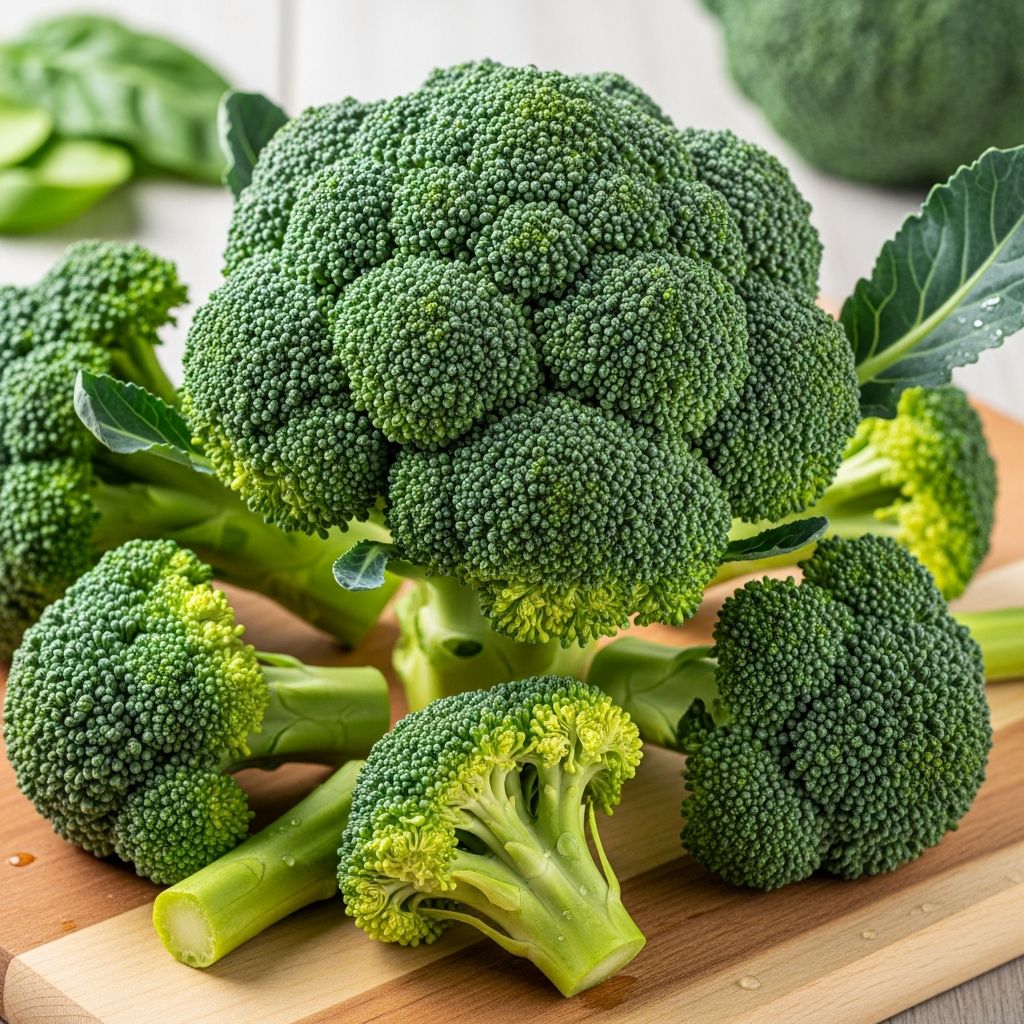
Broccoli, a vibrant green cruciferous vegetable, stands out as one of nature’s most nutrient-dense foods. Packed with vitamins, minerals, fiber, and potent bioactive compounds like sulforaphane, it offers a wide array of health benefits supported by scientific research. From reducing inflammation and supporting heart health to promoting digestion and potentially slowing aging, incorporating broccoli into your diet can significantly enhance overall wellness.
What Is Broccoli?
Broccoli (Brassica oleracea var. italica) belongs to the cruciferous family, alongside cauliflower, kale, and Brussels sprouts. Originating from the Mediterranean region, it has been cultivated for centuries and is now a staple in global cuisines. This low-calorie vegetable is available year-round, with peak freshness in cooler months. Its florets, stems, and leaves are all edible, providing a crunchy texture and mildly earthy flavor that pairs well with various dishes.
Nutritionally, a single cup of chopped broccoli (about 91 grams) delivers just 31 calories but boasts high levels of
vitamin C
(135% of the daily value),vitamin K
(116% DV), folate, potassium, and fiber. It also contains unique compounds like glucoraphanin, which converts to sulforaphane during digestion—a powerful antioxidant with protective effects against oxidative stress.Nutrition Facts for Broccoli
Broccoli’s impressive nutrient profile makes it a superfood. Here’s a breakdown of key nutrients in 1 cup (91g) of raw broccoli:
| Nutrient | Amount | % Daily Value |
|---|---|---|
| Calories | 31 | 2% |
| Protein | 2.6g | 5% |
| Carbs | 5.6g | 2% |
| Fiber | 2.4g | 9% |
| Vitamin C | 81mg | 135% |
| Vitamin K | 93µg | 116% |
| Folate | 57µg | 14% |
| Potassium | 289mg | 8% |
Data sourced from USDA nutrient database via reliable analyses. These nutrients contribute to broccoli’s role in immune support, bone health, and disease prevention.
7 Impressive Benefits of Broccoli
Research highlights broccoli’s multifaceted health advantages, primarily due to its antioxidants, fiber, and sulfur-containing compounds. Below are the top evidence-based benefits.
1. Contains Potent Antioxidants
Broccoli is loaded with antioxidants like sulforaphane, glucoraphanin, and flavonoids that neutralize free radicals—unstable molecules linked to chronic diseases. Sulforaphane, formed when glucoraphanin meets the enzyme myrosinase during chewing or chopping, activates the body’s Nrf2 pathway, boosting endogenous antioxidant production. Studies show this reduces oxidative stress, protecting cells from damage.
2. Has Anticancer Properties
Cruciferous vegetables like broccoli are renowned for anticancer effects. Sulforaphane and indole-3-carbinol inhibit cancer cell growth, promote detoxification enzymes, and induce apoptosis (programmed cell death) in tumors. Population studies link higher intake to reduced risk of prostate, breast, colon, and lung cancers. A review confirms glucosinolates’ role in blocking carcinogens.
3. Reduces Inflammation
Chronic inflammation underlies many diseases. Broccoli’s kaempferol, a flavonoid, exhibits strong anti-inflammatory effects in animal and human studies. Smokers consuming broccoli showed lowered inflammatory markers. Synergistic compounds like sulforaphane further suppress pro-inflammatory cytokines.
4. Beneficial for Blood Sugar Control
Broccoli aids blood sugar management, crucial for diabetes prevention. Its fiber slows glucose absorption, while antioxidants improve insulin sensitivity. A study of type 2 diabetics found daily broccoli sprouts reduced insulin resistance after one month. Animal models confirm lowered blood sugar and pancreatic protection.
Related Stories



5. Promotes Heart Health
Broccoli supports cardiovascular function through fiber, antioxidants, and nitrates that lower blood pressure and cholesterol. Potassium balances sodium, while sulforaphane reduces arterial stiffness. Epidemiological data associates cruciferous intake with lower heart disease risk.
6. Improves Digestion
High insoluble fiber in broccoli promotes regular bowel movements and prevents constipation. It fosters a healthy gut microbiome; studies in humans and mice show broccoli diets increase beneficial Bacteroidetes by 10% and reduce harmful Firmicutes by 9%, alongside lower colon inflammation.
7. Supports Brain Health and Slows Aging
Kaempferol and sulforaphane protect neurons from oxidative damage and inflammation. Older adults eating one serving of dark greens like broccoli daily experienced slower cognitive decline. Sulforaphane may activate anti-aging genes, mitigating oxidative stress linked to aging.
Additional Health Benefits
- Immune Boost: Vitamin C enhances white blood cell function and collagen synthesis for wound healing.
- Bone Health: Vitamin K and calcium prevent osteoporosis; sulforaphane inhibits bone-degrading osteoclasts.
- Eye Health: Lutein, zeaxanthin, and vitamin A protect against macular degeneration.
- Weight Management: Low-calorie, high-fiber profile promotes satiety and metabolism.
Potential Downsides of Broccoli
While highly beneficial, broccoli may cause gas or bloating due to raffinose and fiber, especially in sensitive individuals. Those with thyroid issues should moderate intake, as goitrogens can interfere with iodine uptake if raw and excessive—cooking mitigates this. Pesticide residues are possible; opt for organic or wash thoroughly.
How to Add More Broccoli to Your Diet
Versatile and easy to prepare, broccoli fits any meal:
- Steam or roast florets for 5-7 minutes to preserve sulforaphane.
- Chop raw into salads; let sit 10 minutes post-chopping for compound activation.
- Blend into smoothies or soups.
- Stir-fry with garlic and olive oil.
- Aim for 1-2 cups daily.
Bottom Line
Broccoli is a nutritional powerhouse delivering antioxidants, fiber, and vitamins that combat inflammation, cancer, and age-related decline while supporting heart, gut, and brain health. Regular consumption, prepared optimally, maximizes benefits with minimal downsides.
Frequently Asked Questions (FAQs)
Is broccoli good for you?
Yes, broccoli is exceptionally nutritious, offering antioxidants like sulforaphane that fight oxidative stress, plus fiber and vitamins for comprehensive health support.
Is it better to eat broccoli raw or cooked?
Both; raw maximizes sulforaphane, cooking enhances absorption of other nutrients like beta-carotene. Lightly steaming is ideal.
Can broccoli help with weight loss?
Absolutely—its low calories and high fiber promote fullness and steady metabolism.
Does broccoli cause gas?
It can due to fiber and FODMAPs; start small and cook to reduce effects.
How much broccoli should you eat per day?
1-2 cups provide significant benefits without excess.
References
- Top 14 Health Benefits of Broccoli — Healthline. 2025-06-19. https://www.healthline.com/nutrition/benefits-of-broccoli
- Broccoli: A Multi-Faceted Vegetable for Health: An In-Depth Review — PMC (PubMed Central). 2023-07-20. https://pmc.ncbi.nlm.nih.gov/articles/PMC10376324/
- Why to eat cruciferous vegetables — Mayo Clinic Health System. 2023. https://www.mayoclinichealthsystem.org/hometown-health/speaking-of-health/superfoods-why-you-should-eat-cruciferous-vegetables
Similar Articles








Read full bio of Sneha Tete