Broccoli vs. Brussels Sprouts: Antioxidant Punch
Discover which cruciferous powerhouse—broccoli or Brussels sprouts—delivers more antioxidants and health benefits for your diet.
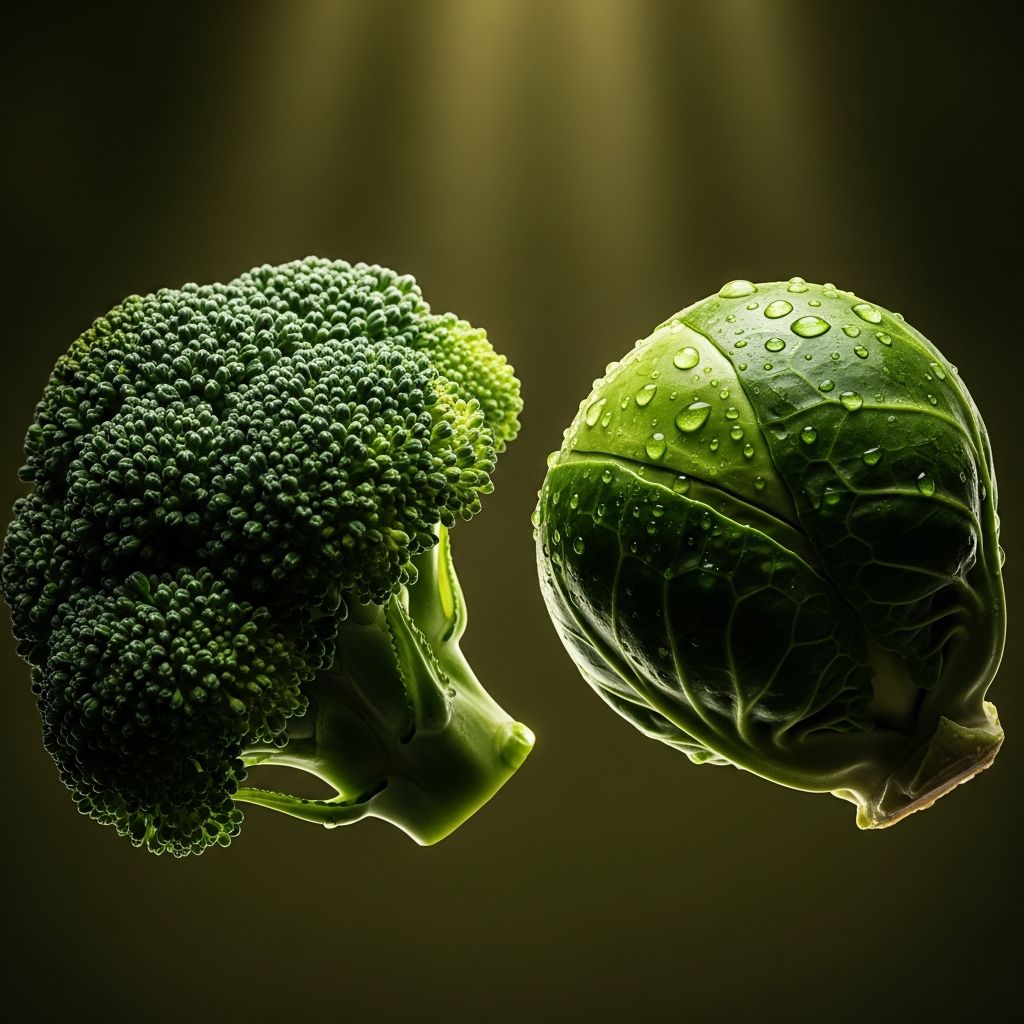
Both broccoli and Brussels sprouts are nutrient-dense cruciferous vegetables celebrated for their rich antioxidant profiles, particularly sulforaphane, a compound linked to cancer prevention and anti-inflammatory effects. While they share similar nutritional foundations, subtle differences in vitamin content and bioactive compounds determine which one edges ahead in delivering the ultimate antioxidant punch.
Nutritional Breakdown: A Close Comparison
Broccoli and Brussels sprouts boast remarkably similar calorie, protein, carbohydrate, and fat profiles, making them ideal low-calorie choices for weight management and overall wellness. Per 100g of boiled servings, broccoli provides 35 calories, 2.4g protein, 7.2g carbohydrates (including 3.3g fiber), and just 0.4g fat. Brussels sprouts offer 36 calories, 2.5g protein, 7g carbohydrates (2.6g fiber), and 0.5g fat.
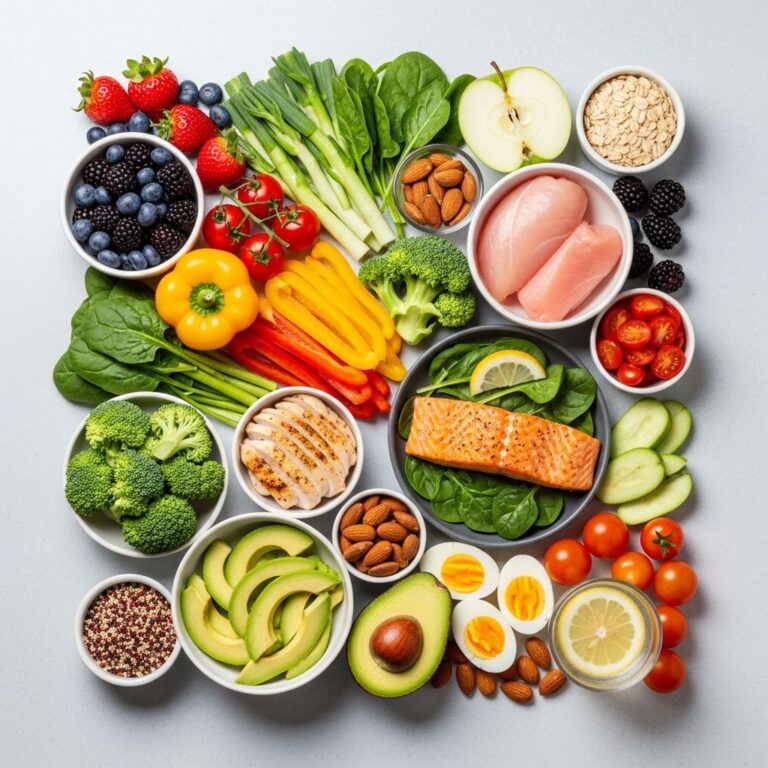
Both vegetables excel in essential vitamins and minerals. They are powerhouse sources of vitamins C, K, and folate, alongside manganese and potassium, which support blood pressure regulation by balancing sodium levels.
Vitamin and Mineral Showdown
Detailed nutrient comparisons reveal nuanced advantages. The table below highlights daily value percentages (DV%) for key nutrients in 100g servings, based on aggregated data from USDA and similar databases.
| Nutrient | Broccoli (DV%) | Brussels Sprouts (DV%) |
|---|---|---|
| Vitamin A | 16% | 25% |
| Vitamin B1 (Thiamine) | 6% | 12% |
| Vitamin B2 (Riboflavin) | 9% | 7% |
| Vitamin B3 (Niacin) | 4% | 5% |
| Vitamin B5 (Pantothenic Acid) | 11% | 6% |
| Vitamin B6 (Pyridoxine) | 13% | 17% |
| Vitamin B7 (Biotin) | 4% | 16% |
| Vitamin B9 (Folate) | 16% | 15% |
| Vitamin C | 99% | 74% |
| Vitamin E | 10% | 6% |
| Vitamin K | 85% | 148% |
| Phosphorus | 9% | 10% |
| Potassium | 9% | 11% |
| Selenium | 5% | 3% |
| Zinc | 4% | 4% |
Brussels sprouts lead in vitamins A, B1, B6, B7, K, phosphorus, and potassium, supporting vision, energy metabolism, nerve function, and bone health. Broccoli dominates in vitamin C (nearly 100% DV), crucial for immune support and collagen production.
The Star Antioxidant: Sulforaphane and Its Power
Sulforaphane, a sulfur-based isothiocyanate derived from glucosinolates, is the standout antioxidant in both vegetables, activated by chopping or chewing. This compound drives many health benefits, including detoxification and cellular protection.
Research indicates broccoli, especially its sprouts, contains higher sulforaphane levels than mature Brussels sprouts. Studies highlight sulforaphane’s role in inhibiting cancer cell growth and reducing risk through antioxidant and anti-inflammatory pathways.
Cancer-Fighting Potential
Both veggies contribute glucosinolates that break down into sulforaphane, showing promise against various cancers. Broccoli’s superior sulforaphane content has been extensively studied.
- Stomach Cancer: Polish researchers found broccoli sprout-enriched bread exhibited chemopreventive effects against stomach cancer.
- Lung Cancer: A four-year Spanish case-control study on men over 30 linked broccoli consumption to reduced lung cancer risk.
- General Cancer Risk: MD Anderson experts note sulforaphane in broccoli and Brussels sprouts activates Nrf2 pathways, enhancing detoxification enzymes and reducing oxidative stress linked to cancer.
Dr. Stephen Franklin of Evgen Pharma developed a sulforaphane pill mimicking doses from these veggies to combat cancer growth.
Related Stories



Anti-Inflammatory and Cholesterol Benefits
Glucosinolates in both provide anti-inflammatory effects by neutralizing free radicals and excess inflammation. Soluble fiber binds cholesterol, promoting its excretion via the digestive tract rather than artery buildup, supporting heart health.
Preparation Tips for Maximum Benefits
To optimize nutrient bioavailability:
- Chop or grate raw for salads to activate myrosinase enzyme, boosting sulforaphane.
- Steam lightly (3-5 minutes) to preserve vitamins C and sulforaphane; avoid over-boiling.
- Combine with mustard seed powder if cooking at high heat to regenerate sulforaphane.
- Store in fridge; consume within a week to retain freshness and nutrients.
Using a cheese grater on raw forms enhances digestibility and antioxidant release.
Which Wins the Antioxidant Battle?
Broccoli takes the lead for sulforaphane and vitamin C, making it the top antioxidant punch for cancer prevention and immunity. Brussels sprouts shine in vitamins A and K, ideal for eye health and clotting. Incorporate both for comprehensive benefits—variety maximizes phytochemical diversity.
Practical Ways to Add Them to Your Diet
- Roasted Brussels Sprouts: Toss with olive oil, garlic, and roast at 400°F for 20-25 minutes.
- Broccoli Stir-Fry: Sauté with ginger, soy sauce, and tofu for a quick meal.
- Salads: Grate raw into slaws with lemon vinaigrette.
- Smoothies: Blend steamed broccoli with fruits for hidden nutrition.
- Sides: Steam and season with herbs for dinners.
These methods preserve antioxidants while enhancing flavor.
Frequently Asked Questions (FAQs)
Which has more antioxidants, broccoli or Brussels sprouts?
Broccoli edges out with higher sulforaphane and vitamin C levels, key antioxidants for health protection.
Are raw or cooked cruciferous veggies better?
Raw maximizes sulforaphane; light steaming retains most benefits without nutrient loss.
Can these veggies prevent cancer?
They reduce risk via sulforaphane’s protective effects, but they’re not cures—combine with a balanced diet.
How much should I eat daily?
Aim for 1-2 cups of cruciferous veggies several times weekly for optimal benefits.
Do they help with weight loss?
Yes, low calories and high fiber promote satiety and fat binding.
Potential Downsides and Considerations
Both contain goitrogens, which may affect thyroid in large amounts if iodine-deficient—cook to reduce. Gas or bloating can occur; start small. Those on blood thinners note high vitamin K.
References
- Which is Healthier, Brussels Sprouts or Broccoli? — Nutrizonia. Accessed 2026. http://www.nutrizonia.com/which-is-healthier-brussel-sprouts-or-broccoli/
- How broccoli and Brussels sprouts may help reduce your cancer risk. — MD Anderson Cancer Center. 2020-01-15. https://www.mdanderson.org/cancerwise/sulforaphane-benefits–how-broccoli-and-brussels-sprouts-may-help-reduce-cancer-risk.h00-159781968.html
Similar Articles








Read full bio of medha deb