Broccoli vs Cauliflower: Nutritional Comparison & Health Benefits
Discover the key differences between broccoli and cauliflower and which vegetable offers superior health benefits.
Broccoli vs. Cauliflower: A Complete Nutritional Comparison
When it comes to choosing between broccoli and cauliflower, many people wonder which vegetable offers superior nutritional benefits. Both vegetables are nutritional powerhouses that belong to the same plant family, yet they have distinct differences in their nutrient profiles and flavor profiles. Understanding these differences can help you make informed dietary choices and maximize the health benefits you receive from your vegetables. While broccoli edges out slightly in terms of overall vitamin content, cauliflower remains an excellent choice for those seeking a milder flavor or specific dietary needs. This comprehensive guide explores everything you need to know about these two cruciferous vegetables.
The Genetic Connection Between Broccoli and Cauliflower
Both broccoli and cauliflower are members of the Cole Family of vegetables and are variations of the wild mustard plant, sometimes referred to as wild cabbage. Through selective breeding over centuries, the wild mustard plant was domesticated to cultivate at least six distinct varieties of vegetables, including modern cabbage and kale. This evolutionary process demonstrates how human agriculture has shaped the vegetables we consume today.
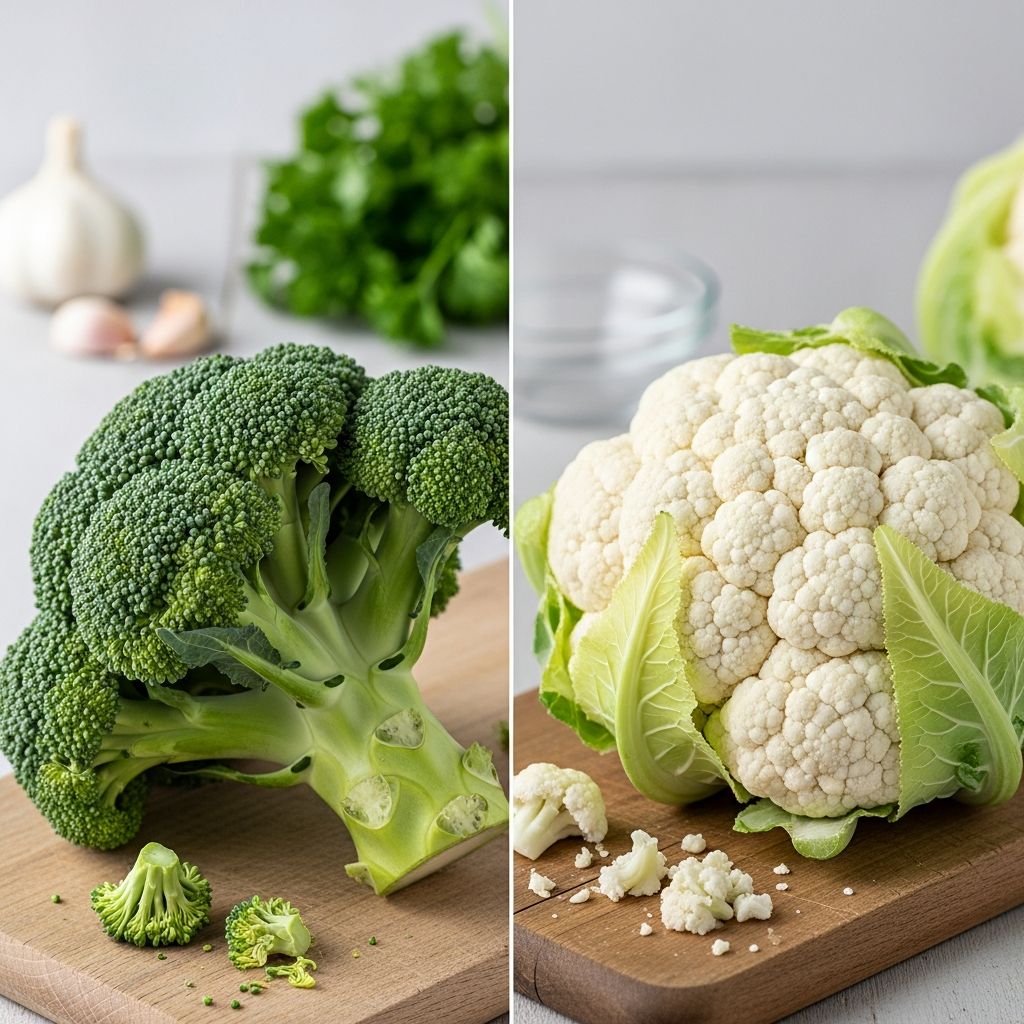
Broccoli was cultivated from a kale predecessor by selectively reproducing only the larger, tastier buds until an entirely new plant emerged with the characteristics we recognize today. Cauliflower represents a more recent cultivation effort and is actually the result of multiple breeding variations of broccoli. If you examine the two vegetables closely, you’ll notice distinct differences beyond their colors. While broccoli features more spread-out florets growing from the central stem, cauliflower has distinctly tighter, more compact bunched florets.
Nutritional Showdown: Is Broccoli Healthier Than Cauliflower?
When examining the nutritional profiles of these two vegetables, both broccoli and cauliflower are packed with essential nutrients. However, broccoli does edge out slightly in terms of overall vitamin content. Broccoli contains notably more vitamin C, vitamin K, and vitamin A, along with higher levels of fiber and beneficial fatty acids. Despite this advantage, cauliflower remains a fantastic dietary choice, particularly for individuals seeking a milder flavor profile or lower oxalate levels.
The ideal approach to vegetable consumption involves incorporating both vegetables into your regular diet. This strategy ensures you receive a broader spectrum of vitamins and minerals, maximizing your nutritional intake and promoting overall health.
Detailed Nutritional Comparison
Similarities Between Cauliflower and Broccoli
Despite their differences, broccoli and cauliflower share remarkable nutritional similarities that make both valuable additions to any healthy diet:
- Similar carbohydrate content, making them suitable for various dietary approaches
- High in dietary fiber, supporting digestive health and regularity
- Low in calories, making them excellent choices for weight management
- Both contain folate, an essential B vitamin for cell division and DNA synthesis
- Rich in potassium, supporting heart health and blood pressure regulation
- Contains amino acids, the building blocks of protein
- Support cancer prevention through various phytochemicals and antioxidants
- Help lower cholesterol levels and improve overall cardiovascular health
- Contribute to improved gut health through their fiber content
- Among the lowest in pesticide residues, according to the Environmental Working Group, making conventional purchases acceptable with proper washing
Related Stories



Key Differences Between Cauliflower and Broccoli
While both vegetables offer impressive nutritional benefits, several important differences distinguish them:
- Vitamin Content: Broccoli contains significantly higher levels of vitamin K and vitamin C compared to cauliflower
- Eye Health: Broccoli is specifically known for promoting eye health due to its higher antioxidant content
- Mineral Content: Broccoli florets provide more minerals and fiber overall
- Vitamin A: Broccoli contains vitamin A, which is absent in cauliflower
- Fatty Acid Profile: Broccoli contains less undesirable saturated fatty acids and higher levels of beneficial polyunsaturated fatty acids
- Flavor Profile: Broccoli offers a more robust, greener flavor when eaten fresh, while cauliflower provides a milder, more delicate taste
- Oxalate Levels: Cauliflower contains lower oxalate levels, which may benefit individuals concerned with oxalate consumption
Understanding Broccoflower and Other Hybrid Varieties
Through the process of selective breeding and cross-pollination between broccoli and cauliflower, a fascinating hybrid vegetable called broccoflower has emerged. Also known as green cauliflower, broccoflower represents an interesting middle ground between its parent vegetables. Several types of broccoflower exist, with the most common varieties featuring an appearance similar to white cauliflower but in a distinctive lime-green color with spiked-looking florets.
Broccoflower boasts nutritional qualities similar to both broccoli and cauliflower while offering a taste that is notably more tender and slightly sweeter than either parent vegetable. This makes it an excellent option for those seeking variety or new flavor experiences while maintaining strong nutritional value.
Another vegetable commonly referred to as broccoflower is Romanesco broccoli, a distinctly different variety. This Italian heirloom vegetable features lime-green heads and florets that closely resemble cauliflower-type broccoflower in appearance. However, Romanesco broccoli distinguishes itself through its firm texture and earthy, slightly nutty flavor profile, offering a unique culinary experience.
Cooking Methods and Nutritional Retention
How you prepare broccoli and cauliflower significantly impacts their nutritional value. Since both vegetables absorb flavors from other foods and have similar fibrous textures, they are largely interchangeable in most recipes. However, the cooking method you choose can preserve or diminish their nutritional content.
Raw Consumption
Eating broccoli and cauliflower raw is the optimal method for maximum nutrient retention. Raw vegetables preserve all heat-sensitive vitamins and phytochemicals that may be lost during cooking processes.
Steaming
Steaming represents the best cooking method if you prefer cooked vegetables. Research demonstrates that steaming broccoli preserves significantly higher nutrient levels compared to boiling, microwaving, and stir-frying. This gentle cooking method allows vegetables to cook through without prolonged exposure to heat or water.
Boiling
While boiling can diminish some nutrients, it becomes beneficial if you retain the cooking water and use it in soups or stews. This practice allows you to recapture water-soluble vitamins that leach from the vegetables during the boiling process.
Baking
Broccoli maintains its antioxidant capacity even after baking, making this another viable preparation method that preserves nutritional benefits.
Other Methods
Stir-frying and microwaving are less optimal for nutrient retention, though they remain acceptable cooking methods if convenience is prioritized.
Practical Recipe Ideas and Preparation Tips
Incorporating broccoli and cauliflower into your weekly meals is straightforward, thanks to their versatility. Here are several delicious ways to enjoy these nutritious vegetables:
- Simple Steamed Side Dish: Prepare steamed cauliflower or broccoli tossed with garlic, olive oil, and fresh lemon juice for a flavorful, nutrient-dense side dish
- Raw Salad: Combine raw broccoli florets with quinoa to create a make-ahead salad that serves as a satisfying and nutritious side dish
- Creamy Soup: Use your slow cooker to combine cauliflower, broccoli, and cheese for a warming, creamy soup perfect for cooler months
- Roasted Vegetables: Roast either vegetable with your choice of seasonings for a caramelized, flavorful preparation
- Stir-Fry Dishes: Include broccoli or cauliflower in stir-fry dishes with other vegetables and your protein of choice
- Rice or Grain Bowls: Use cauliflower rice as a low-carb alternative to traditional grains in bowl-based meals
Frequently Asked Questions About Broccoli and Cauliflower
Q: Can I substitute broccoli for cauliflower in recipes?
A: Yes, broccoli and cauliflower are largely interchangeable in most recipes due to their similar fibrous texture and ability to absorb flavors from other ingredients. However, keep in mind that broccoli has a stronger, more robust flavor while cauliflower is milder and more delicate.
Q: Which vegetable is better for weight loss?
A: Both broccoli and cauliflower are excellent choices for weight loss due to their low calorie content and high fiber levels. They promote satiety and support digestive health, making either option ideal for weight management goals.
Q: Do I need to buy organic broccoli and cauliflower?
A: According to the Environmental Working Group, both broccoli and cauliflower contain some of the lowest pesticide residue levels among all produce. Conventional purchases are acceptable, though thorough washing under running water is always recommended.
Q: Which cooking method preserves the most nutrients?
A: Eating the vegetables raw preserves all nutrients. If you prefer cooked vegetables, steaming is the superior cooking method for nutrient retention, significantly outperforming boiling, microwaving, and stir-frying.
Q: What is the difference between broccoflower and Romanesco broccoli?
A: Broccoflower is a hybrid created through cross-pollination between broccoli and cauliflower, featuring a cauliflower-like appearance with a lime-green color and spiked florets. Romanesco broccoli is an Italian heirloom with a similar appearance but offers a firm texture and earthy, nutty flavor.
Q: Are there any health conditions where one vegetable is preferable to the other?
A: Cauliflower may be preferable for individuals concerned with oxalate levels. Broccoli is particularly beneficial for those seeking to optimize eye health due to its higher antioxidant content and vitamin A levels.
Q: How much broccoli or cauliflower should I eat daily?
A: General dietary guidelines recommend consuming 2.5 to 3 cups of vegetables daily for adults. Both broccoli and cauliflower can contribute significantly to meeting these recommendations, and incorporating varied portions throughout the week ensures diverse nutrient intake.
Conclusion: Making Your Choice
Both broccoli and cauliflower deserve prominent positions in a healthy diet. While broccoli edges out slightly in vitamin content, particularly in vitamins C, K, and A, cauliflower remains an excellent nutritional choice. Rather than selecting one over the other, the best approach involves incorporating both vegetables regularly into your meals. This strategy ensures maximum nutritional diversity while allowing you to enjoy the distinct flavor profiles each vegetable offers. Whether you prefer the robust flavor of broccoli or the milder taste of cauliflower, both vegetables support weight management, digestive health, heart health, and cancer prevention. Start experimenting with different preparation methods and recipes to discover your favorite ways to enjoy these nutritional powerhouses.
References
- Broccoli vs. Cauliflower: Nutritional Comparison and Health Benefits — PlushCare. 2025. https://plushcare.com/blog/broccoli-vs-cauliflower-differences
- Environmental Working Group’s Dirty Dozen and Clean Fifteen — Environmental Working Group. 2025. https://www.ewg.org/foodies/clean-fifteen
- Cruciferous Vegetables and Health: A Review — National Center for Biotechnology Information. 2024. https://www.ncbi.nlm.nih.gov/pmc/articles/PMC7397656/
- The Effects of Different Cooking Methods on Broccoli Nutrient Content — Journal of Agricultural and Food Chemistry, American Chemical Society. 2023. https://pubs.acs.org/doi/10.1021/jf0300459
- Dietary Fiber and Its Role in Health — Academy of Nutrition and Dietetics. 2024. https://www.eatright.org/
Similar Articles








Read full bio of medha deb