Broken Heart Syndrome: Causes, Symptoms & Treatment
Understanding stress cardiomyopathy: symptoms, triggers, and recovery pathways.
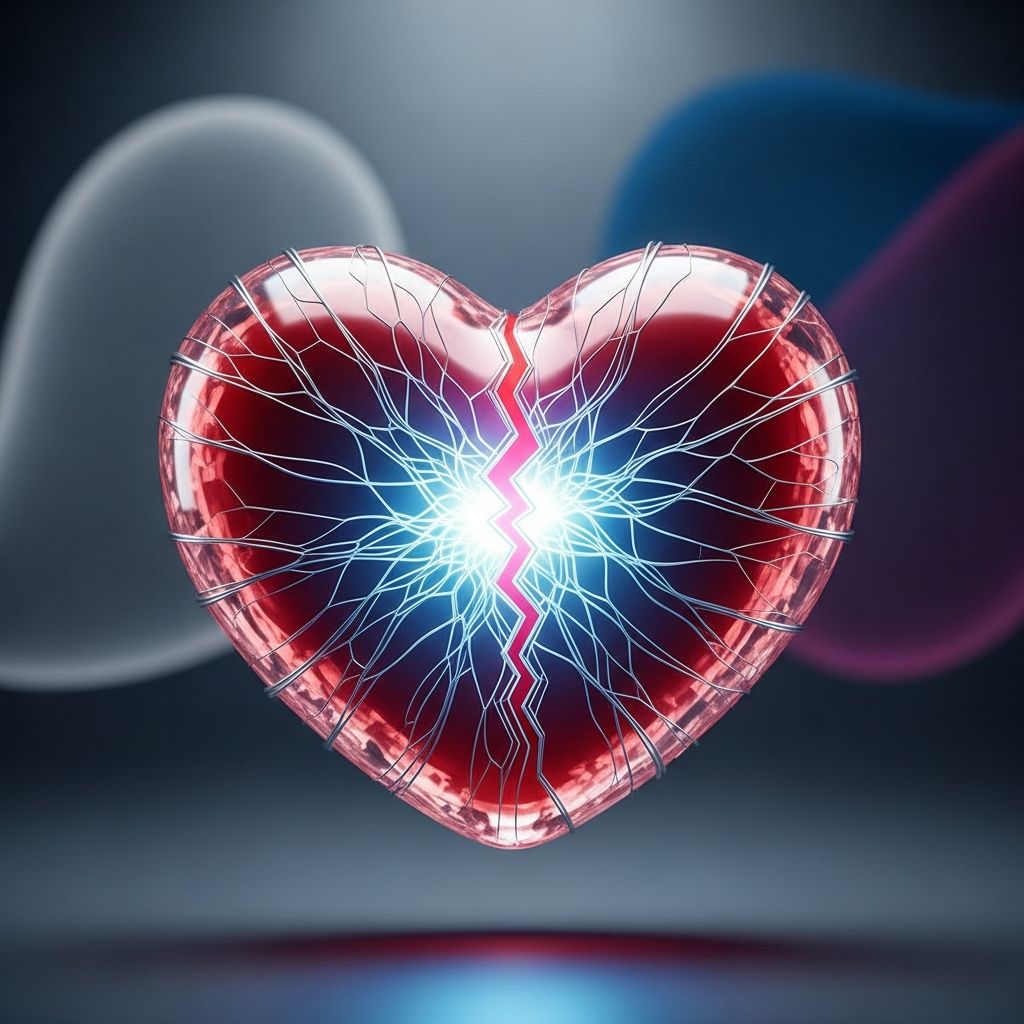
Understanding Broken Heart Syndrome
Broken heart syndrome, medically known as takotsubo cardiomyopathy or stress cardiomyopathy, is a real and treatable heart condition that occurs when extreme emotional or physical stress triggers a temporary weakness in the heart muscle. Unlike a traditional heart attack caused by blocked arteries, broken heart syndrome results from a sudden surge of stress hormones that stun the heart and reduce its ability to pump blood effectively. The condition primarily affects the left ventricle, the heart’s main pumping chamber, though the rest of the heart typically continues to function normally.
The term “broken heart syndrome” emerged because the condition is frequently linked to intense emotional experiences such as grief from losing a loved one, relationship breakups, or sudden traumatic events. However, physical stressors can be equally responsible for triggering this condition. While the symptoms can feel identical to a heart attack, broken heart syndrome is usually temporary and reversible, with most patients recovering fully within weeks when appropriate treatment is provided.
Recognizing the Symptoms
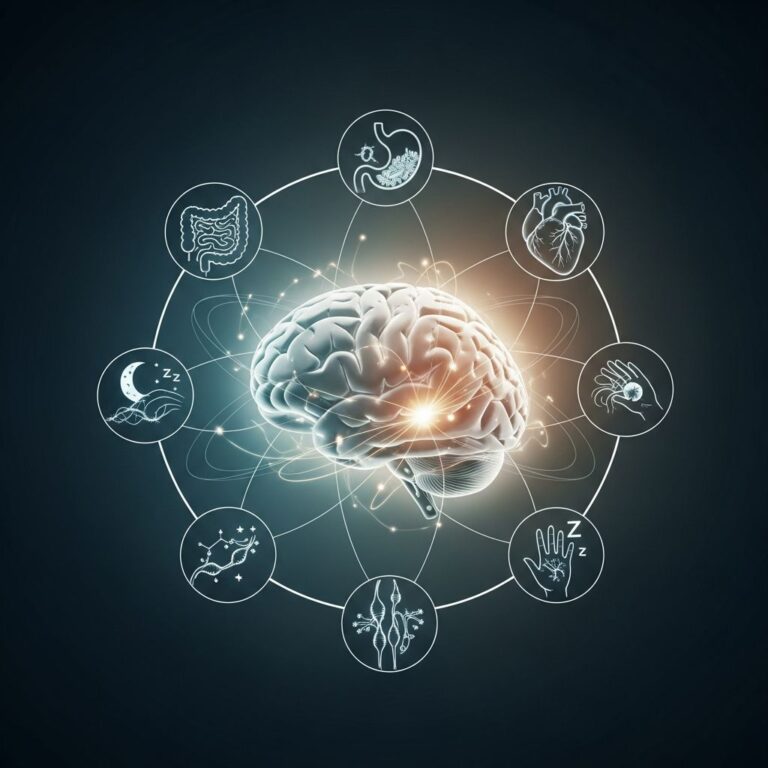
Broken heart syndrome presents with symptoms that closely mimic a heart attack, making prompt medical evaluation essential. Understanding these warning signs can help you seek timely emergency care.
Primary Symptoms
Chest Pain: The most characteristic symptom is sudden, severe chest pain or pressure that develops abruptly following a stressful event. This chest discomfort can be mistaken for cardiac pain associated with a heart attack.
Shortness of Breath: Patients frequently experience difficulty breathing or a sensation of breathlessness. This occurs because the weakened heart muscle struggles to pump blood efficiently, reducing oxygen circulation throughout the body.
Irregular Heartbeat: Many individuals report palpitations or an awareness of their heartbeat becoming irregular or racing. The heart may beat too quickly or in an abnormal rhythm as it responds to the stress hormone surge.
Dizziness and Fainting: Lightheadedness, dizziness, or fainting spells may occur due to reduced blood flow to the brain. In severe cases, loss of consciousness can happen.
Associated Symptoms
Sweating: Sudden and sometimes excessive sweating can occur even without physical exertion. This symptom reflects the body’s stress response and typically accompanies chest pain or dizziness.
Nausea and Abdominal Discomfort: Some patients experience nausea, vomiting, or stomach discomfort. These symptoms result from stress hormones affecting the digestive system and disrupting normal gastrointestinal function.
Fatigue: General weakness and exhaustion are common, particularly as the heart works harder to maintain adequate blood circulation.
Understanding the Causes and Triggers
While the exact mechanisms behind broken heart syndrome remain not fully understood, research consistently points to a surge in stress hormones, particularly adrenaline, as the primary trigger. When individuals experience intense emotional or physical stress, the body releases elevated levels of these hormones into the bloodstream, temporarily stunning the heart muscle.
Emotional Stressors
Approximately 30% of broken heart syndrome cases are triggered by emotional stress. These emotional triggers include the death of a spouse or close family member, intense grief, severe relationship conflicts, financial difficulties, or even positive events like weddings, birthdays, or receiving unexpected good news. The common factor is the intensity of the emotional response rather than whether the trigger is positive or negative.
Related Stories



Physical Stressors
Around 40% of cases result from physical stress, such as major surgery, severe infections, high fever, significant blood loss, or extreme physical exertion. Other documented physical triggers include seizures, strokes, respiratory distress, severe pain, and extreme exhaustion. Interestingly, some cases have been associated with severe illness, including cancer diagnoses and COVID-19 infections.
Unidentified Triggers
In approximately 30% of cases, doctors cannot identify a clear or specific trigger. This underscores the complex nature of the condition and suggests that individual factors related to heart sensitivity and stress hormone responsiveness vary considerably among patients.
Risk Factors and Susceptibility
Women, particularly middle-aged and post-menopausal women, account for approximately 90% of broken heart syndrome cases. This significant sex difference suggests that hormonal factors may play a protective role in men or increase vulnerability in women. Additionally, individuals with pre-existing cardiovascular disease, chronic stress conditions, anxiety disorders, or depression appear to have increased susceptibility to broken heart syndrome.
How Broken Heart Syndrome Differs from a Heart Attack
| Feature | Broken Heart Syndrome | Heart Attack |
|---|---|---|
| Primary Cause | Surge of stress hormones temporarily weakening heart muscle | Blocked coronary arteries from plaque buildup |
| Triggers | Extreme emotional or physical stress | Lifestyle factors like high cholesterol and smoking |
| Affected Area | Usually left ventricle; rest of heart functions normally | Specific area supplied by blocked artery |
| Duration | Temporary; typically reversible within weeks | Permanent damage to heart tissue |
| Artery Status | Coronary arteries remain clear and unblocked | Coronary arteries show significant blockage |
| Recovery | Full recovery common without lasting damage | May result in permanent heart damage |
Diagnosis and Testing
Because broken heart syndrome initially presents identically to a heart attack, diagnosis requires a comprehensive evaluation combining clinical assessment, laboratory tests, and cardiac imaging studies.
Initial Assessment
Physicians begin by taking a detailed history, focusing on recent stressful events preceding symptom onset. They will ask about emotional or physical stressors, current medications, family history of heart disease, and symptom characteristics.
Electrocardiogram (ECG)
An ECG records the heart’s electrical activity and can show changes suggestive of broken heart syndrome, though these findings may be non-specific or mimic those seen in heart attacks.
Cardiac Biomarkers
Blood tests measure troponin and other enzymes that indicate heart muscle damage. In broken heart syndrome, these markers may be mildly elevated or normal, which helps distinguish it from a true heart attack where levels are typically much higher.
Echocardiography
Ultrasound imaging of the heart allows visualization of the weakened left ventricle. The characteristic finding in broken heart syndrome is the distinctive “takotsubo” or octopus pot-shaped appearance of the left ventricle apex during contraction.
Coronary Angiography
This procedure involves injecting contrast dye into coronary arteries while taking X-ray images. The critical finding distinguishing broken heart syndrome from a heart attack is the absence of significant coronary artery blockage, despite the presence of heart dysfunction.
Cardiac MRI
Advanced imaging that provides detailed information about heart muscle structure and function, helping confirm the diagnosis and assess the extent of temporary dysfunction.
Treatment and Recovery
There is no specific cure for broken heart syndrome, but treatment focuses on supporting heart function, reducing stress on the heart, and managing symptoms while the heart recovers its normal function.
Medications
Once the diagnosis is confirmed, several medication classes help reduce strain on the heart and prevent recurrence:
Beta Blockers: These medications reduce heart rate and blood pressure, thereby decreasing the heart’s workload and stress burden.
ACE Inhibitors: Angiotensin-converting enzyme inhibitors improve heart function by relaxing blood vessels and lowering strain on the heart muscle.
Angiotensin II Receptor Blockers (ARBs): Similar to ACE inhibitors, these medications help relax blood vessels and reduce cardiac stress.
Diuretics: Water pills help eliminate excess fluid, reducing the heart’s workload and improving symptoms like shortness of breath.
Antianxiety Medications: These help manage emotional stress and anxiety, which can worsen symptoms and hinder recovery.
Blood Thinners: If blood clots develop within the heart, anticoagulant medications may be prescribed to prevent stroke or other complications.
Supportive Care
In severe cases where the heart is significantly weakened, mechanical support devices may be necessary. An intra-aortic balloon pump or left ventricular assist device can temporarily help the heart pump blood effectively while recovery occurs. These interventions are rare but life-saving in critical situations.
Stress Management and Lifestyle Modifications
Recovery extends beyond medication. Managing underlying stress through cognitive behavioral therapy, deep breathing exercises, meditation, and mindfulness practices helps regulate stress hormones and promote healing. Engaging in regular moderate exercise, maintaining strong social connections, pursuing enjoyable hobbies, and ensuring adequate sleep all contribute to cardiovascular recovery.
Dietary Changes: A heart-healthy diet supports recovery and prevents future episodes. This includes lean proteins such as chicken and fish, abundant vegetables, whole grains, nuts, and fresh fruits while limiting processed foods, excess salt, and trans fats.
Cardiac Rehabilitation: Structured rehabilitation programs combine education, supervised exercise, nutritional counseling, and psychological support tailored to each patient’s needs and recovery stage.
Potential Complications
While most people recover without lasting complications, severe cases can develop serious problems requiring intensive management. Potential complications include congestive heart failure, dangerous heart rhythm abnormalities, low blood pressure, cardiogenic shock, and blood clots that could lead to stroke. However, such severe complications occur in fewer than 1-5% of cases, typically in individuals with pre-existing cardiovascular disease or extreme stress triggers.
Getting emergency care when symptoms first appear significantly reduces the risk of developing these severe complications. Prompt diagnosis and appropriate treatment usually result in complete recovery within days to weeks.
Prognosis and Recovery Timeline
The majority of broken heart syndrome patients experience a favorable prognosis. Most people start feeling better as they receive appropriate treatment, with improvement often occurring while still hospitalized or within hours to days of starting therapy. Complete functional recovery of the heart typically occurs within 2-4 weeks, though some individuals may continue experiencing psychological effects related to the triggering stressor.
However, some patients develop recurrent episodes of broken heart syndrome, particularly if underlying stress or risk factors aren’t adequately addressed. Long-term follow-up with a cardiologist ensures complete recovery and helps develop strategies to prevent future episodes.
Prevention Strategies
While not all broken heart syndrome cases are preventable, several strategies can reduce risk, particularly in susceptible individuals:
Stress Reduction: Implementing regular stress management techniques, including meditation, yoga, tai chi, or deep breathing exercises, helps maintain lower baseline stress hormone levels.
Psychological Support: Therapy, counseling, or support groups help process emotional stressors and develop healthy coping mechanisms.
Regular Exercise: Moderate physical activity strengthens the heart and improves stress resilience.
Social Connection: Maintaining strong relationships and social engagement provides emotional support and buffers against stress.
Medical Management: In patients with anxiety or depression, appropriate treatment may reduce vulnerability to broken heart syndrome.
Frequently Asked Questions
Q: Is broken heart syndrome life-threatening?
A: While broken heart syndrome can cause serious symptoms, most cases are not life-threatening with prompt medical treatment. Complications requiring intensive care occur in fewer than 5% of cases. Seeking immediate medical attention upon symptom onset significantly improves outcomes and prevents serious complications.
Q: Can broken heart syndrome happen to men?
A: Yes, although women account for approximately 90% of cases, men can develop broken heart syndrome. When men do experience it, the severity and outcomes are similar to women, though the condition appears less common in this population.
Q: How long does it take to recover from broken heart syndrome?
A: Most people recover completely within 2-4 weeks with appropriate treatment. Some patients show improvement within days, while others may require several weeks for full cardiac function restoration. Psychological recovery may take longer depending on the severity of the triggering stressor.
Q: Can broken heart syndrome recur?
A: Yes, recurrence is possible, particularly in individuals with inadequately managed stress or anxiety disorders. However, recurrence rates are relatively low. Ongoing stress management, appropriate medical follow-up, and treatment of underlying psychological conditions help prevent future episodes.
Q: Will broken heart syndrome cause permanent heart damage?
A: No, broken heart syndrome is usually temporary and reversible. With appropriate treatment, the heart muscle recovers its normal function without permanent damage. This distinguishes it from a true heart attack, which causes permanent scarring of heart tissue.
Q: What should I do if I suspect I have broken heart syndrome?
A: Seek emergency medical care immediately. Broken heart syndrome presents identically to a heart attack, and only through medical testing can an accurate diagnosis be made. Prompt evaluation and treatment are essential for optimal outcomes.
References
- Broken Heart Syndrome: Symptoms and Causes — Mayo Clinic. 2024. https://www.mayoclinic.org/diseases-conditions/broken-heart-syndrome/symptoms-causes/syc-20354617
- Broken Heart Syndrome: Diagnosis and Treatment — Mayo Clinic. 2024. https://www.mayoclinic.org/diseases-conditions/broken-heart-syndrome/diagnosis-treatment/drc-20354623
- Broken Heart Syndrome: Symptoms & Causes — Cleveland Clinic. 2024. https://my.clevelandclinic.org/health/diseases/17857-broken-heart-syndrome
- Broken Heart Syndrome (Takotsubo Cardiomyopathy) — UT Southwestern Medical Center. 2024. https://utswmed.org/conditions-treatments/broken-heart-syndrome-takotsubo-cardiomyopathy/
- Takotsubo Cardiomyopathy Overview — St Vincent’s Heart Health. 2024. https://www.svhhearthealth.com.au/conditions/takotsubo-cardiomyopathy
Similar Articles








Read full bio of Sneha Tete