Broken Heart Syndrome: Symptoms, Causes & Treatment
Understanding stress cardiomyopathy: causes, symptoms, diagnosis, and recovery strategies.
Broken Heart Syndrome: Understanding Stress Cardiomyopathy
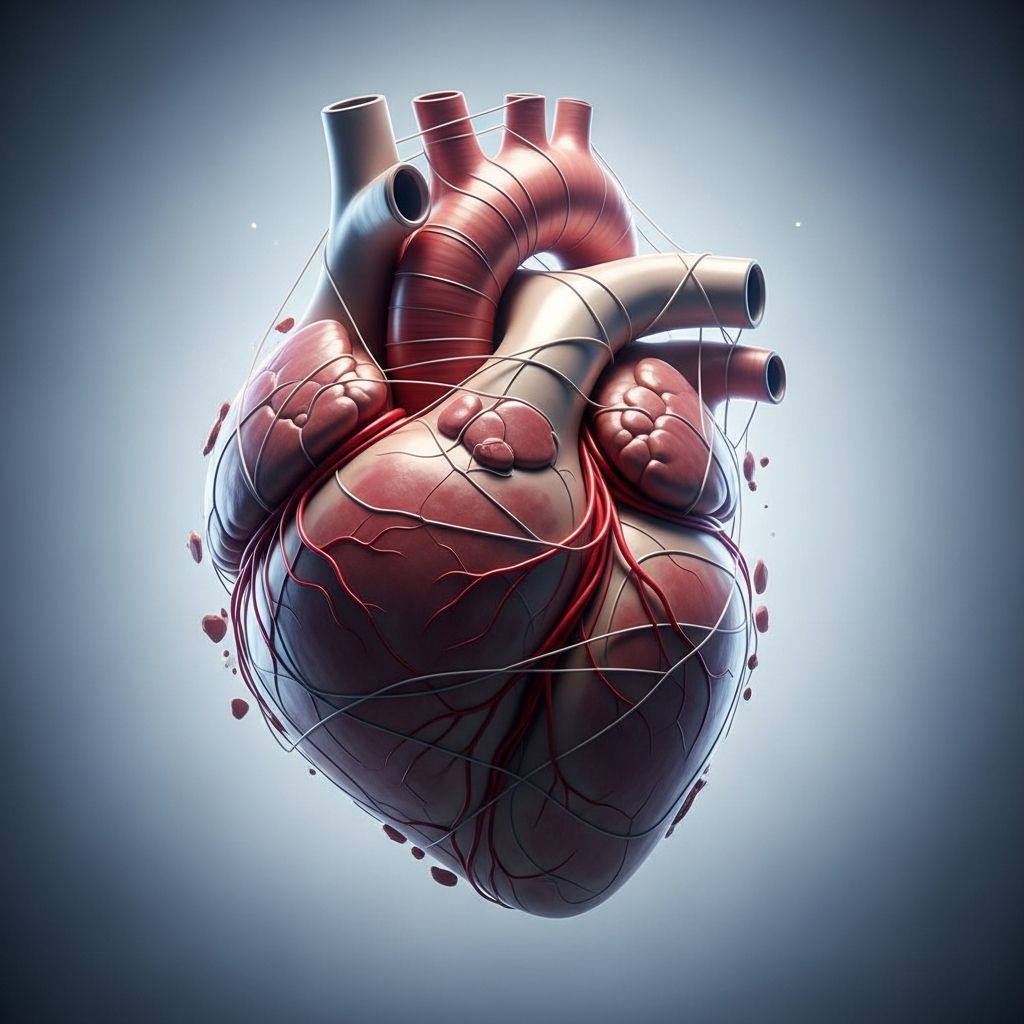
Broken heart syndrome, medically known as stress cardiomyopathy or takotsubo cardiomyopathy, is a temporary weakness in the heart muscle that occurs in response to sudden physical or emotional stress. Despite its colloquial name, this condition is a serious medical emergency that requires prompt diagnosis and treatment. Unlike traditional heart attacks caused by blocked coronary arteries, broken heart syndrome develops as a direct physiological response to extreme stress, causing the heart to be “stunned” and unable to pump blood effectively.
The condition was first identified in Japan in the 1990s and named takotsubo after the traditional Japanese octopus trap, which the affected left ventricle resembles during cardiac imaging. In recent years, medical professionals have recognized a significant increase in cases, particularly during periods of heightened emotional or physical stress, such as the COVID-19 pandemic. Understanding this condition is crucial for early recognition and appropriate treatment.
What Is Broken Heart Syndrome?
Broken heart syndrome is characterized by temporary weakening of the myocardium, the muscular layer of the heart. When a person experiences significant emotional or physical distress, their body releases large amounts of stress hormones such as adrenaline and noradrenaline. These hormones can temporarily stun the heart muscle, reducing its ability to contract effectively and pump blood throughout the body.
The condition most commonly affects the left ventricle, the heart’s main pumping chamber. However, it can also involve other areas of the heart. What distinguishes broken heart syndrome from a traditional myocardial infarction is that patients typically do not have acutely blocked coronary arteries. Instead, the dysfunction results from the physiological impact of stress hormones on heart muscle cells.
Causes and Risk Factors
Common Triggers
Broken heart syndrome can be triggered by various stressful events. These triggers fall into two main categories: emotional stressors and physical stressors. Emotional triggers include the death of a loved one, severe relationship conflicts, financial loss, or receiving bad news. Physical triggers encompass acute illness, major surgery, severe injury, or significant pain. The intensity of the stressor varies among individuals, and what causes broken heart syndrome in one person may not affect another in the same way.
Physiological Mechanism
When faced with extreme stress, the sympathetic nervous system triggers the release of catecholamines, primarily epinephrine and norepinephrine. These stress hormones bind to receptors on heart muscle cells, causing them to contract excessively and irregularly. The exact mechanism remains under investigation, but current understanding suggests that the sudden surge of these hormones temporarily impairs the heart’s contractile function.
Interestingly, research has shown that broken heart syndrome incidents increased significantly during the COVID-19 pandemic. Cleveland Clinic researchers found that cases rose to 7.8% compared with pre-pandemic incidence of 1.7%, demonstrating the profound impact of prolonged psychological stress on cardiac health.
Recognizing Symptoms
Primary Symptoms
Patients with broken heart syndrome typically experience symptoms similar to those of a heart attack. The most common symptoms include:
- Chest pain or pressure
- Severe shortness of breath
- Sudden weakness
- Irregular heartbeat or palpitations
- Fainting or syncope
- Dizziness or lightheadedness
Severe Presentations
While many patients present with stable vital signs, approximately one-third of those with broken heart syndrome experience more serious clinical manifestations. These severe presentations can include pulmonary edema (fluid in the lungs), hypotension (low blood pressure), cardiogenic shock (the heart’s inability to pump enough blood to meet the body’s demands), and life-threatening arrhythmias (irregular heartbeats).
Related Stories



Diagnosis and Medical Evaluation
Initial Assessment
When a patient presents with symptoms suggesting a heart attack, healthcare providers perform a comprehensive evaluation. The diagnostic process begins with a thorough medical history and physical examination. Providers assess the patient’s symptoms, recent stressful events, medical history, and risk factors for cardiac disease.
Diagnostic Tests
Several diagnostic tools help confirm broken heart syndrome. Electrocardiograms (ECG) typically show ST-segment elevation or T-wave changes, mimicking a myocardial infarction. Troponin levels, cardiac enzymes released during heart damage, may be mildly elevated but typically less so than in traditional heart attacks.
Coronary angiography is the gold standard diagnostic procedure. During this invasive test, cardiologists inject contrast dye into the coronary arteries and take X-ray images to visualize blood flow. In broken heart syndrome, the angiogram shows no significant coronary artery obstruction, distinguishing it from a heart attack caused by thrombosis.
Echocardiography (ultrasound imaging of the heart) reveals the characteristic wall motion abnormalities of broken heart syndrome. The typical pattern shows dysfunction in the apical region (tip) of the left ventricle while the base remains relatively normal—the distinctive takotsubo appearance. Cardiac MRI may provide additional information about myocardial inflammation and tissue changes.
Treatment Approaches
Acute Management
Treatment for broken heart syndrome focuses on supporting the heart while it recovers and managing symptoms. Patients are typically hospitalized for monitoring and care. Supportive measures include oxygen supplementation if needed and hemodynamic monitoring to track blood pressure, heart rate, and cardiac function.
Medication Therapy
Pharmacological treatment plays a central role in managing broken heart syndrome. Healthcare providers commonly prescribe beta-blockers to reduce heart rate and lower blood pressure, decreasing the workload on the compromised heart muscle. ACE inhibitors are also frequently used to improve heart function and reduce strain on the left ventricle.
For hemodynamically unstable patients—those with severely compromised blood pressure and cardiac output—more aggressive interventions may be necessary. These can include inotropic therapy to enhance cardiac contractions, vasopressor support to maintain blood pressure, or intra-aortic balloon counterpulsation to assist the heart’s pumping function. Anticoagulation therapy may be considered during the initial phase to prevent thrombus formation until cardiac function improves.
Advanced Support
In cases where the heart is severely compromised, mechanical circulatory support devices such as extracorporeal membrane oxygenation (ECMO) or ventricular assist devices (VAD) may be employed as a temporary bridge to recovery. These devices take over the heart’s pumping function, allowing the myocardium to rest and heal.
Recovery and Prognosis
Short-Term Recovery
One of the remarkable features of broken heart syndrome is the typically excellent recovery profile. Most patients experience significant improvement in cardiac function within days to weeks of the acute event. The heart muscle, though temporarily stunned, generally recovers completely without permanent damage. Significant improvement in systolic function frequently occurs during the first week following initial presentation, and complete recovery of ventricular function has been reported in virtually all cases.
Long-Term Outlook
The long-term prognosis for broken heart syndrome is generally favorable. Most patients return to normal cardiac function and resume their regular activities. However, it is important to note that while mortality rates are low, the condition can occasionally result in serious complications. Possible adverse events include major cardiac and cerebrovascular events, though these remain rare. Some patients experience recurrent episodes of broken heart syndrome, particularly if they encounter additional significant stressors.
Risk Factors and Prevention
Population at Risk
Broken heart syndrome can affect individuals of all ages and backgrounds. However, certain populations show higher incidence rates. Post-menopausal women represent a significant portion of cases, suggesting that hormonal factors may play a protective role in pre-menopausal women. Individuals with underlying anxiety disorders, depression, or other mental health conditions may have increased susceptibility.
Prevention Strategies
While it is impossible to eliminate all stress from life, individuals can implement strategies to reduce the physiological impact of emotional distress. Regular physical exercise strengthens cardiovascular health and improves stress resilience. Meditation, mindfulness practices, and deep breathing techniques activate the parasympathetic nervous system, counteracting the stress response. Maintaining strong social connections and seeking support from family and friends during difficult times proves protective. For individuals with significant ongoing stress, professional mental health support through counseling or therapy can be beneficial.
Special Considerations During Pandemics and Crises
The COVID-19 pandemic provided unique insights into broken heart syndrome epidemiology. During the early months of 2020, Cleveland Clinic observed that patients diagnosed with stress cardiomyopathy had longer hospital stays compared with those treated before the pandemic. However, mortality rates remained similar, suggesting that while cases became more severe, outcomes remained generally favorable with appropriate treatment.
The pandemic highlighted multiple levels of stress affecting populations: health anxiety regarding illness, economic pressures from job loss, emotional challenges of isolation and separation from loved ones, and societal disruption. These multifaceted stressors collectively contributed to the observed increase in broken heart syndrome cases. This experience underscores the importance of mental health support and stress management resources during public health emergencies.
When to Seek Emergency Care
Individuals experiencing sudden chest pain, severe shortness of breath, fainting, or irregular heartbeat should seek immediate emergency medical attention. While these symptoms could indicate broken heart syndrome, they could also signal a traditional heart attack or other serious cardiac conditions requiring urgent intervention. Emergency departments are equipped to rapidly differentiate between these conditions and initiate appropriate treatment.
Living With and After Broken Heart Syndrome
Returning to Normal Activities
As cardiac function recovers, patients can gradually resume normal activities. Healthcare providers typically recommend a gradual increase in physical activity and stress level under medical supervision. Some patients benefit from cardiac rehabilitation programs that provide supervised exercise training and education about heart health.
Stress Management and Follow-Up Care
Ongoing stress management remains important after recovery from an acute episode. Regular follow-up appointments with a cardiologist ensure that heart function continues to normalize and allow for monitoring of any potential complications. Some patients may benefit from continuing beta-blockers or other cardiac medications for a period after the acute event.
Frequently Asked Questions
Q: Can broken heart syndrome be fatal?
A: While broken heart syndrome rarely causes death, serious complications can occasionally occur in patients with severe presentations, particularly those who develop cardiogenic shock or severe arrhythmias. However, with prompt medical treatment, most patients recover completely.
Q: Is broken heart syndrome the same as a heart attack?
A: No. While both conditions present with similar symptoms, they differ fundamentally. Heart attacks result from blocked coronary arteries, whereas broken heart syndrome causes temporary heart muscle dysfunction without coronary obstruction. Coronary angiography is used to distinguish between these conditions.
Q: How long does recovery take?
A: Most patients experience significant improvement within days to weeks. Complete recovery of heart function typically occurs within one to two months, though some patients may require longer periods of cardiac rehabilitation.
Q: Can broken heart syndrome happen again?
A: While recurrence is possible, it is uncommon. Patients can reduce their risk by implementing stress management strategies and seeking medical attention if they experience significant emotional or physical trauma.
Q: Who is most at risk for broken heart syndrome?
A: Post-menopausal women represent a significant portion of cases. However, the condition can affect anyone experiencing severe emotional or physical stress, regardless of age or gender.
Q: What should I do if I think I have broken heart syndrome?
A: Seek immediate emergency medical care if you experience chest pain, shortness of breath, fainting, or severe palpitations. Emergency evaluation and testing are necessary to confirm diagnosis and initiate appropriate treatment.
References
- Cleveland Clinic researchers find rise in broken heart syndrome during COVID-19 pandemic — Cleveland Clinic Newsroom. 2020-07-09. https://newsroom.clevelandclinic.org/2020/07/09/cleveland-clinic-researchers-find-rise-in-broken-heart-syndrome-during-covid-19-pandemic/
- The broken heart syndrome — Cleveland Clinic Journal of Medicine. 2007. https://www.ccjm.org/content/ccjom/74/2_suppl_1/S17.full.pdf
- Broken Heart Syndrome (Stress Cardiomyopathy) – Symptoms & Causes — Cleveland Clinic. https://my.clevelandclinic.org/health/diseases/17857-broken-heart-syndrome
- Can You Actually Die From a Broken Heart? — Cleveland Clinic Health. https://health.clevelandclinic.org/can-die-broken-heart-emotional-questions
- Stress Cardiomyopathy: Diagnosis, Management and Prevention — American Heart Association. 2017. https://www.heart.org/
Similar Articles








Read full bio of Sneha Tete