Broken Jaw: Symptoms, Causes, Treatment & Recovery
Complete guide to broken jaw fractures: causes, symptoms, diagnosis, treatment options, and recovery timeline.
Understanding Broken Jaw Fractures
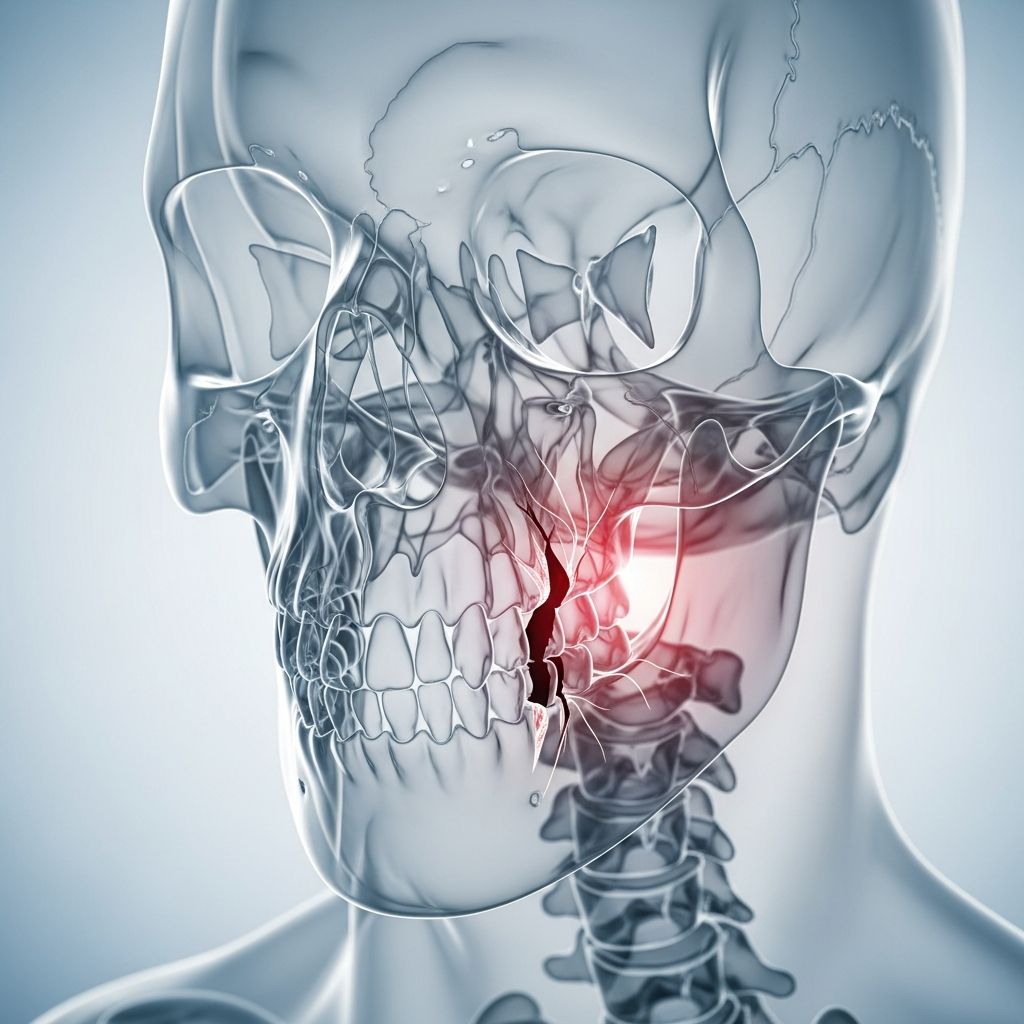
A broken jaw, medically referred to as a mandibular fracture or jaw fracture, occurs when the lower jawbone (mandible) experiences a break or fracture. The jaw is a crucial structure that supports your ability to chew, speak, and breathe properly. When the jaw bone fractures, it can significantly impact these essential functions and requires prompt medical attention. A broken jaw is a serious injury that demands immediate evaluation and appropriate treatment to ensure proper healing and prevent complications.
The severity of a jaw fracture can vary considerably, ranging from minor hairline fractures that may heal independently to severe breaks that require surgical intervention. Understanding the nature of your specific injury is essential for determining the most appropriate treatment course and recovery timeline.
Common Causes of Jaw Fractures
Jaw fractures result from significant trauma to the face and can occur through various mechanisms:
- Motor vehicle accidents and high-impact collisions
- Falls from heights or onto hard surfaces
- Sports-related injuries and contact sports trauma
- Physical altercations and direct blows to the face
- Workplace accidents involving heavy machinery or impact
- Falls during activities or recreational pursuits
The most common causes include motor vehicle accidents and direct trauma from altercations or sports injuries. The force required to fracture the jaw is typically substantial, which is why medical evaluation is critical whenever significant facial trauma occurs.
Recognizing Symptoms of a Broken Jaw
Identifying the symptoms of a broken jaw is vital for seeking immediate medical attention. The symptoms can vary depending on the severity and location of the fracture, but several key indicators should prompt you to seek emergency care.
Primary Symptoms
Pain and Tenderness: The most prominent symptom is severe pain in the jaw, particularly when attempting to move it. The pain is typically localized in front of the ear or on the affected side and worsens significantly with movement, chewing, or biting.
Swelling and Bruising: Noticeable swelling of the face and jaw area develops quickly following the injury. Bruising typically appears within hours and may extend across the cheek, chin, and surrounding facial areas. Bleeding from the mouth may also occur.
Difficulty with Mouth Movement: You may experience problems opening or closing your mouth fully. The jaw may shift to one side when opening, or you might be unable to close your mouth completely. Some individuals report that their mouth feels “locked” in position.
Dental Misalignment: Your teeth may feel like they don’t fit together properly, or your bite may feel “off” or crooked. Teeth may appear loose or damaged, and you might notice an unusual gap between upper and lower teeth.
Additional Warning Signs
- Numbness in the lower lip, chin, or other parts of the face
- Difficulty chewing or swallowing
- Speech difficulties or problems talking clearly
- Drooling due to inability to close the mouth
- Ear pain or sensitivity
- Abnormal lump or appearance in the cheek or jaw area
- Jaw stiffness and reduced range of motion
Related Stories



Diagnosis of Jaw Fractures
Proper diagnosis is essential for determining the appropriate treatment strategy. A healthcare provider will conduct a thorough evaluation to assess the extent of your injury.
Medical Examination Process
Your doctor will begin by taking a detailed history of how the injury occurred. They will then gently examine your jaw, face, and mouth to assess the extent of swelling, bruising, and any visible deformities. The provider will evaluate your ability to open and close your mouth and check for any obvious misalignment of your teeth or jaw.
Imaging Tests
Imaging studies are crucial for confirming a fracture and determining its severity:
- X-rays: Standard X-rays provide initial visualization of potential fractures and are often the first imaging modality used.
- Computed Tomography (CT) Scans: CT scans offer detailed three-dimensional images that reveal the precise location and extent of the fracture, helping doctors plan surgical interventions if needed.
- Magnetic Resonance Imaging (MRI): MRI may be used in specific cases to evaluate soft tissue damage or complications.
If you experience severe swelling, bleeding, or difficulty breathing, your healthcare provider may need to prioritize airway management before conducting extensive imaging.
Treatment Options for Broken Jaws
Treatment approaches depend significantly on the severity of the fracture and whether it involves a single break or multiple fractures.
Conservative Treatment for Minor Fractures
Mild fractures that don’t result in significant displacement may heal without surgical intervention. Conservative treatment typically includes:
- Rest and jaw immobilization to prevent movement
- Pain management medication
- Soft foods and liquid diet during the healing period
- Ice application to reduce swelling in the first 48 hours
- Regular follow-up appointments to monitor healing progress
Minor fractures can often heal on their own with proper care and attention to dietary restrictions. However, you must still follow your healthcare provider’s recommendations closely to ensure optimal healing.
Jaw Wiring for Moderate Fractures
For moderate fractures or those requiring immobilization, your dentist or surgeon may wire your upper and lower jaws together. This procedure stabilizes the jawbone and allows it to heal properly without the stress of movement.
What to Expect with Wired Jaws:
- Jaw wires remain in place for approximately 6 to 8 weeks
- You can only consume liquids through a straw while wired
- Small rubber bands (elastics) hold the teeth together
- After a few weeks, some elastics may be removed to allow limited motion
- This approach reduces joint stiffness while maintaining stability
- Mouth rinse twice daily helps maintain oral hygiene
Surgical Repair for Severe Fractures
Severe fractures, particularly those with multiple breaks or displaced bone segments, typically require surgical intervention. Surgical options include:
- Metal Plates and Screws: Surgeons attach metal plates to the bone on each side of the fracture using medical screws to stabilize the bone and maintain proper alignment.
- Open Reduction and Internal Fixation: This procedure involves repositioning the fractured bone fragments and securing them with plates and screws for stability.
- Minimally Invasive Techniques: In some cases, less invasive surgical approaches may be employed depending on the fracture type.
Surgery is often necessary for fractures that involve multiple breaks or significant separation of bone fragments. Your surgeon will determine the most appropriate surgical approach based on the specific characteristics of your fracture.
Recovery and Healing Timeline
Recovery from a broken jaw varies depending on the treatment approach and individual healing factors. Understanding the expected timeline helps you plan your recovery appropriately.
Typical Recovery Phases
| Recovery Phase | Timeline | Key Characteristics |
|---|---|---|
| Initial Healing | 2-4 weeks | Maximum swelling subsides, pain begins to decrease |
| Bone Consolidation | 4-8 weeks | Jaw wires may be removed, bone begins calcifying |
| Advanced Healing | 8-12 weeks | Increased jaw function, transition to normal diet |
| Complete Healing | 3-6 months | Full bone healing, return to normal activities |
Surgical Recovery Timeline
If you required surgery, recovery typically takes longer. Your jawbone may require a month or more to heal completely. Your healthcare provider will monitor your progress through follow-up appointments and may order imaging to confirm proper bone healing before clearing you for unrestricted activities.
Dietary Management During Recovery
Proper nutrition is essential for bone healing, but dietary limitations during recovery require careful planning.
Liquid Diet Phase
Your healthcare provider will likely recommend a liquid diet for the initial healing period. This includes:
- Clear broths and bone broth
- Smoothies with protein powder and fruits
- Yogurt and pudding
- Protein shakes and nutritional supplements
- Soup strained to remove solid particles
- Fruit juices and vegetable juices
Soft Food Transition
As healing progresses, you’ll gradually introduce soft foods that require minimal chewing:
- Mashed potatoes and sweet potatoes
- Well-cooked scrambled eggs
- Applesauce and mashed fruits
- Soft fish and ground meats
- Cooked vegetables
- Oatmeal and soft cereals
Consulting with a nutritionist helps ensure you maintain adequate calories, protein, vitamins, and minerals necessary for optimal bone healing while adhering to dietary restrictions.
Sleep and Rest During Recovery
Proper rest accelerates healing and prevents re-injury. Sleep position is particularly important during jaw fracture recovery. Healthcare providers recommend sleeping on your back to avoid putting pressure on your healing jaw. This position allows your jaw to remain neutral and reduces discomfort during sleep.
Avoid sleeping on the side of the injury, as this can cause pain and potentially compromise healing. Using extra pillows for support helps maintain the recommended back-sleeping position throughout the night.
Potential Complications and Side Effects
While most people heal successfully from broken jaws, certain complications may occur:
- Hardware Failure: Metal plates, screws, or wires may break or not function as intended
- Infection: Surgical sites or fracture areas may become infected
- Airway Blockage: Severe swelling can restrict breathing passages
- TMJ Disorders: Jaw joint dysfunction may develop
- Dental Problems: Teeth misalignment or bite abnormalities
- Numbness: Persistent facial or lower lip numbness
- Difficulty Eating or Speaking: Temporary or long-term challenges
- Bleeding or Aspiration: Risk of food or blood entering the lungs
Your healthcare provider will monitor you for these complications during follow-up appointments. Report any concerning symptoms immediately to your care team.
Return to Normal Activities
Recovery involves a gradual return to normal activities. You should avoid contact sports for several months after your injury to prevent re-fracture. Most people can resume light activities within a few weeks, but strenuous activities require medical clearance.
Your healthcare provider will give you specific guidance about when you can safely return to work, exercise, and sports participation based on your individual recovery progress.
Frequently Asked Questions About Broken Jaws
Q: How long does a broken jaw take to heal?
A: Most broken jaws take 6 to 12 weeks to heal, though complete bone healing may take 3 to 6 months. The timeline depends on fracture severity, treatment type, and individual healing factors.
Q: Will I need surgery for my broken jaw?
A: Not necessarily. Mild fractures often heal with conservative treatment. Moderate to severe fractures, particularly those with multiple breaks or displacement, typically require surgical intervention with plates and screws.
Q: Can I eat normally while my jaw heals?
A: No, you’ll need to follow a liquid or soft food diet during healing. This restriction typically lasts as long as your jaw remains wired or immobilized, usually 6 to 8 weeks.
Q: What should I do immediately after breaking my jaw?
A: Seek emergency medical attention immediately. Support your jaw with your hands, avoid moving it, and apply ice if available. Do not attempt to realign the jaw yourself.
Q: Can a broken jaw cause breathing problems?
A: Yes, severe swelling or displacement can obstruct airways. If you experience difficulty breathing, seek emergency care immediately. You may need intubation to maintain an open airway.
Q: When can I return to sports after a broken jaw?
A: You should wait several months before returning to contact sports. Your healthcare provider will determine the appropriate timing based on imaging confirmation of bone healing and your recovery progress.
Q: Is a broken jaw the same as a dislocated jaw?
A: No, these are different injuries. A broken jaw involves a fracture of the bone, while a dislocated jaw means the jaw joint has come out of its socket. Both require medical attention but have different treatment approaches.
References
- Broken Jaw (Fractured Jaw): Symptoms, Treatment & Recovery — Cleveland Clinic. 2024-09-15. https://my.clevelandclinic.org/health/diseases/25072-broken-jaw
- Broken or Dislocated Jaw: MedlinePlus Medical Encyclopedia — U.S. National Library of Medicine. 2024-06-20. https://medlineplus.gov/ency/article/000019.htm
- Fractures of the Jaw and Midface — Merck Manual. 2024-08-10. https://www.merckmanuals.com/home/injuries-and-poisoning/facial-injuries/fractures-of-the-jaw-and-midface
- Broken Jaw: Care Instructions — Alberta Health Services. 2024-07-12. https://myhealth.alberta.ca/Health/aftercareinformation/pages/conditions.aspx?hwid=uf8268
Similar Articles








Read full bio of medha deb