Broken Leg: Symptoms, Causes, Treatment, Recovery Guide
Understand broken leg symptoms, types, treatments, recovery timelines, and prevention strategies for optimal healing and mobility restoration.
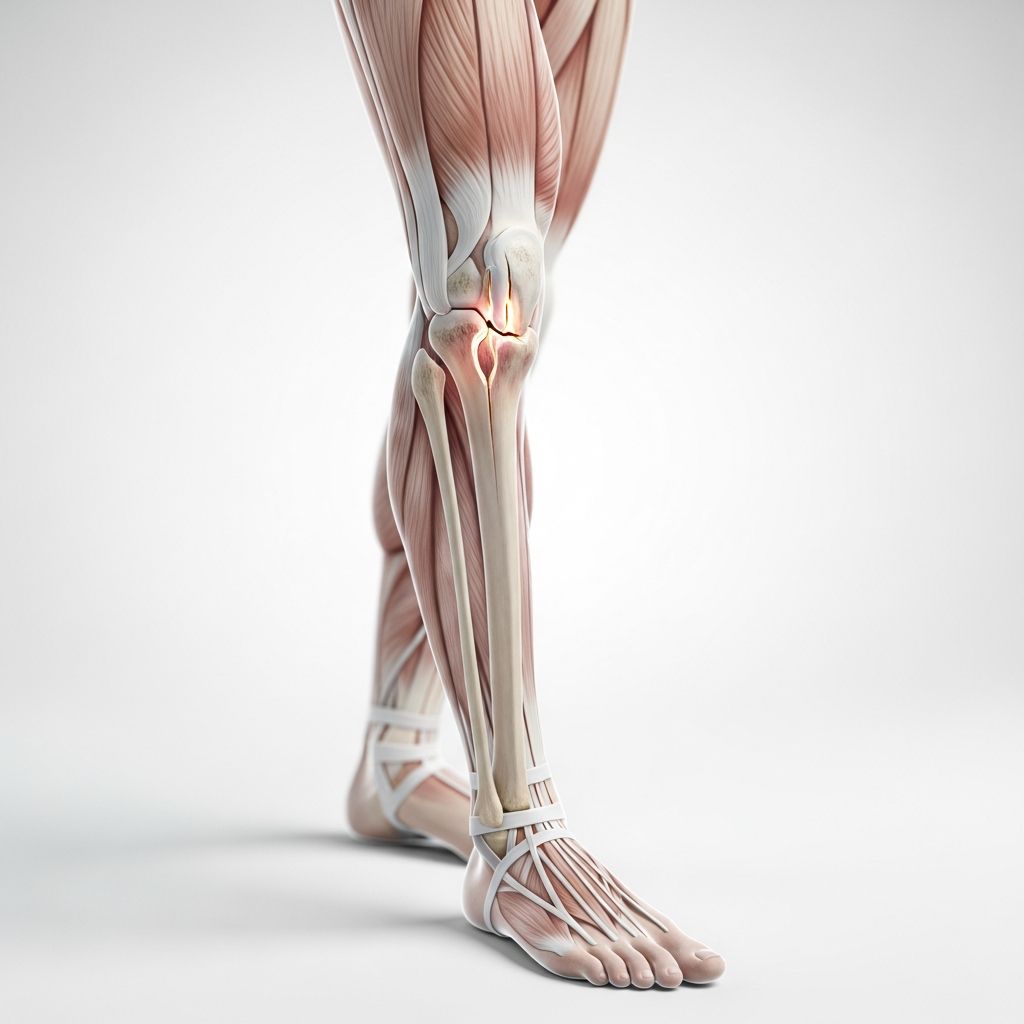
A broken leg, medically known as a leg fracture, involves a crack or break in one of the leg’s major bones: the femur (thigh bone), tibia (shin bone), or fibula (smaller shin bone). These are among the body’s longest and strongest bones, yet they can fracture from high-impact trauma or repetitive stress. Prompt diagnosis and treatment are crucial to ensure proper healing, prevent complications like infection or malunion, and restore full function. This guide covers everything from immediate symptoms to long-term recovery, drawing on established medical insights for comprehensive understanding.
Symptoms of a Broken Leg
Recognizing a broken leg quickly can prevent further damage. The hallmark symptom is
severe pain
that intensifies with movement or weight-bearing, often described as sharp and unrelenting. Other common signs include:- Swelling and bruising: Rapid accumulation of fluid and blood around the injury site, causing visible puffiness.
- Deformity: The leg may appear bent at an unnatural angle, shortened, or have a noticeable bump where the bone has fractured.
- Inability to walk or bear weight: The leg feels unstable, and any attempt to stand worsens pain and risks displacing the bone further.
- Numbness or tingling: If nerves are compressed, indicating potential serious complications.
In children, symptoms might be subtler, such as reluctance to use the leg or crying during movement. For open fractures, where bone pierces the skin, you’ll see an obvious wound with bleeding—call emergency services immediately, as this risks severe infection and blood loss.
Serious red flags include pale skin, coolness to the touch, or loss of pulse below the injury, signaling vascular compromise. Fractures near the femur’s upper end can threaten life due to proximity to major blood vessels.
Causes of a Broken Leg
Leg fractures typically result from forces exceeding bone strength. The most frequent causes are:
- Trauma: High-impact events like car accidents, falls from heights, or sports collisions (e.g., skiing, football). A twisted ankle from tripping can snap the tibia or fibula lower down.
- Overuse or stress fractures: Repetitive activities like running on hard surfaces without proper footwear lead to tiny cracks, common in athletes.
- Osteoporosis or weakened bones: In older adults, brittle bones fracture from minor falls due to bone density loss.
Risk factors amplify vulnerability: age-related bone loss, low calcium/vitamin D intake, smoking, excessive alcohol, and certain medications like corticosteroids. Children and athletes face higher risks from growth plates or high-impact sports.
Types of Leg Fractures
Fractures vary by pattern, stability, and skin involvement, influencing treatment. Key types include:
| Type | Description | Stability |
|---|---|---|
| Stable | Bone ends align closely; minimal displacement. | Stable |
| Displaced | Bone fragments misaligned, requiring realignment. | Unstable |
| Comminuted | Bone shatters into three+ pieces; often from high force. | Unstable |
| Spiral | Twisting break resembling a spiral; from rotational force. | Variable |
| Impacted | One bone end wedges into the other. | Often stable |
| Open (Compound) | Bone pierces skin; high infection risk. | Unstable |
| Stress/Hairline | Tiny crack from repetition; hard to spot on X-ray. | Stable |
| Greenstick | Partial break, bone bends; common in kids. | Stable |
Femur fractures are often displaced or comminuted due to its strength, while tibia/fibula breaks may be simpler from twists. Location matters: proximal femur fractures carry higher mortality risk (1.5-4x over two years).
Related Stories



Diagnosis of a Broken Leg
Diagnosis starts in the ER with physical exam: checking deformity, pulses, sensation, and neurovascular status.
X-rays
are primary, taken from multiple angles to assess fracture type, displacement, and alignment. Advanced imaging like CT or MRI evaluates soft tissue damage, compartments, or occult fractures. Blood tests rule out infection or clotting risks, especially in open wounds.Treatment for a Broken Leg
Treatment prioritizes pain control, stabilization, and healing. Initial ER steps: splinting, ice, elevation, and analgesics. Definitive care depends on type:
- Non-surgical (closed reduction): For stable fractures, doctors manually realign bones under sedation, then apply a cast, splint, or brace for 6-8 weeks. Walking casts allow partial weight-bearing.
- Surgical: Needed for unstable, displaced, or open fractures. Options include:
- Internal fixation: Plates, screws, rods (intramedullary nailing for femur).
- External fixation: Pins and frame for contaminated wounds.
- ORIF (Open Reduction Internal Fixation) for complex cases.
Open fractures require wound cleaning (debridement), antibiotics, and tetanus prophylaxis. Children may heal faster with flexible intramedullary nails.
Recovery Time and Rehabilitation
Healing varies: 6-8 weeks for simple fractures, 3-6 months for femur or surgical cases. Femur unites in 12-16 weeks; full strength takes longer. Timeline:
- Weeks 1-6: Immobilization, crutches/non-weight-bearing. Pain subsides before bone solidity.
- Weeks 6-12: Cast removal, physical therapy (PT) for strength, range of motion.
- Months 3+: Gradual return to activities; severe cases need 6-12 months PT.
PT includes exercises, weight-bearing progression, and balance training. Psychological impacts like depression from immobility are common; support helps. Monitor for uneven healing via follow-up X-rays.
Complications of a Broken Leg
While most heal well, risks include:
- Infection (osteomyelitis): Especially open fractures.
- Nonunion/malunion: Bone doesn’t heal or heals crooked.
- Compartment syndrome: Pressure buildup causing tissue death—emergency!
- Nerve/vessel damage: Leading to numbness or clots.
- Joint issues: Stiffness, osteoarthritis later.
- Chronic pain/fatigue: From immobility.
Proximal fractures heighten long-term mortality. Early intervention minimizes these.
Prevention of Leg Fractures
Reduce risks with:
- Wear protective gear and proper shoes in sports.
- Build bone health: calcium, vitamin D, weight-bearing exercise.
- Home safety: Remove trip hazards, install grab bars.
- Balance training (yoga, tai chi) for falls prevention.
- Treat osteoporosis; avoid smoking/alcohol excess.
Frequently Asked Questions (FAQs)
Can you walk on a broken leg?
No—attempting to walk risks further damage and displacement. Use crutches and seek ER care.
How long does a broken leg take to heal?
6-8 weeks for immobilization, full recovery 3-12 months depending on severity and compliance.
Do all broken legs require surgery?
No, stable fractures heal with casts; surgery for unstable/open types.
What’s the difference between a break and a fracture?
None—they’re synonymous; lay term “break,” medical “fracture.”
Can stress fractures heal without a cast?
Often yes, with rest (4-8 weeks), but confirm with imaging.
Is a broken leg worse in the elderly?
Yes, due to osteoporosis and comorbidities; higher complication risk.
References
- Broken Leg: Symptoms, Treatment & Recovery | Leg Fracture — Healthgrades. 2023. https://resources.healthgrades.com/right-care/knee-and-leg-injury/broken-leg
- Broken Leg: Symptoms, Treatment, and Recovery Time — Healthline (Medically reviewed by William Morrison, M.D.). 2018-08-17. https://www.healthline.com/health/broken-leg
- Broken Leg: Pictures, Causes, Treatment, Surgery & Recovery Time — eMedicineHealth. N/A. https://www.emedicinehealth.com/broken_leg/article_em.htm
- The physical, psychological and social impact of long bone fractures — PMC (NCBI). 2019. https://pmc.ncbi.nlm.nih.gov/articles/PMC6556928/
- Fractures (broken bones): First aid — Mayo Clinic. N/A. https://www.mayoclinic.org/first-aid/first-aid-fractures/basics/art-20056641
- Broken bone location can have significant impact on long-term health — Endocrine Society. 2020. https://www.endocrine.org/news-and-advocacy/news-room/2020/broken-bone-location-can-have-significant-impact-on-long-term-health
- Signs of Fractures & Broken Bones in Kids — Children’s Health. N/A. https://www.childrens.com/health-wellness/fractures-and-broken-bones
Similar Articles








Read full bio of medha deb