Broken Wrist: Symptoms, Treatment, And Recovery Guide
Comprehensive guide on recognizing, treating, and recovering from wrist fractures to restore full function.
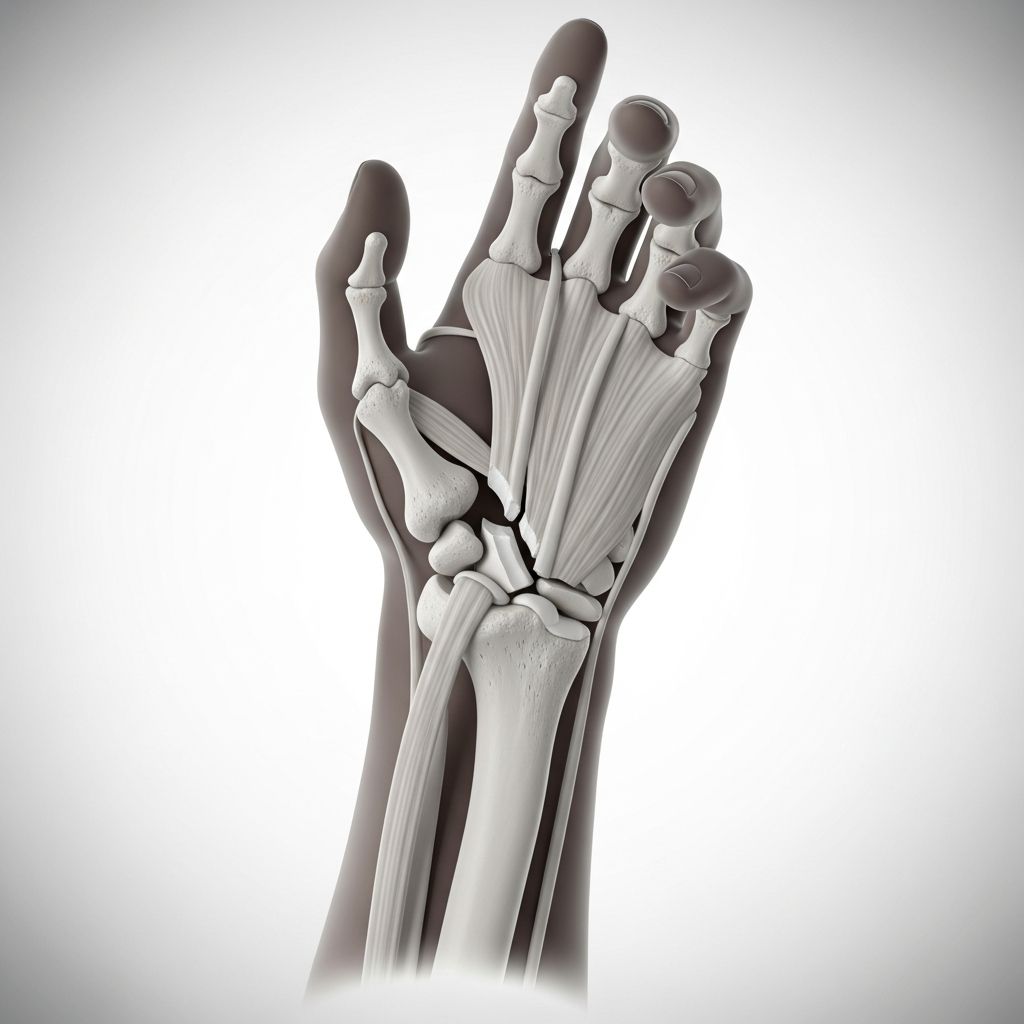
A broken wrist, often a fracture of the distal radius bone near the hand, requires prompt attention to ensure proper healing and prevent long-term issues. This guide covers everything from initial signs to full recovery, drawing on established medical insights.
Recognizing the Signs of a Wrist Fracture
When the wrist sustains significant force, it can fracture, leading to noticeable symptoms that demand immediate evaluation. Severe pain that intensifies with movement or pressure on the area is a primary indicator. Swelling quickly develops around the injury site, making the wrist appear puffy and restricting motion.
Tenderness to touch and bruising further confirm potential damage, as blood vessels rupture beneath the skin. In many instances, the wrist shows a visible deformity, such as an unnatural bend or shortening, which sets a fracture apart from a simple sprain. Additional red flags include numbness in the fingers, signaling possible nerve involvement, or difficulty moving fingers, which could indicate circulation compromise.
- Pain: Sharp and worsening with grip or flex
- Swelling: Rapid onset, often with discoloration
- Deformity: Bent or angled appearance
- Numbness: Especially in fingers, requiring urgent care
These symptoms typically appear right after trauma, but delayed presentation can occur in less severe cases. If numbness or unrelenting pain persists despite rest, seek emergency help to avoid permanent damage.
Common Triggers for Wrist Breaks
Wrist fractures most frequently result from high-impact events that transmit force through the arm. Falling forward onto an outstretched hand, known as FOOSH, accounts for the majority of cases, common in everyday slips or playground accidents.
Sports activities heighten risk, particularly those involving falls or collisions like skateboarding, snowboarding, or basketball. Contact sports such as football can cause direct blows, while balance-dependent pursuits like gymnastics stress the wrist during impacts.
Motor vehicle accidents deliver extreme forces, often shattering bones into fragments that necessitate surgery. Osteoporosis weakens bones, increasing susceptibility in older adults, even from minor falls. Workplace hazards or repetitive stress in high-risk jobs can also contribute.
| Cause | Examples | Risk Factors |
|---|---|---|
| Falls | Slips on ice, stairs | Older age, poor balance |
| Sports | Skiing, skateboarding | High-impact activities |
| Accidents | Car crashes | High speed, no restraints |
Steps for Accurate Diagnosis
Professional assessment begins with a detailed history of the injury mechanism and symptom review. Physical exams check for tenderness, range of motion, and neurovascular status, testing sensation and pulse in the hand.
X-rays are the gold standard, revealing fracture location, displacement, and involvement of joints or other bones. Advanced imaging like CT or MRI may follow for complex cases involving soft tissues or subtle fractures. Early diagnosis prevents misalignment and supports optimal outcomes.
Treatment Pathways for Wrist Fractures
Treatment prioritizes realignment, immobilization, and pain control. Non-displaced fractures often heal with a cast or splint applied after manual reduction under anesthesia if needed.
Related Stories



Severely displaced or unstable fractures require surgical intervention, such as open reduction internal fixation (ORIF) with plates and screws to hold bones in place. This is common in high-energy injuries or when casting fails to maintain alignment.
Pain relief involves over-the-counter NSAIDs like ibuprofen for inflammation or stronger prescriptions initially. Elevation and ice help manage swelling in the first 48 hours.
- Conservative: Casting for 4-8 weeks
- Surgical: Pins, plates for stability
- Supportive: Medications, rest
Navigating the Recovery Journey
Healing timelines vary: simple fractures mend in 6-8 weeks, while complex ones take longer. Casts are typically worn 4-6 weeks, followed by removable splints.
Physical therapy starts post-immobilization, focusing on gentle stretches to combat stiffness, then strengthening exercises for grip and wrist motion. Full recovery may span 3-6 months, with gradual return to activities.
Monitor for stiffness, weakness, or pain during rehab. Compliance with therapy yields better function.
Potential Complications and How to Spot Them
While most heal well, risks include malunion (crooked healing), nonunion (no healing), or arthritis in joints. Nerve damage causes persistent numbness; complex regional pain syndrome brings burning pain unresponsive to meds.
Infection post-surgery or stiffness from prolonged casting are other concerns. Report worsening pain, fever, or color changes promptly. Early intervention mitigates these.
Prevention Tactics to Protect Your Wrists
Reduce risks by using wrist guards in sports like skating or biking. Build bone density via calcium-rich diets, vitamin D, and weight-bearing exercise, especially for osteoporosis-prone individuals.
Home safety: remove rugs, improve lighting. Safe driving with seatbelts prevents crash injuries. Fall-proof environments benefit seniors.
Frequently Asked Questions (FAQs)
Can a broken wrist heal without a cast?
Minor, stable fractures might use splints, but most require immobilization for proper alignment.
How long until I regain full strength?
Expect 3-6 months with therapy; athletes may need longer.
Is surgery always needed?
No, only for displaced or unstable fractures.
What if I feel numbness after injury?
Seek immediate care to prevent nerve damage.
Will it affect arthritis risk?
Joint-involving fractures can lead to later osteoarthritis.
References
- Broken wrist – Symptoms and causes — Mayo Clinic. 2023-10-15. https://www.mayoclinic.org/diseases-conditions/broken-wrist/symptoms-causes/syc-20353169
- Broken Wrist | Causes & Treatment — MedStar Health. 2024-01-20. https://www.medstarhealth.org/services/wrist-fracture-break-dislocation-and-subluxation
- 3 Causes of Broken Wrists and the Healing Process — First State Orthopaedics. 2023-05-10. https://firststateortho.com/blog/causes-broken-wrists-healing-process
- Distal Radius Fractures (Broken Wrist) — American Academy of Orthopaedic Surgeons (AAOS). 2023-11-01. https://orthoinfo.aaos.org/en/diseases–conditions/distal-radius-fractures-broken-wrist/
- Broken Wrist (Wrist Fracture): Symptoms & Recovery Time — Cleveland Clinic. 2024-02-14. https://my.clevelandclinic.org/health/diseases/broken-wrist-wrist-fracture
- Broken Wrist | Common Causes and Treatment — OrthoIndy. 2017-03-06. https://blog.orthoindy.com/2017/03/06/distal-radius-fracture-wrist/
Similar Articles








Read full bio of Sneha Tete