Bromelain Benefits: Uses, Dosage, and Science
Discover the science-backed benefits of bromelain, a powerful enzyme from pineapple.
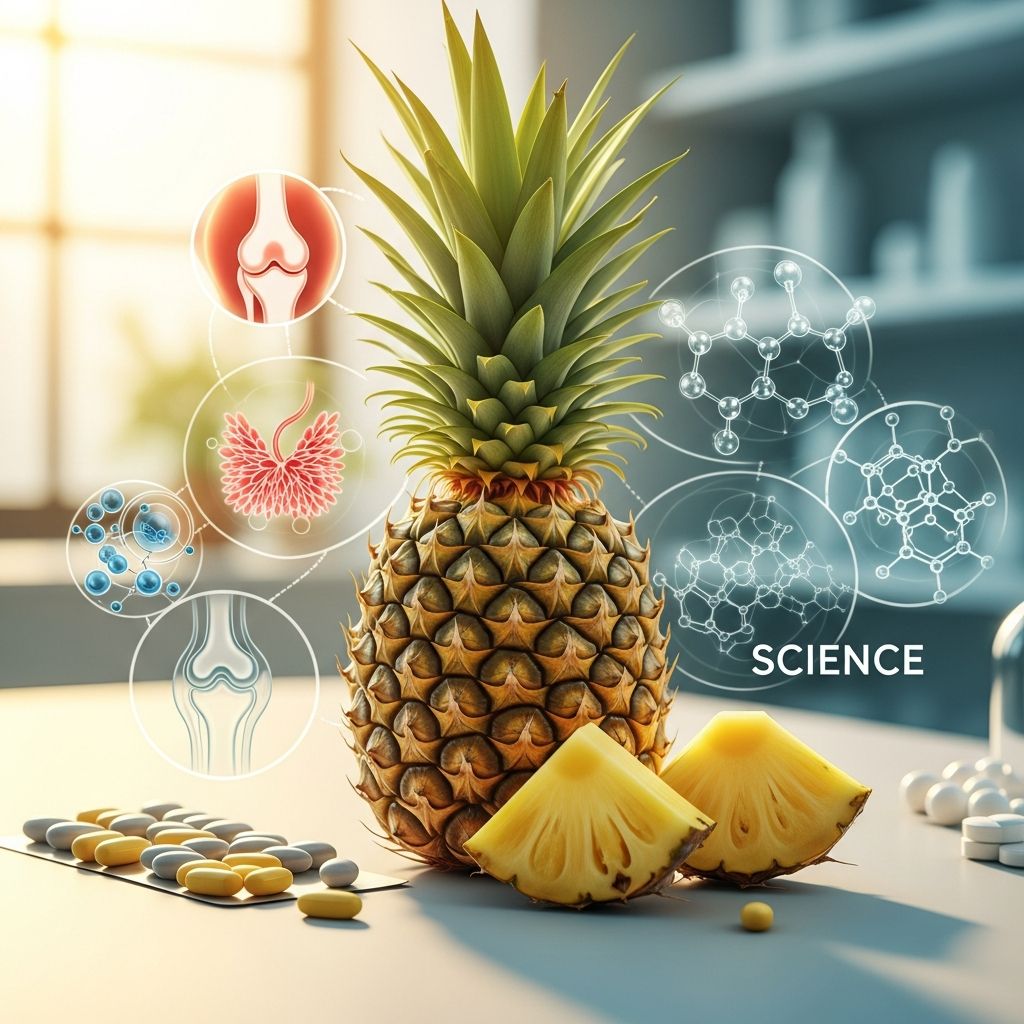
Bromelain is a naturally occurring enzyme mixture found in pineapple fruit and stems that has been used for centuries in traditional medicine and continues to gain recognition in modern wellness practices. This proteolytic enzyme—meaning it breaks down proteins in the body—is now widely available as a dietary supplement in capsules, powders, tablets, and creams. Understanding bromelain’s benefits, mechanisms, and proper use can help you make informed decisions about incorporating it into your health regimen.
What Is Bromelain?
Bromelain is not a single enzyme but rather a complex mixture of enzymes derived from the pineapple plant (Ananas comosus). The primary active ingredients are proteinases and proteases—enzymes that effectively break down proteins in the body. Indigenous healers in Central and South America have utilized these powerful enzymes for hundreds of years to treat various health conditions. Today, manufacturers extract and concentrate bromelain for use in supplements, making it significantly more potent than consuming whole pineapple fruit.
The distinction between eating fresh pineapple and taking bromelain supplements is important: pineapple fruit does not typically contain enough bromelain to produce the same therapeutic effects as concentrated supplements. Most commercial bromelain products are standardized for potency, allowing for consistent dosing and measurable health outcomes.
Key Health Benefits of Bromelain
Anti-Inflammatory Effects
One of bromelain’s most well-documented benefits is its potent anti-inflammatory activity. A 2023 study demonstrated that bromelain effectively reduced inflammatory effects in the body and decreased the production of inflammatory cytokines—immune signaling molecules that, while necessary for fighting infections, can cause harmful inflammation when produced excessively. This mechanism makes bromelain valuable for managing various inflammatory conditions throughout the body.
Bromelain modulates the expression of transforming growth factor (TGF)-β, a major regulator of inflammation, which is particularly beneficial for patients affected by conditions like osteomyelofibrosis and rheumatoid arthritis. By reducing CD44 expression on tumor and immune cells, bromelain helps regulate lymphocyte homing and migration to inflammation sites, effectively dampening the inflammatory response.
Sinusitis Relief
Research indicates that bromelain may serve as an effective supportive therapy for sinusitis symptoms. A 2021 comprehensive review found that bromelain helps manage sinus infections by reducing inflammation in the nasal passages and potentially minimizing symptom duration, with particularly promising results in children with severe cases. The enzyme’s ability to reduce nasal inflammation and manage underlying infections makes it a natural option for those seeking relief from congestion and sinus-related breathing difficulties.
Osteoarthritis Pain and Stiffness
People commonly use bromelain supplements to address osteoarthritis symptoms, and research supports this application. According to a 2021 review, bromelain can significantly improve pain and stiffness in osteoarthritis patients, especially when combined with other nutraceuticals such as turmeric. Additional studies have documented that bromelain administration resulted in significant decreases in pain and stiffness in patients with knee osteoarthritis, making it a complementary approach to traditional pain management.
Wound Healing and Tissue Recovery
Bromelain has earned recognition as a potent wound healing and circulatory improvement agent. Studies demonstrate that orally administered bromelain is effectively absorbed by the gastrointestinal tract without losing its biological properties and significantly reduces edema (swelling) in traumatically-induced injuries. The FDA has even approved a bromelain-containing drug product for topical use in debridement—the removal of dead tissue and contaminants—from severe burns in adults.
Related Stories



Postoperative Pain and Swelling
Some studies suggest that oral bromelain may help reduce symptoms associated with wisdom tooth extraction surgery. The enzyme’s anti-inflammatory and pain-reducing properties make it a candidate for managing postoperative discomfort and swelling, though the body of research remains limited compared to other applications.
Cardiovascular Support
Bromelain demonstrates remarkable potential for cardiovascular health through multiple mechanisms. Research shows that bromelain has antithrombotic and fibrinolytic effects, meaning it helps prevent blood clot formation and break down existing clots. In vitro and in vivo analyses determined that bromelain administration prevents platelet aggregation and minimizes the severity of angina pectoris and transient ischemic attacks.
Clinical evidence indicates that bromelain administration controlled angina attacks and resulted in symptom disappearance in hypertensive patients, with symptoms reappearing only after discontinuation of the supplement. Furthermore, bromelain increases vessel wall permeability to oxygen and nutrients while improving blood fluidity, enhancing overall circulatory function.
Exercise-Induced Muscle Soreness
Bromelain is promoted as a dietary supplement for reducing exercise-induced muscle soreness, though the research in this area remains limited compared to other applications. Its anti-inflammatory properties provide a theoretical basis for this use, but additional research is needed to establish definitive efficacy.
Potential Anticancer Properties
A 2023 study found that bromelain may block toxic events that could lead to cancerous cell development. Research demonstrates that bromelain exhibits immunomodulatory and anti-neoplastic effects, with efficacious chemopreventive capabilities involving antitumor-initiating and promoting effects through multiple pathways including p53 induction, caspase activation, and NF-κB pathway inhibition. However, it is important to note that these studies are primarily in vitro (laboratory) and in vivo (animal model) research, and human clinical trials remain limited. Bromelain should not replace conventional cancer treatment.
Weight Management
Some supplement manufacturers market bromelain as a weight loss aid, claiming that its enzymes increase the speed at which the body digests fats. A 2022 study found that bromelain can help increase insulin sensitivity and reduce obesity in patients with diabetes. However, further research on its anti-obesity effects is necessary before making strong claims about weight loss.
Respiratory and Digestive Health
In a murine model of acute asthma, bromelain decreased airway reactivity and sensitivity to irritants while decreasing markers of lung inflammation. Additionally, bromelain administration reduces pro-inflammatory molecules in patients with inflammatory bowel diseases and has been successfully used in treating ulcerative colitis, with patients showing rapid improvement of symptoms.
Bromelain Dosage and Sources
Safe Dosage Guidelines
The body is generally able to absorb a significant amount of bromelain safely. People can consume approximately 12 grams per day of bromelain without producing unwanted side effects, though typical supplement dosages are often lower. Always follow the dosage instructions on product labels, as different formulations may have varying concentrations.
Forms and Where to Buy
Bromelain is available in multiple convenient forms:
- Capsules and tablets for easy oral consumption
- Powders for flexible dosing and mixing
- Topical creams for localized application
- Combination products that include bromelain with other supplements like turmeric or conjugated linoleic acid
You can purchase bromelain supplements in drug stores, some grocery stores, and online retailers. Look for products with standardized enzyme activity measurements (typically listed in GDUs—gelatin digesting units—or FIP units) to ensure consistent potency.
Side Effects and Safety Considerations
Bromelain has few documented side effects and is generally well-tolerated by most people. However, some individuals may experience mild gastrointestinal discomfort. Those allergic to pineapple should avoid bromelain supplements. Additionally, bromelain has blood-thinning properties, so individuals taking anticoagulant medications should consult their healthcare provider before supplementing.
It is important to note that while bromelain shows promise for various health applications, it should not replace medical treatment. Always consult with a healthcare professional before starting any new supplement regimen, especially if you have existing health conditions or take medications.
Bromelain vs. Eating Pineapple
While pineapple is a delicious and nutritious fruit containing bromelain naturally, the concentration in whole fruit is insufficient to replicate the therapeutic effects of concentrated supplements. A serving of fresh pineapple provides beneficial nutrients and fiber, but to achieve the anti-inflammatory and other therapeutic benefits demonstrated in research studies, bromelain supplementation is necessary. This does not mean you should avoid pineapple—rather, understand that supplements provide a more concentrated, standardized dose.
Current Research and Clinical Applications
Bromelain has been recognized as a safe and successful therapeutic agent and is used worldwide for various ailments including bronchitis, sinusitis, arthritis, and inflammation. Traditional and clinical reports indicate bromelain may be an effective therapeutic agent, though the quantity and quality of large-scale human research studies supporting some popular uses remain limited.
The FDA’s approval of a bromelain-containing product for burn debridement in 2022 represents a significant milestone, validating bromelain’s clinical utility in medical settings. However, for many other applications, either very little research has been conducted or studies have evaluated products containing bromelain mixed with other ingredients, making it difficult to isolate bromelain’s specific effects.
Frequently Asked Questions
Can I get enough bromelain from eating pineapple?
No. While pineapple contains bromelain naturally, the concentration is too low to produce the therapeutic effects documented in research studies. Supplemental bromelain is concentrated and standardized for potency, making it significantly more effective than consuming whole fruit.
Is bromelain safe for long-term use?
Bromelain is generally recognized as safe for long-term use at recommended dosages. People can safely consume up to 12 grams daily without adverse effects. However, consult your healthcare provider before long-term supplementation, especially if you take blood-thinning medications.
How quickly does bromelain work?
Response times vary depending on the condition being treated and individual factors. Some people experience relief from inflammation or pain within days, while others may require several weeks. Consistency in supplementation is important for optimal results.
Can bromelain replace my osteoarthritis medication?
No. While bromelain may reduce pain and stiffness when used as a complementary approach, it should not replace prescribed medications without consulting your healthcare provider. Bromelain works best as part of a comprehensive treatment plan.
Are there interactions between bromelain and medications?
Bromelain may interact with blood-thinning medications due to its fibrinolytic properties. Always inform your healthcare provider about bromelain supplementation, especially if you take anticoagulants or antiplatelet medications.
What is the difference between food-grade and supplement-grade bromelain?
Supplement-grade bromelain is standardized and concentrated to ensure consistent enzyme activity, while food-grade bromelain in fresh pineapple is naturally present but in insufficient quantities for therapeutic effects. Supplement products provide measurable, reproducible doses.
References
- Bromelain: Benefits, Risks, Sources, and Side Effects — Medical News Today. 2024. https://www.medicalnewstoday.com/articles/323783
- Potential Role of Bromelain in Clinical and Therapeutic Applications — National Center for Biotechnology Information (NCBI/PMC). 2016. https://pmc.ncbi.nlm.nih.gov/articles/PMC4998156/
- Bromelain: Usefulness and Safety — National Center for Complementary and Integrative Health (NCCIH), National Institutes of Health (NIH). 2024. https://www.nccih.nih.gov/health/bromelain
Similar Articles








Read full bio of medha deb