Bromhidrosis: Expert Guide To Causes, Symptoms, Treatment
Comprehensive guide to causes, symptoms, diagnosis, and treatments for excessive body odor from sweat.
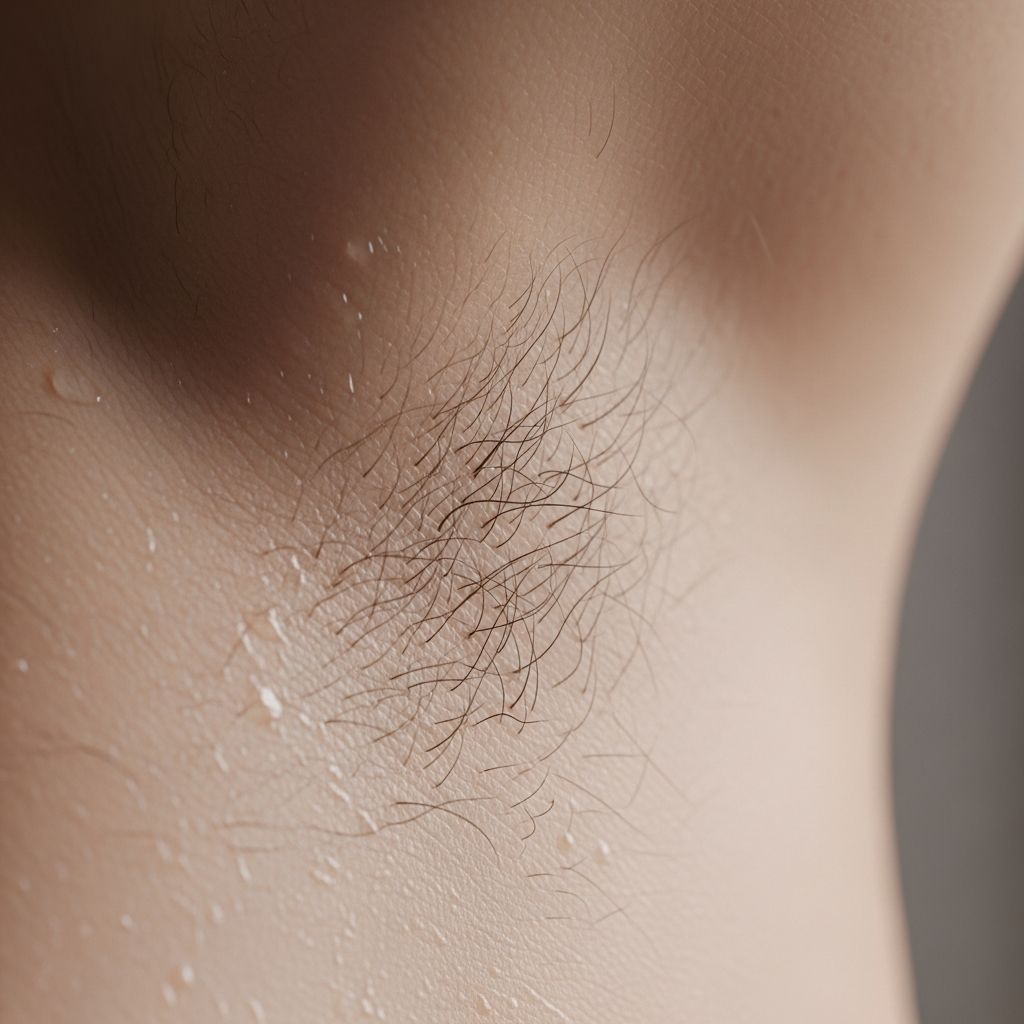
Bromhidrosis is the medical term for excessive or foul-smelling body odour due to the bacterial decomposition of apocrine sweat gland secretions or other cellular debris.
What is bromhidrosis?
Bromhidrosis refers to a condition characterised by an offensive or unpleasant odour arising from the body, primarily due to the action of skin bacteria on sweat produced by apocrine glands. These glands are concentrated in areas such as the axillae (armpits), groin, and feet. Unlike eccrine sweat, which is odourless, apocrine sweat contains proteins and lipids that bacteria metabolise into volatile odorous compounds.
The term derives from Greek roots: bromos (stench) and hidros (sweat). It significantly impacts quality of life, causing social anxiety and embarrassment.
Who gets bromhidrosis?
Bromhidrosis typically manifests after puberty when apocrine glands become active. It affects individuals with higher apocrine gland density or activity, often those of East Asian descent lacking the ABCC11 gene variant that reduces odour precursors.
- Adolescents and young adults due to hormonal activation
- People with obesity, increasing skin folds and bacterial growth
- Those with hyperhidrosis (excessive sweating)
- Individuals with poor hygiene or certain diets
Risk increases with diabetes, liver disease, or metabolic disorders like trimethylaminuria.
What causes bromhidrosis?
Bromhidrosis results from bacterial breakdown of apocrine secretions rich in lipids and proteins. Key bacteria include Corynebacterium, Staphylococcus, and Propionibacterium species.
Apocrine bromhidrosis
Primary form from apocrine glands in axillae, perineum, and breasts. Sweat is initially odourless but becomes malodorous upon bacterial action, producing thioalcohols and fatty acids.
Eccrine bromhidrosis
Occurs on palms, soles, or when eccrine sweat is contaminated by skin flora or external substances like onions, garlic, or cumin.
Other causes
- Genetic: Trimethylaminuria (fish odour syndrome) from enzyme defects.
- Dietary: Foods like garlic, spices, alcohol amplify odour.
- Systemic: Diabetes (sweet odour), liver failure (ammoniacal), phenylketonuria.
- Infections: Erythrasma, trichomycosis axillaris.
- Medications: Penicillins, dupilumab.
What are the clinical features of bromhidrosis?
Patients notice persistent malodour despite hygiene, worsening with heat, exercise, or stress. Affected areas show macerated skin, yellow staining on clothes.
- Axillary: Onion-like or rancid smell from armpits.
- Plantar: Cheesy foot odour.
- Groin: Musty or fishy scent.
Psychosocial effects include avoidance of social interactions, depression.
How is bromhidrosis diagnosed?
Diagnosis is clinical, based on history and examination. No specific test; severity graded 0-3 (0: no odour; 3: unbearable).
- Inspect for hyperhidrosis, infections, staining.
- Potato starch test: Iodine-starch turns blue-black with sweat.
- Gravimetry for sweat volume.
- Exclude systemic causes via blood tests (glucose, liver function).
What is the treatment for bromhidrosis?
Treatment escalates by severity: conservative for mild, invasive for severe. Focuses on reducing sweat, bacteria, or glands.
General measures
- Daily washing with antibacterial soaps (chlorhexidine, benzoyl peroxide).
- Shave axillae to reduce bacterial habitat.
- Wear breathable fabrics; wash clothes after each use.
- Avoid triggers: spicy foods, alcohol.
Related Stories



Topical therapies
- Antiperspirants: Aluminium chloride 20-30% reduces sweat.
- Antibiotics: Clindamycin, erythromycin creams kill odour-causing bacteria.
Injection therapies
Botulinum toxin (Botox): Blocks acetylcholine release, reducing sweat for 6-9 months. Effective for mild-moderate cases; repeat injections needed.
Energy-based devices
- Lasers (Nd:YAG, CO2): Destroy apocrine glands with minimal scarring. High efficacy (80-95%) for moderate cases.
- Microwave therapy: Targets glands selectively.
- Photodynamic therapy: Kills bacteria.
Surgical options
For severe refractory cases:
- Curettage/subdermal excision: Scrapes out glands; 90% success.
- Liposuction: Aspirates glands.
- Sympathectomy: Last resort for hyperhidrosis-associated cases.
Complications: scarring, compensatory sweating.
Oral medications
Anticholinergics (oxybutynin) reduce sweat but cause dry mouth, blurred vision. Not first-line.
| Treatment | Mechanism | Efficacy | Duration | Side Effects |
|---|---|---|---|---|
| Topical antiperspirants | Block ducts | Mild cases | Daily | Irritation |
| Botox injections | Denervates glands | Moderate | 6-9 months | Pain, cost |
| Laser therapy | Destroys glands | High | Permanent | Scarring |
| Surgery | Excises glands | Very high | Permanent | Infection, scars |
Frequently asked questions
What triggers bromhidrosis flare-ups?
Heat, stress, spicy foods, poor hygiene, hormonal changes.
Does shaving help?
Yes, reduces hair as bacterial reservoir.
Is bromhidrosis curable?
Mild cases managed lifelong; severe cured by gland removal.
Can diet affect it?
Yes, avoid garlic, onions, red meat.
Is it linked to hyperhidrosis?
Often coexists; treating one helps the other.
This article covers comprehensive management strategies grounded in clinical evidence. Consult a dermatologist for personalised care.
References
- Advances in the treatment of axillary bromhidrosis — PubMed Central / He et al. 2024. https://pmc.ncbi.nlm.nih.gov/articles/PMC11297419/
- Bromhidrosis: Symptoms, Causes & Treatment — Tua Saúde. 2024. https://www.tuasaude.com/en/bromhidrosis/
- Bromhidrosis: Causes, Treatment, and More — Healthline. 2024. https://www.healthline.com/health/bromhidrosis
- Bromhidrosis – Dermatologic Disorders — Merck Manual Professional Edition. 2024. https://www.merckmanuals.com/professional/dermatologic-disorders/sweating-disorders/bromhidrosis
- Bromhidrosis: What It Is, Causes, Treatment — Osmosis. 2024. https://www.osmosis.org/answers/bromhidrosis
Similar Articles








Read full bio of Sneha Tete