Bronchitis: Symptoms, Causes, and Treatment
Understand bronchitis: from acute chest colds to chronic conditions, learn symptoms, causes, diagnosis, and effective treatments.
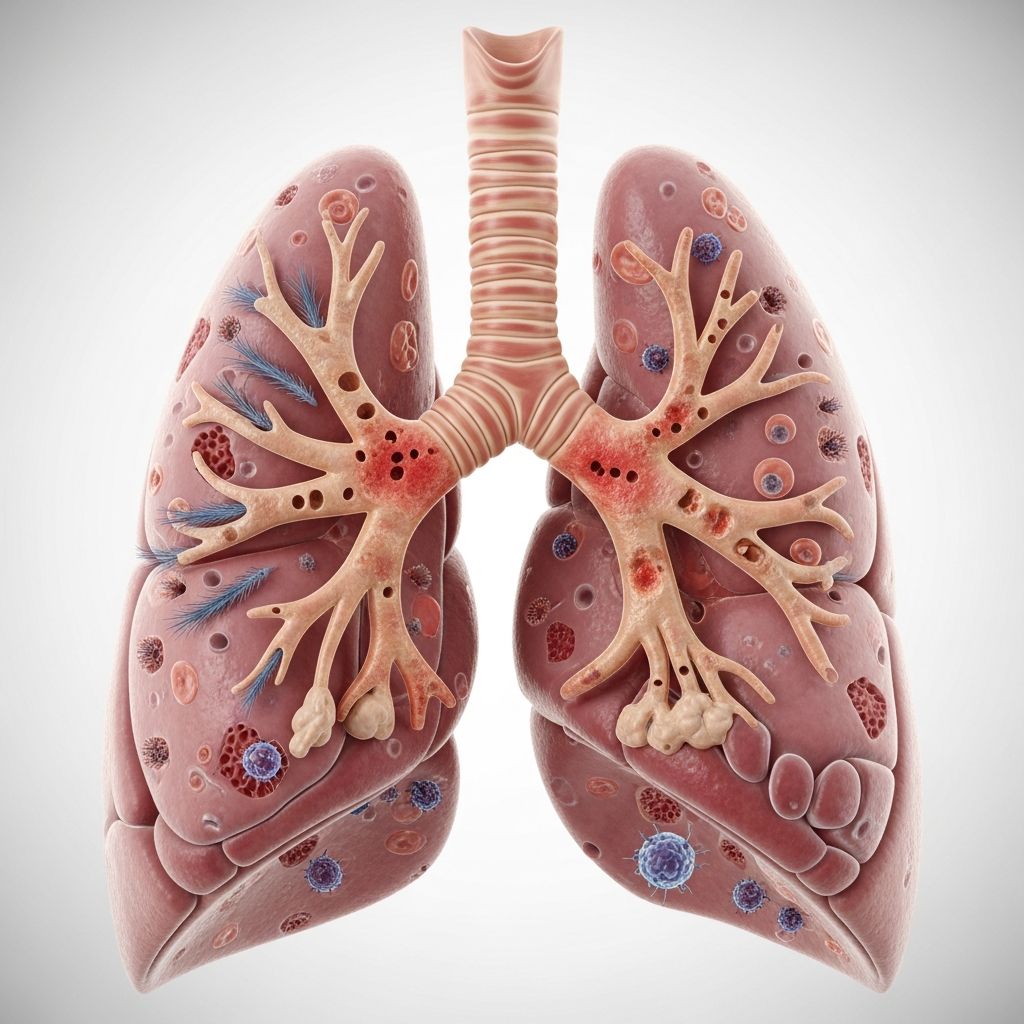
Bronchitis is an inflammation of the bronchial tubes, the airways that carry air to and from the lungs, leading to symptoms like cough and mucus production.
What Is Bronchitis?
Bronchitis occurs when the lining of the bronchial tubes becomes inflamed, often causing a persistent cough that may produce mucus. There are two main types: acute bronchitis, commonly known as a chest cold, which typically follows a viral respiratory infection and resolves within a week to 10 days, though the cough can linger for weeks; and chronic bronchitis, a more serious, long-term condition involving constant irritation, usually from smoking, classified under chronic obstructive pulmonary disease (COPD).
Acute bronchitis affects up to 5% of the population annually, leading to about 10 ambulatory visits per 1,000 people, primarily during respiratory viral seasons. Chronic bronchitis features a productive cough lasting at least three months for two consecutive years.
Symptoms of Bronchitis
Symptoms vary by type but often start with upper respiratory issues before progressing to the lower airways.
Acute Bronchitis Symptoms
- Cough: The hallmark symptom, often producing clear, white, yellowish-gray, or green mucus; rarely streaked with blood.
- Sore throat, mild headache, body aches: Accompanying cold-like symptoms.
- Slight fever, chills, fatigue: Common early on.
- Chest discomfort, shortness of breath, wheezing: Due to airway inflammation.
- Nasal congestion or runny nose initially.
While most symptoms improve in about a week, the cough may persist for several weeks, with an average duration of 18 days.
Chronic Bronchitis Symptoms
- Persistent cough with mucus production: Defined as lasting at least three months yearly for two years.
- Fatigue and chest discomfort: Ongoing issues.
- Shortness of breath: Worsens over time, with flare-ups.
Exacerbations can occur with acute infections atop chronic inflammation.
Causes of Bronchitis
Acute bronchitis is predominantly viral (90-95% of cases), stemming from common colds or respiratory infections spread via droplets from coughing, sneezing, or touching contaminated surfaces. Bacteria cause less than 10% of cases.
Chronic bronchitis is mainly caused by cigarette smoking, with additional risks from air pollution, dust, toxic gases, vaping, or cannabis use. It can also relate to asthma or other lung diseases.
Risk Factors for Bronchitis
- Smoking: Primary driver of chronic bronchitis.
- Recurrent respiratory infections: Increase acute episode risk.
- Environmental exposures: Pollution, dust, chemicals in workplaces.
- Age and health status: More common in young children, elderly, or those with weakened immunity; recurrent cases may signal asthma or COPD.
- Seasonal factors: Peaks during viral seasons.
Diagnosis of Bronchitis
Diagnosis is clinical, based on history and exam, focusing on cough without pneumonia evidence. Key steps include:
- Medical history: Assessing cough duration, sputum, dyspnea, congestion, fever.
- Physical exam: Listening for wheezes or rhonchi that clear with coughing; ruling out consolidation signs like crackles.
- Vital signs: Fever over 100°F (37.8°C) after initial days suggests influenza or pneumonia.
Related Stories



No routine chest X-ray unless pneumonia suspected (e.g., high fever, hypoxia, ill appearance). Pertussis testing if prolonged cough or outbreaks. Sputum production, even purulent, does not indicate bacteria.
Treatment for Bronchitis
Most acute cases are self-limited; antibiotics are rarely needed and can promote resistance.
Acute Bronchitis Treatment
- Supportive care: Rest, hydration, humidified air; “tincture of time” allows self-healing.
- Cough management: Dextromethorphan, guaifenesin, or honey (avoid in infants).
- Avoid beta-2 agonists unless wheezing present.
- Antibiotics: Only for confirmed bacterial cases like pertussis (macrolides early).
- Delayed prescription strategies reduce unnecessary use.
Chronic Bronchitis Treatment
Requires addressing underlying causes like smoking cessation; may involve inhalers, steroids, or oxygen for COPD management.
Home Remedies and Lifestyle Changes
- Stay hydrated: Thins mucus.
- Use a humidifier: Moistens airways.
- Honey for cough: Soothes throat (evidence-based).
- Avoid irritants: Smoke, pollutants.
- Over-the-counter meds: Pain relievers for aches, fever.
Quit smoking immediately for chronic cases.
Prevention of Bronchitis
- Hand hygiene and avoid sick contacts: Prevents viral spread.
- Flu and pneumococcal vaccines: Reduce secondary infections.
- Smoking cessation: Key for chronic prevention.
- Air quality management: Masks in polluted areas, workplace protections.
Complications of Bronchitis
Acute rarely leads to issues without antibiotics, but recurrent episodes may indicate asthma or lung disease; rare permanent damage from bacterial superinfections like pneumonia or pertussis. Chronic progresses to COPD, respiratory failure.
When to See a Doctor
Seek care if:
- Cough lasts >3 weeks or worsens after 6-8 weeks.
- High fever (>100.4°F), fast heart rate (>100 bpm), rapid breathing (>24/min).
- Shortness of breath, blood in mucus, chest pain.
- No improvement or signs of pneumonia.
Bronchitis vs. Pneumonia
| Aspect | Bronchitis | Pneumonia |
|---|---|---|
| Symptoms | Cough, mucus, mild fever, wheezing | High fever, severe shortness of breath, chest pain, consolidation signs |
| Duration | 1-3 weeks | Longer, requires antibiotics |
| Exam Findings | Wheezes clear with cough | Crackles, decreased breath sounds |
| Treatment | Supportive | Antibiotics |
Pneumonia unlikely with normal vitals and exam in non-frail adults.
Frequently Asked Questions (FAQs)
Is bronchitis contagious?
Acute bronchitis, usually viral, spreads via droplets; chronic is not.
How long does bronchitis last?
Acute: 1-3 weeks, cough up to 18 days; chronic: ongoing.
Does bronchitis require antibiotics?
Rarely for acute (bacterial <10%); yes for pertussis.
Can bronchitis turn into pneumonia?
Rarely in healthy people; risk higher with complications.
What’s the difference between acute and chronic bronchitis?
Acute is short-term, viral; chronic is long-term, often smoking-related, part of COPD.
References
- Bronchitis – Symptoms and causes — Mayo Clinic. 2023-10-05. https://www.mayoclinic.org/diseases-conditions/bronchitis/symptoms-causes/syc-20355566
- What doctors wish patients knew about bronchitis — American Medical Association (AMA). 2023-12-12. https://www.ama-assn.org/public-health/prevention-wellness/what-doctors-wish-patients-knew-about-bronchitis
- Acute Bronchitis — American Academy of Family Physicians (AAFP). 2016-10-01. https://www.aafp.org/pubs/afp/issues/2016/1001/p560.html
- Bronchitis — National Heart, Lung, and Blood Institute (NHLBI). 2024-05-15. https://www.nhlbi.nih.gov/health/bronchitis
Similar Articles








Read full bio of Sneha Tete