Bronchitis: Symptoms, Causes, and Treatment Guide
Complete guide to understanding bronchitis: types, symptoms, causes, and effective treatment options.
Understanding Bronchitis
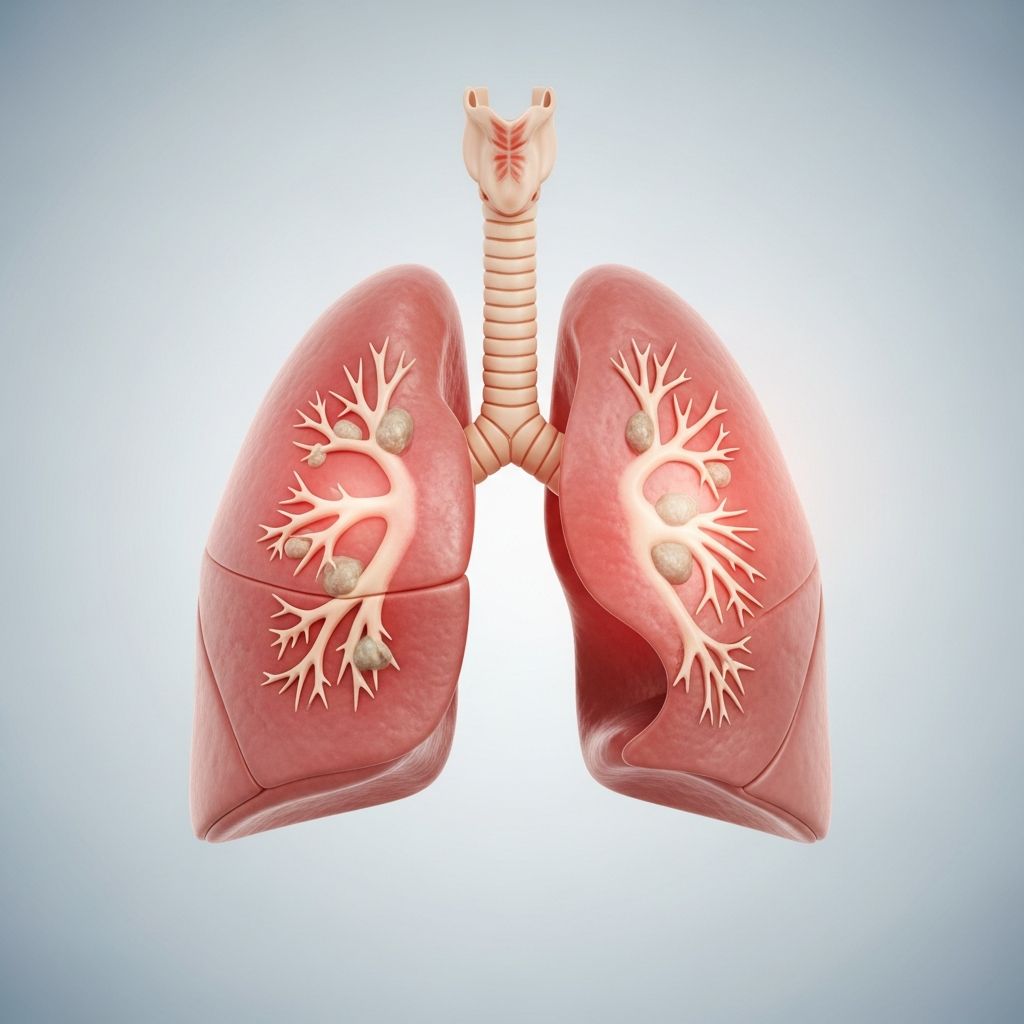
Bronchitis is an inflammatory condition affecting the large airways in your lungs, known as the bronchial tubes. When these tubes become inflamed, they swell and produce excess mucus, leading to a persistent cough and difficulty breathing. This condition can develop as either acute bronchitis, which typically appears suddenly and resolves within weeks, or chronic bronchitis, a long-term condition that persists or repeatedly returns.
The bronchial tubes are responsible for carrying air from your windpipe to your lungs. When irritated or infected, they lose their ability to clear mucus effectively, resulting in the characteristic symptoms associated with bronchitis. Understanding the differences between acute and chronic forms, along with their causes and treatments, is essential for managing this common respiratory condition.
Types of Bronchitis
Acute Bronchitis
Acute bronchitis is the more common form, often developing after a viral respiratory infection such as a cold or flu. This type usually appears suddenly and is often referred to as a chest cold. Most people with acute bronchitis experience symptoms that improve within one to three weeks, though the cough may persist for several weeks afterward. The condition rarely requires specific medical treatment and typically resolves on its own without lasting effects.
Acute bronchitis is highly contagious and spreads through respiratory droplets. It affects people of all ages but is particularly common in children and older adults. While uncomfortable, acute bronchitis is generally not considered a serious condition for most healthy individuals.
Chronic Bronchitis
Chronic bronchitis is a more serious, long-term condition characterized by constant irritation or inflammation of the bronchial tube lining. Unlike acute bronchitis, chronic bronchitis persists or keeps returning and requires ongoing medical attention and management. This condition is one of the diagnoses included in chronic obstructive pulmonary disease (COPD) and represents a significant health concern for affected individuals.
For people with chronic bronchitis, symptoms may temporarily resolve or improve but typically return or worsen, especially with exposure to triggering factors. This recurring pattern of symptoms distinguishes chronic bronchitis from its acute counterpart and necessitates long-term treatment strategies.
Symptoms of Bronchitis
Both acute and chronic bronchitis share common symptoms, though they may vary in intensity and duration:
– A persistent cough that may produce mucus or sputum- Wheezing or whistling sounds when breathing- Low-grade fever and chills- Chest tightness or discomfort- Sore throat- Body aches and general malaise- Shortness of breath or breathlessness- Headaches- Nasal congestion and sinus blockage
The cough in acute bronchitis typically lasts for two to three weeks but can persist longer even after other symptoms resolve. In chronic bronchitis, the cough is persistent and recurring, often lasting for months or years with periods of improvement followed by exacerbations.
Related Stories



Causes of Bronchitis
Acute Bronchitis Causes
The majority of acute bronchitis cases are caused by viral infections, typically the same viruses responsible for common colds and influenza. These highly contagious viruses include rhinoviruses, coronaviruses, and influenza viruses. Many different virus types can trigger acute bronchitis, all of which spread easily from person to person.
In some cases, bacterial infections may cause acute bronchitis. Specific bacteria implicated include Bordetella pertussis, Mycoplasma pneumoniae, and Chlamydia pneumoniae. However, bacterial causes are less common than viral causes.
Environmental and exposure-related factors can also contribute to acute bronchitis development:
– Exposure to tobacco smoke or secondhand smoke- Inhalation of dust, fumes, vapors, or air pollution- Occupational exposure to irritating substances- Allergen exposure in individuals with asthma or allergies
Chronic Bronchitis Causes
Chronic bronchitis is predominantly associated with long-term exposure to irritants and damaging substances. Smoking or vaping represents the primary risk factor for developing chronic bronchitis. Continued exposure to cigarette smoke, whether from active smoking or secondhand smoke inhalation, causes persistent inflammation of the bronchial tubes.
Additional causes and risk factors for chronic bronchitis include:
– Long-term exposure to air pollution- Occupational exposure to dust and chemical fumes- Repeated episodes of acute bronchitis- History of respiratory diseases or infections- Gastroesophageal reflux disease (GERD)- Exposure to smoke from forest fires, campfires, or cooking fires- Genetic factors that predispose individuals to respiratory disease- Pre-existing asthma or allergies
Risk Factors
Certain individuals face higher risks of developing bronchitis:
– People who smoke or are regularly exposed to secondhand smoke- Individuals with asthma or allergies- Those with compromised immune systems- People working in environments with lung irritants- Individuals with heart disease or other chronic conditions- Infants, young children, and elderly adults- People with gastric reflux disease
Diagnosis of Bronchitis
Healthcare providers typically diagnose bronchitis through clinical evaluation and patient history. The diagnosis usually begins with a physical examination where your doctor listens to your lungs using a stethoscope to identify abnormal sounds such as wheezing or crackles.
Additional diagnostic tools may include:
– Chest X-rays to rule out pneumonia or other serious conditions- Sputum culture or analysis to identify bacterial or viral causes- Pulmonary function tests in cases of suspected chronic bronchitis- Blood tests to detect specific infections
For acute bronchitis, extensive testing is often unnecessary as the condition is typically self-limiting. However, testing becomes more important when symptoms persist or complications are suspected.
Treatment Options
Acute Bronchitis Treatment
Since most cases of acute bronchitis result from viral infections, specific treatment is rarely required. Antibiotics are ineffective against viruses and therefore are not recommended for typical acute bronchitis cases. Instead, treatment focuses on managing symptoms and supporting your body’s natural recovery process.
Recommended self-care measures include:
– Getting adequate rest to allow your body to heal- Drinking plenty of fluids, including water and hot beverages, to thin mucus- Consuming 8-12 glasses of water daily to maintain hydration- Using a humidifier or taking warm showers to add moisture to the air- Avoiding lung irritants such as smoke and pollutants- Using inhalers if prescribed to manage wheezing
Over-the-counter medications can provide symptom relief:
– Ibuprofen (Advil, Motrin) or acetaminophen (Tylenol) for pain and fever- Cough suppressants containing dextromethorphan at bedtime if cough interferes with sleep- Cough medicines to help bring relief
If bacterial infection is confirmed through testing, antibiotics may be prescribed to treat the infection and prevent secondary infections.
Chronic Bronchitis Treatment
Chronic bronchitis requires ongoing management to alleviate symptoms and slow disease progression, though no cure currently exists for this condition. Treatment typically involves a combination of medications and lifestyle modifications tailored to individual needs.
Medications for chronic bronchitis include:
– Bronchodilators to open airways and improve airflow- Corticosteroids to reduce inflammation and swelling in airways- Anticholinergic drugs to help open airways- Phosphodiesterase-4 inhibitors to open airways and reduce inflammation- Antibiotics when bacterial infection is confirmed through testing- Mucolytics to loosen or thin mucus, making it easier to cough up sputum- Anti-inflammatory drugs to reduce tissue-damaging inflammation
Additional therapeutic approaches for chronic bronchitis include:
– Pulmonary rehabilitation programs with breathing exercises designed by respiratory therapists- Oxygen therapy to improve oxygen delivery when breathing becomes difficult- Mucus-clearing devices to assist in removing fluid from airways- Lifestyle modifications such as smoking cessation or vaping cessation
When to Seek Medical Care
While most acute bronchitis cases resolve independently, certain situations warrant medical attention:
– Symptoms persist beyond three weeks- Fever remains high or returns after improving- Shortness of breath becomes severe- Cough produces blood- Chest pain develops or worsens- Signs of pneumonia appear, such as high fever and severe breathing difficulty- You have underlying conditions like asthma, COPD, heart disease, or diabetes that may worsen- Symptoms significantly impact daily activities or sleep
Prevention Strategies
Reducing your risk of bronchitis involves several preventive measures:
– Avoid smoking and secondhand smoke exposure- Practice regular hand hygiene by washing hands frequently throughout the day- Maintain good respiratory health through exercise and proper nutrition- Get vaccinated against influenza and pneumonia- Avoid close contact with people who have respiratory infections- Use protective equipment when exposed to dust, fumes, or chemical irritants in work environments- Manage chronic conditions like asthma and allergies effectively- Avoid air pollution and indoor air irritants when possible- Maintain a humidified environment during cold months
Lifestyle and Home Management
Managing bronchitis at home requires attention to environmental factors and self-care practices. Maintaining adequate hydration is crucial for thinning mucus and making it easier to cough up secretions. Hot beverages such as tea or warm water can provide additional comfort and help loosen congestion.
Environmental modifications that support recovery include:
– Using a humidifier to add moisture to indoor air- Avoiding exposure to smoke, fumes, and other irritants- Keeping your bedroom comfortable for sleep and rest- Ensuring adequate ventilation in living spaces- Minimizing exposure to air pollution
Frequently Asked Questions
Q: How long does acute bronchitis typically last?
A: Acute bronchitis usually improves within one to three weeks, though the cough may persist for several weeks afterward. Most people recover fully without lasting effects.
Q: Is chronic bronchitis curable?
A: No, chronic bronchitis is not curable. However, various treatments can alleviate symptoms and slow disease progression, allowing people to manage their condition effectively.
Q: Why are antibiotics ineffective for most bronchitis cases?
A: Most acute bronchitis cases are caused by viral infections, and antibiotics only kill bacteria, not viruses. Antibiotics are only prescribed when bacterial infection is confirmed through testing.
Q: Can bronchitis lead to pneumonia?
A: While uncommon, bronchitis can develop into pneumonia, especially in vulnerable populations. Seek medical attention if you experience severe symptoms or signs of complications.
Q: Is acute bronchitis contagious?
A: Yes, acute bronchitis is contagious and spreads through respiratory droplets. Practicing good hygiene and avoiding close contact with infected individuals helps prevent transmission.
Q: What is the relationship between bronchitis and COPD?
A: Chronic bronchitis is classified as one of the conditions included in chronic obstructive pulmonary disease (COPD), along with emphysema. Chronic bronchitis represents a significant component of COPD diagnosis.
References
- Bronchitis: Symptoms, causes, treatment, and more — Medical News Today. 2024. https://www.medicalnewstoday.com/articles/8888
- Bronchitis (Acute and Chronic): Symptoms, Causes & Treatment — WebMD. 2024. https://www.webmd.com/lung/understanding-bronchitis-basics
- Bronchitis | Fact Sheets – Yale Medicine — Yale School of Medicine. 2024. https://www.yalemedicine.org/conditions/bronchitis
- Bronchitis: Causes, Symptoms, Diagnosis & Treatment — Cleveland Clinic. 2024. https://my.clevelandclinic.org/health/diseases/3993-bronchitis
- Bronchitis – Diagnosis and treatment — Mayo Clinic. 2024. https://www.mayoclinic.org/diseases-conditions/bronchitis/diagnosis-treatment/drc-20355572
- Bronchitis – Symptoms and causes — Mayo Clinic. 2024. https://www.mayoclinic.org/diseases-conditions/bronchitis/symptoms-causes/syc-20355566
- Bronchitis | NHLBI, NIH — National Heart, Lung, and Blood Institute. 2024. https://www.nhlbi.nih.gov/health/bronchitis
Similar Articles








Read full bio of medha deb