Bronchitis Symptoms: 7 Signs, Causes, When To See A Doctor
Recognize the signs of acute and chronic bronchitis, from persistent cough to shortness of breath, and learn when to seek medical help.

Bronchitis is an inflammation of the bronchial tubes, the airways that carry air to your lungs, leading to symptoms like persistent cough, mucus production, and shortness of breath. It manifests as either acute bronchitis, often viral and short-term, or chronic bronchitis, a long-term condition typically linked to smoking and part of chronic obstructive pulmonary disease (COPD).
What Is Bronchitis?
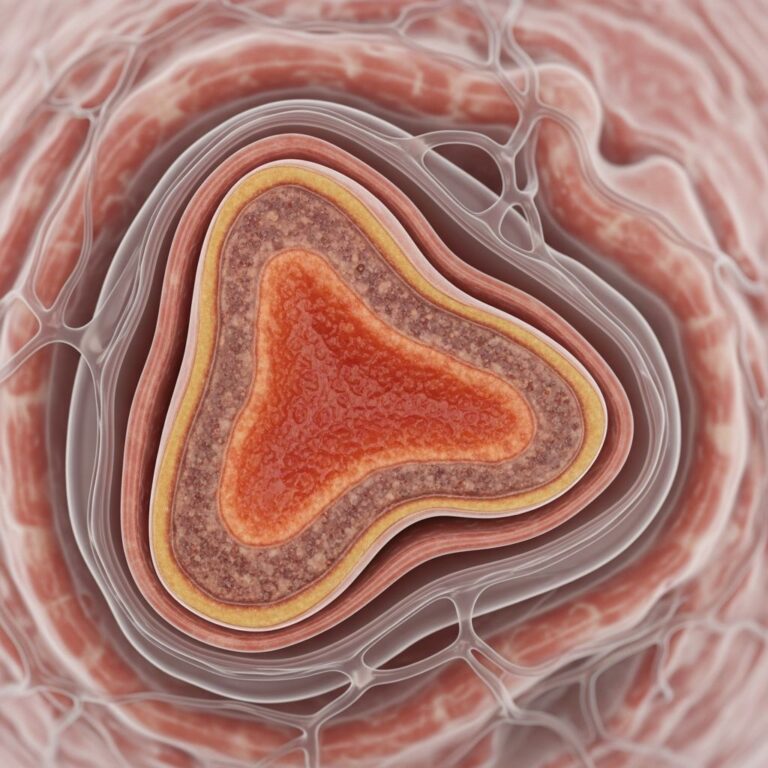
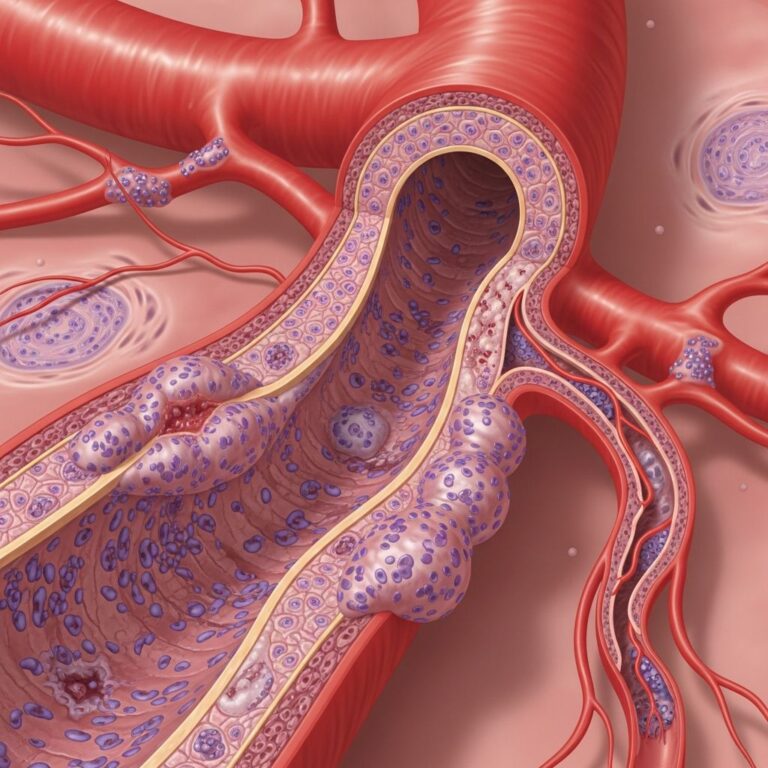
Bronchitis occurs when the lining of your bronchial tubes becomes inflamed, causing swelling and excess mucus production that irritates the airways and triggers coughing. Acute bronchitis is a common respiratory illness, usually caused by viruses, lasting 1-3 weeks in otherwise healthy adults, with cough as the primary symptom. It often follows a cold or upper respiratory infection.
Chronic bronchitis, in contrast, involves a productive cough lasting at least three months for two consecutive years, resulting from repeated irritation, most commonly smoking. It is a key component of COPD, alongside emphysema, leading to airway obstruction and reduced airflow. Acute exacerbations of chronic bronchitis worsen symptoms like dyspnea and sputum purulence.
Symptoms of Bronchitis
The hallmark symptom of bronchitis is a cough that produces mucus (sputum), which can be clear, white, yellow, green, or rarely blood-streaked. This cough helps clear the inflamed airways but can persist for weeks.
Acute Bronchitis Symptoms
Acute bronchitis typically starts with upper respiratory symptoms resembling a cold:
- Cough: Dry at first, then productive with mucus.
- Mucus production: Clear, white, yellowish-gray, or green sputum.
- Sore throat: From postnasal drip.
- Mild headache and body aches: Accompanying fatigue.
- Slight fever and chills: Low-grade, variable by virus.
- Chest discomfort: Often from coughing.
- Shortness of breath and wheezing: Due to bronchial hyperresponsiveness.
The acute phase lasts 1-5 days with constitutional symptoms like fever and malaise, followed by a protracted phase of 1-3 weeks with cough, wheezing, and sputum. Pulmonary function may decline, measured by reduced FEV1.
Chronic Bronchitis Symptoms
Chronic bronchitis features ongoing inflammation:
- Productive cough: Daily mucus production for at least three months over two years.
- Fatigue: From persistent respiratory effort.
- Chest discomfort: Ongoing pressure or pain.
- Shortness of breath: Progresses from exertional to at-rest dyspnea.
Exacerbations involve increased dyspnea, sputum volume, and purulence: severe (all three), moderate (two), or mild (one plus infection signs like fever).
Bronchitis vs. Pneumonia
Bronchitis and pneumonia both cause cough and breathing issues, but they differ in location and severity. Bronchitis affects the bronchial tubes, while pneumonia inflames the lung’s air sacs (alveoli), often with fluid buildup.
| Feature | Bronchitis | Pneumonia |
|---|---|---|
| Location | Bronchial tubes (airways) | Lung alveoli (air sacs) |
| Cough | Productive mucus, no rales | Productive, with rales (crackles) |
| Vital Signs | Normal or mild changes | High fever (>38°C), HR >100, RR >24 |
| Severity | Usually self-limiting | More serious, potential hospitalization |
| Sounds | Wheezing possible | Abnormal lung sounds (rales) |
Related Stories



Pneumonia requires exclusion via exam or imaging; bronchitis lacks these severe signs.
Causes of Bronchitis
Acute bronchitis is predominantly viral (e.g., rhinovirus, influenza), with bacteria rare. It follows upper respiratory infections. Chronic bronchitis stems from irritants like cigarette smoke, air pollution, dust, and chemical fumes, causing repeated inflammation.
Risk factors include smoking, asthma, allergies, GERD, and weakened immunity. Recurrent acute episodes may signal underlying asthma or lung disease.
Diagnosis
Diagnosis relies on history and physical exam: cough duration, sputum characteristics, vital signs, and lung sounds. No routine chest X-ray unless pneumonia suspected. Spirometry assesses chronic cases for COPD. Exacerbations are typed by symptom severity.
Treatment
Acute Bronchitis Treatment
Most cases resolve without antibiotics, as viral. Focus on symptom relief:
- Rest and hydration: Loosen mucus.
- Humidified air or steam: Ease breathing.
- OTC meds: Expectorants (guaifenesin), cough suppressants (dextromethorphan), pain relievers (ibuprofen).
- No routine antibiotics: Unless bacterial evidence.
Cough may linger 3-4 weeks.
Chronic Bronchitis Treatment
Aimed at management and prevention:
- Smoking cessation: Essential.
- Bronchodilators and inhaled steroids: Open airways.
- Antibiotics for exacerbations: If purulent sputum.
- Pulmonary rehab and oxygen: For advanced COPD.
When to See a Doctor
Seek care if:
- Cough lasts >3 weeks or worsens.
- High fever (>100.4°F), bloody sputum, severe shortness of breath.
- Chest pain, rapid breathing, confusion.
- Recurrent episodes suggesting chronic issues.
Children, elderly, or those with comorbidities need prompt evaluation.
Prevention
- Hand hygiene and vaccines: Flu, pneumococcal, COVID-19.
- Avoid irritants: Quit smoking, limit exposure to pollutants.
- Manage underlying conditions: Asthma, GERD.
Annual flu shots reduce acute bronchitis risk.
Frequently Asked Questions (FAQs)
Is bronchitis contagious?
Acute bronchitis is often contagious via viruses; chronic is not. Practice hygiene during acute illness.
How long does bronchitis last?
Acute: 1-3 weeks, cough up to 4. Chronic: Lifelong, with flares.
Can I go to work with bronchitis?
With mild acute symptoms, yes; isolate if feverish or high-risk contacts.
Does bronchitis show on X-ray?
Usually normal; used to rule out pneumonia.
Is bronchitis from COVID-19?
Possible, but test to differentiate.
This comprehensive overview equips you to identify, manage, and prevent bronchitis effectively. Early recognition prevents complications like pneumonia or COPD progression.
References
- Bronchitis – PMC – PubMed Central – NIH — National Institutes of Health. 2020-03-23. https://pmc.ncbi.nlm.nih.gov/articles/PMC7151913/
- Bronchitis – Symptoms and causes – Mayo Clinic — Mayo Clinic. Accessed 2026. https://www.mayoclinic.org/diseases-conditions/bronchitis/symptoms-causes/syc-20355566
- What doctors wish patients knew about bronchitis — American Medical Association. Accessed 2026. https://www.ama-assn.org/public-health/prevention-wellness/what-doctors-wish-patients-knew-about-bronchitis
- Bronchitis: Causes, Symptoms, Diagnosis & Treatment — Cleveland Clinic. Accessed 2026. https://my.clevelandclinic.org/health/diseases/3993-bronchitis
Similar Articles








Read full bio of Sneha Tete