Bronchospasm: Causes, Symptoms & Treatment
Understanding bronchospasm: Learn what causes airway tightening, recognize symptoms, and discover effective treatment options.
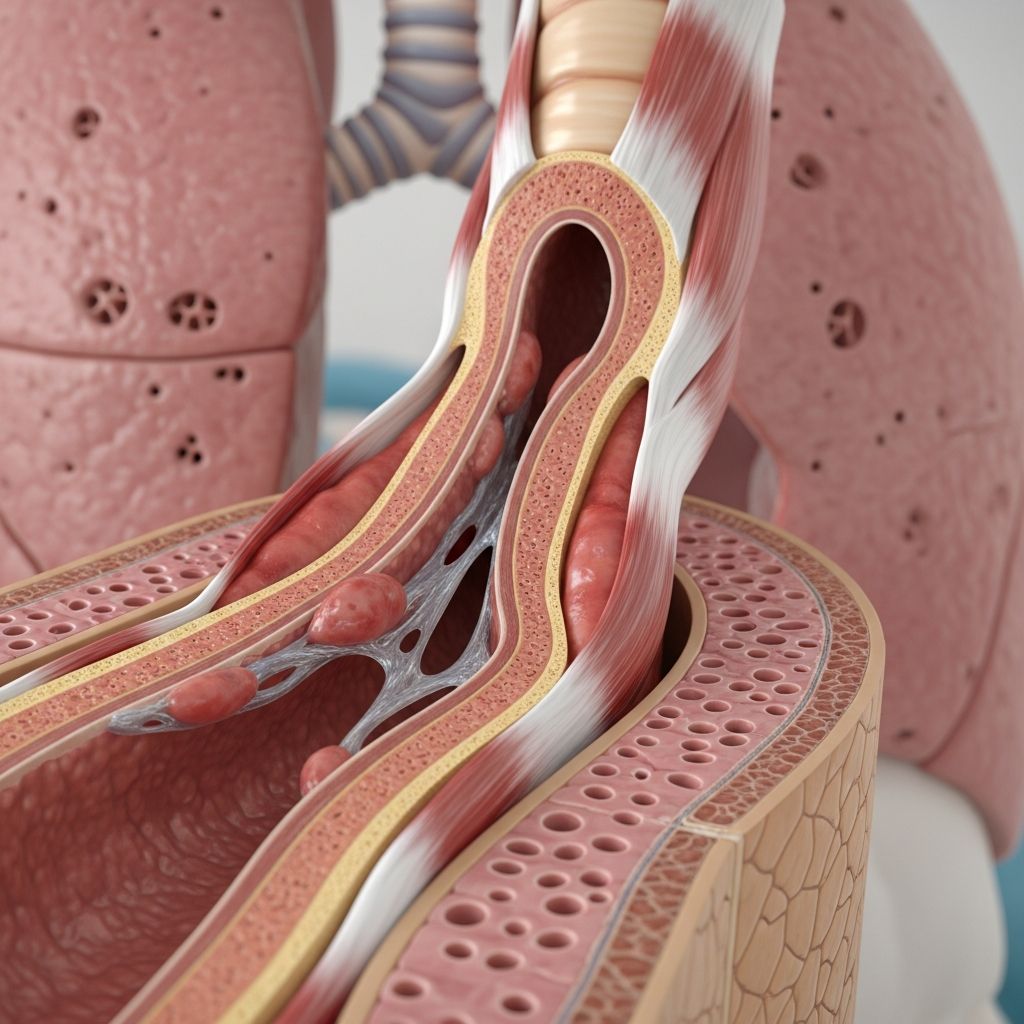
Bronchospasm is a medical condition characterized by the sudden tightening of muscles that line the airways in your lungs. When these muscles contract involuntarily, they narrow the bronchial tubes, making it difficult for air to flow freely through the respiratory system. This narrowing can occur in response to various triggers and irritants, and it requires prompt recognition and treatment to prevent serious complications. Understanding bronchospasm, its causes, symptoms, and available treatment options is essential for anyone experiencing respiratory difficulties.
What Is Bronchospasm?
Bronchospasm refers to the sudden constriction of the muscles surrounding the airways in your lungs. These muscles, which normally maintain a relaxed state to allow smooth airflow, can involuntarily contract in response to various stimuli. When this happens, the bronchial tubes narrow significantly, restricting the passage of air and leading to characteristic respiratory symptoms. This condition can develop rapidly and range from mild to severe, depending on the underlying cause and individual factors.
The airway constriction associated with bronchospasm can be reversible, meaning that with appropriate treatment, the airways can return to normal function. However, without intervention, severe bronchospasm can become life-threatening, making immediate recognition and treatment crucial.
Main Symptoms of Bronchospasm
The primary symptom of bronchospasm is the overwhelming sensation that you cannot catch your breath or breathe properly. This feeling of breathlessness can be accompanied by several other characteristic symptoms:
- Wheezing, which is a whistling sound heard when breathing, particularly during exhalation
- Persistent coughing that may worsen with physical activity or exposure to triggers
- Chest tightness or pressure in the chest area
- Rapid or shallow breathing patterns
- Difficulty performing normal activities due to breathing restrictions
- Fatigue or weakness resulting from compromised oxygen intake
These symptoms can appear suddenly and may escalate quickly, particularly in severe cases. The intensity and duration of symptoms can vary significantly between individuals and depend on the severity of the airway constriction.
Common Causes of Bronchospasm
Asthma stands as the most prevalent cause of bronchospasm, affecting millions of individuals worldwide. However, numerous other conditions and triggers can provoke airway muscle tightening and subsequent bronchospasm. Understanding these varied causes helps in identifying risk factors and implementing preventive measures.
Primary Causes
Asthma and Respiratory Conditions: Asthma is a chronic inflammatory disorder that chronically inflames and narrows the bronchial tubes, leading to recurring episodes of wheezing, coughing, and shortness of breath. During asthma attacks, the airways narrow through a process called bronchospasm, which can severely restrict breathing in some cases and lead to potentially fatal outcomes if untreated.
Environmental Irritants: Exposure to various environmental substances can trigger bronchospasm, including air pollution, cigarette smoke, strong chemical odors, and industrial fumes. These irritants trigger an inflammatory response in the airways, leading to muscle constriction.
Allergic Reactions: Allergens such as pollen, dust mites, pet dander, and mold spores can provoke allergic responses that manifest as bronchospasm in susceptible individuals.
Exercise-Induced Bronchospasm: Some individuals experience airway constriction during or immediately after intense physical activity, particularly in cold, dry air environments.
Infections: Viral and bacterial respiratory infections, including the common cold, influenza, and bronchitis, frequently trigger bronchospasm as part of the inflammatory response.
Related Stories



Medication Side Effects: Certain medications, particularly beta-blockers and nonsteroidal anti-inflammatory drugs (NSAIDs), can precipitate bronchospasm in sensitive individuals.
Aspirin-Exacerbated Respiratory Disease: Some individuals experience bronchospasm when exposed to aspirin or similar medications, a condition known as aspirin-exacerbated respiratory disease.
Additional Triggering Factors
Other conditions and factors that may cause irritation and swelling in airways include emotional stress, sudden temperature changes, gastroesophageal reflux disease (GERD), and exposure to occupational hazards. Additionally, conditions affecting the lungs and respiratory system can contribute to bronchospasm development.
Bronchospasm Treatment Options
Bronchospasm treatment typically begins with bronchodilators, which are medications specifically designed to expand and relax the bronchial airways. These medications work by relaxing the smooth muscle surrounding the bronchial tubes, thereby widening the airways and restoring normal breathing function.
Short-Acting Bronchodilators
Short-acting bronchodilators provide rapid relief during acute bronchospasm episodes, offering what is commonly referred to as “rescue relief.” These medications work quickly to widen the airways, typically producing noticeable improvements within minutes. The effects of short-acting bronchodilators generally persist for up to six hours, making them ideal for addressing acute symptoms.
Common short-acting bronchodilators include albuterol (also known as salbutamol) and levalbuterol. These medications are often delivered through handheld inhalers, allowing patients to self-administer treatment rapidly during symptom onset. The quick action of these medications makes them essential for individuals who experience episodic bronchospasm.
Long-Acting Bronchodilators
Long-acting bronchodilators are designed to provide sustained relief over extended periods, typically lasting 12 hours or longer. These medications help maintain open airways throughout the day and are often used as maintenance therapy for individuals with chronic bronchospasm or asthma.
Delivery Methods
Bronchodilators are available through multiple delivery methods to accommodate individual preferences and clinical situations:
- Inhalers: Handheld devices that deliver medication directly to the airways via inhalation
- Nebulizers: Machines that convert liquid medication into a fine mist for inhalation over several minutes
- Oral tablets: Systemic medications taken by mouth for broader distribution throughout the body
Emerging Treatment Options
Research continues to identify new therapeutic approaches for bronchospasm, particularly for individuals who do not respond adequately to traditional bronchodilator therapy. Cleveland Clinic researchers have discovered that certain pulmonary arterial hypertension medications may offer alternative treatment pathways for asthma patients resistant to conventional therapy, potentially helping up to 40 percent of individuals who previously had limited treatment options.
Managing Bronchospasm at Home
While preventing and managing bronchospasm requires medical intervention, certain supportive measures may help reduce symptom severity and frequency.
What Does NOT Work
It is important to understand that no home remedies can stop a bronchospasm episode once it has begun. Once airway muscles have tightened, immediate access to a short-acting bronchodilator is necessary. Attempting to treat an active bronchospasm episode without medication can delay necessary treatment and potentially lead to serious complications.
Breathing Exercises
Some healthcare providers believe that structured breathing exercises may reduce the risk of bronchospasm occurrence. However, research in this area remains ongoing and requires additional evidence to establish definitive effectiveness. Even if beneficial for prevention, breathing exercises cannot halt a bronchospasm episode that has already started. Individuals with diagnosed bronchospasm should rely on prescribed bronchodilators for acute symptom management.
Duration of Bronchospasm Episodes
The length of a bronchospasm episode varies considerably based on multiple factors. The underlying cause, severity of the constriction, and individual response to treatment all influence how long symptoms persist. Some episodes may resolve within minutes of bronchodilator administration, while others may persist for hours or even days, particularly if the triggering cause remains present or if the condition proves resistant to initial treatment.
Consistent use of prescribed bronchodilators and identification of specific triggers can help minimize episode duration and severity.
Is Bronchospasm Life-Threatening?
Yes, severe bronchospasm can be life-threatening without appropriate treatment. However, with prompt medical intervention, symptoms typically resolve within minutes. The key to preventing serious complications lies in recognizing symptoms early and accessing treatment immediately.
Untreated severe bronchospasm can lead to severe hypoxia (insufficient oxygen in the bloodstream), respiratory failure, and potentially death. However, when individuals with known bronchospasm or asthma use their prescribed bronchodilators promptly upon symptom onset, outcomes are generally favorable.
When to Seek Emergency Care
Immediate emergency medical attention is necessary if you experience bronchospasm symptoms and do not have access to a bronchodilator. Call 911 or go to the nearest emergency department if you are experiencing:
- Severe shortness of breath that prevents normal conversation
- Significant chest tightness or pressure
- Rapid or labored breathing
- Wheezing that does not improve with home treatment
- Symptoms that persist despite bronchodilator use
- Confusion or altered mental status related to breathing difficulty
- Bluish discoloration of lips or fingernails indicating severe hypoxia
If you have experienced a bronchospasm episode previously, your healthcare provider should have prescribed a short-acting bronchodilator for rescue use. Having this medication readily available is crucial for managing symptoms effectively.
Frequently Asked Questions
What is the difference between bronchospasm and bronchoconstriction?
While these terms are often used interchangeably, bronchoconstriction refers broadly to the narrowing of airways through muscle tightening, while bronchospasm specifically refers to sudden, involuntary muscle contractions. Bronchospasm is typically a more acute event, whereas bronchoconstriction can be a more gradual or chronic process.
Can bronchospasm develop without asthma?
Yes, absolutely. While asthma is the most common cause, bronchospasm can occur in response to infections, allergies, exercise, environmental irritants, medication reactions, and various other triggers. Individuals without asthma can still experience bronchospasm episodes.
How quickly does a bronchodilator work?
Short-acting bronchodilators typically begin working within minutes, providing noticeable relief relatively quickly. However, the exact timing can vary based on the specific medication, delivery method, and individual factors.
Can I prevent bronchospasm episodes?
Prevention strategies depend on identifying your specific triggers. These may include avoiding allergens, environmental irritants, and known medication triggers; managing underlying conditions like asthma and GERD; avoiding strenuous exercise in cold weather; and maintaining overall respiratory health. Your healthcare provider can help develop a personalized prevention plan.
Should I always carry a bronchodilator?
If you have been diagnosed with bronchospasm or asthma, your healthcare provider will likely recommend carrying a short-acting bronchodilator at all times. This ensures you have immediate access to treatment if symptoms develop unexpectedly.
Living with Bronchospasm
Bronchospasm can significantly impact quality of life, affecting your ability to exercise, work, and engage in daily activities. However, with appropriate medical management and trigger identification, most individuals can effectively control symptoms and maintain an active lifestyle. Working closely with your healthcare provider to develop a personalized asthma or bronchospasm action plan ensures you understand your triggers, know how to use your medications properly, and recognize when to seek emergency care.
Cleveland Clinic’s respiratory therapy program offers comprehensive support for individuals experiencing breathing issues, helping patients manage symptoms and improve their daily quality of life through evidence-based treatment approaches and patient education.
References
- Asthma Center – Cleveland Clinic — Cleveland Clinic Department of Respiratory Care. Accessed 2025-12-01. https://my.clevelandclinic.org/departments/respiratory/depts/asthma
- Cleveland Clinic Research Identifies Potential New Treatment for Asthma — Cleveland Clinic Newsroom. 2016-04-11. https://newsroom.clevelandclinic.org/2016/04/11/cleveland-clinic-research-indentifies-potential-new-treatment-asthma
- Bronchoscopy | Cleveland Clinic — Cleveland Clinic Department of Respiratory Care. Accessed 2025-12-01. https://my.clevelandclinic.org/departments/respiratory/depts/bronchoscopy
- Bronchospasm: Causes, Symptoms & Treatment – Cleveland Clinic — Cleveland Clinic Health Library. Last reviewed 2025-09-17. https://my.clevelandclinic.org/health/diseases/22620-bronchospasm
- Asthma: Types, Causes, Symptoms, Diagnosis & Treatment — Cleveland Clinic Health Library. Accessed 2025-12-01. https://my.clevelandclinic.org/health/diseases/6424-asthma
Similar Articles








Read full bio of Sneha Tete