Brown Rice: A Nutritious Grain for Heart Health
Discover why brown rice is an excellent choice for cardiovascular wellness and diabetes prevention.
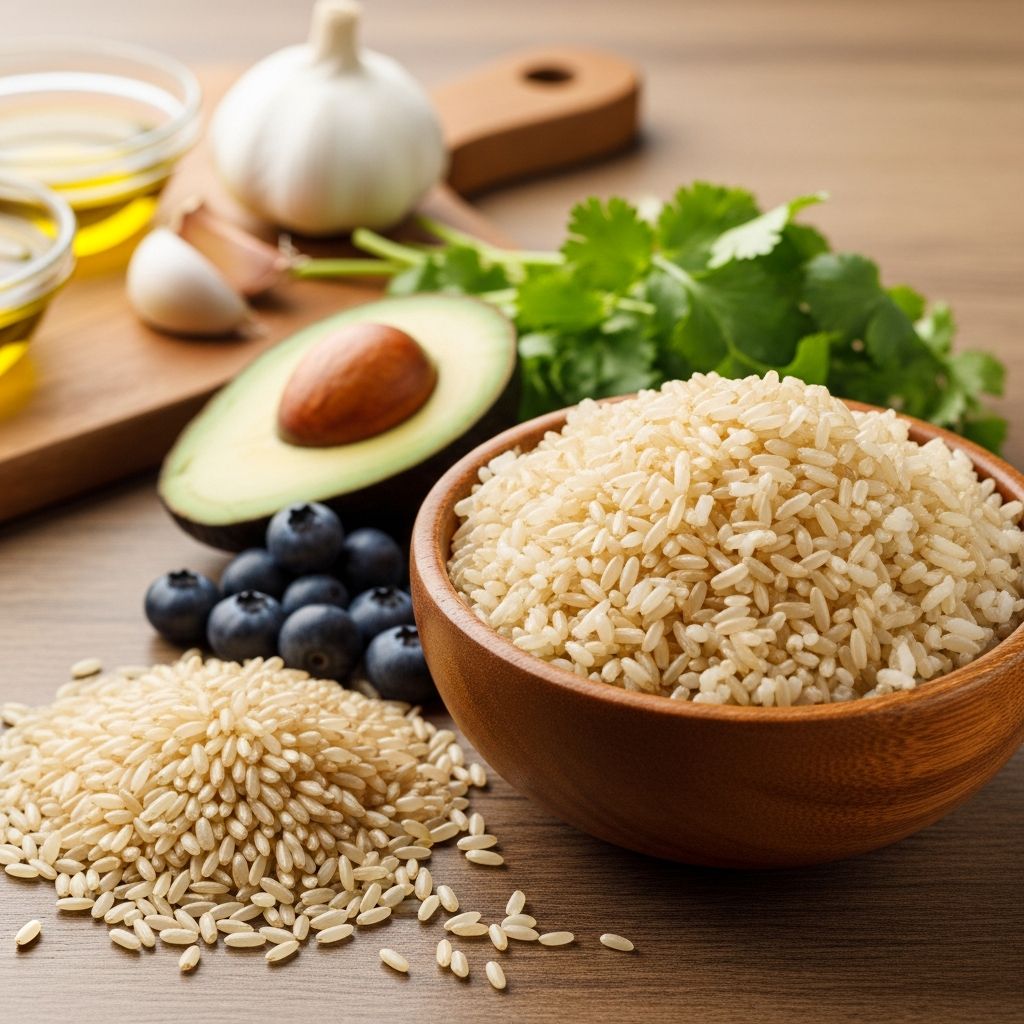
Brown Rice: Grain of the Month for Optimal Heart Health
Brown rice stands out as one of the most nutritious grain choices available today, offering significant benefits for cardiovascular health and metabolic wellness. Unlike its refined counterpart, white rice, brown rice retains its nutrient-rich bran and germ layers, making it a powerhouse of essential vitamins, minerals, and fiber. As concerns about type 2 diabetes and heart disease continue to rise globally, brown rice presents a simple yet effective dietary intervention that can help individuals reduce their risk of these chronic conditions.
What Makes Brown Rice Different?
Brown rice is essentially the whole grain form of rice, maintaining its outer bran layer and germ during processing. This fundamental difference from white rice, which has these nutritious layers removed during refinement, provides brown rice with substantially higher amounts of dietary fiber, B vitamins, magnesium, and other essential micronutrients. The presence of these components makes brown rice digest more slowly than white rice, resulting in a more gradual and stable rise in blood sugar levels after consumption.
Nutritional Composition
Brown rice contains significantly higher levels of important nutrients compared to white rice. The intact grain structure preserves fiber content, which plays a crucial role in digestive health and metabolic regulation. Additionally, brown rice provides magnesium, an essential mineral involved in over 300 enzymatic reactions in the body, including those related to glucose metabolism and heart function. The presence of B vitamins, particularly thiamine, niacin, and pantothenic acid, supports energy production and cardiovascular function.
The Glycemic Index and Blood Sugar Control
One of the most significant advantages of brown rice is its lower glycemic index compared to white rice. The glycemic index measures how quickly foods raise blood glucose levels after consumption. Brown rice has a glycemic index of approximately 55±5, while white rice registers at 64±7, indicating that brown rice produces a more gradual and gentle change in blood sugar levels. This difference is particularly important for individuals at risk of or managing type 2 diabetes.
The slower digestion rate of brown rice is attributed to its intact fiber content and the presence of protective bran layers. When consuming white rice, the body rapidly breaks down and absorbs the refined carbohydrates, causing sharp spikes in blood glucose that require significant insulin response. In contrast, brown rice’s complex structure requires more time to digest, allowing for a steady release of glucose into the bloodstream. This physiological difference has profound implications for metabolic health and diabetes prevention.
Brown Rice and Type 2 Diabetes Prevention
Multiple large-scale epidemiological studies have demonstrated a strong association between brown rice consumption and reduced type 2 diabetes risk. Research examining three large prospective cohorts in the United States involving 39,765 men and 157,463 women revealed compelling evidence for brown rice’s protective effects. Participants consuming two or more servings of brown rice weekly, compared with those consuming less than one serving monthly, experienced an 11% reduced risk of developing type 2 diabetes. In stark contrast, individuals who consumed five or more servings of white rice weekly faced a 17% increased risk of type 2 diabetes compared to minimal consumers.
Substitution Benefits
Related Stories



Research has quantified the specific benefits of replacing white rice with brown rice in the diet. When 50 grams daily (equivalent to approximately one-third serving daily) of white rice is substituted with brown rice, the risk of type 2 diabetes decreases by 16%. Furthermore, replacing the same amount of white rice with whole grains as a category is associated with a 36% lower diabetes risk. These statistics underscore the importance of making deliberate dietary choices to reduce chronic disease risk.
Meta-analyses examining whole grain consumption patterns across 16 international cohort studies found that consuming three servings of whole grains daily, including brown rice, resulted in a 32% reduction in type 2 diabetes risk. This comprehensive evidence base from multiple populations and geographic regions provides robust support for brown rice as a functional food for diabetes prevention.
Mechanisms of Diabetes Protection
The diabetes-protective effects of brown rice operate through several interconnected physiological mechanisms. The primary mechanism involves the lower glycemic index, which minimizes postprandial (after-meal) glucose spikes and reduces the demand on pancreatic beta cells to produce insulin. The insoluble fiber content in brown rice plays an additional protective role by improving insulin sensitivity and enhancing glucose metabolism. Research has consistently demonstrated that higher insoluble fiber intake is associated with improved insulin sensitivity and decreased type 2 diabetes risk.
Brown rice’s magnesium content provides another layer of metabolic protection. Magnesium is essential for glucose transport, insulin secretion, and insulin action at the cellular level. Studies have consistently shown that higher magnesium intake is associated with reduced type 2 diabetes risk in cohort studies and improved glucose metabolism in clinical trials. The combination of fiber, magnesium, and other micronutrients in brown rice creates a synergistic effect that supports optimal glucose regulation.
Cardiovascular Health Benefits
While brown rice’s impact on heart disease and stroke risk remains an area of ongoing research, evidence suggests that incorporating brown rice into a heart-healthy diet can contribute to cardiovascular wellness. A large cohort study involving 71,750 women from the Nurses’ Health Study and 42,823 men from the Health Professionals Follow-up Study examined brown rice consumption patterns. While the study did not find a reduced stroke risk specifically from brown rice consumption alone, researchers noted that brown rice consumption in the cohort was generally lower than consumption of other protective whole grain foods.
HDL Cholesterol and Blood Pressure
Clinical intervention studies have shown promising results regarding brown rice’s effects on specific cardiovascular risk factors. In a 16-week pilot study conducted in China, participants randomly assigned to consume brown rice showed improvements in HDL cholesterol (the beneficial form of cholesterol) and blood pressure compared to white rice consumers. These improvements were particularly pronounced in participants with existing diabetes, suggesting that brown rice may offer additional benefits for those with metabolic dysfunction.
The mechanism through which brown rice improves these cardiovascular markers likely involves its fiber content, which has been shown to help reduce total and LDL cholesterol levels, and its mineral content, including potassium and magnesium, which support healthy blood pressure regulation.
Global Research Initiatives
Recognizing the potential of brown rice to positively impact public health on a global scale, Harvard School of Public Health initiated the Global Nutrition and Epidemiology and Trends (GNET) group to investigate whole grain substitution strategies. Beginning with a focus group study in Shanghai, China, in 2008, researchers assessed awareness and acceptability of brown rice among 32 Chinese adults. Initial perceptions were revealing: most participants consumed white rice daily and had never tried brown rice, and the majority considered brown rice inferior in taste and quality before tasting.
However, after tasting brown rice and learning about its nutritional value, the majority of participants indicated greater willingness to consume brown rice regularly. This finding highlights an important cultural and educational component to dietary change—people are willing to adopt healthier food choices when provided with information and opportunities to experience the foods themselves.
The Pilot Study
Following the focus group assessment, researchers conducted a larger pilot study involving 202 middle-aged adults who were randomly assigned to consume either white rice or brown rice for 16 weeks. The study demonstrated reasonably good compliance with the brown rice intervention, with most participants maintaining their assigned diets throughout the study period. While no overall metabolic differences were observed between groups in the general population, the brown rice intervention showed specific benefits for participants with diabetes, improving HDL cholesterol and blood pressure measurements.
Expanding Across Continents
Building on the success of preliminary research, the GNET group expanded its investigation to eight additional countries: Costa Rica, India, Kenya, Kuwait, Mexico, Nigeria, Puerto Rico, and Tanzania. These studies are designed to assess the effect of substituting whole grains, including brown rice, for refined carbohydrate staples on blood pressure and blood sugar levels in high-risk populations and to evaluate the acceptability of such interventions in diverse communities. The results from these international studies are expected to form the foundation for longer-term intervention trials, anticipated to begin within two years.
Cultural and Policy Implications
One of the significant challenges in promoting brown rice consumption globally is the cultural perception of white rice as a symbol of affluence and quality, particularly in Asian countries such as China. Historically, white rice’s polished appearance and refined texture were associated with wealth and status, while brown rice was viewed as inferior and linked to poverty. Overcoming these deeply ingrained cultural beliefs requires strategic education campaigns, policy interventions, and industry partnerships.
Hannia Campos, senior lecturer on nutrition at Harvard School of Public Health, emphasized the broader vision of the brown rice initiative: “Our hope is that this project will shift world trends in staple food consumption. We expect that the project will impact food policy, production, and processing so that whole foods and legumes become the norm.” This vision extends beyond individual dietary choices to systemic change in food systems, agricultural practices, and public health policy.
Campos has observed significant enthusiasm from academics, government officials, and industry stakeholders who recognize the importance of promoting whole grains as dietary staples. Additionally, middle-aged adults at high risk for diabetes have demonstrated remarkable willingness to modify their diets to improve their health, suggesting that when provided with clear evidence and practical options, people can successfully adopt beneficial dietary changes.
Practical Considerations and Recommendations
How to Incorporate Brown Rice
For individuals seeking to increase brown rice consumption, several practical strategies can facilitate this transition. Brown rice can be substituted for white rice in any recipe, though it typically requires slightly longer cooking time (approximately 45 minutes compared to 15-20 minutes for white rice). Gradually increasing brown rice consumption allows the palate to adjust to its slightly nuttier flavor and firmer texture. Starting with a mixture of brown and white rice and gradually increasing the proportion of brown rice is an effective transitional approach.
Nutritional Considerations
While brown rice offers substantial nutritional advantages over white rice, one consideration involves arsenic content. Brown rice naturally contains higher levels of arsenic than white rice because the metal accumulates in the outer layers of the grain, which are removed in white rice processing. However, this concern should not discourage brown rice consumption, as the health benefits of brown rice significantly outweigh the risks associated with arsenic accumulation, particularly when brown rice is part of a varied diet including other whole grains and foods.
Frequently Asked Questions
Q: How much brown rice should I consume daily to experience health benefits?
A: Research suggests that consuming two or more servings of brown rice weekly is associated with meaningful diabetes risk reduction. A serving is typically defined as one-half to two-thirds cup of cooked brown rice. However, even gradually increasing consumption provides benefits.
Q: Can brown rice help with weight management?
A: Yes, brown rice can support weight management efforts due to its higher fiber content, which promotes satiety and reduces overall calorie intake. The fiber slows digestion and helps maintain stable blood sugar levels, which reduces cravings and energy crashes that can lead to overeating.
Q: Is brown rice suitable for individuals with celiac disease?
A: Yes, brown rice is naturally gluten-free and is an excellent grain choice for individuals with celiac disease or gluten sensitivity. Always purchase brown rice labeled as certified gluten-free if cross-contamination is a concern.
Q: How does brown rice compare to other whole grains?
A: While brown rice is an excellent whole grain, research indicates that substituting white rice with a variety of whole grains may provide greater diabetes risk reduction (36% compared to 16% for brown rice alone). Including whole grain cereals, barley, and legumes provides diverse nutrients and maximizes health benefits.
Q: Can I store brown rice long-term?
A: Brown rice has a shorter shelf life than white rice due to its retained bran layer containing fats that can become rancid. Store brown rice in an airtight container in a cool, dry place, or in the refrigerator or freezer for extended storage lasting up to six months to one year.
Conclusion
Brown rice represents a simple yet powerful dietary intervention for improving metabolic health and reducing chronic disease risk. The extensive scientific evidence demonstrates that brown rice consumption is associated with reduced type 2 diabetes risk, improved cardiovascular risk factors, and beneficial metabolic effects. By replacing refined white rice with brown rice—either partially or completely—individuals can take a meaningful step toward better health.
The global initiatives led by Harvard School of Public Health illustrate the potential for brown rice promotion to extend beyond individual dietary choices to influence food policy, agricultural practices, and public health approaches worldwide. As research continues to expand across diverse populations and geographic regions, the evidence supporting brown rice’s role in disease prevention becomes increasingly robust.
Making the transition to brown rice is accessible to most individuals and can be implemented gradually. Whether motivated by diabetes prevention, cardiovascular health, or general wellness, incorporating brown rice into a balanced diet represents an evidence-based choice that honors both scientific research and practical nutritional guidance. The journey toward whole grain consumption begins with individual choices that accumulate into population-level health improvements.
References
- Can brown rice slow the spread of type 2 diabetes? — Harvard School of Public Health. 2012-01-03. https://hsph.harvard.edu/news/gnet-brown-rice-diabetes/
- White Rice, Brown Rice, and Risk of Type 2 Diabetes in US Men and Women — National Institutes of Health. https://pmc.ncbi.nlm.nih.gov/articles/PMC3024208/
- Rice – The Nutrition Source — Harvard T.H. Chan School of Public Health. https://nutritionsource.hsph.harvard.edu/food-features/rice/
- Whole Grains and Cardiovascular Disease Risk: A Meta-Analysis of Prospective Cohort Studies — Harvard T.H. Chan School of Public Health. https://nutritionsource.hsph.harvard.edu/food-features/rice/
Similar Articles








Read full bio of medha deb