Brown Rice vs White Rice: A Head-to-Head Comparison
Discover the nutritional differences between brown and white rice to make informed dietary choices.
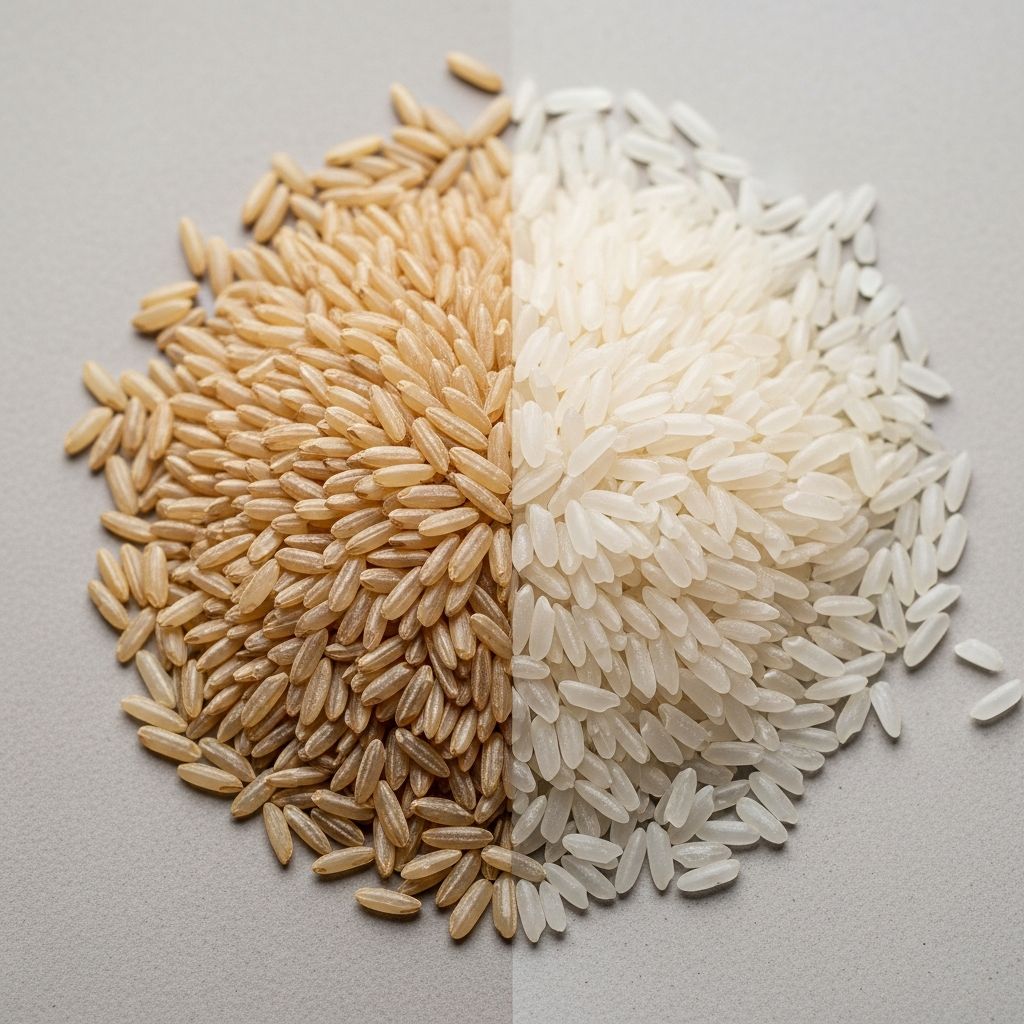
Brown Rice vs. White Rice: A Head-to-Head Comparison
Rice is one of the world’s most important staple carbohydrates, consumed by billions of people daily. However, not all rice is created equal. The two most common varieties—brown rice and white rice—differ significantly in their processing methods, nutritional profiles, and health implications. Understanding these differences can help you make informed decisions about which rice variety best supports your dietary goals and overall wellness.
Understanding Rice Structure and Processing
To appreciate the nutritional differences between brown and white rice, it’s essential to understand how rice is structured and processed. Each rice grain contains three main components: the bran, the endosperm, and the germ.
The bran is the outer layer of the grain and serves as the fiber-rich component that supplies important nutrients including B vitamins, iron, copper, zinc, magnesium, antioxidants, and phytochemicals. These phytochemicals have been researched extensively for their potential role in disease prevention and overall health maintenance.
The endosperm is the middle layer that contains primarily carbohydrates, protein, and smaller amounts of B vitamins and minerals. This layer provides the bulk of the grain’s caloric content.
The germ is located at the center of the seed and is known for containing healthy fats, vitamin E, B vitamins, additional phytochemicals, and antioxidants that contribute to overall nutritional value.
Brown rice retains all three components—the bran, endosperm, and germ—making it a whole grain. In contrast, white rice undergoes processing that removes both the bran and germ, leaving only the endosperm. This fundamental difference in processing directly accounts for the significant nutritional disparities between the two varieties.
Nutritional Comparison: Brown Rice vs. White Rice
When comparing brown rice to white rice on a pound-for-pound basis, the nutritional advantages of brown rice become quite apparent. Brown rice contains substantially higher levels of key nutrients essential for optimal body function:
- Almost 6 times the amount of fiber
- 25% more protein
- 4 times as much magnesium
- Double the amount of phosphorus
- More than double the amount of manganese
- 1.5 times the amount of selenium
Beyond these macronutrient and mineral differences, brown rice provides superior levels of phytochemicals and antioxidants that contribute to various protective health functions throughout the body.
Health Benefits of Brown Rice
The enhanced nutritional profile of brown rice translates into measurable health benefits. The presence of bran and fiber in brown rice plays several crucial roles in maintaining bodily health.
Blood Sugar Control
One of the most significant benefits of brown rice is its superior effect on blood glucose regulation. The fiber present in brown rice slows down the breakdown of starch into glucose, which helps maintain steady blood sugar levels rather than causing sharp spikes and dips that can strain the metabolic system. Research has demonstrated that white rice generates a stronger postprandial blood glucose response, with a mean glycemic index of 64, compared to brown rice’s glycemic index of 55.
Related Stories



Cholesterol and Digestive Health
The insoluble fiber content in brown rice helps lower cholesterol levels and facilitates the efficient movement of waste through the digestive tract, promoting overall gastrointestinal health and regularity. Soluble and insoluble fiber work synergistically to improve digestive function and nutrient absorption.
Disease Prevention
The phytochemicals and essential minerals found abundantly in brown rice—such as magnesium, selenium, and copper—have been studied extensively for their potential protective effects against certain chronic diseases, including various types of cancer. These bioactive compounds support the body’s natural defense mechanisms and contribute to long-term health maintenance.
Type 2 Diabetes Risk Reduction
Research examining large prospective cohorts has provided compelling evidence regarding rice consumption and diabetes risk. Studies found that replacing 50 grams per day of white rice with brown rice was associated with a 16% lower risk of type 2 diabetes. Additionally, individuals consuming five or more servings of white rice weekly compared to less than one serving monthly had a 17% increased risk of developing type 2 diabetes, while the highest intakes of brown rice (two or more servings weekly) were associated with an 11% reduced risk of type 2 diabetes.
The mechanisms behind these protective effects relate to brown rice’s superior magnesium content, which has been consistently associated with reduced diabetes risk and improved glucose metabolism, combined with its higher insoluble fiber intake that improves insulin sensitivity.
White Rice: Advantages and Considerations
While brown rice clearly offers superior nutritional benefits, white rice remains a legitimate dietary choice for certain individuals and circumstances. White rice provides several practical advantages that merit consideration.
Digestibility and Ease of Consumption
Because the hard-to-chew fiber has been processed out, white rice is slightly easier to digest, making it a preferable option for individuals with sensitive digestive systems or certain gastrointestinal conditions. For people recovering from illness or requiring easily digestible carbohydrates, white rice may be the more appropriate choice.
Shelf Life and Storage
White rice has a significantly longer shelf life—approximately four times longer than brown rice—because the removal of the bran and germ eliminates the oils and components that cause brown rice to become rancid more quickly. This extended shelf stability makes white rice more practical for long-term storage and bulk purchasing.
Grain Servings and Dietary Guidelines
White rice continues to fulfill dietary recommendations for grain consumption. The Dietary Guidelines for Americans recommend that the average adult consume six or more servings of grain per day, with at least half coming from whole grains. White rice helps satisfy overall grain requirements, though it should ideally be supplemented with whole grain options to meet the whole grain recommendations.
The Arsenic Consideration
An important consideration when comparing rice varieties involves arsenic content. Brown rice contains higher levels of arsenic than white rice because the metal accumulates in the outer layers of the grain, which are retained in brown rice but removed during the processing of white rice. However, consuming reasonable portions of brown rice as part of a varied diet is not associated with health risks, and the overall nutritional benefits of brown rice generally outweigh this concern for most individuals.
Nutritional Comparison Table
| Nutrient | White Rice (Long-Grain, 60g dry) | Brown Rice (Long-Grain, 60g dry) |
|---|---|---|
| Calories (kcal) | 205 | 219 |
| Carbohydrate (g) | 45 | 45 |
| Fiber (g) | 0.6 | 3.5 |
| Protein (g) | 4 | 5 |
| Magnesium (mg) | Low | 4x Higher |
| Selenium (mcg) | Standard | 1.5x Higher |
Health Benefits of Choosing Brown Rice
When you transition from white rice to brown rice, you can expect several positive changes in your health markers and overall wellness:
- Improved satiety: Brown rice provides better “staying power” of meals due to its higher fiber content, helping you feel fuller longer and potentially supporting weight management efforts.
- Improved heart health markers: The fiber and mineral content in brown rice help optimize cholesterol levels and cardiovascular function.
- Better blood sugar control: Brown rice generates fewer glucose spikes and troughs, promoting more stable energy levels throughout the day.
- Enhanced micronutrient status: Brown rice consumption helps fulfill more of your daily micronutrient targets, supporting overall nutritional adequacy.
Alternative Rice Varieties Worth Considering
Beyond the brown versus white rice comparison, several other rice varieties offer unique nutritional profiles and health benefits.
Black Rice (Forbidden Rice)
Black or “forbidden” rice derives its distinctive dark color from a pigment called anthocyanin, the same powerful antioxidant found in berries, acai, and leafy greens. This rice variety is easy to prepare, requiring only 30 to 35 minutes to cook. Research suggests black rice may support weight loss, promote eye health, possess anticancer properties, and boost overall heart health. The high antioxidant, fiber, and protein content establish black rice as a heart-healthy and blood sugar-friendly whole grain option.
Wild Rice
Wild rice offers another whole grain alternative with impressive nutritional credentials comparable to brown and black rice varieties.
Making the Right Choice for Your Needs
The decision between brown rice and white rice depends on your individual health status, dietary goals, and specific circumstances. If you have no contraindications and enjoy both types, consider opting for brown rice when given the choice, as it provides substantially more nutritional value across numerous dimensions.
However, individuals with certain digestive conditions, those in recovery periods, or people with specific medical considerations may find white rice more suitable. The key is to make an informed decision based on your personal health profile and nutritional requirements.
Frequently Asked Questions
Q: Is brown rice significantly better than white rice?
A: Yes, brown rice contains substantially more fiber, minerals, and phytochemicals compared to white rice. When compared pound-for-pound, brown rice has almost 6 times the fiber and 4 times the magnesium. Studies show replacing white rice with brown rice is associated with a 16% lower risk of type 2 diabetes.
Q: Can white rice cause type 2 diabetes?
A: While white rice consumption alone doesn’t cause diabetes, regular consumption is associated with increased diabetes risk. People consuming five or more servings of white rice weekly had a 17% increased risk compared to those eating less than one serving monthly. Brown rice, by contrast, is associated with an 11% reduced risk when consumed at similar frequencies.
Q: Is the arsenic in brown rice a health concern?
A: Brown rice does contain higher arsenic levels than white rice because arsenic accumulates in the outer grain layers that are retained in brown rice. However, consuming reasonable portions of brown rice as part of a varied diet is not associated with health risks for most individuals. The overall nutritional benefits of brown rice generally outweigh this concern.
Q: How long does brown rice last compared to white rice?
A: White rice has a longer shelf life—approximately 4 times longer than brown rice. This is because the removal of the bran and germ in white rice eliminates the oils that cause brown rice to become rancid more quickly.
Q: Is white rice easier to digest than brown rice?
A: Yes, white rice is slightly easier to digest because the hard-to-chew fiber has been removed during processing. This makes white rice a preferable option for individuals with sensitive digestive systems or certain gastrointestinal conditions.
Q: What about black rice and wild rice?
A: Black rice, also called forbidden rice, is rich in anthocyanin antioxidants and research suggests it may support weight loss, eye health, and heart health. Both black and wild rice are whole grain options with nutritional profiles comparable to brown rice and offer excellent alternatives to white rice.
Q: How much brown rice should I eat daily?
A: According to the Dietary Guidelines for Americans, the average adult should consume 6 or more servings of grains daily, with at least half coming from whole grains like brown rice. A typical serving of cooked rice is about 1/2 to 1 cup. Incorporating brown rice into multiple meals throughout the week can help you meet these recommendations.
References
- Brown rice vs. white rice: Which is better for you? — Allara Health. 2024. https://www.allarahealth.com/blog/brown-rice-vs-white-rice
- White Rice, Brown Rice, and Risk of Type 2 Diabetes in US Men and Women — National Institutes of Health, National Center for Biotechnology Information. 2010. https://pmc.ncbi.nlm.nih.gov/articles/PMC3024208/
- Rice — The Nutrition Source, Harvard T.H. Chan School of Public Health. 2024. https://nutritionsource.hsph.harvard.edu/food-features/rice/
Similar Articles








Read full bio of Sneha Tete